Houseplants and Dogs: Which Are Dangerous and Which Are Safe?

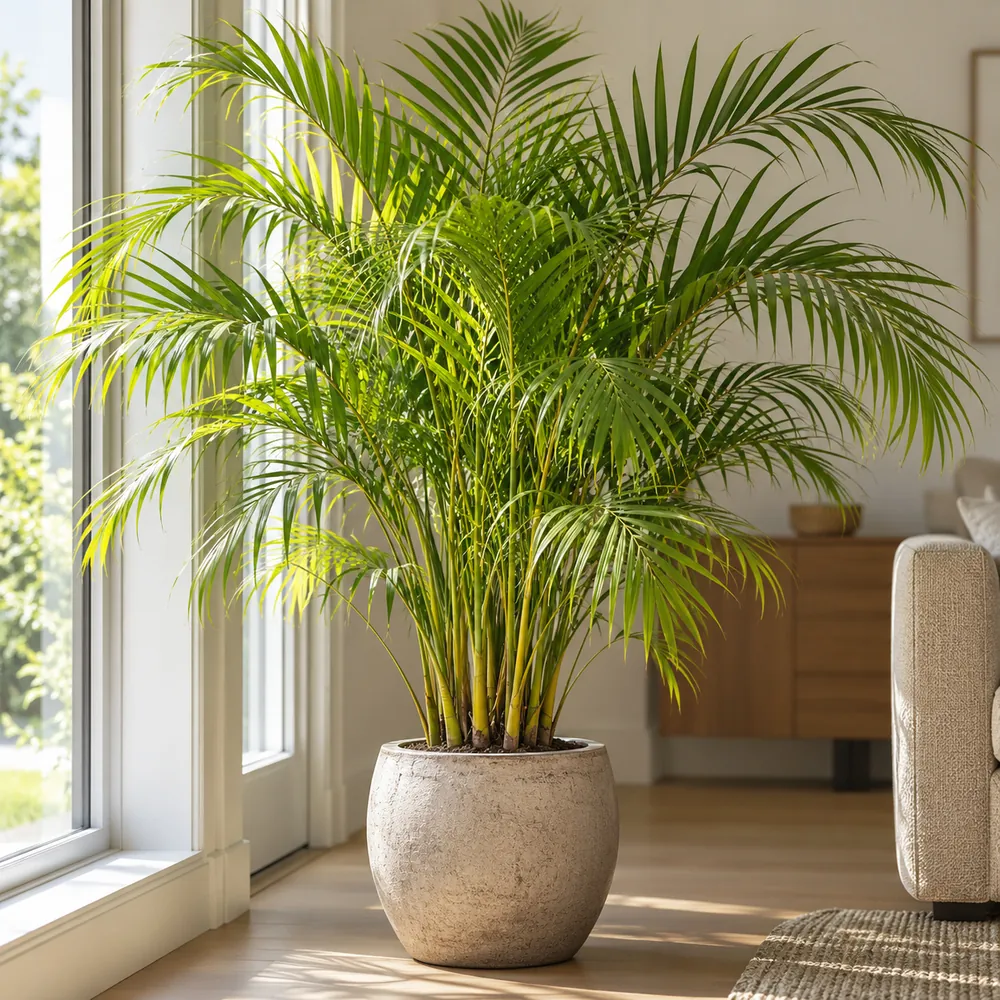
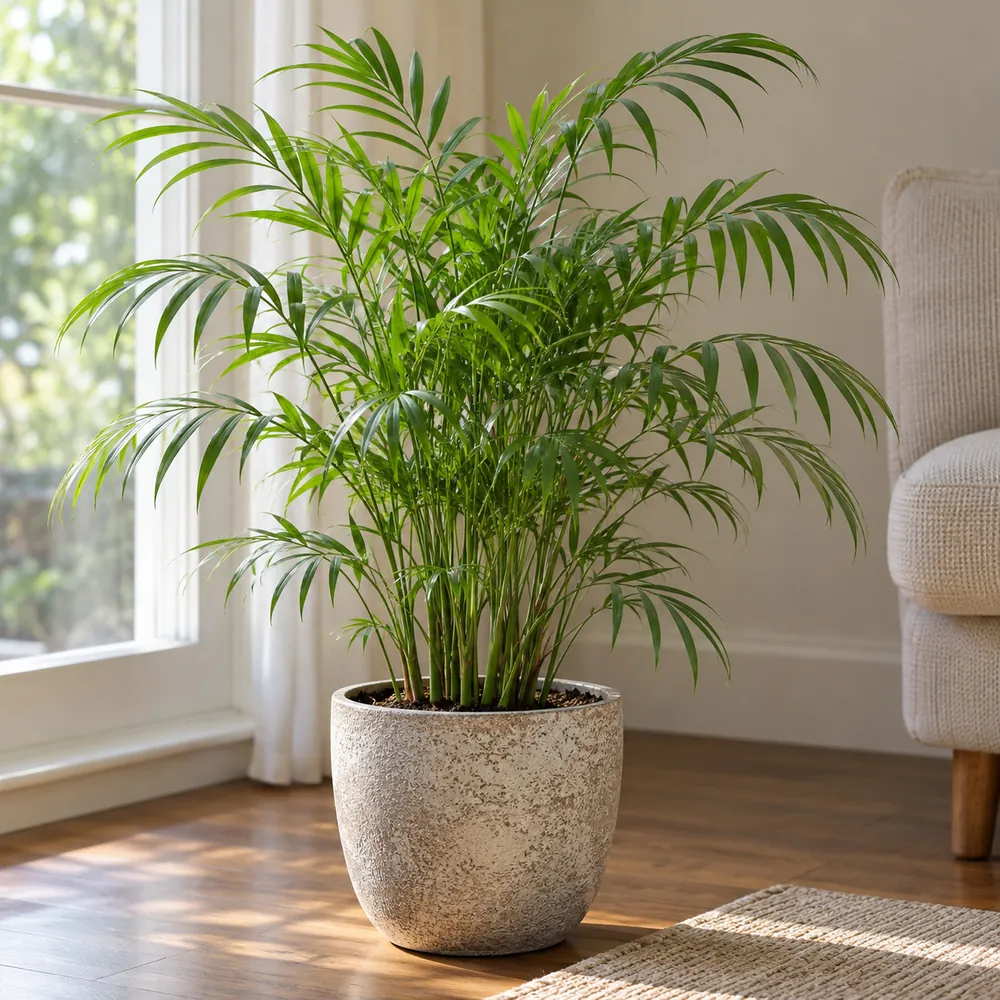
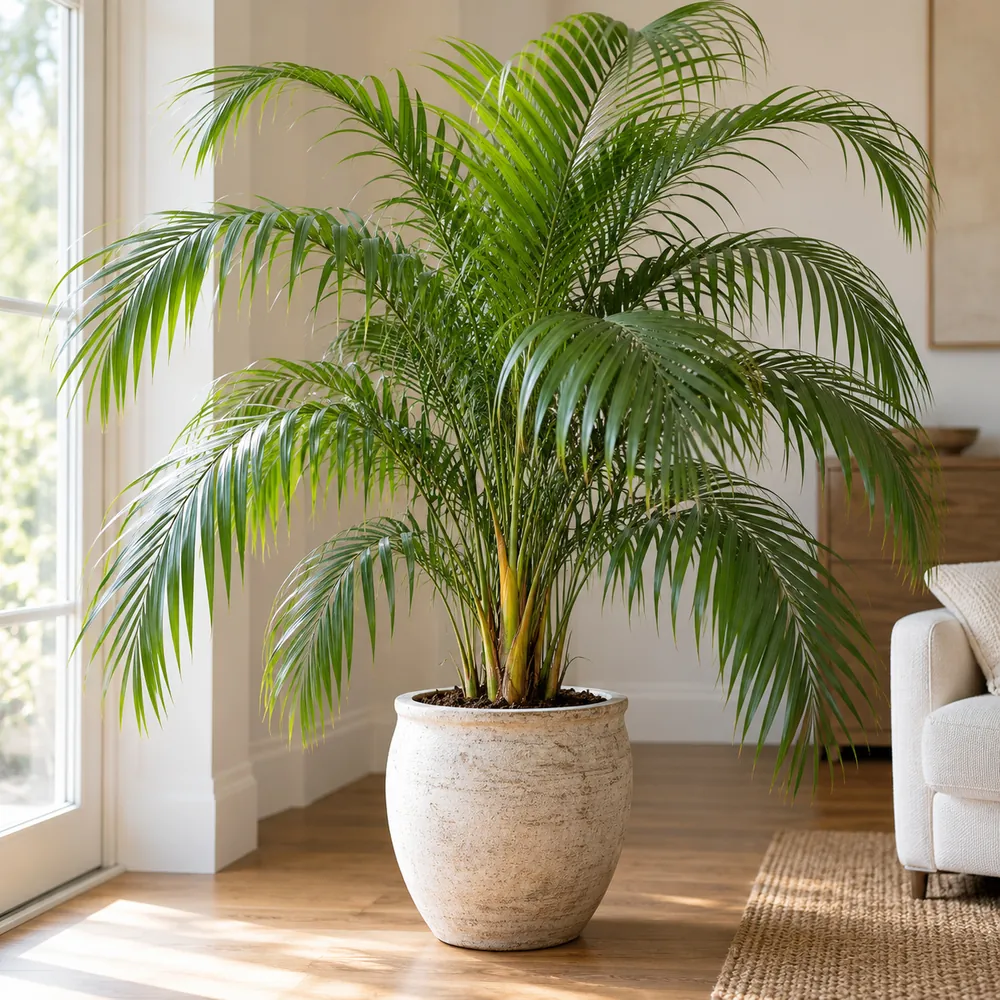
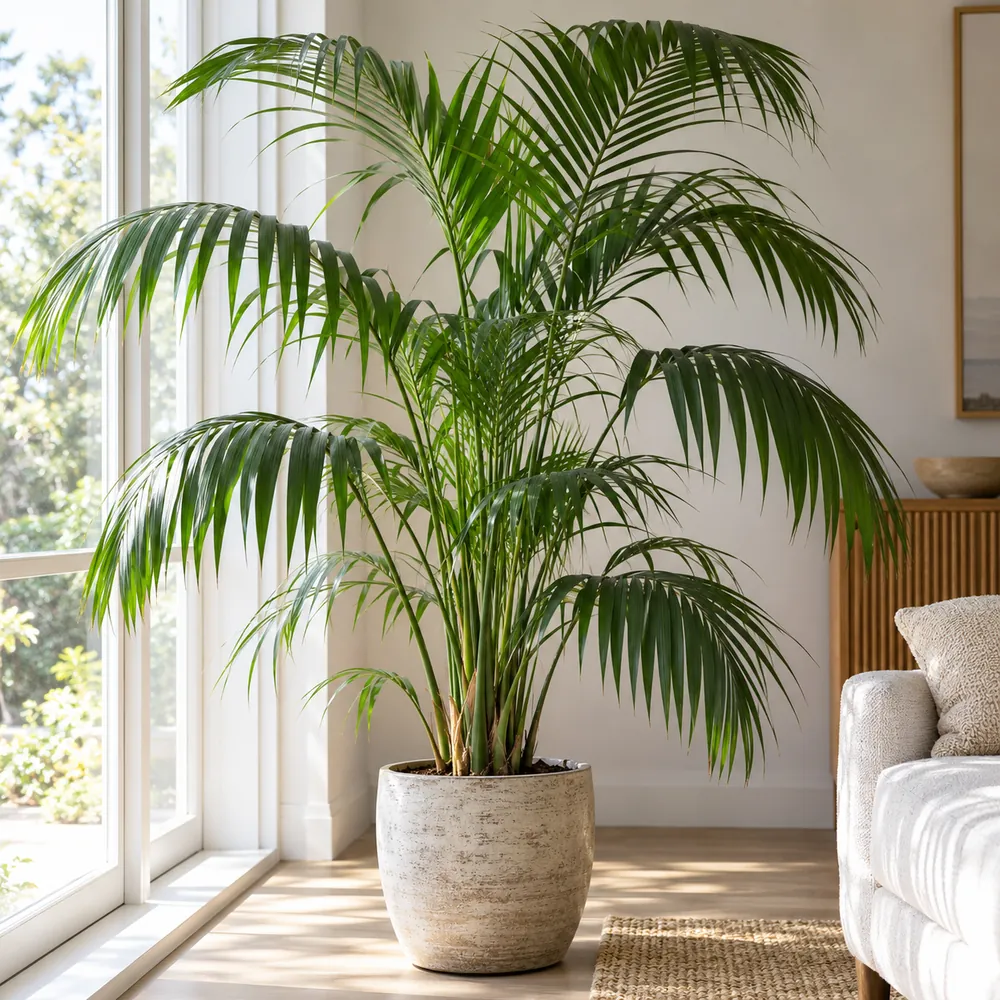
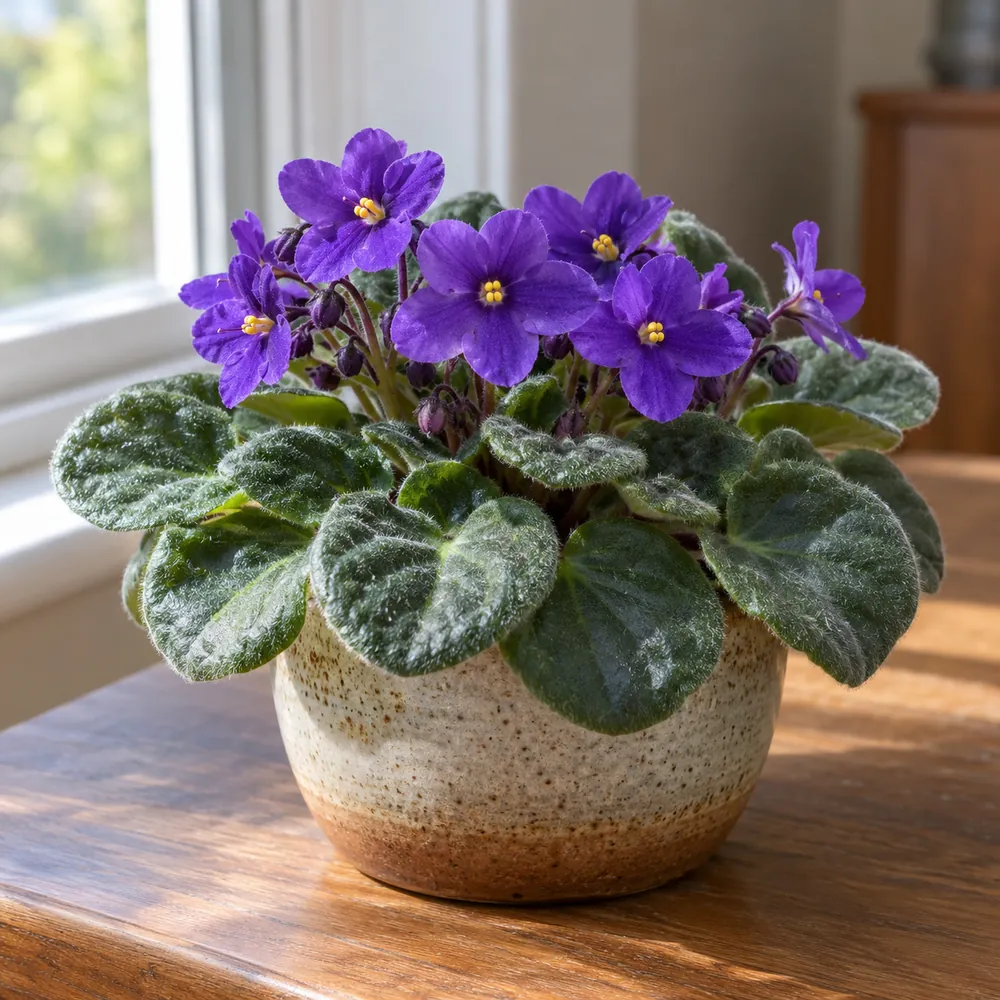
Some of the most popular houseplants are toxic to dogs, including peace lily, pothos, philodendron, monstera, snake plant, jade and aloe. Most of them cause drooling, vomiting or diarrhea rather than anything life-threatening. The exceptions are sago palm and azalea, which can be dangerous. Many good alternatives are listed as non-toxic to dogs, such as spider plant, Boston fern, parlor palm, calathea and African violet.

Safety
Group

How we sort them

Every verdict comes from the ASPCA's toxic and non-toxic plant database, or from the ASPCA's own articles on houseplants where a plant has no database page. We do not add our own toxicity claims. The ASPCA is a US organisation, so its poison-line number is a US number; if you are elsewhere, call your own vet or local animal poison service. The ASPCA states that its lists are not exhaustive, so if your plant is not here, check the name against the ASPCA list or ask your vet.

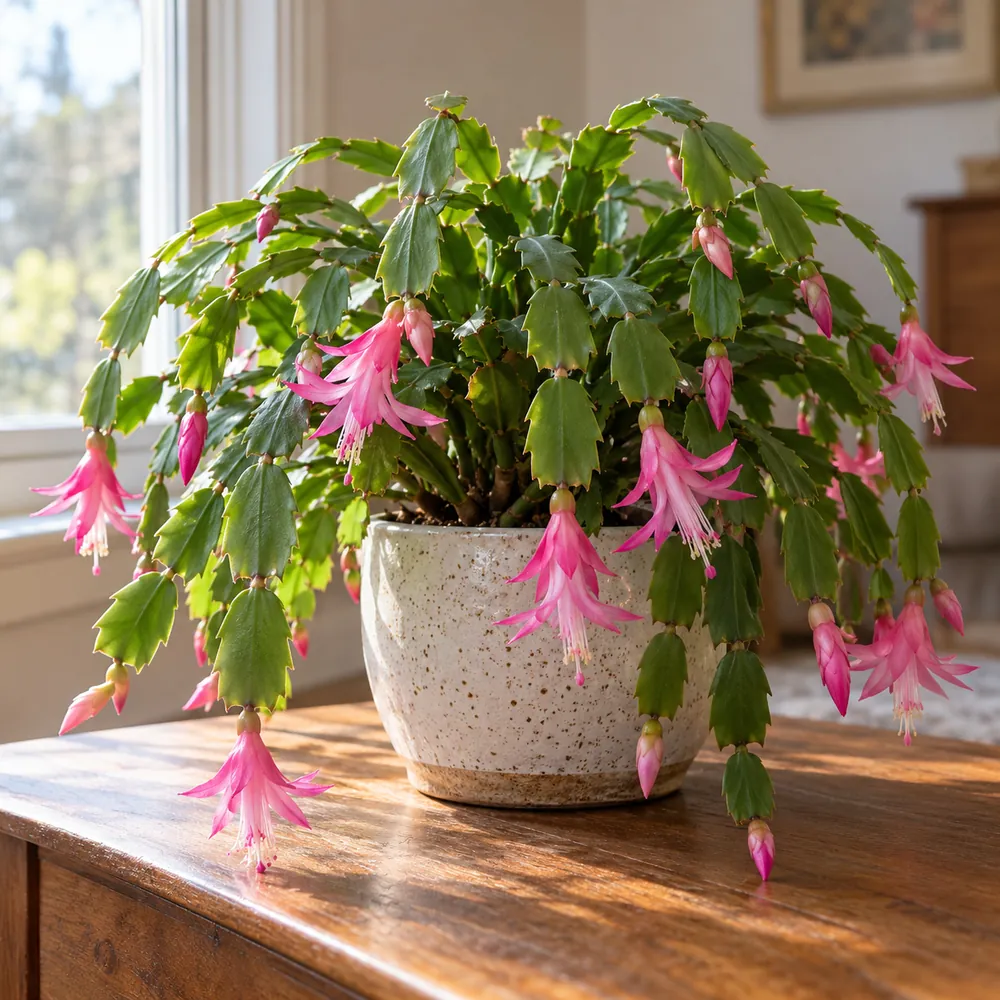
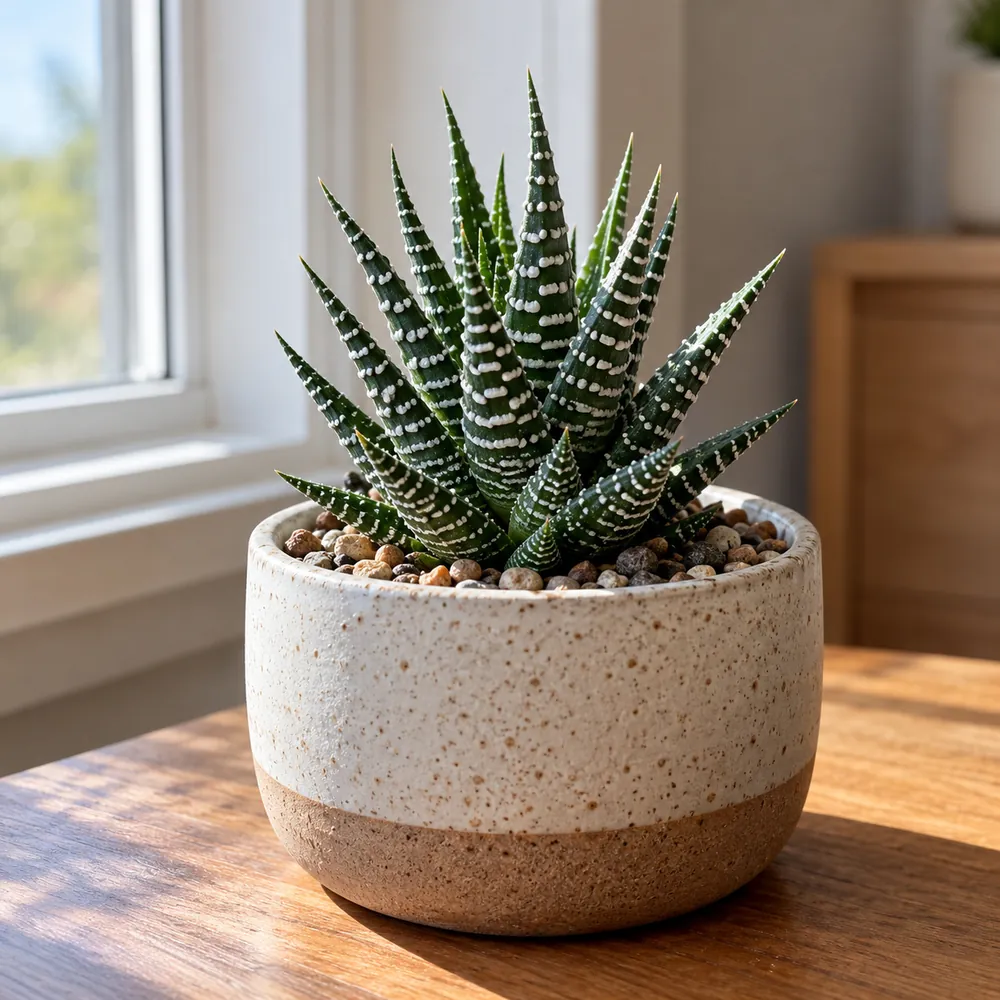
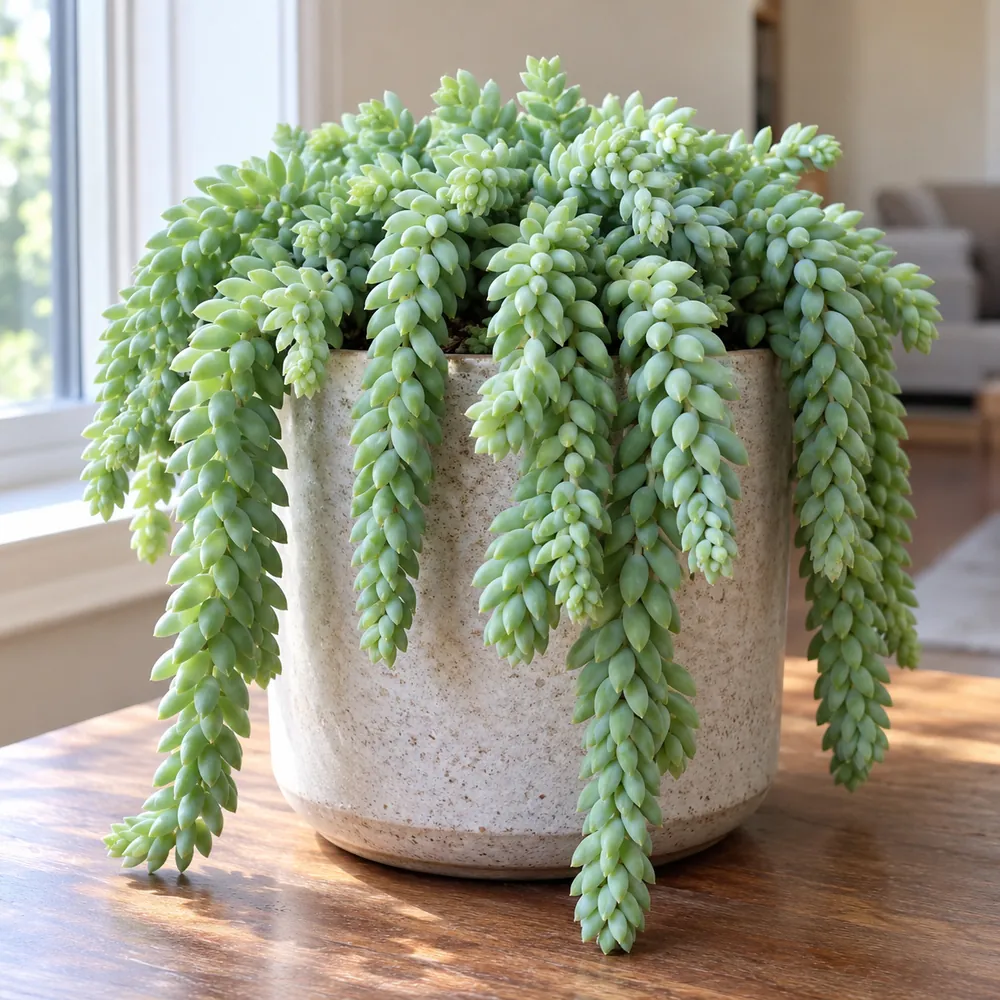
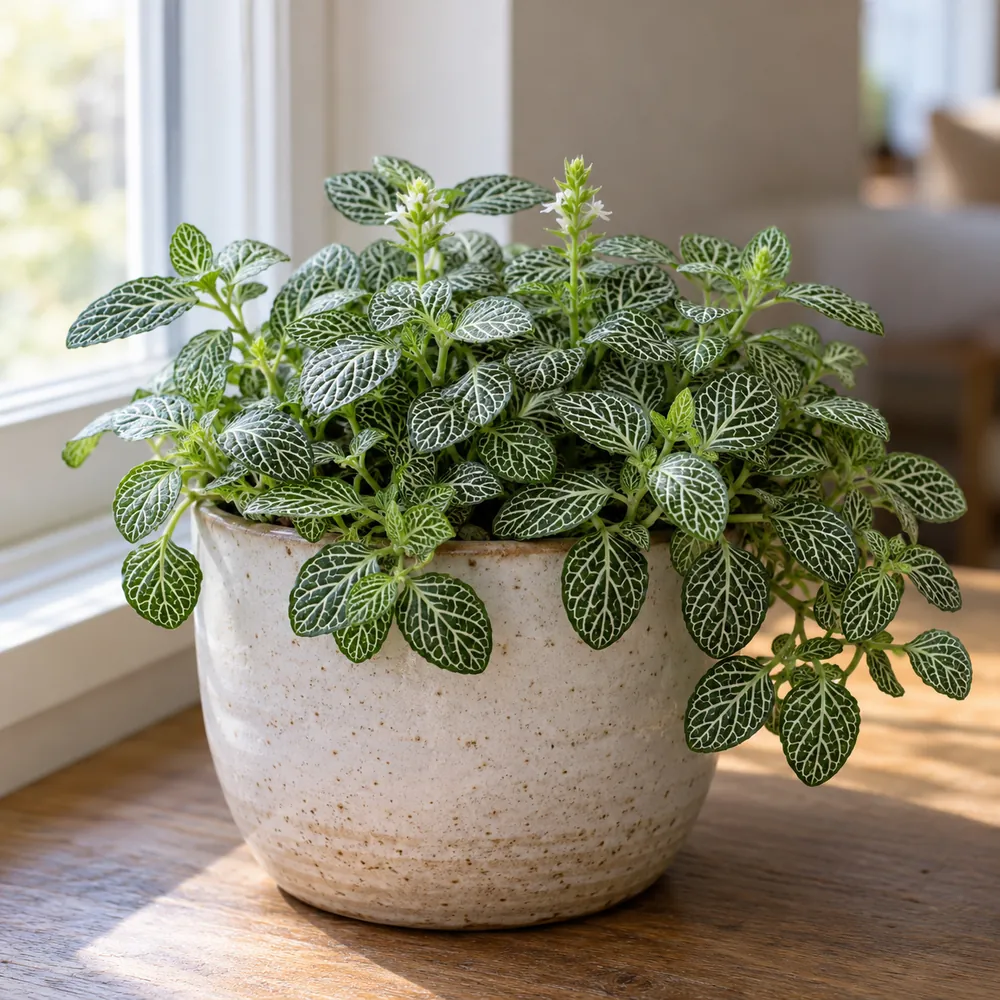
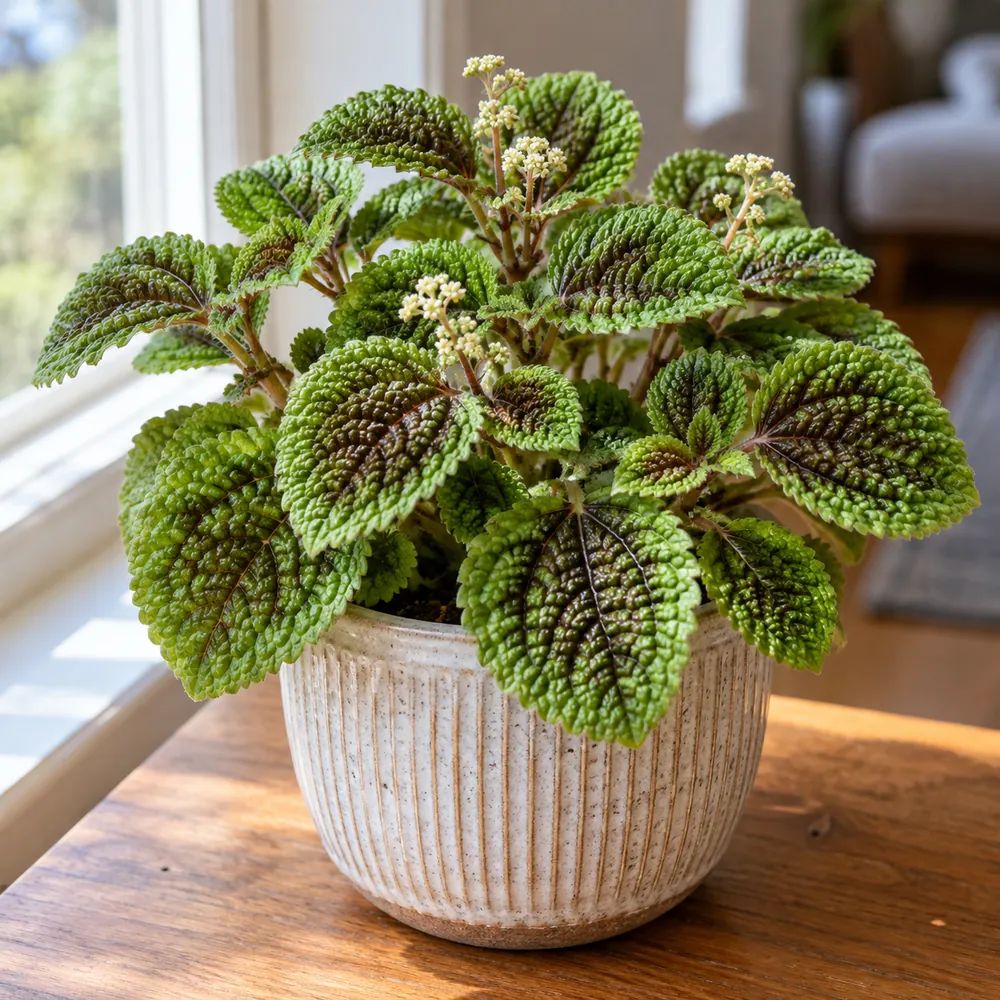
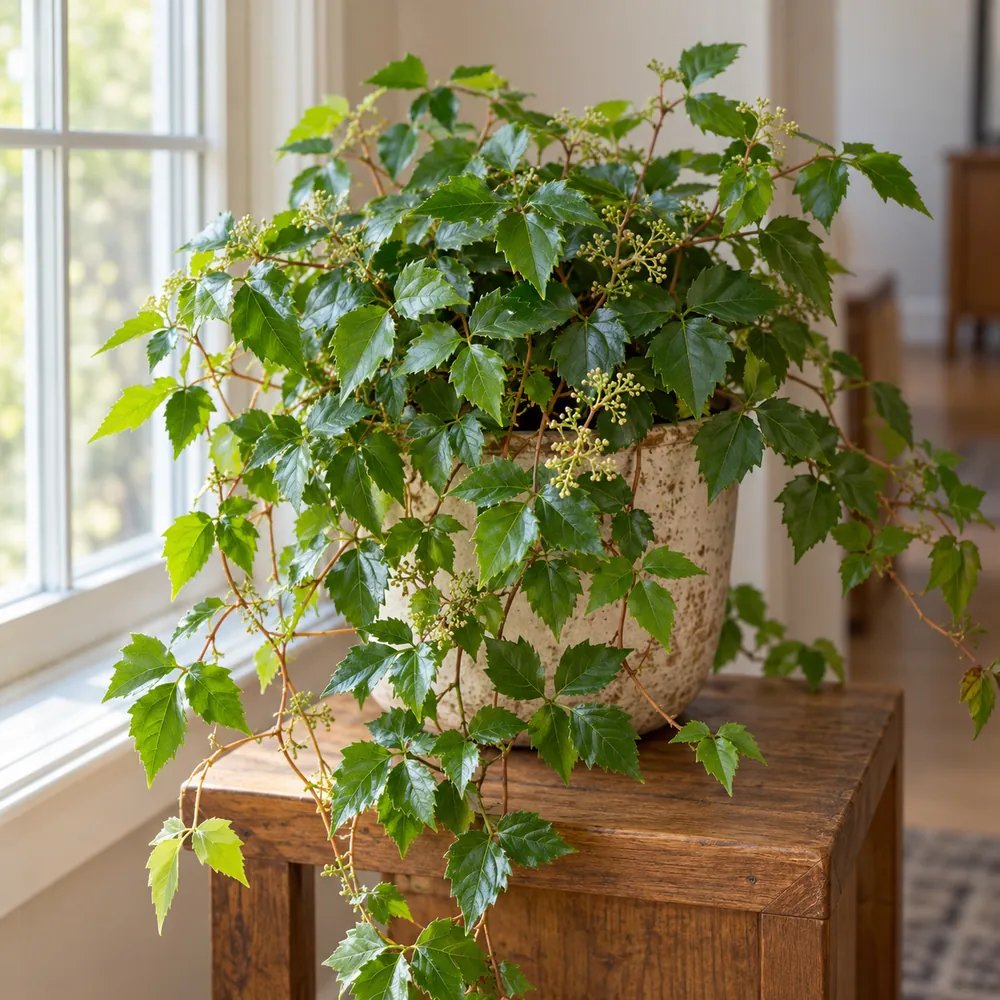
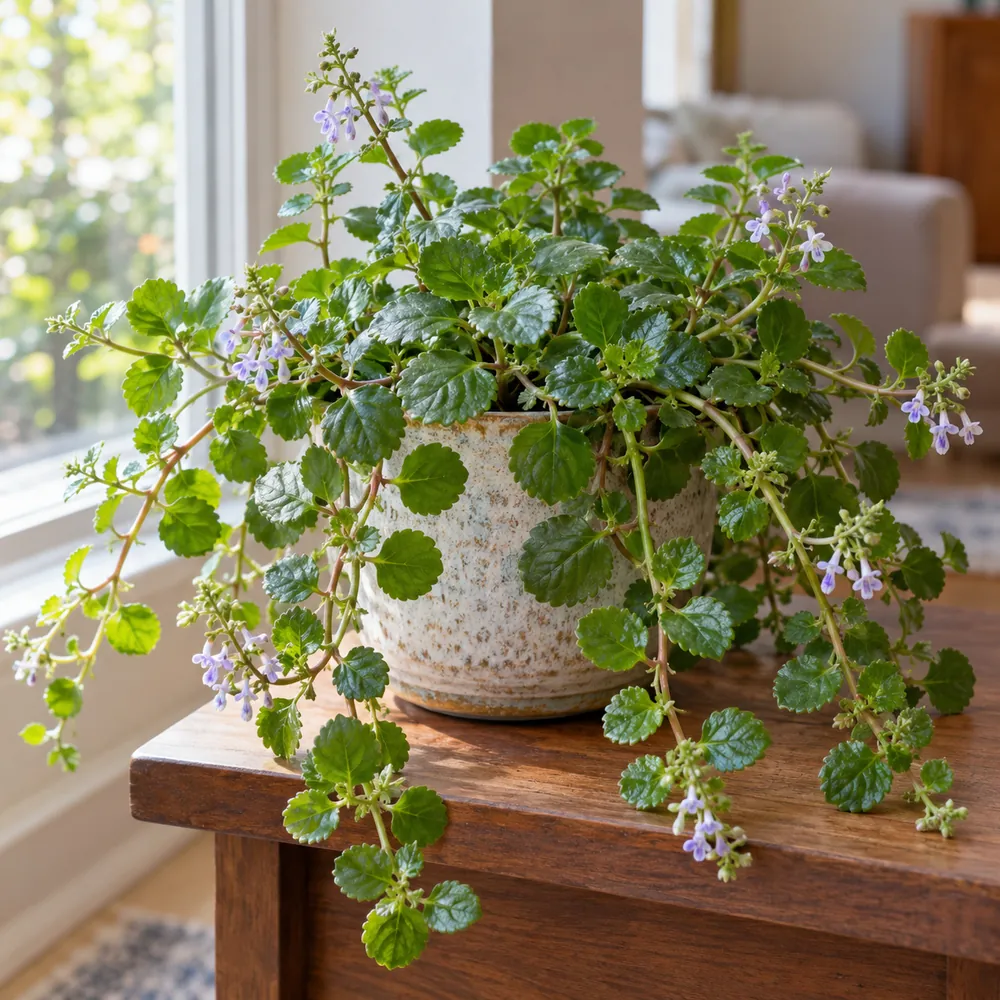
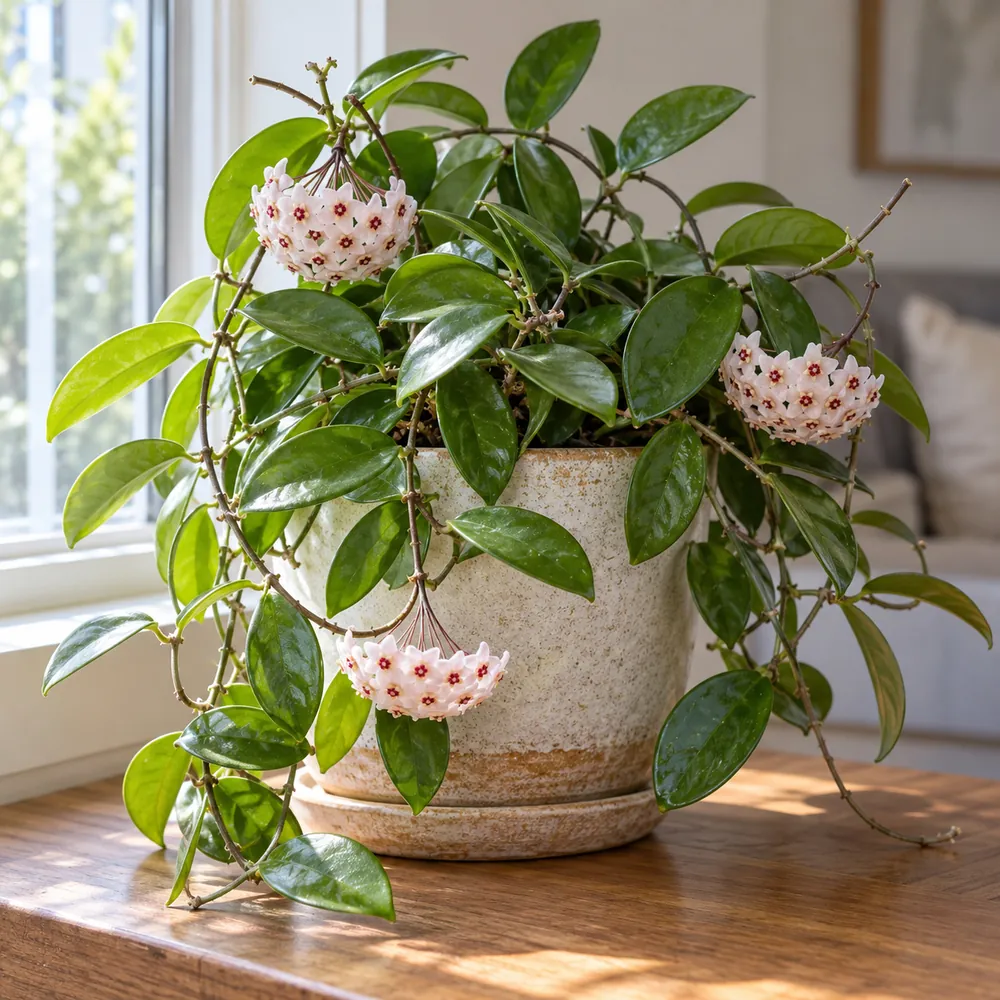
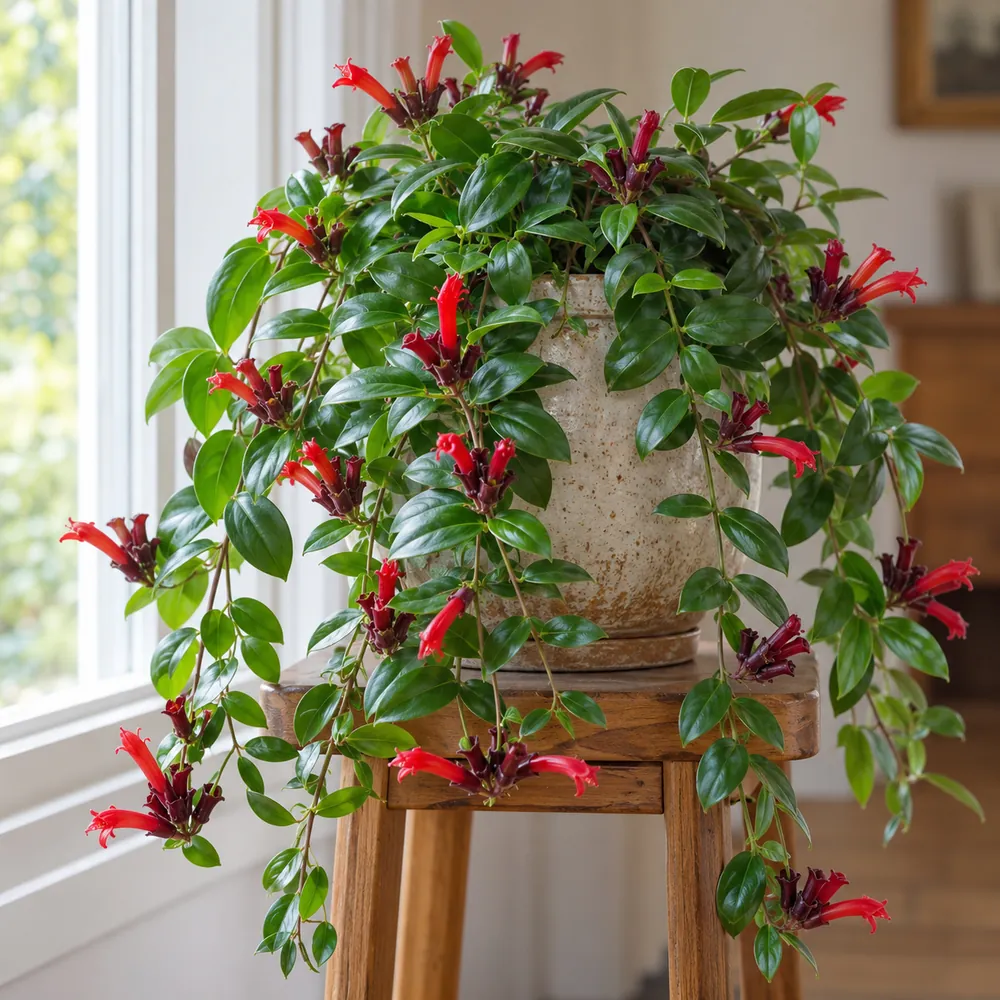
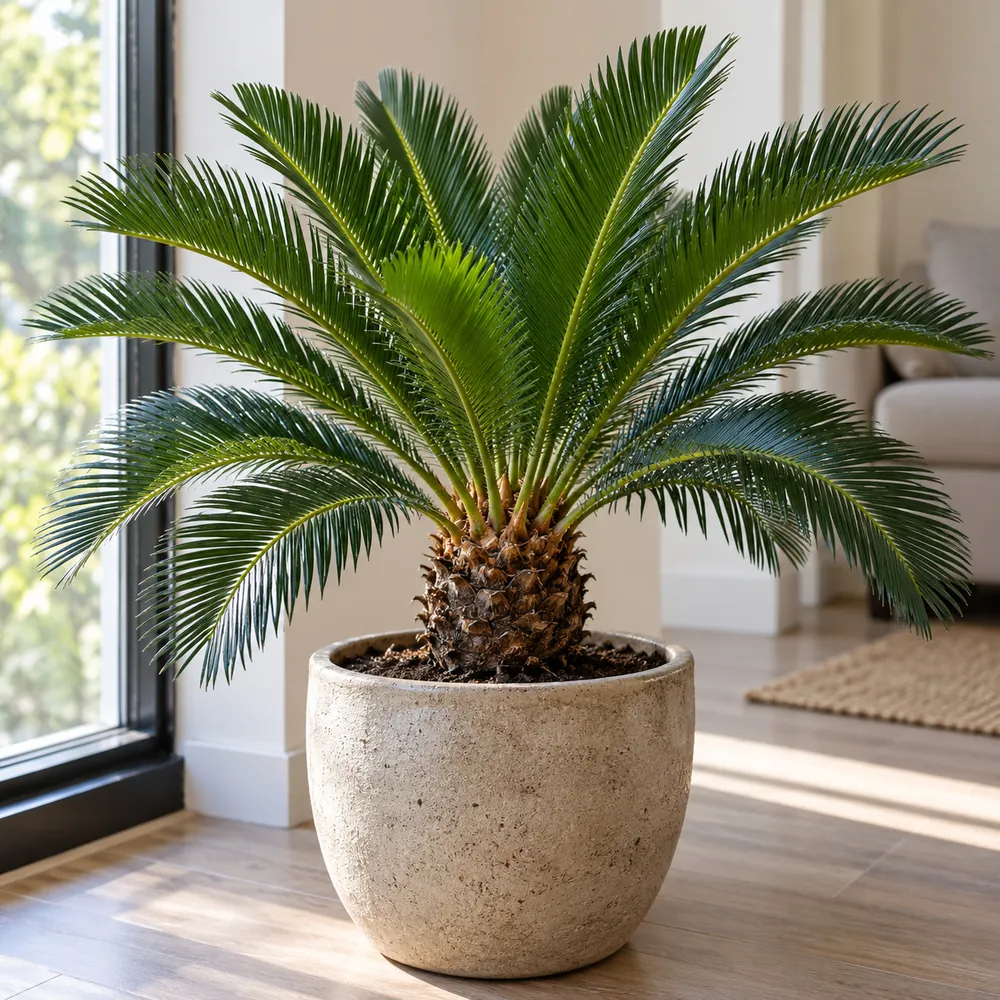
The pictures on this page are AI-generated illustrations, made to help you recognise each plant. Real plants vary in colour, size and shape, so always check the Latin name before relying on a picture.

  • Dangerous houseplants for dogs (2): These can be life-threatening. Call a vet straight away if a dog has chewed or swallowed any part, even if the dog seems fine.
  • Toxic houseplants for dogs (17): The ASPCA lists these as toxic to dogs. Expect vomiting and stomach upset at least. Some have more serious effects, noted on each entry.
  • Toxic houseplants that burn the mouth (calcium oxalate) (14): A big group of popular plants. Chewing releases tiny needle-like crystals that irritate the mouth and throat. It is painful and messy, but the ASPCA rates the severity as low and does not expect long-term effects.
  • Mildly toxic houseplants (7): Usually cause mild irritation or stomach upset, but still best kept out of reach.
  • Dog-safe houseplants (28): The ASPCA lists these as non-toxic to dogs. Non-toxic does not mean no problem: any plant can cause mild stomach upset if a dog eats a lot of it.

If your dog has chewed a plant

  1. Take the plant away and check what was eaten and roughly how much. Keep the plant, or a photo and its name, for the vet.
  2. For the calcium oxalate plants, the ASPCA says offering a small amount of milk, plain yogurt or vanilla ice cream soon after can help. Check the product has no xylitol.
  3. Call your vet or an animal poison line. Do not try to make the dog vomit unless a vet tells you to.
  4. Go to a vet hospital straight away if your dog has trouble swallowing or breathing, swelling of the mouth or throat, repeated vomiting, tremors or collapse.

Prevention

  • Hang trailing plants or put toxic ones in rooms the dog cannot enter.
  • Bulbs, seeds and tubers are the most dangerous parts of several plants (sago palm seeds, cyclamen tubers, begonia roots).
  • Know the Latin name. Common names overlap: “money tree” can mean jade (toxic) or Pachira (safe); “ivy” can mean English ivy (toxic) or grape and Swedish ivy (safe); “peace lily” is not a true lily.

Dangerous houseplants for dogs (2)

These can be life-threatening. Call a vet straight away if a dog has chewed or swallowed any part, even if the dog seems fine.

Illustration of Sago palm (Cycas revoluta)

Sago palm

Dangerous

Cycas revoluta · family Cycadaceae

Toxic principle:
Cycasin, B-methylamino-l-alanine, unidentified neurotoxin
Signs:
Vomiting (may be bloody), dark stools, jaundice, increased thirst, bloody diarrhea, bruising, liver failure, death. 1-2 seeds can be fatal.
Good to know:
The seeds are the most dangerous part, but treat the whole plant as dangerous. Call a vet or poison line immediately.

Source: ASPCA — Cycads
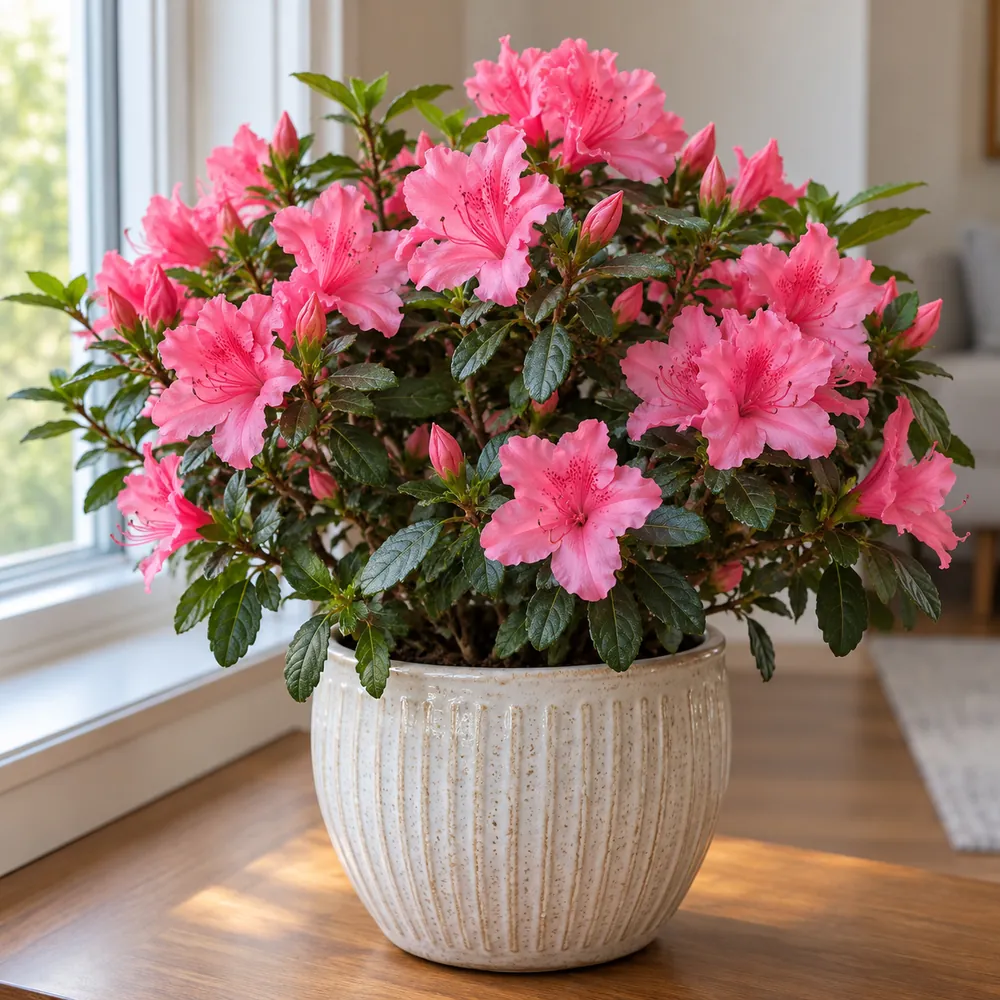
Illustration of Azalea (Rhododendron spp.)

Azalea

Dangerous

Rhododendron spp. · family Ericaceae

Toxic principle:
Grayantoxin
Signs:
Vomiting, diarrhea, weakness, cardiac failure

Source: ASPCA — Azalea

Toxic houseplants for dogs (17)

The ASPCA lists these as toxic to dogs. Expect vomiting and stomach upset at least. Some have more serious effects, noted on each entry.

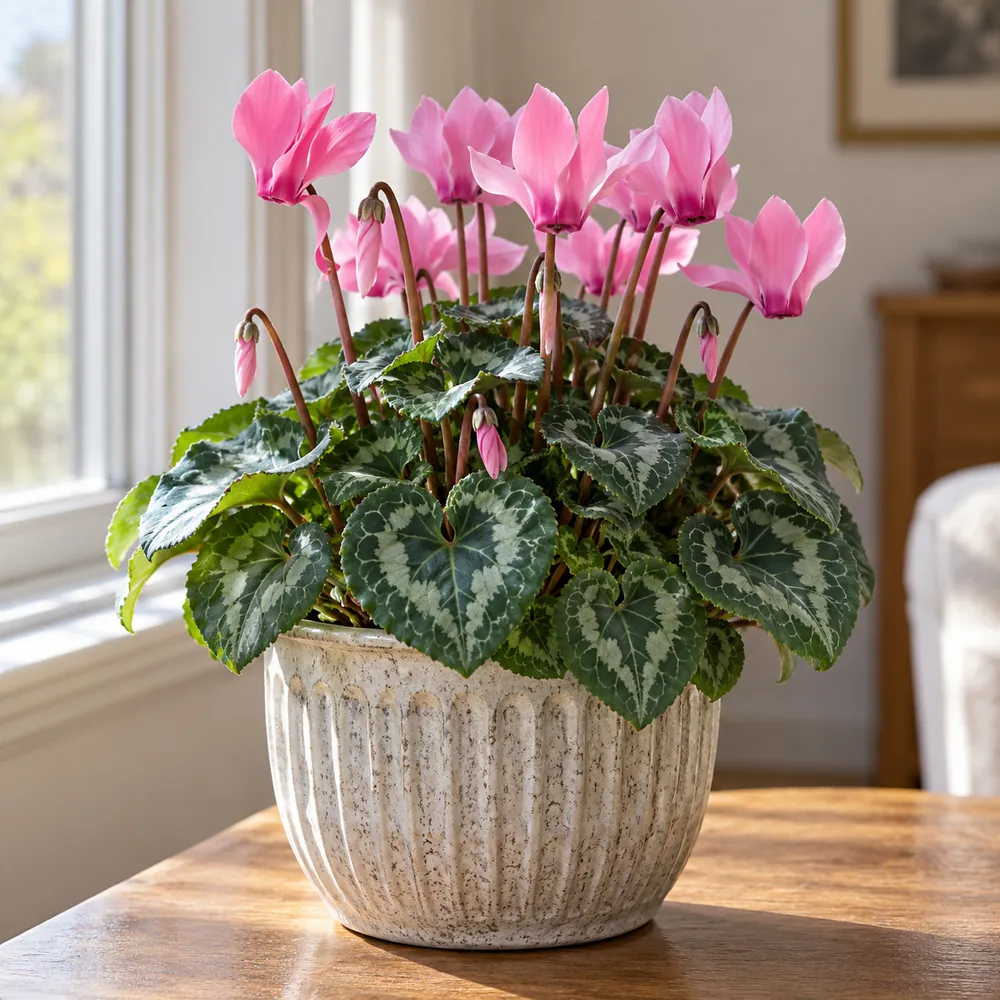
Illustration of Cyclamen (Cyclamen spp.)

Cyclamen

Toxic

Cyclamen spp. · family Primulaceae

Toxic principle:
Terpenoid saponins
Signs:
Salivation, vomiting, diarrhea. Following large ingestions of tubers: heart rhythm abnormalities, seizures, death
Good to know:
ASPCA: large ingestions of the tubers can cause heart rhythm abnormalities, seizures and death.

Source: ASPCA — Cyclamen

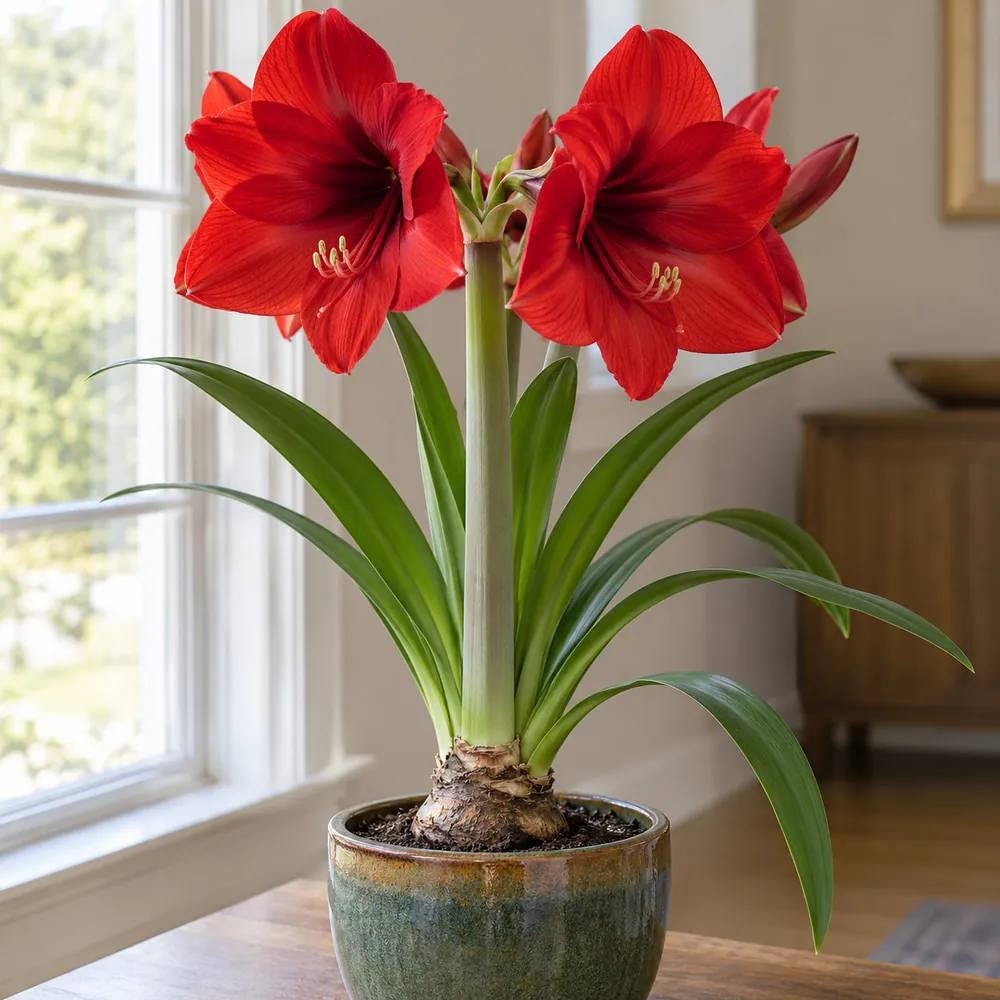
Illustration of Amaryllis (Amaryllis spp.)

Amaryllis

Toxic

Amaryllis spp. · family Amaryllidaceae

Toxic principle:
Lycorine and others
Signs:
Vomiting, depression, diarrhea, abdominal pain, hypersalivation, anorexia, tremors.
Good to know:
Keep the bulb and the plant out of reach.

Source: ASPCA — Amaryllis

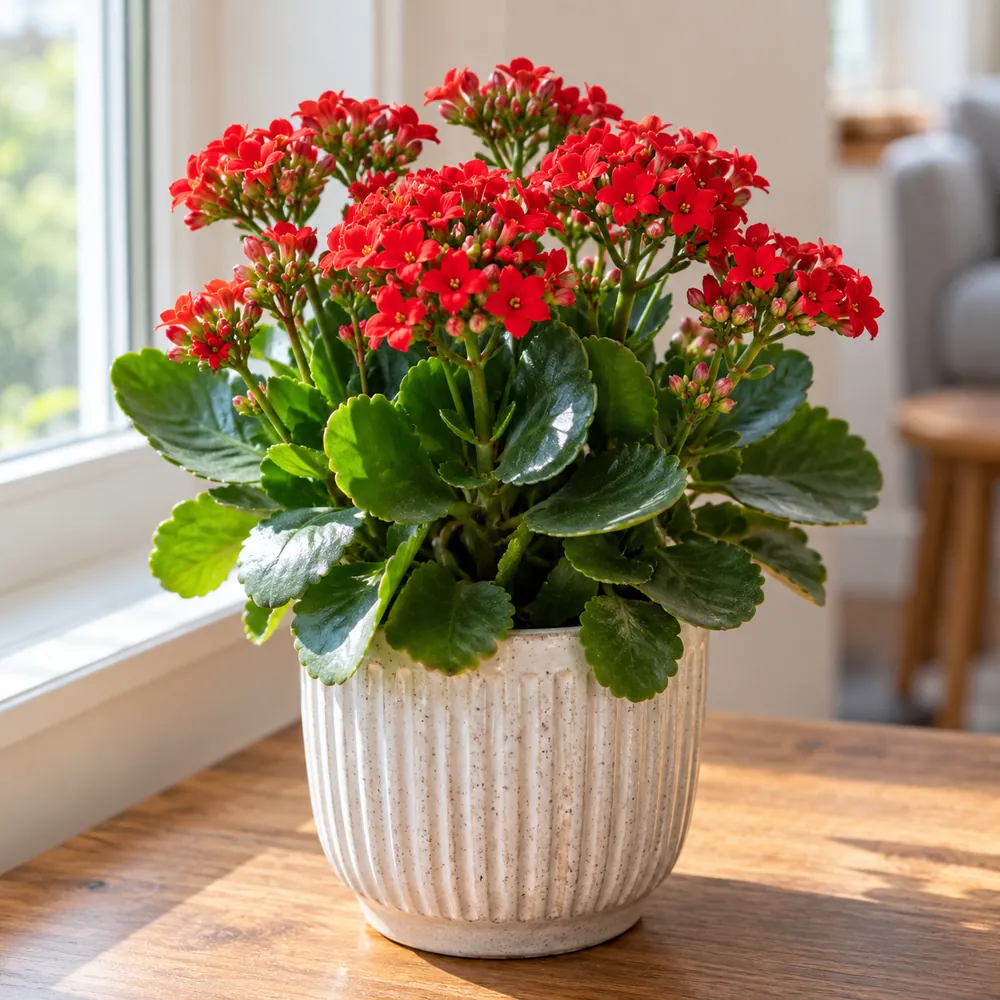
Illustration of Kalanchoe (Kalanchoe spp.)

Kalanchoe

Toxic

Kalanchoe spp. · family Crassulaceae

Toxic principle:
Bufodienolides
Signs:
Vomiting, diarrhea, abnormal heart rhythm (rare).
Good to know:
Abnormal heart rhythm is listed as rare.

Source: ASPCA — Kalanchoe

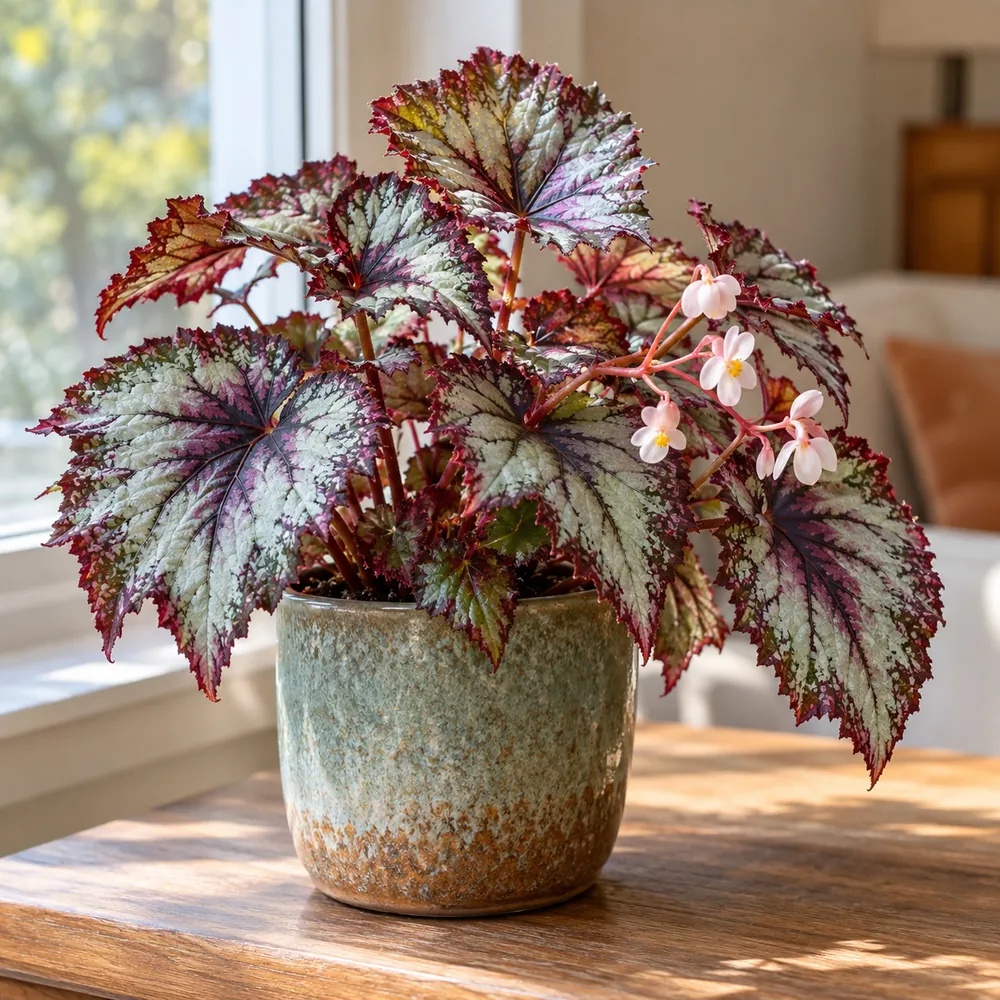
Illustration of Begonia (Begonia spp.)

Begonia

Toxic

Begonia spp. · family Begoniaceae

Toxic principle:
Soluble calcium oxalates
Signs:
Kidney failure (in grazing animals), vomiting, salivation in dogs/cats. Most toxic part is underground.
Good to know:
ASPCA: the most toxic part is underground.

Source: ASPCA — Begonia

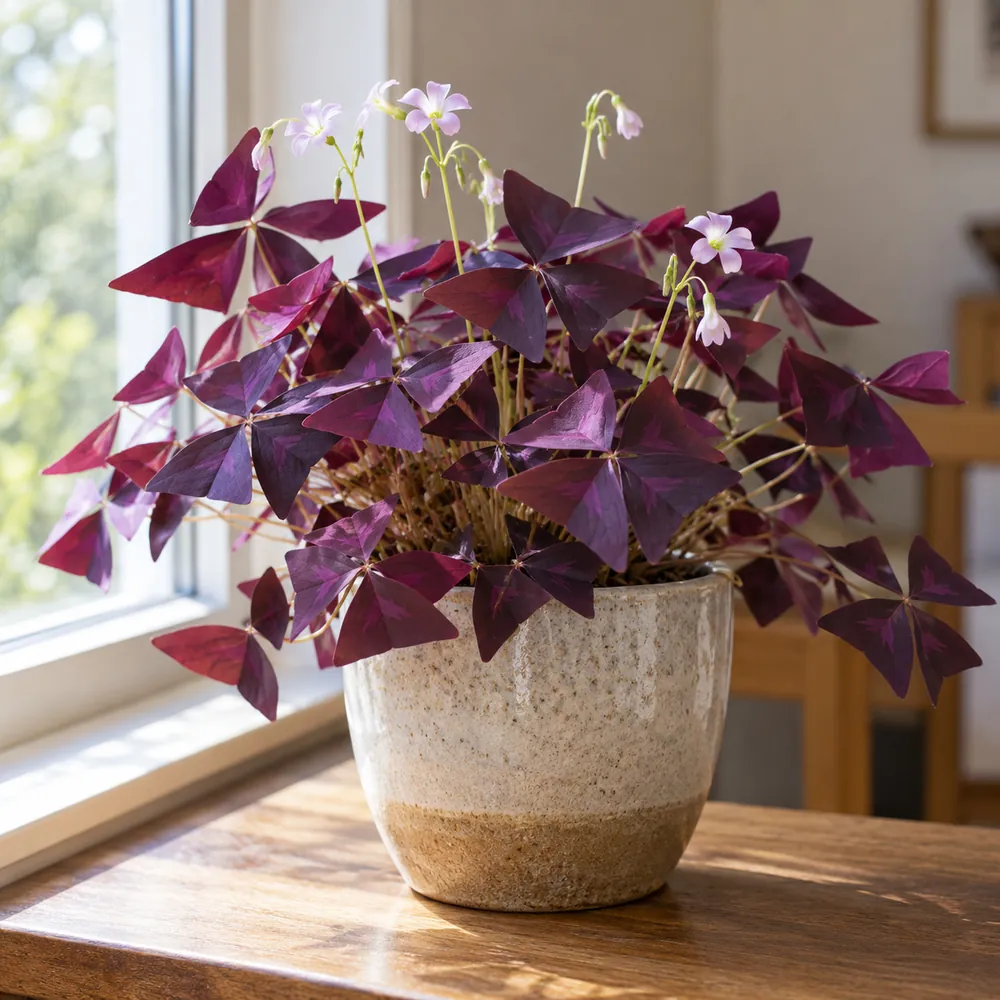
Illustration of Shamrock plant (oxalis) (Oxalis spp.)

Shamrock plant (oxalis)

Toxic

Oxalis spp. · family Oxalidaceae

Toxic principle:
Soluble calcium oxalates
Signs:
Kidney failure (rare in dogs/cats), tremors, salivation.

Source: ASPCA — Shamrock Plant

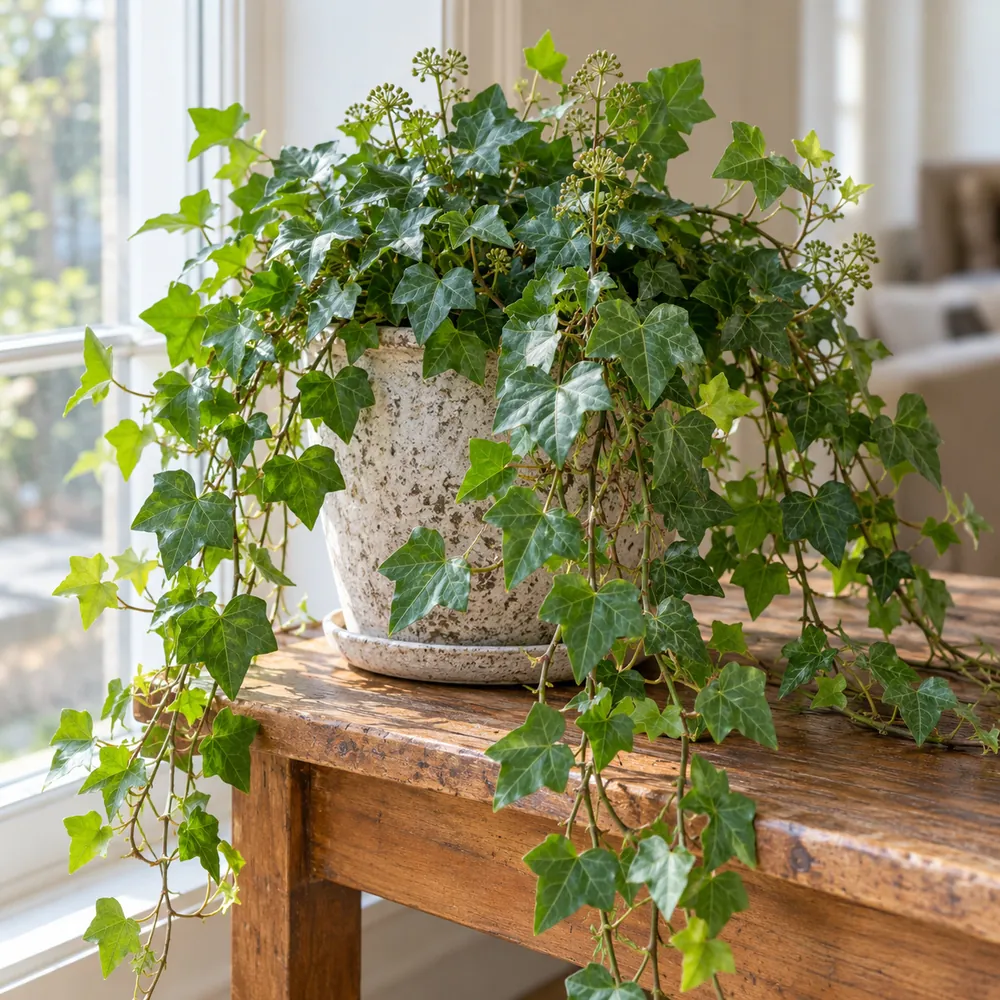
Illustration of English ivy (Hedera helix)

English ivy

Toxic

Hedera helix · family Araliaceae

Toxic principle:
Triterpenoid saponins (hederagenin)
Signs:
Vomiting, abdominal pain, hypersalivation, diarrhea. Foliage is more toxic than berries
Good to know:
ASPCA: the foliage is more toxic than the berries.

Source: ASPCA — English Ivy

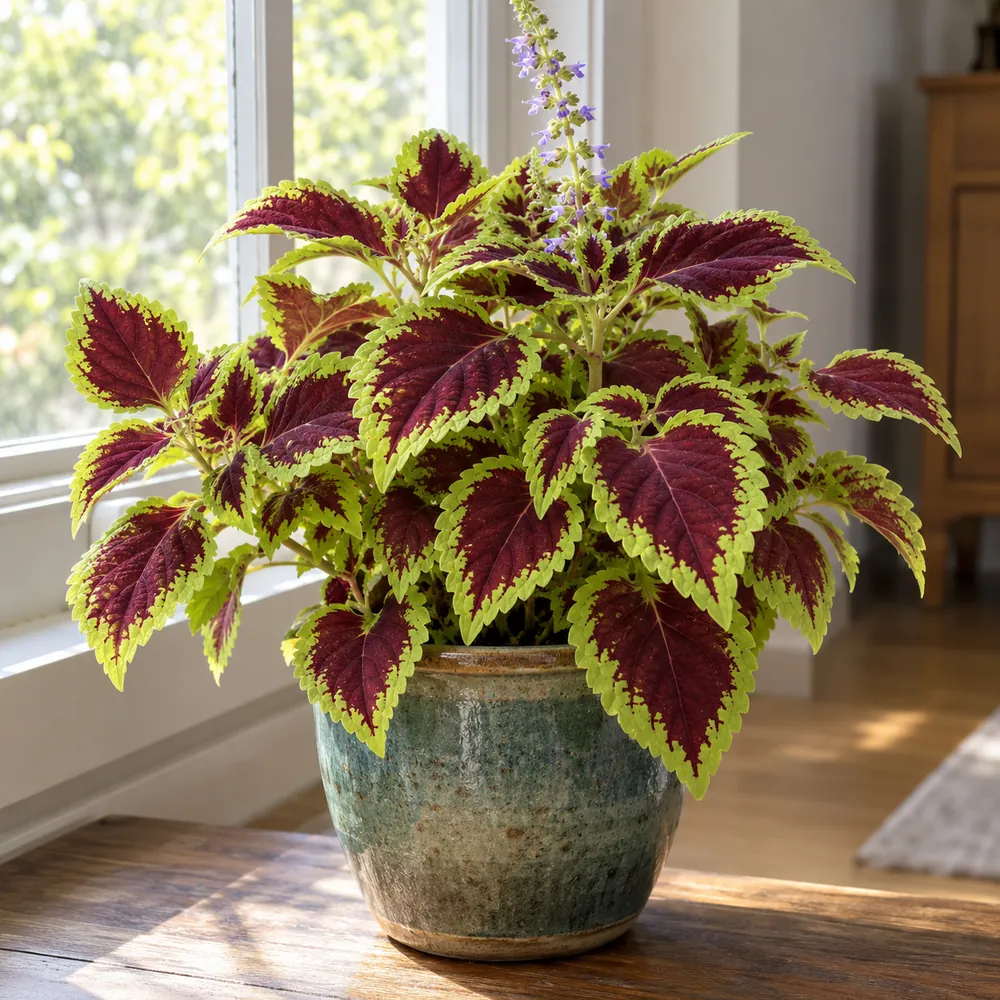
Illustration of Coleus (Coleus ampoinicus)

Coleus

Toxic

Coleus ampoinicus · family Labiatae

Toxic principle:
Essential Oils
Signs:
Vomiting, diarrhea, depression, anorexia, occasionally bloody diarrhea or vomiting

Source: ASPCA — Coleus

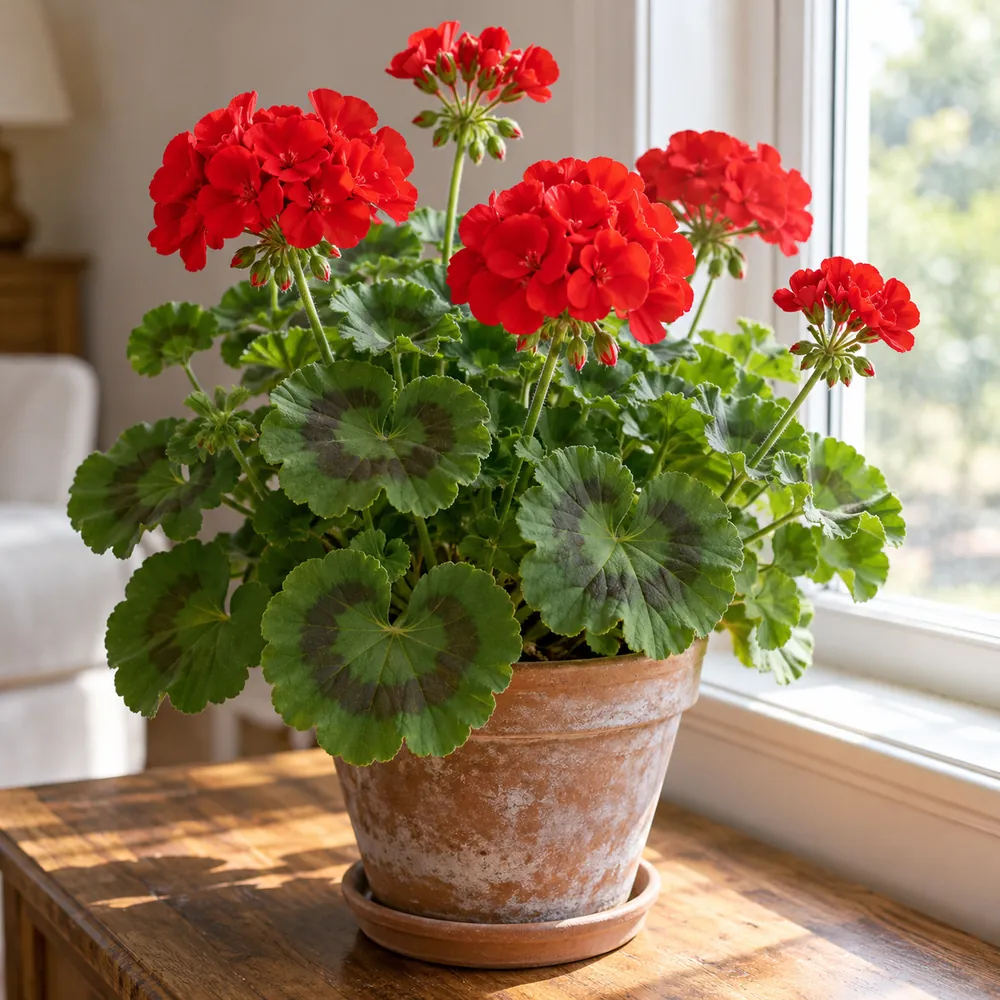
Illustration of Geranium (pelargonium) (Pelargonium spp.)

Geranium (pelargonium)

Toxic

Pelargonium spp. · family Geraniaceae

Toxic principle:
Geraniol, linalool
Signs:
Vomiting, anorexia, depression, dermatitis

Source: ASPCA — Geranium

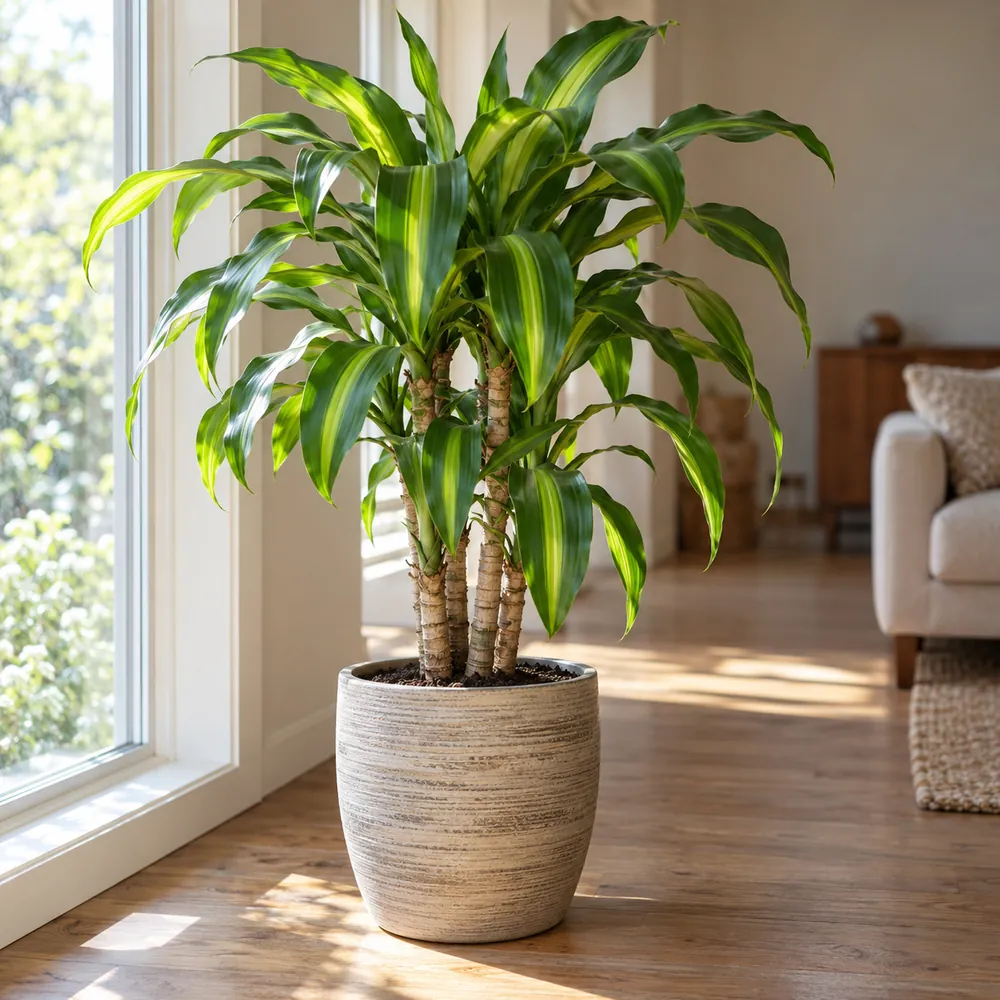
Illustration of Corn plant (dracaena) (Dracaena fragrans)

Corn plant (dracaena)

Toxic

Dracaena fragrans · family Asparagaceae

Toxic principle:
Saponins
Signs:
Vomiting (occasionally with blood), depression, anorexia, hypersalivation, dilated pupils (cats).

Source: ASPCA — Corn Plant

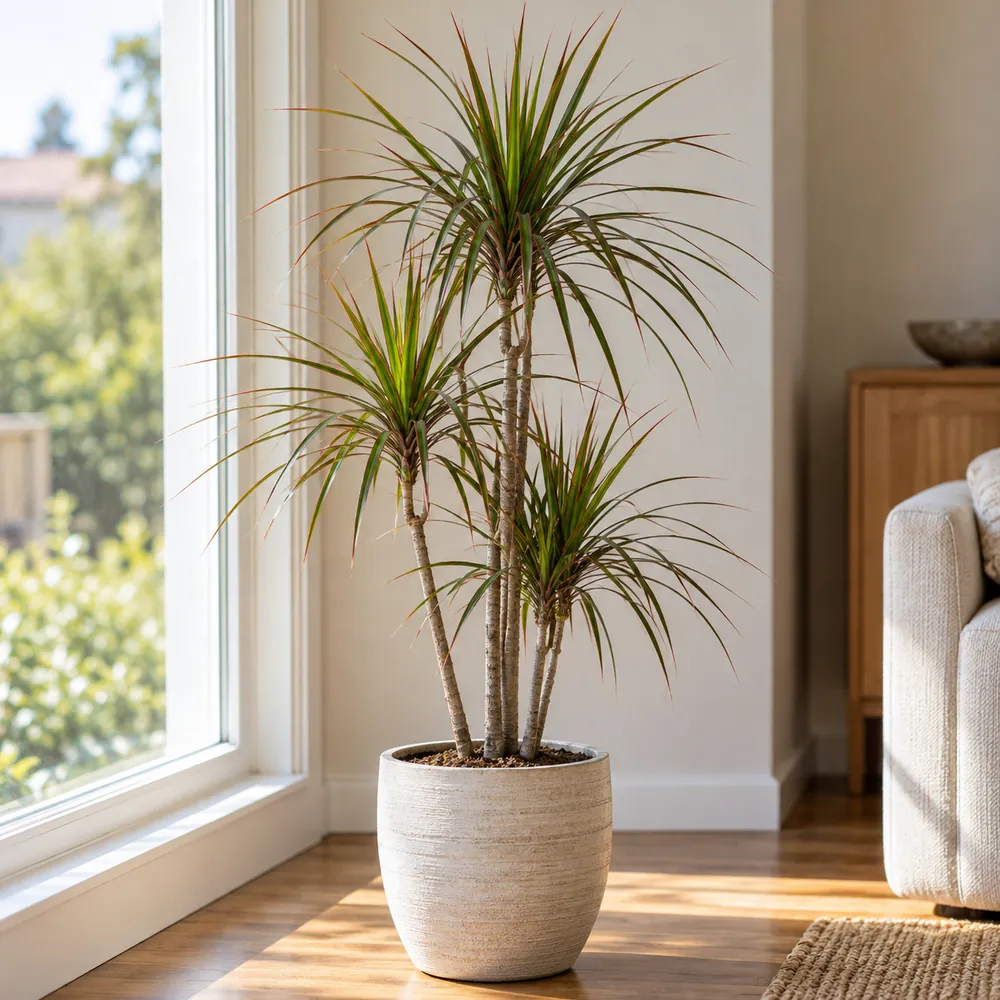
Illustration of Madagascar dragon tree (Dracaena marginata)

Madagascar dragon tree

Toxic

Dracaena marginata · family Asparagaceae

Toxic principle:
Saponins
Signs:
Vomiting (occasionally with blood), depression, anorexia, hypersalivation, dilated pupils (cats).

Source: ASPCA — Madagascar Dragon Tree

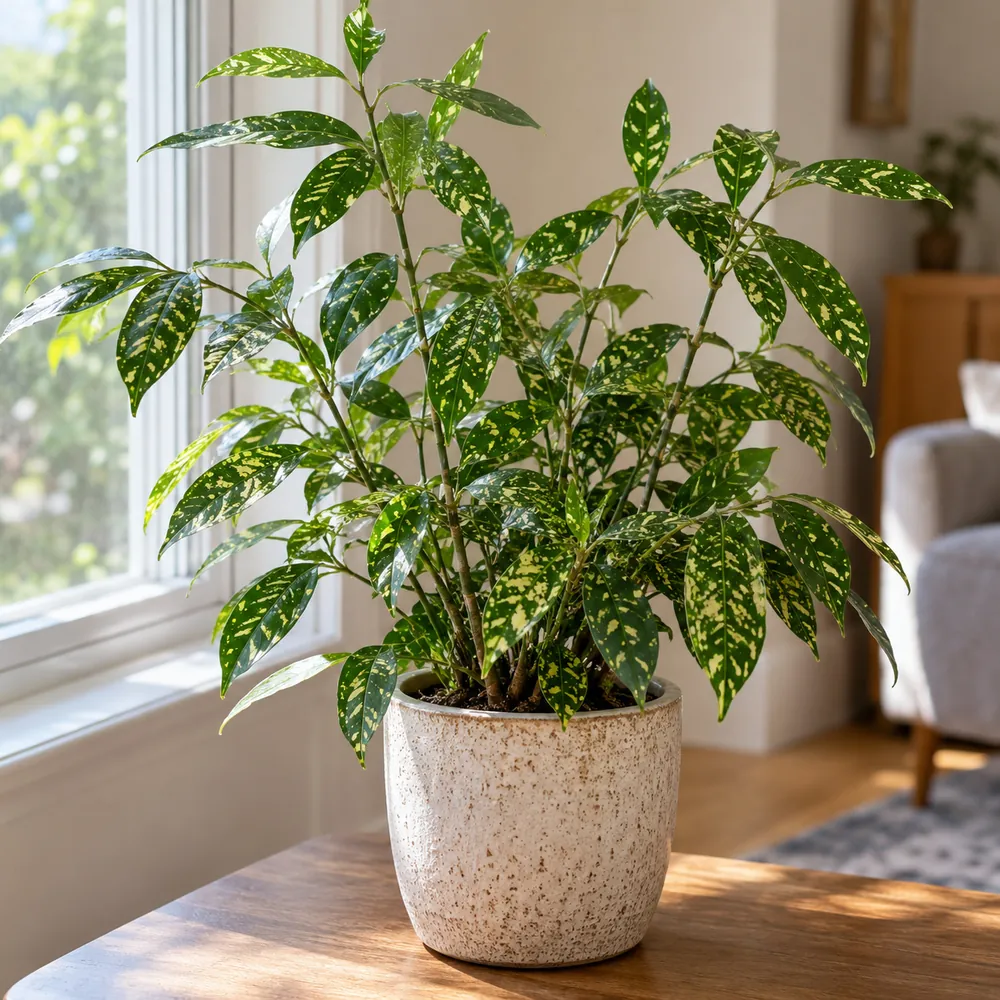
Illustration of Gold dust dracaena (Dracaena surculosa)

Gold dust dracaena

Toxic

Dracaena surculosa · family Agavaceae

Toxic principle:
Unknown
Signs:
In cats: dilated pupils, abdominal pain, increased heartrate and drooling. In both cats and dogs: vomiting, depression, inappetence, drooling, incoordination, and weakness.

Source: ASPCA — Gold Dust Dracaena

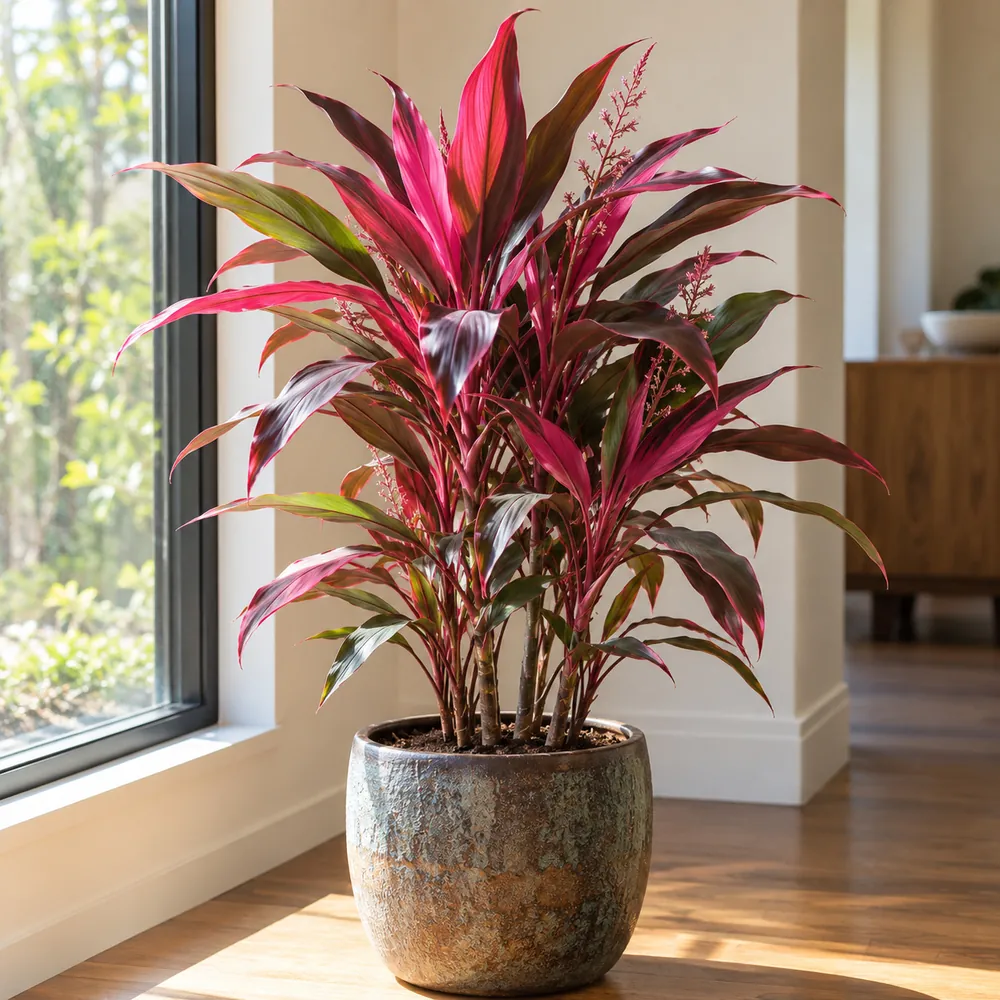
Illustration of Ti plant (Cordyline terminalis)

Ti plant

Toxic

Cordyline terminalis · family Agavaceae

Toxic principle:
Saponins
Signs:
Vomiting (occasionally with blood), depression, anorexia, hypersalivation, dilated pupils (cats)

Source: ASPCA — Ti-Plant

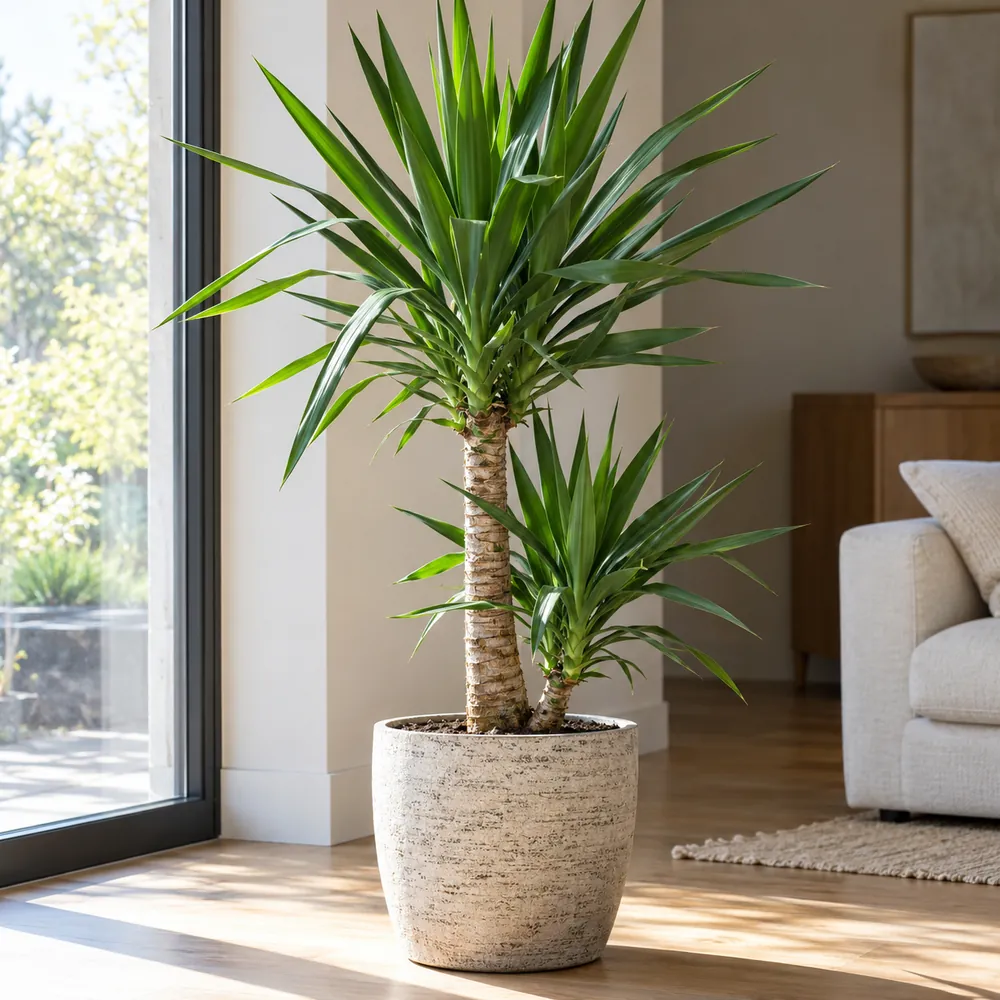
Illustration of Yucca (Yucca spp.)

Yucca

Toxic

Yucca spp. · family Agavaceae

Toxic principle:
Saponins
Signs:
Vomiting

Source: ASPCA — Yucca

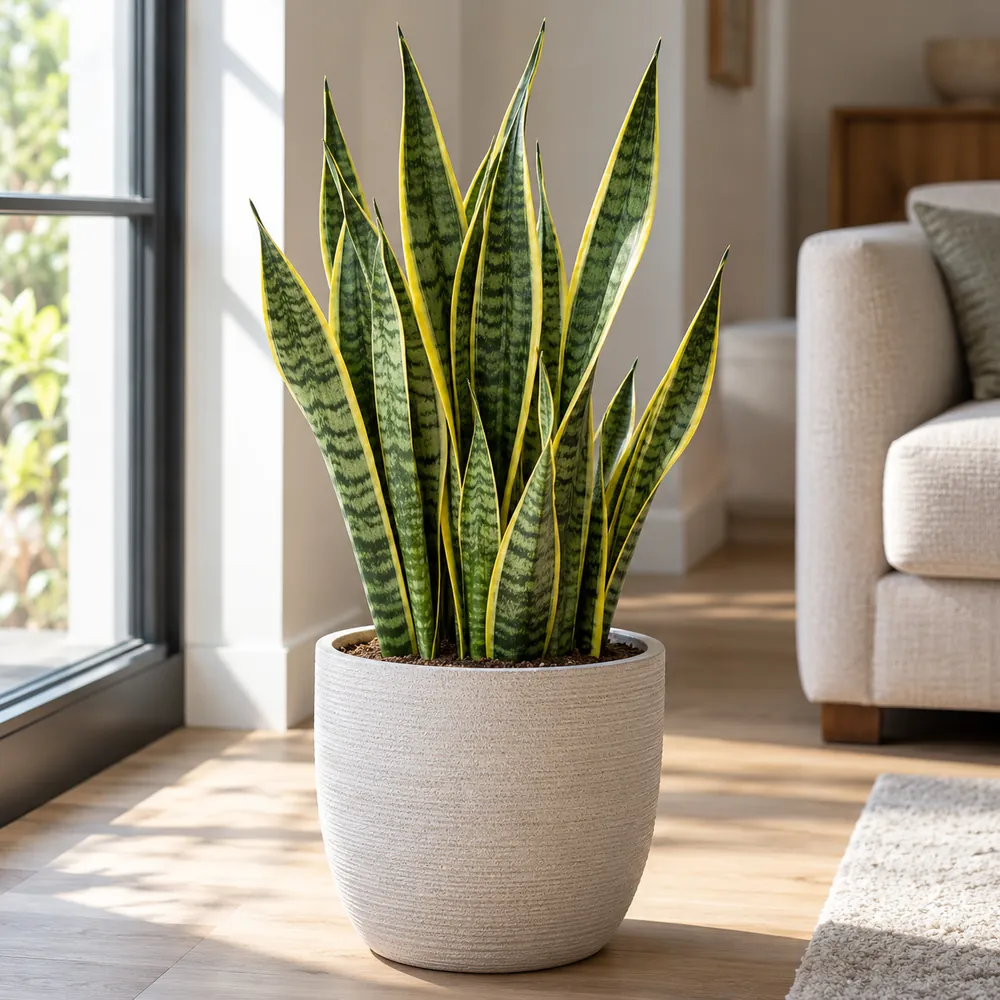
Illustration of Snake plant (Sansevieria trifasciata)

Snake plant

Toxic

Sansevieria trifasciata · family Agavaceae

Toxic principle:
Saponins
Signs:
Nausea, vomiting, diarrhea.
Good to know:
Also called mother-in-law's tongue.

Source: ASPCA — Snake Plant

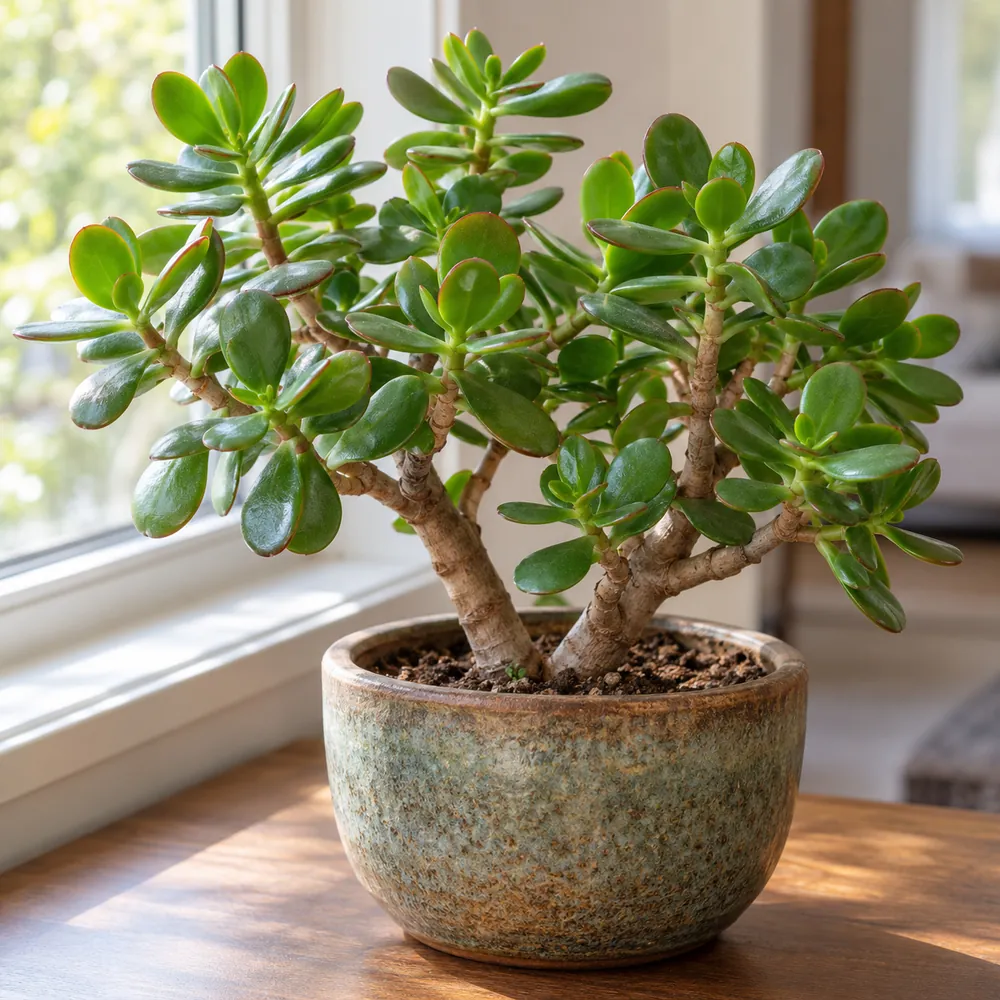
Illustration of Jade plant (Crassula argentea)

Jade plant

Toxic

Crassula argentea · family Crassulaceae

Toxic principle:
Unknown
Signs:
Vomiting, depression, incoordination
Good to know:
The ASPCA notes it is also sold as 'money plant' or 'lucky plant'. It is not the same plant as the money tree (Pachira aquatica), which is non-toxic.

Source: ASPCA — Jade Plant

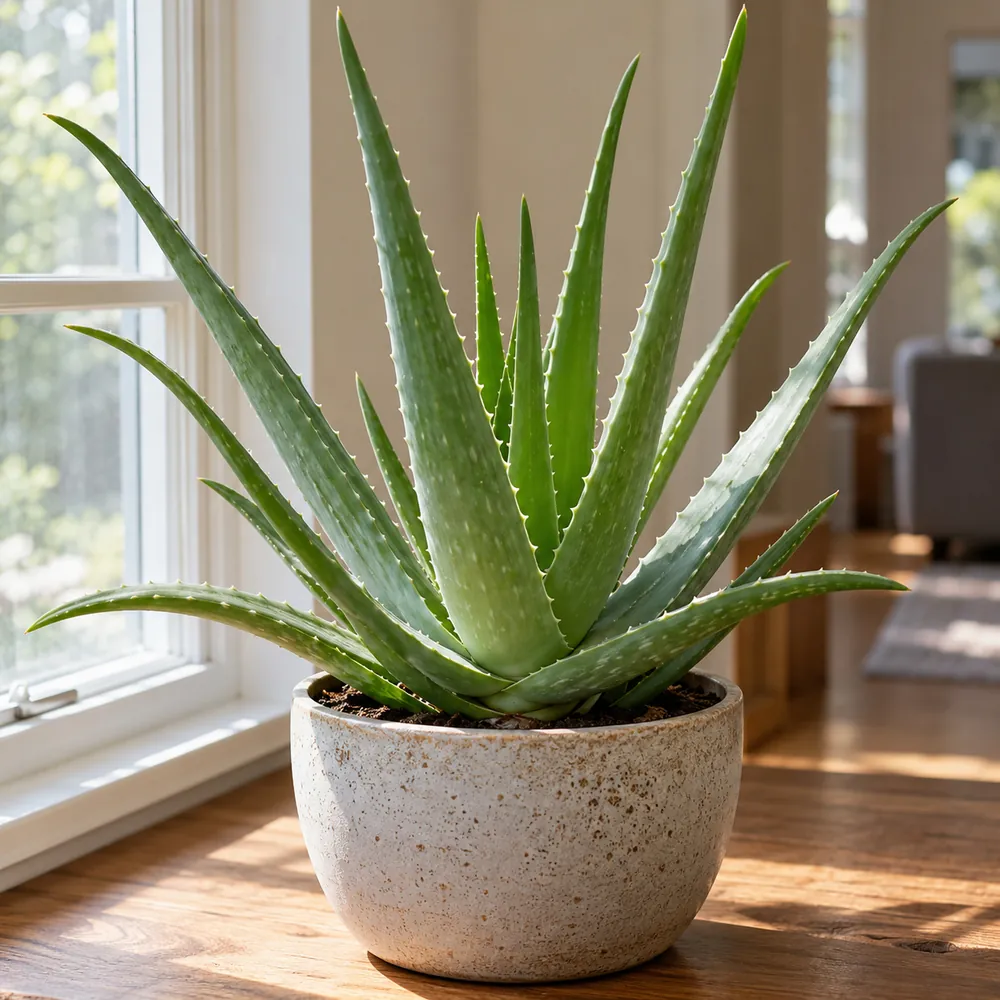
Illustration of Aloe vera (Aloe vera)

Aloe vera

Toxic

Aloe vera · family Liliaceae

Toxic principle:
Saponins, anthraquinones
Signs:
Vomiting, lethargy, diarrhea. The gel is considered edible.
Good to know:
ASPCA: the gel is considered edible, but the plant as a whole is listed as toxic to dogs.

Source: ASPCA — Aloe

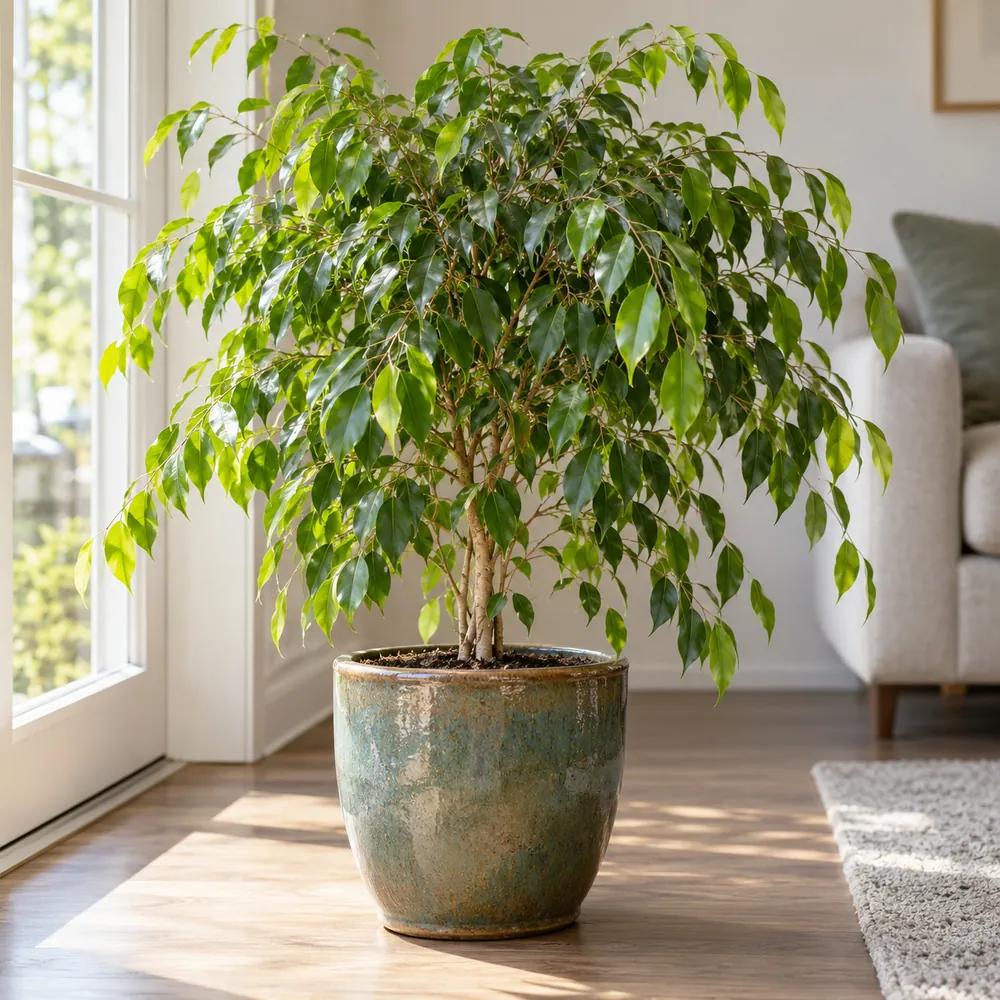
Illustration of Weeping fig (Ficus benjamina)

Weeping fig

Toxic

Ficus benjamina · family Moraceae

Toxic principle:
Proteolytic enzyme (ficin), psoralen (ficusin)
Good to know:
The ASPCA lists the same plant (Ficus benjamina) as 'Indian rubber plant' too.

Source: ASPCA — Weeping Fig

Toxic houseplants that burn the mouth (calcium oxalate) (14)

A big group of popular plants. Chewing releases tiny needle-like crystals that irritate the mouth and throat. It is painful and messy, but the ASPCA rates the severity as low and does not expect long-term effects.

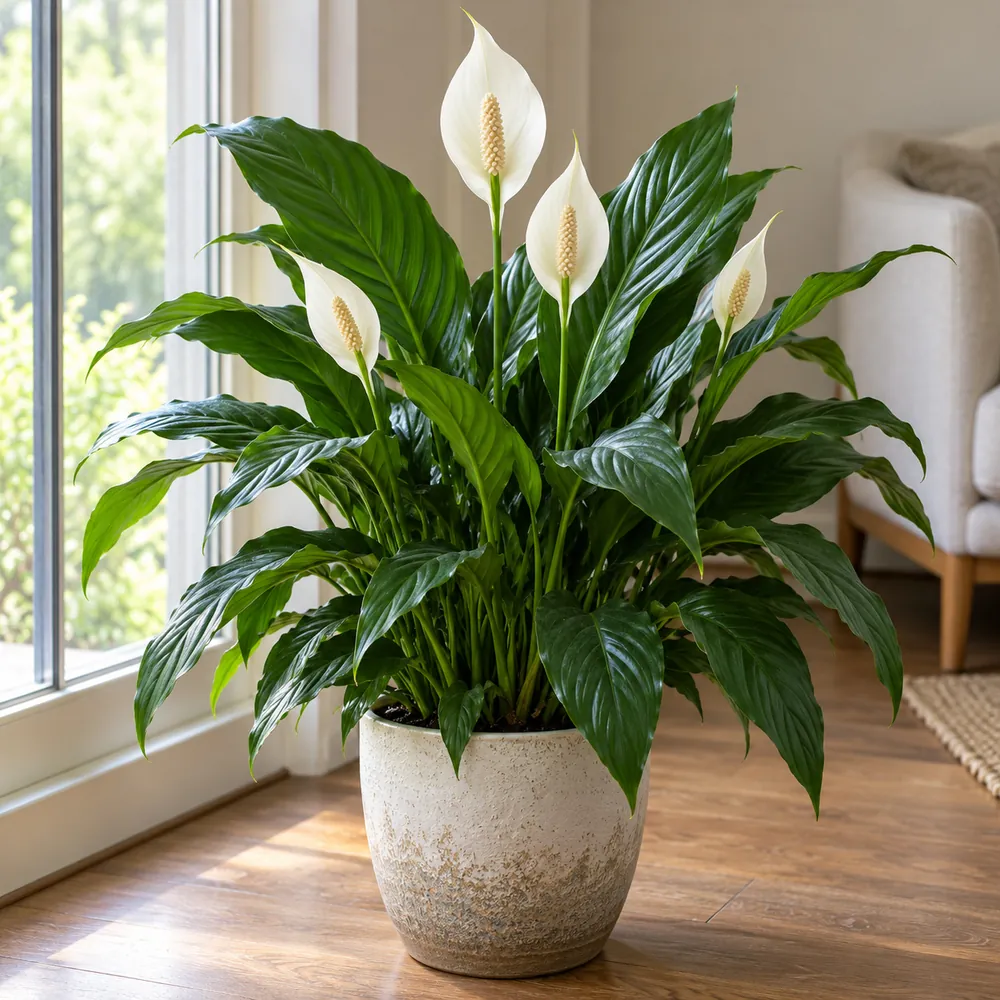
Illustration of Peace lily (Spathiphyllum spp.)

Peace lily

Toxic: mouth irritant

Spathiphyllum spp. · family Araceae

Toxic principle:
Insoluble calcium oxalates
Signs:
Oral irritation, intense burning and irritation of mouth, tongue and lips, excessive drooling, vomiting, difficulty swallowing.
Good to know:
Not a true lily. True lilies (Lilium) are a cat problem, not a dog one.

Source: ASPCA — Peace Lily

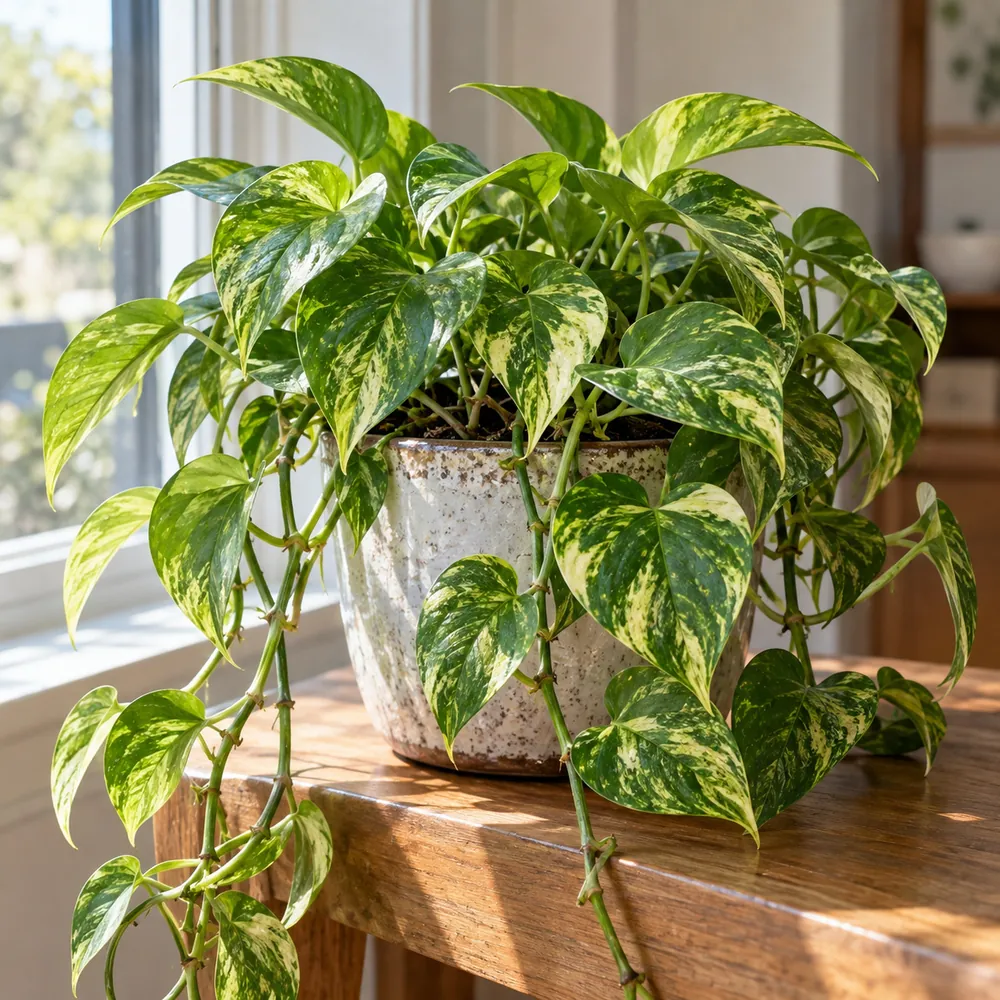
Illustration of Pothos (golden pothos, devil's ivy) (Epipremnum aureum)

Pothos (golden pothos, devil's ivy)

Toxic: mouth irritant

Epipremnum aureum · family Araceae

Toxic principle:
Insoluble calcium oxalates
Signs:
Oral irritation, intense burning and irritation of mouth, tongue and lips, excessive drooling, vomiting, difficulty swallowing.

Source: ASPCA — Golden Pothos

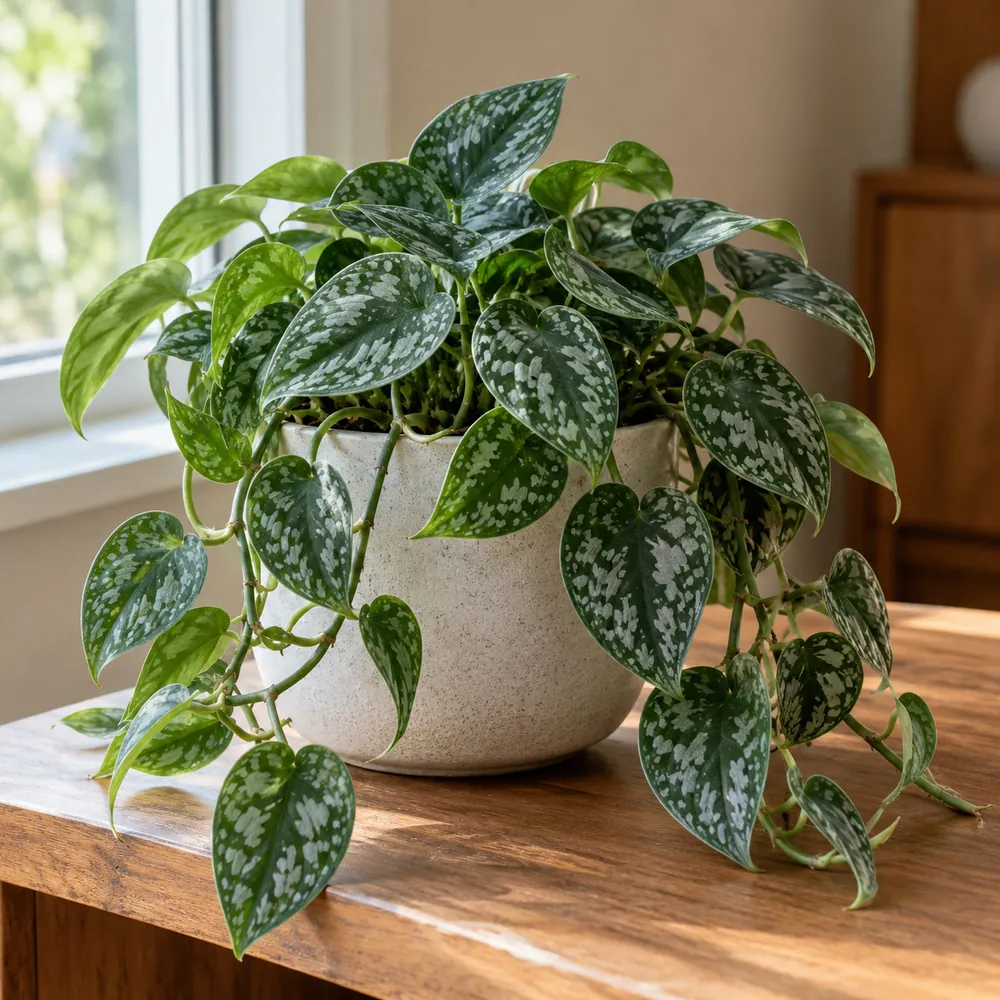
Illustration of Satin pothos (Scindapsus pictus)

Satin pothos

Toxic: mouth irritant

Scindapsus pictus · family Araceae

Toxic principle:
Insoluble calcium oxalates
Signs:
Oral irritation, pain and swelling of mouth, tongue and lips, excessive drooling, vomiting, difficulty swallowing

Source: ASPCA — Satin Pothos

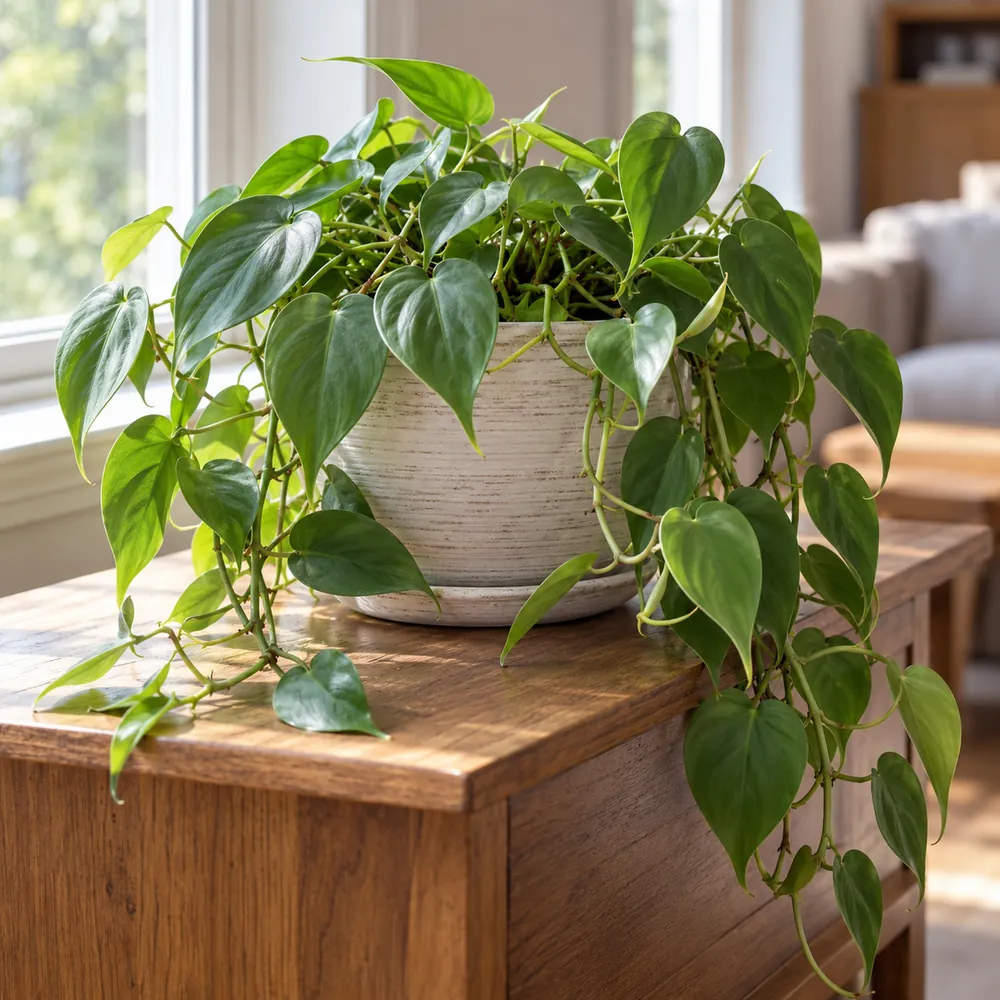
Illustration of Heartleaf philodendron (Philodendron hederaceum)

Heartleaf philodendron

Toxic: mouth irritant

Philodendron hederaceum · family Araceae

Toxic principle:
Insoluble calcium oxalates
Signs:
Oral irritation, pain and swelling of mouth, tongue and lips, excessive drooling, vomiting, difficulty swallowing

Source: ASPCA — Heartleaf Philodendron

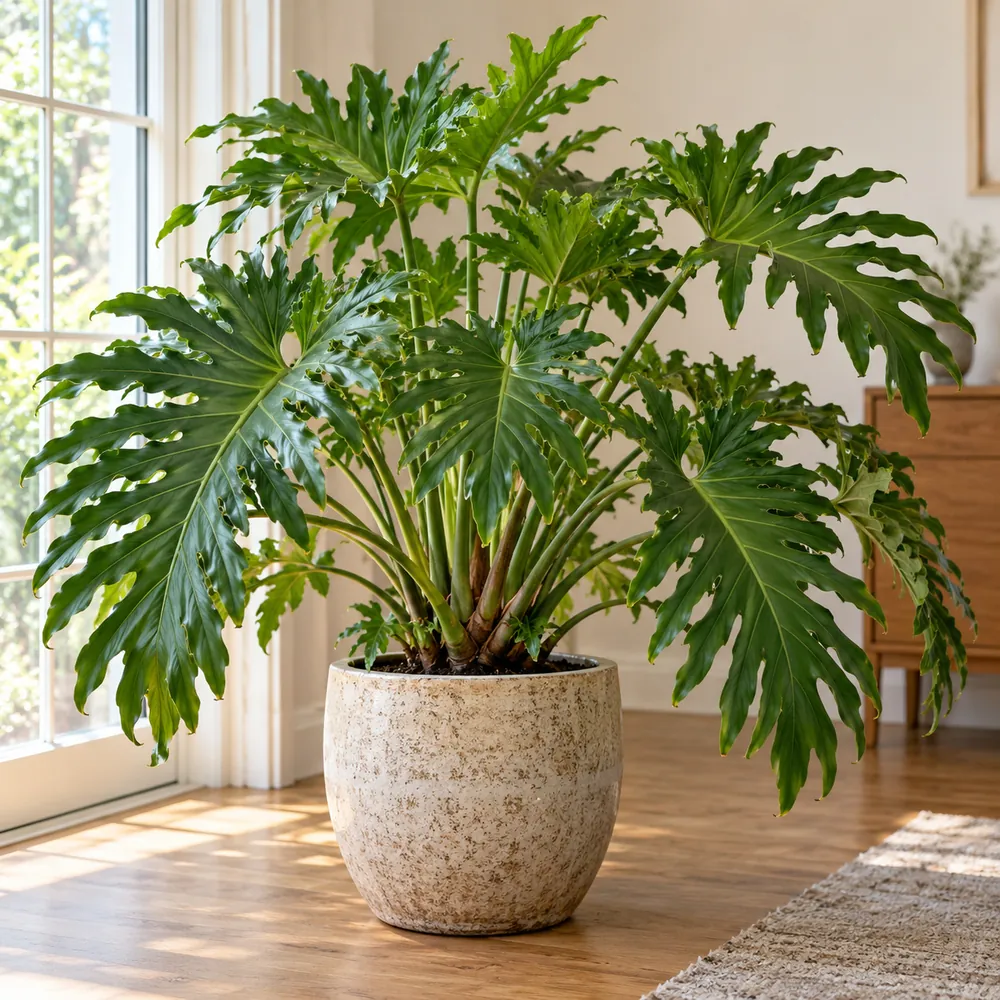
Illustration of Split-leaf philodendron (Philodendron bipennifolium)

Split-leaf philodendron

Toxic: mouth irritant

Philodendron bipennifolium · family Araceae

Toxic principle:
Insoluble calcium oxalates
Signs:
Oral irritation, intense burning and irritation of mouth, tongue and lips, excessive drooling, vomiting, difficulty swallowing.
Good to know:
Not the same plant as monstera, although both are often called 'split-leaf'.

Source: ASPCA — Split Leaf Philodendron

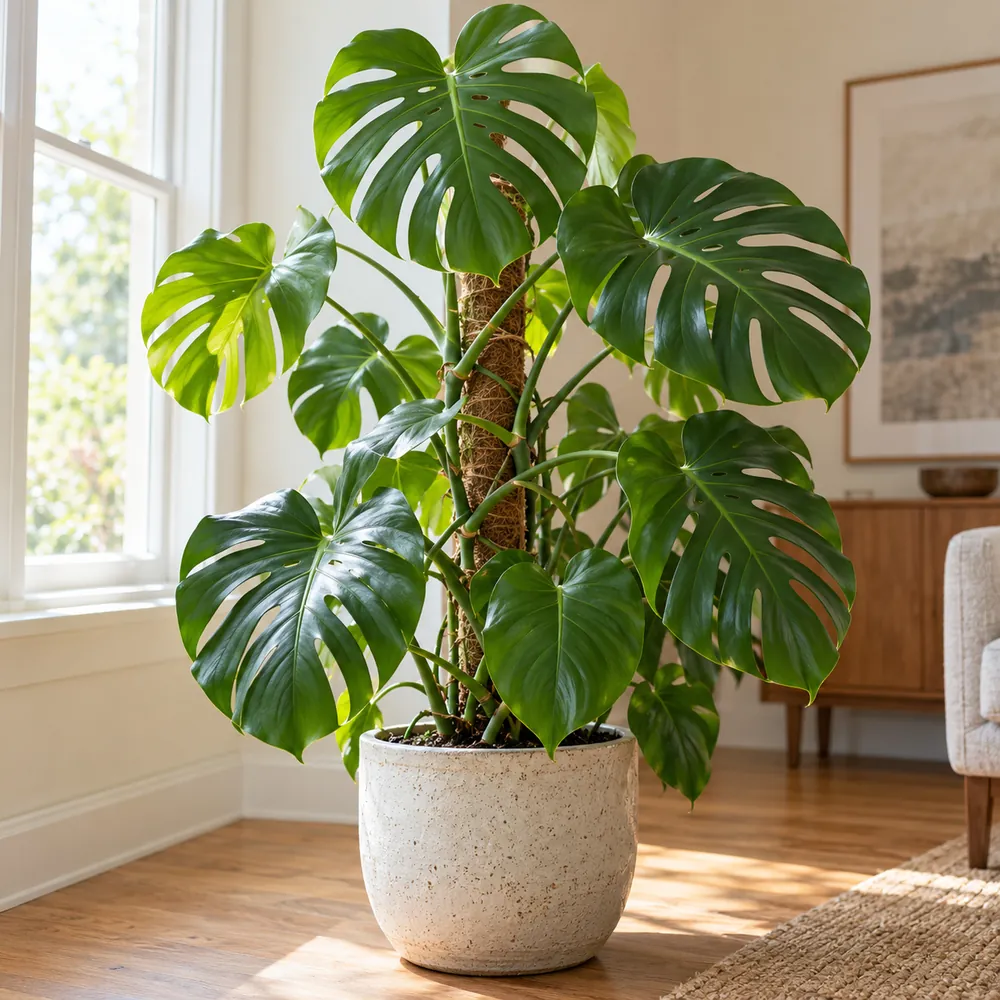
Illustration of Monstera (Swiss cheese plant) (Monstera deliciosa)

Monstera (Swiss cheese plant)

Toxic: mouth irritant

Monstera deliciosa · family Araceae

Toxic principle:
Insoluble calcium oxalates
Signs:
Oral irritation, intense burning and irritation of mouth, tongue and lips, excessive drooling, vomiting, difficulty swallowing.

Source: ASPCA — Swiss Cheese Plant

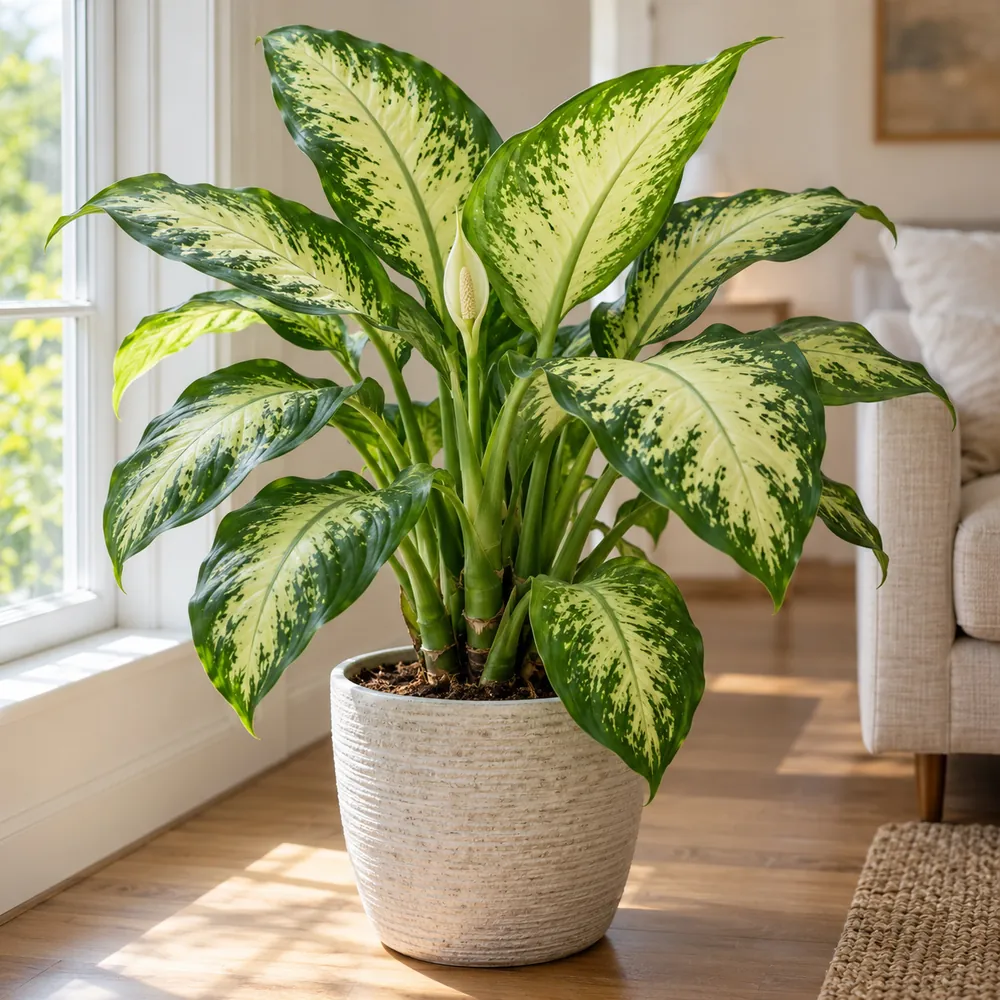
Illustration of Dieffenbachia (dumb cane) (Dieffenbachia spp.)

Dieffenbachia (dumb cane)

Toxic: mouth irritant

Dieffenbachia spp. · family Araceae

Toxic principle:
Insoluble calcium oxalates, proteolytic enzyme
Signs:
Oral irritation, intense burning and irritation of mouth , tongue and lips, excessive drooling, vomiting, difficulty swallowing
Good to know:
The ASPCA also lists a proteolytic enzyme, which adds to the irritation.
Source: ASPCA — Dieffenbachia

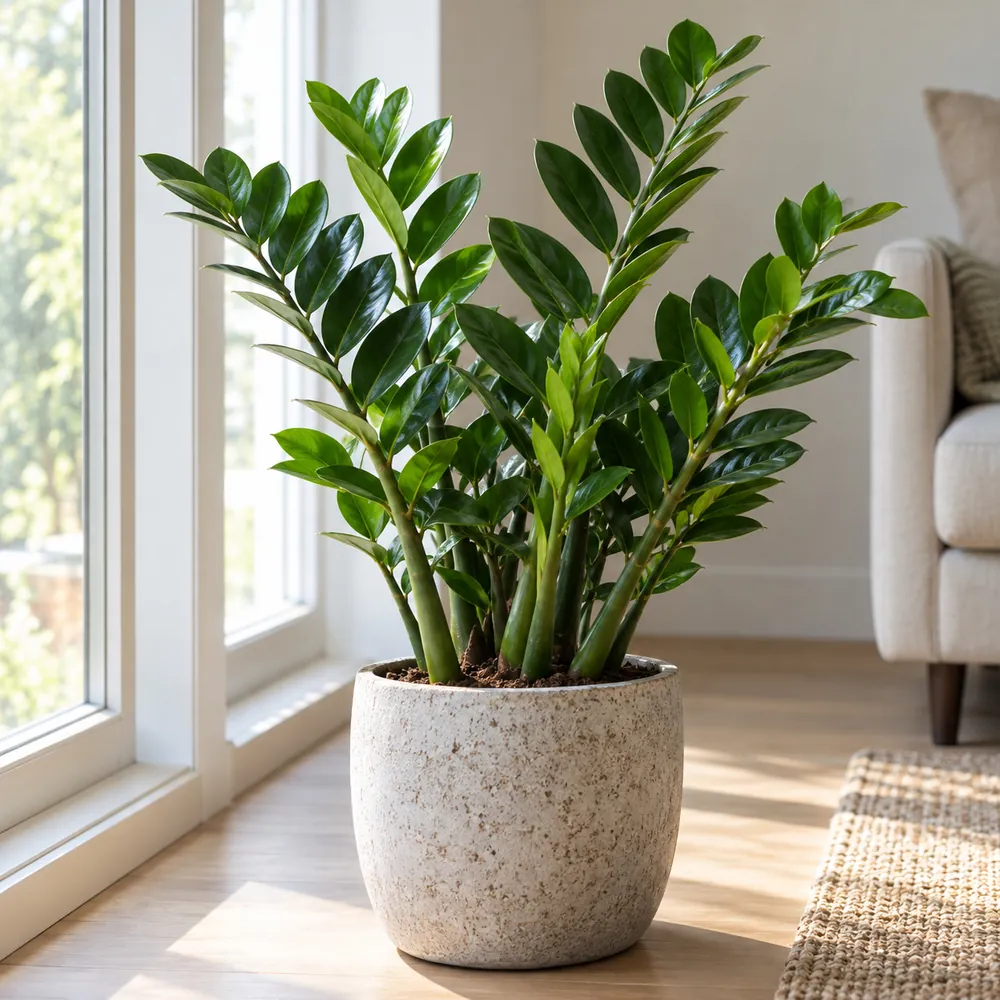
Illustration of ZZ plant (Zamioculcas zamiifolia)
ZZ plant

Toxic: mouth irritant

Zamioculcas zamiifolia

Toxic principle:
Insoluble calcium oxalate crystals (raphides)
Signs:
Drooling, retching, nausea, loss of appetite, vomiting, diarrhea, head shaking and pawing at the mouth. The ASPCA rates the severity as low.
Good to know:
Listed by the ASPCA in its article on oxalate houseplants. Long-term effects are not expected.

Source: ASPCA — These Houseplants Can Cause Trouble for Your Pets

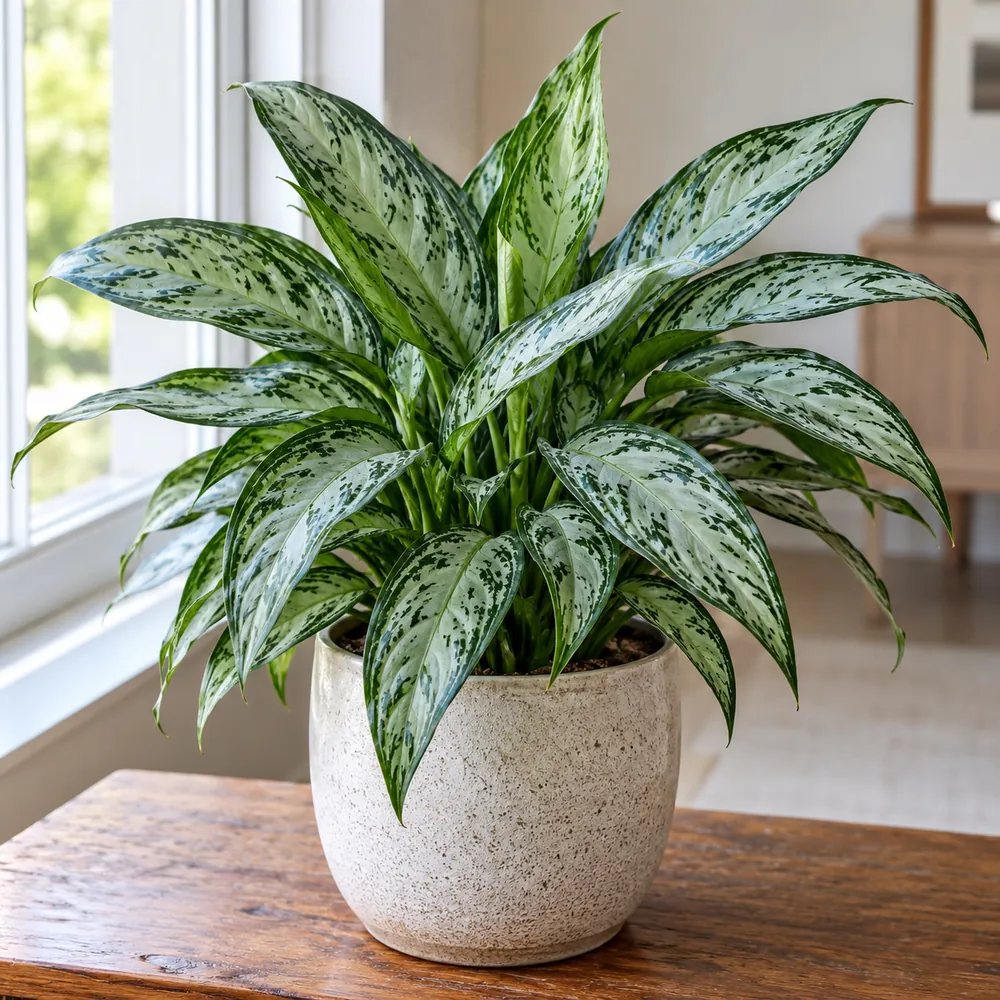
Illustration of Chinese evergreen (Aglaonema modestum)

Chinese evergreen

Toxic: mouth irritant

Aglaonema modestum · family Araceae

Toxic principle:
Insoluble calcium oxalates
Signs:
Oral irritation, pain and swelling of mouth, tongue and lips, excessive drooling, vomiting, difficulty swallowing

Source: ASPCA — Chinese Evergreen

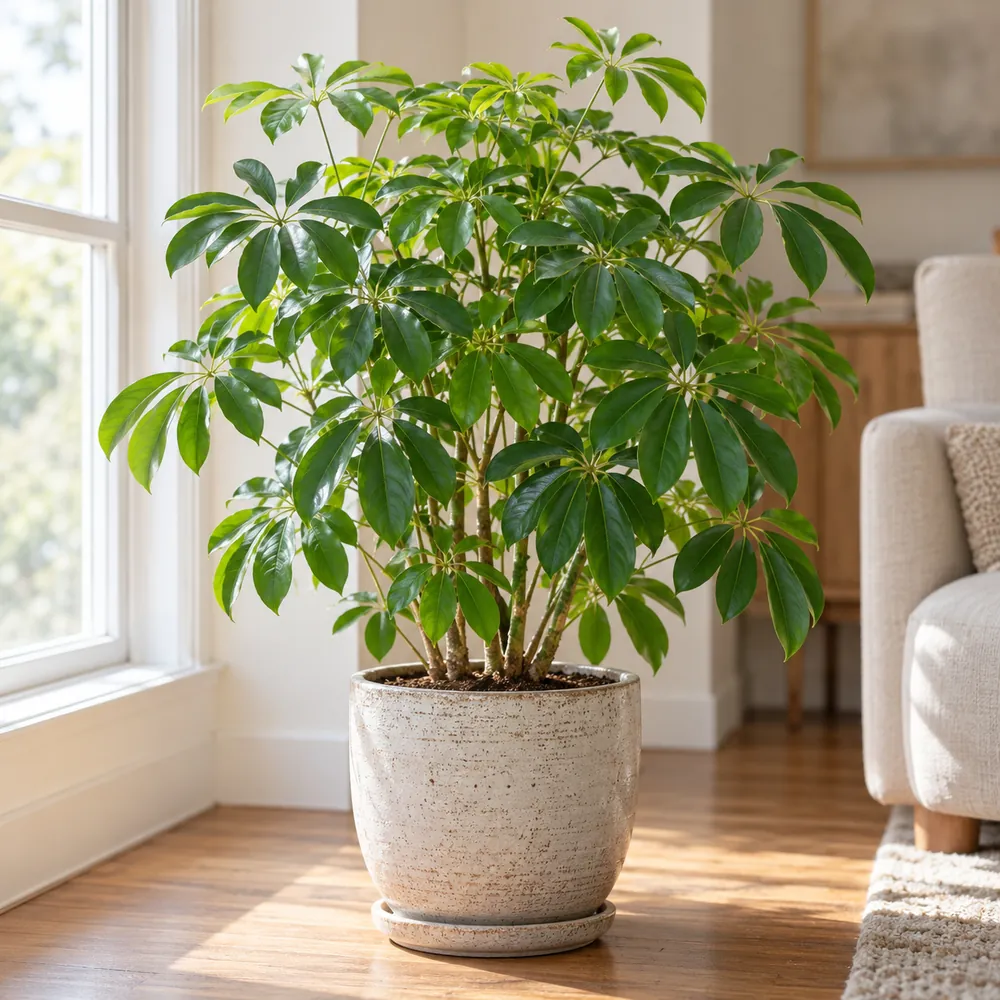
Illustration of Schefflera (umbrella tree) (Schefflera spp.)

Schefflera (umbrella tree)

Toxic: mouth irritant

Schefflera spp. · family Araliaceae

Toxic principle:
Calcium oxalate crystals
Signs:
Oral irritation, intense burning and irritation of the mouth, lips, tongue, excessive drooling, vomiting, difficulty in swallowing.

Source: ASPCA — Schefflera

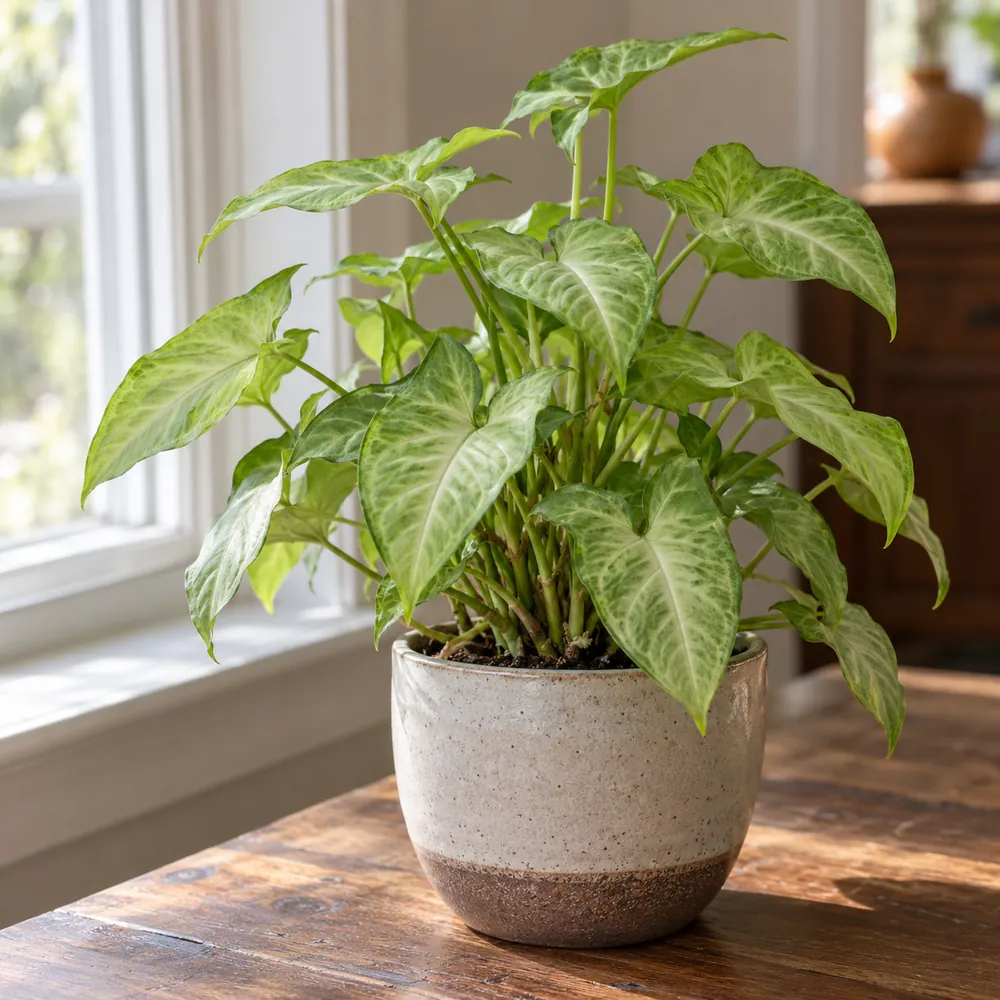
Illustration of Arrowhead plant (nephthytis) (Syngonium podophyllum)

Arrowhead plant (nephthytis)

Toxic: mouth irritant

Syngonium podophyllum · family Araceae

Toxic principle:
Insoluble calcium oxalates
Signs:
Oral irritation, pain and swelling of mouth, tongue and lips, excessive drooling, vomiting, difficulty swallowing

Source: ASPCA — Nephthytis

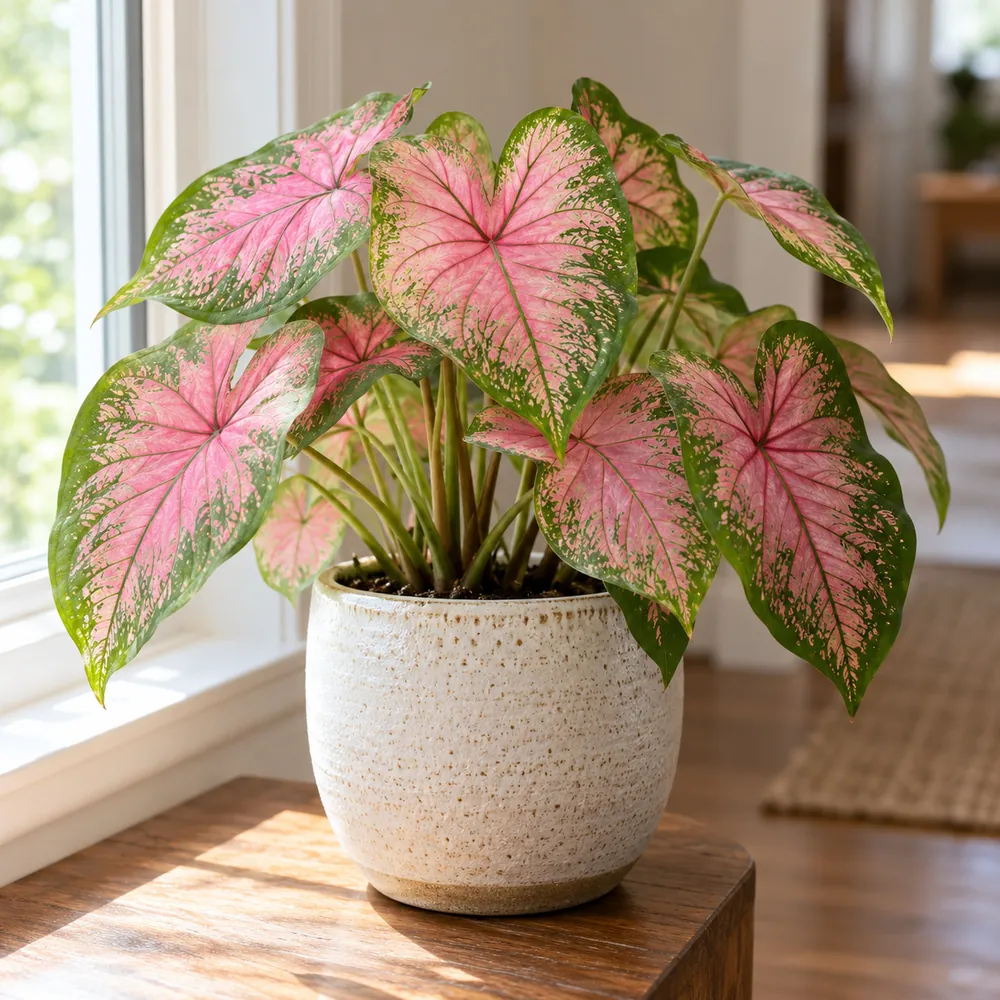
Illustration of Caladium (Caladium hortulanum)

Caladium

Toxic: mouth irritant

Caladium hortulanum · family Araceae

Toxic principle:
Insoluble calcium oxalates
Signs:
Oral irritation, pain and swelling of mouth, tongue and lips, excessive drooling, vomiting, difficulty swallowing

Source: ASPCA — Caladium

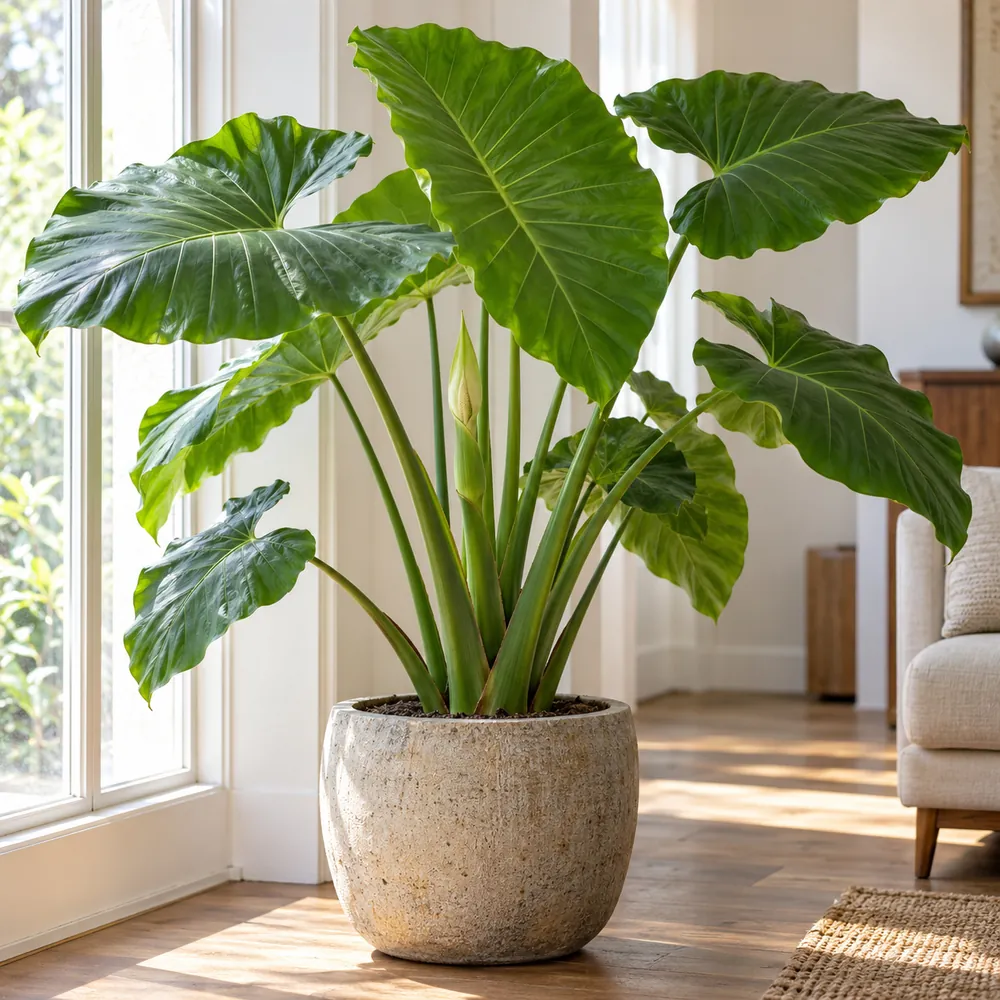
Illustration of Elephant ear (Colocasia / Alocasia spp.)

Elephant ear

Toxic: mouth irritant

Colocasia / Alocasia spp.

Toxic principle:
Insoluble calcium oxalate crystals (raphides)
Signs:
Drooling, retching, nausea, loss of appetite, vomiting, diarrhea, head shaking and pawing at the mouth. The ASPCA rates the severity as low.
Good to know:
Listed by the ASPCA in its article on oxalate houseplants.

Source: ASPCA — These Houseplants Can Cause Trouble for Your Pets

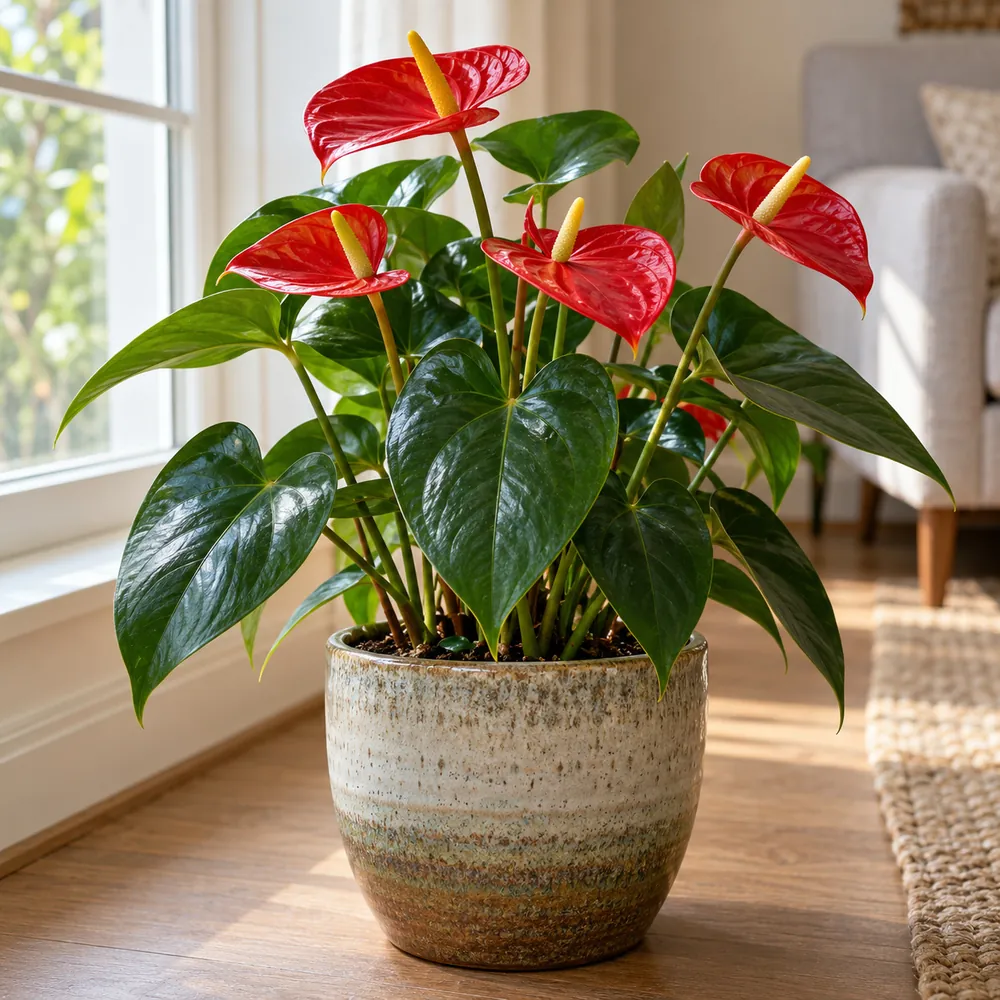
Illustration of Anthurium (flamingo plant) (Anthurium spp.)

Anthurium (flamingo plant)

Toxic: mouth irritant

Anthurium spp.

Toxic principle:
Insoluble calcium oxalate crystals (raphides)
Signs:
Drooling, retching, nausea, loss of appetite, vomiting, diarrhea, head shaking and pawing at the mouth. The ASPCA rates the severity as low.
Good to know:
Listed by the ASPCA in its article on oxalate houseplants.

Source: ASPCA — These Houseplants Can Cause Trouble for Your Pets

Mildly toxic houseplants (7)

Usually cause mild irritation or stomach upset, but still best kept out of reach.

Illustration of Fiddle-leaf fig (Ficus lyrata)

Fiddle-leaf fig

Mildly toxic

Ficus lyrata

Signs:
Mild GI irritation: vomiting and diarrhea. Sap may cause skin irritation.
Good to know:
ASPCA article: mildly toxic. Small ingestions risk mild GI irritation. Sap can cause skin irritation.

Source: ASPCA — Is That Houseplant Safe for Your Pets?

Illustration of Poinsettia (Euphorbia pulcherrima)

Poinsettia

Mildly toxic

Euphorbia pulcherrima · family Euphorbiaceae

Toxic principle:
Irritant sap
Signs:
Irritating to the mouth and stomach, sometimes causing vomiting, but generally over-rated in toxicity.
Good to know:
ASPCA: irritating to the mouth and stomach, but 'generally over-rated in toxicity'.

Source: ASPCA — Poinsettia

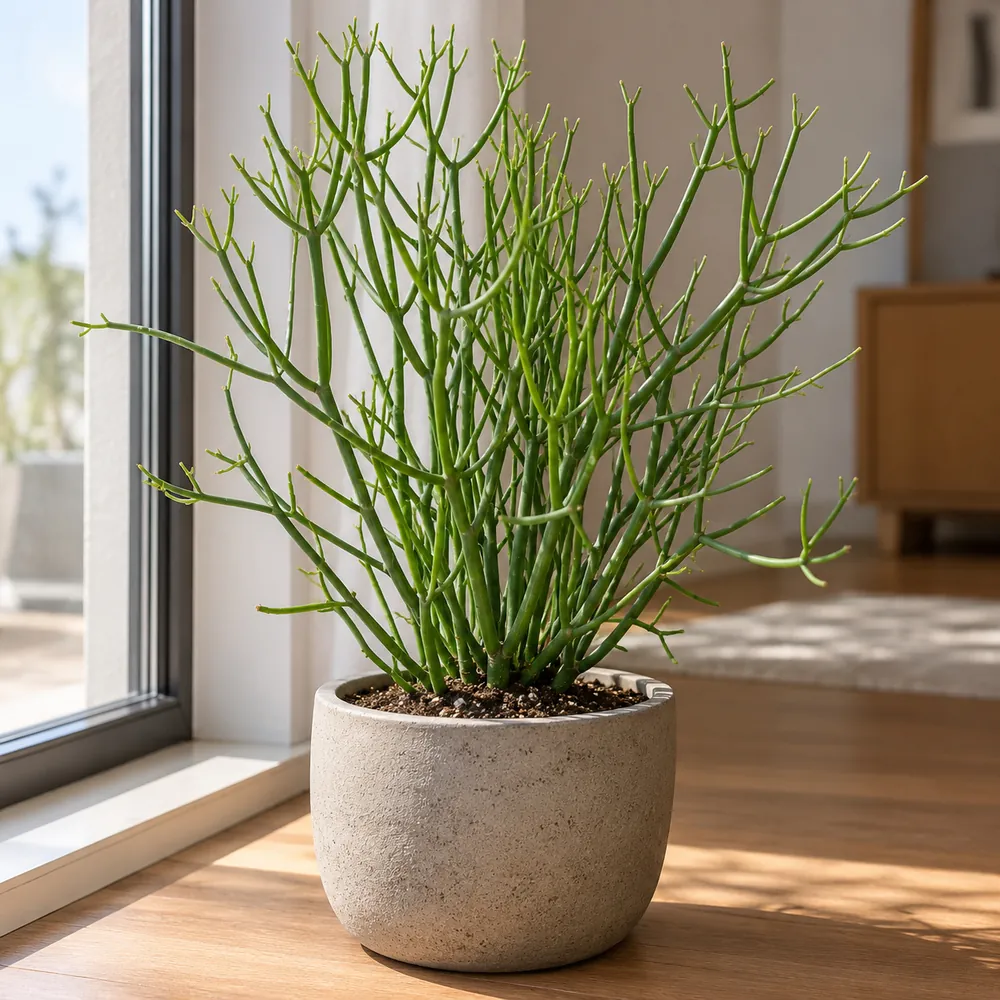
Illustration of Pencil cactus (Euphorbia tirucalli)

Pencil cactus

Mildly toxic

Euphorbia tirucalli · family Euphorbiaceae

Toxic principle:
Irritant Sap (latex)
Signs:
Irritating to the mouth and stomach, sometimes causing vomiting, but generally over-rated in toxicity.
Good to know:
ASPCA article: the white sap can also irritate the eyes.

Source: ASPCA — Pencil Cactus; ASPCA — Are Succulents Safe to Have Around Pets?

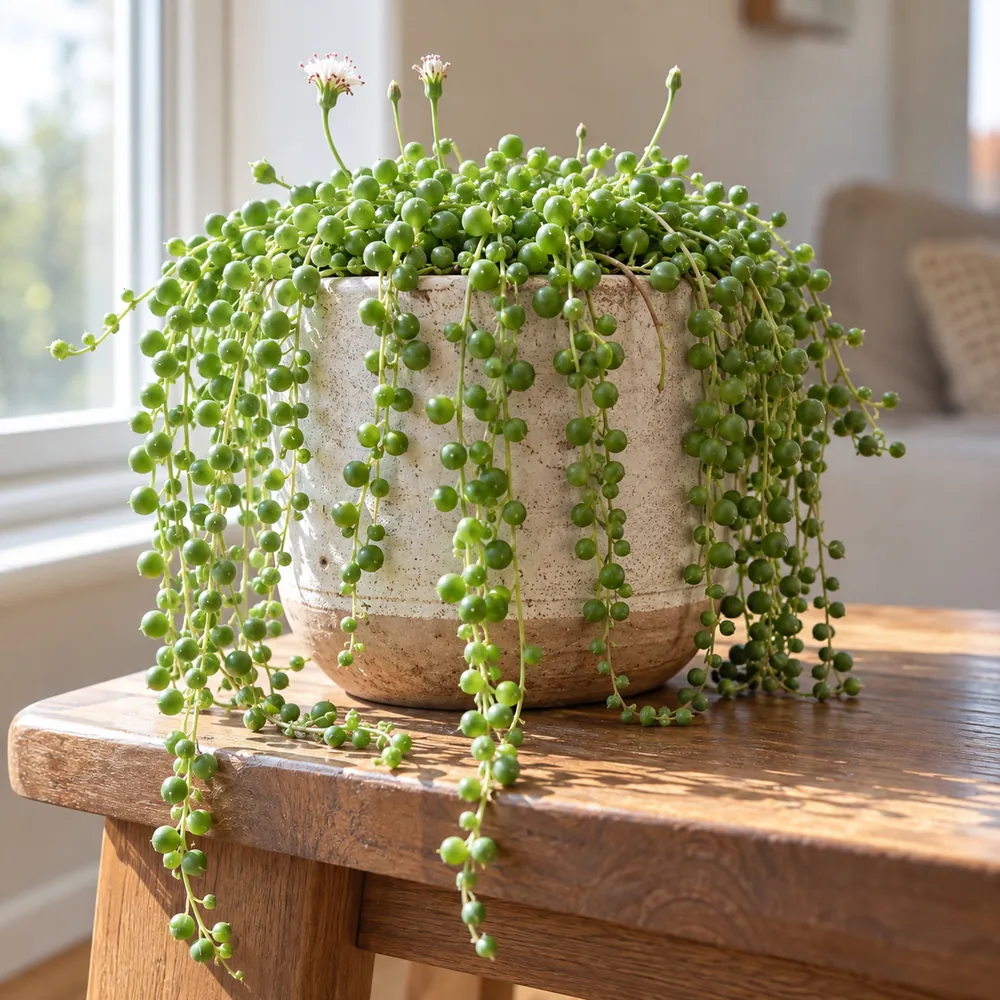
Illustration of String of pearls (Senecio rowleyanus)

String of pearls

Mildly toxic

Senecio rowleyanus

Signs:
Stomach upset, mainly vomiting, and lethargy.
Good to know:
ASPCA article: ingestion can cause stomach upset, mainly vomiting, and lethargy. Easy to keep out of reach because it hangs.

Source: ASPCA — Are Succulents Safe to Have Around Pets?

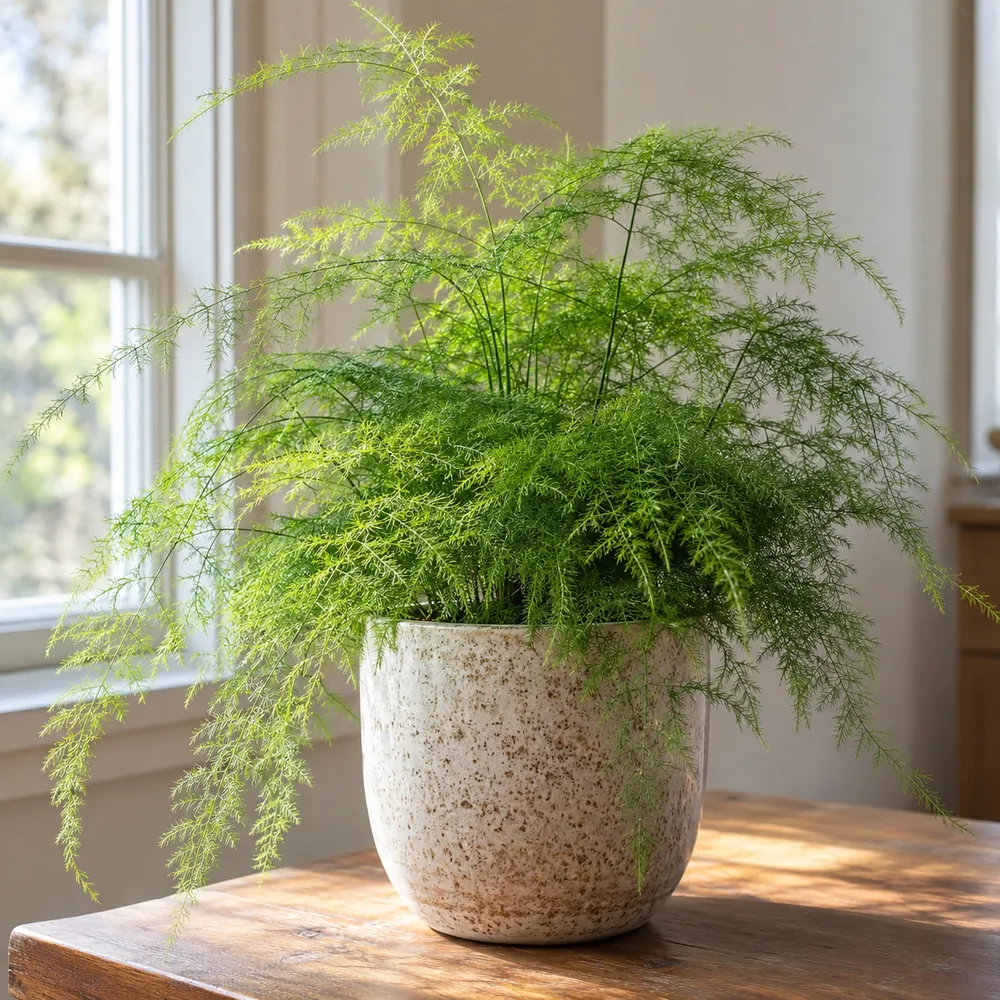
Illustration of Asparagus fern (Asparagus densiflorus)

Asparagus fern

Mildly toxic

Asparagus densiflorus · family Liliaceae

Signs:
Allergic dermatitis with repeated dermal exposure. Berry ingestion could result in gastric upset (vomiting, abdominal pain, or diarrhea).
Good to know:
Not a true fern. ASPCA: berries can cause gastric upset; repeated skin contact can cause dermatitis.

Source: ASPCA — Asparagus Fern

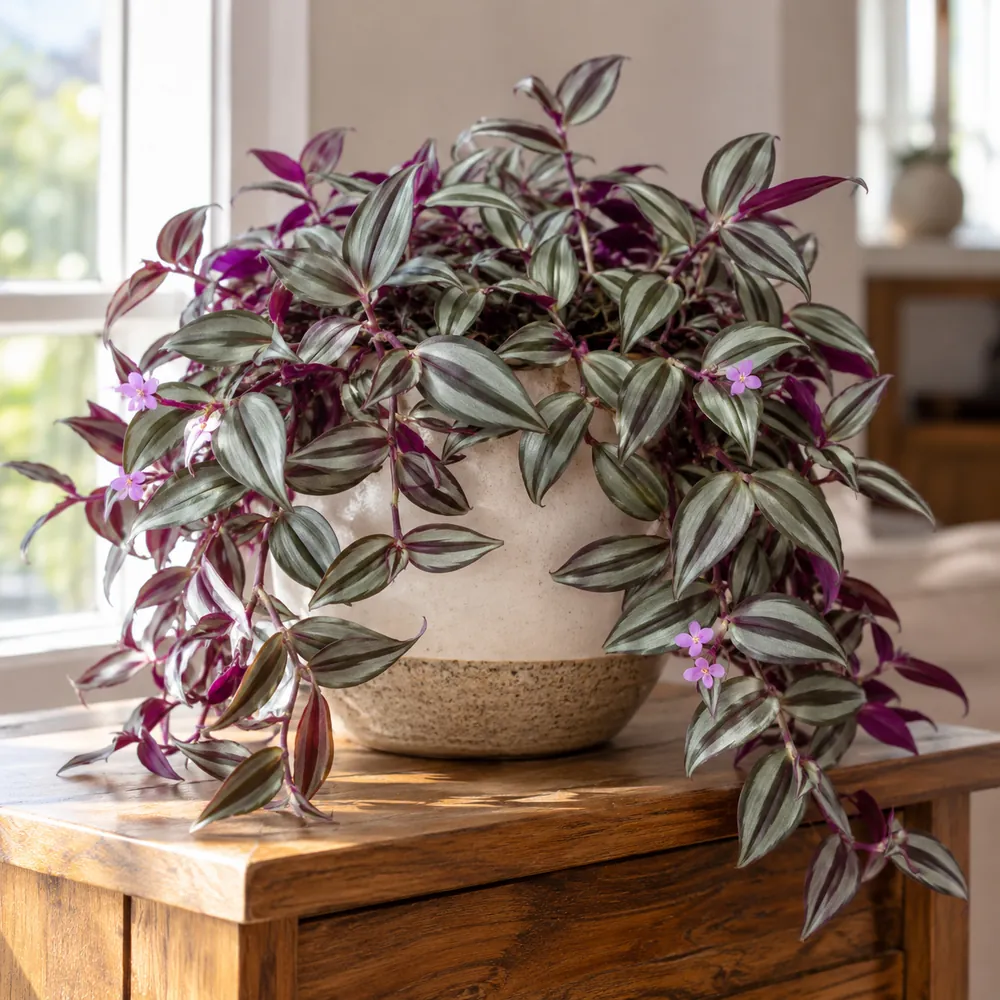
Illustration of Inch plant (wandering jew) (Tradescantia spp.)

Inch plant (wandering jew)

Mildly toxic

Tradescantia spp. · family Commelinaceae

Signs:
Dermatitis
Good to know:
The ASPCA lists dermatitis as the sign.

Source: ASPCA — Inch Plant

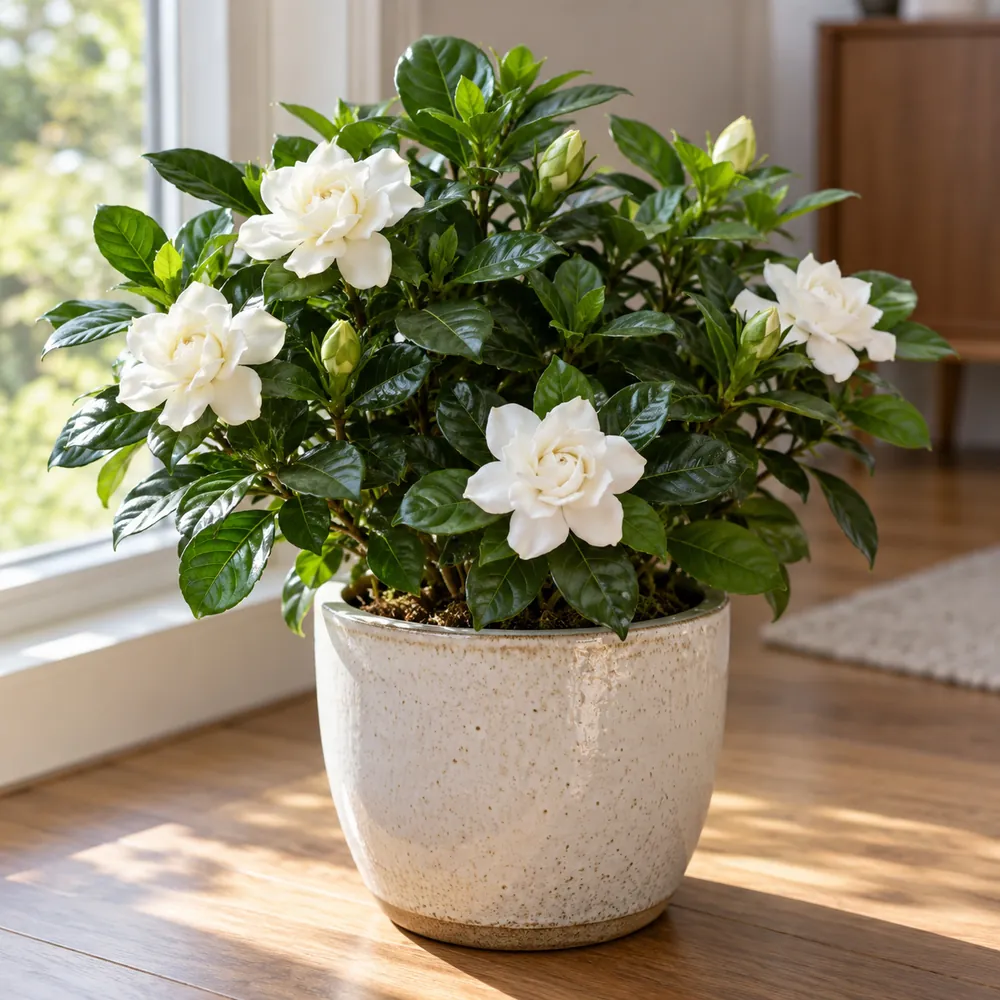
Illustration of Gardenia (Gardenia jasminoides)

Gardenia

Mildly toxic

Gardenia jasminoides · family Rubiaceae

Toxic principle:
Genioposide, gardenoside
Signs:
Mild vomiting and/or diarrhea, hives.

Source: ASPCA — Gardenia

Dog-safe houseplants (28)

The ASPCA lists these as non-toxic to dogs. Non-toxic does not mean no problem: any plant can cause mild stomach upset if a dog eats a lot of it.

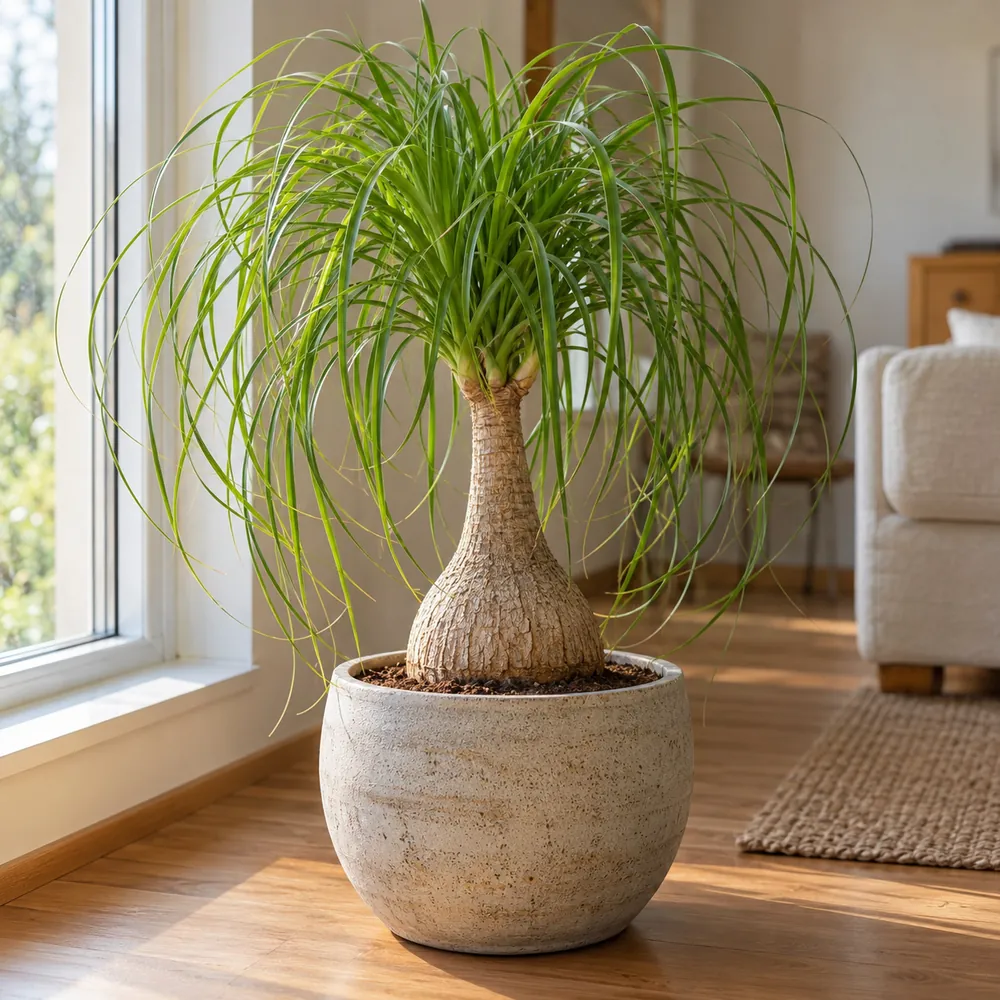
Illustration of Ponytail palm (Beaucarnea recurvata)

Ponytail palm

Safe for dogs

Beaucarnea recurvata · family Agavaceae

Good to know:
Not a true palm. The ASPCA also lists it as bottle palm.

Source: ASPCA — Pony Tail

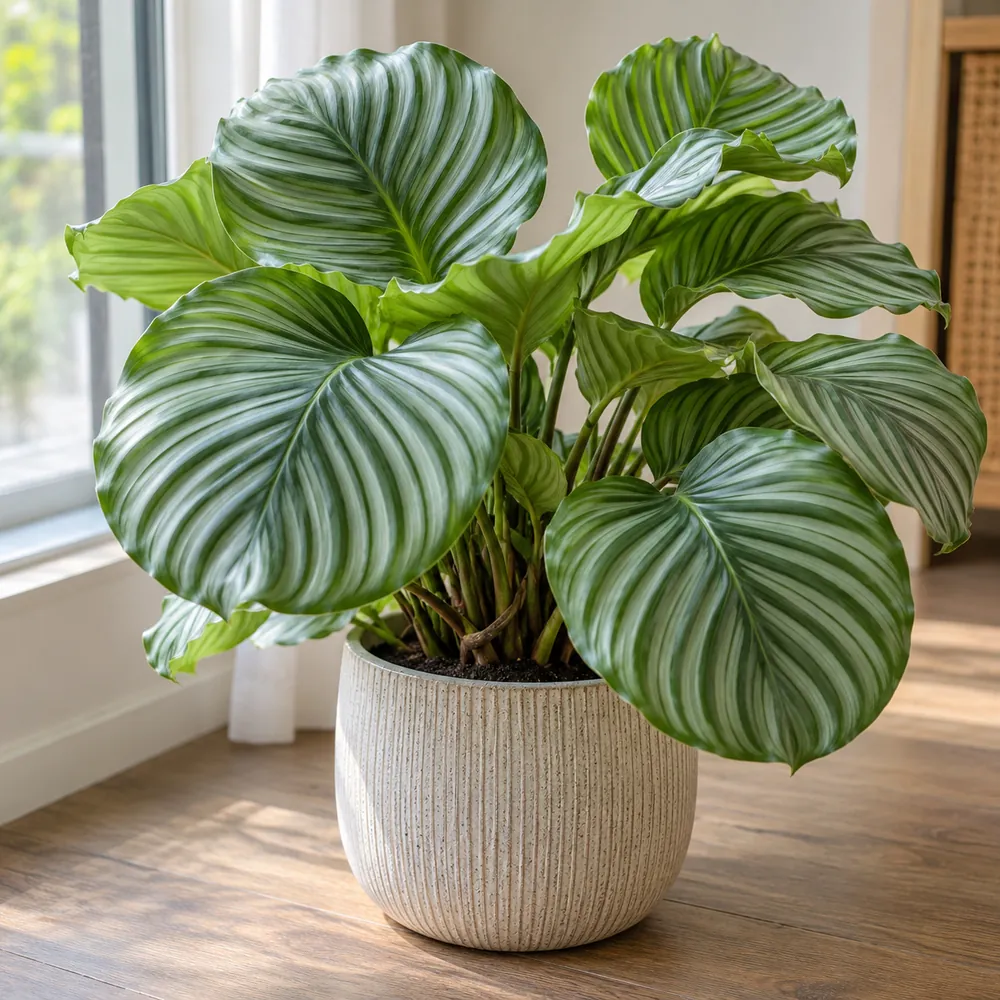
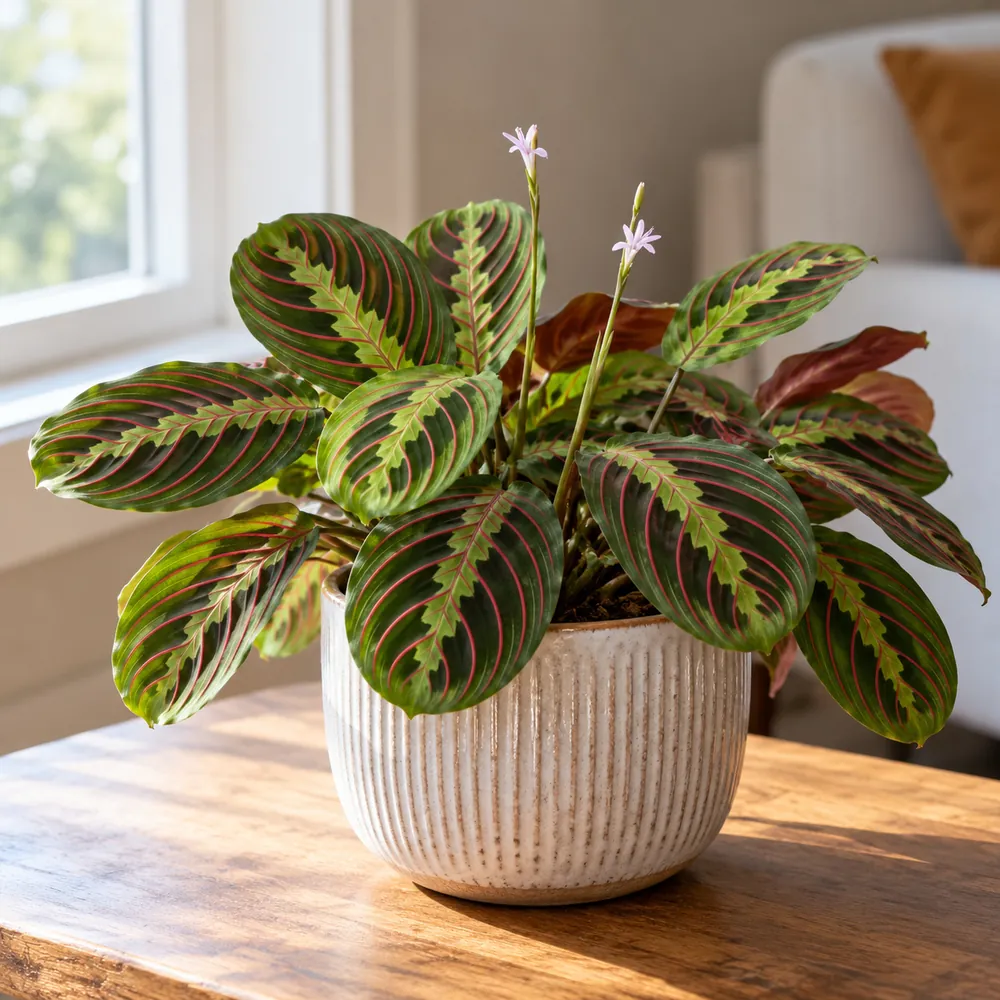
Illustration of Prayer plant (Maranta / Calathea)

Prayer plant

Safe for dogs

Maranta / Calathea · family Marantaceae

Good to know:
The ASPCA lists the prayer plant under Calathea insignis.

Source: ASPCA — Prayer Plant

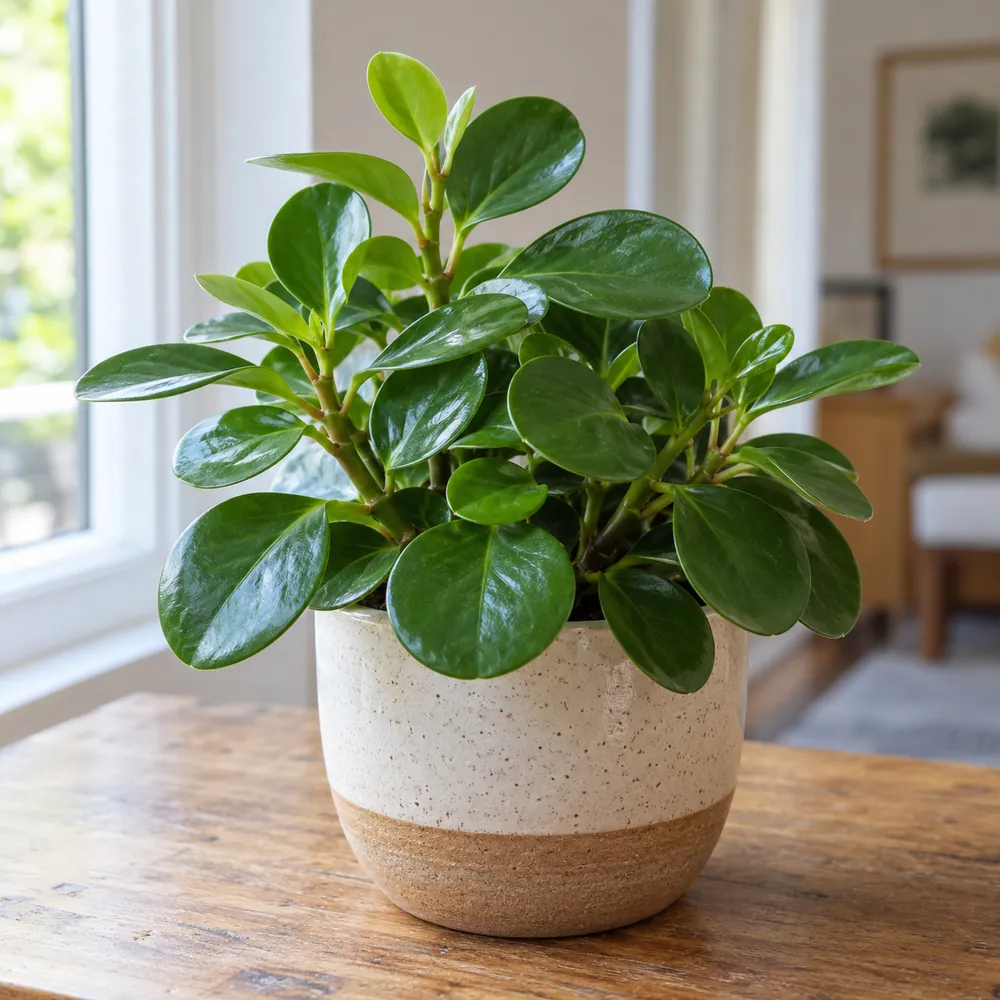
Illustration of Baby rubber plant (peperomia) (Peperomia obtusifolia)

Baby rubber plant (peperomia)

Safe for dogs

Peperomia obtusifolia · family Pipericeae

Good to know:
Not related to the rubber tree (Ficus elastica).

Source: ASPCA — American Rubber Plant

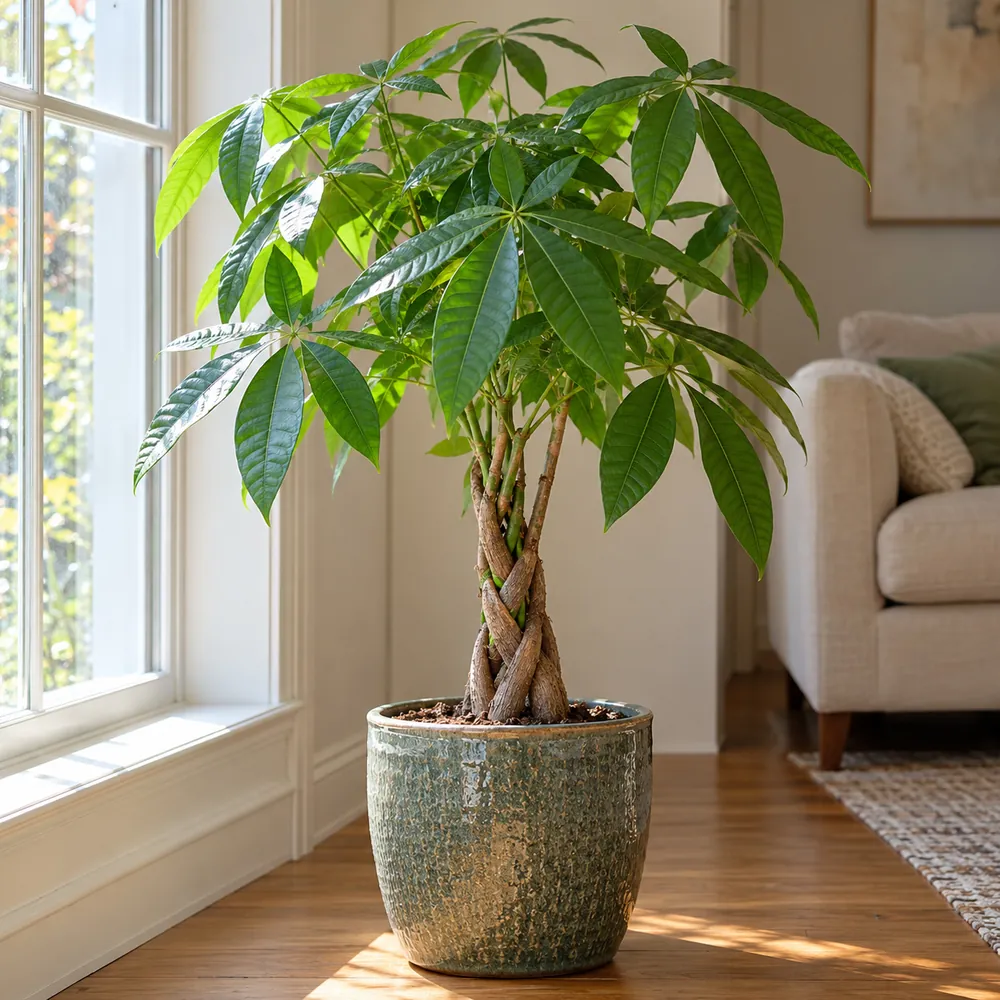
Illustration of Money tree (Pachira aquatica)

Money tree

Safe for dogs

Pachira aquatica · family Malvaceae

Good to know:
Not the same as the jade plant, which is also sold as a 'money tree' and is toxic. The ASPCA entry also lists these signs: Nausea, vomiting and loose stool.

Source: ASPCA — Money Tree

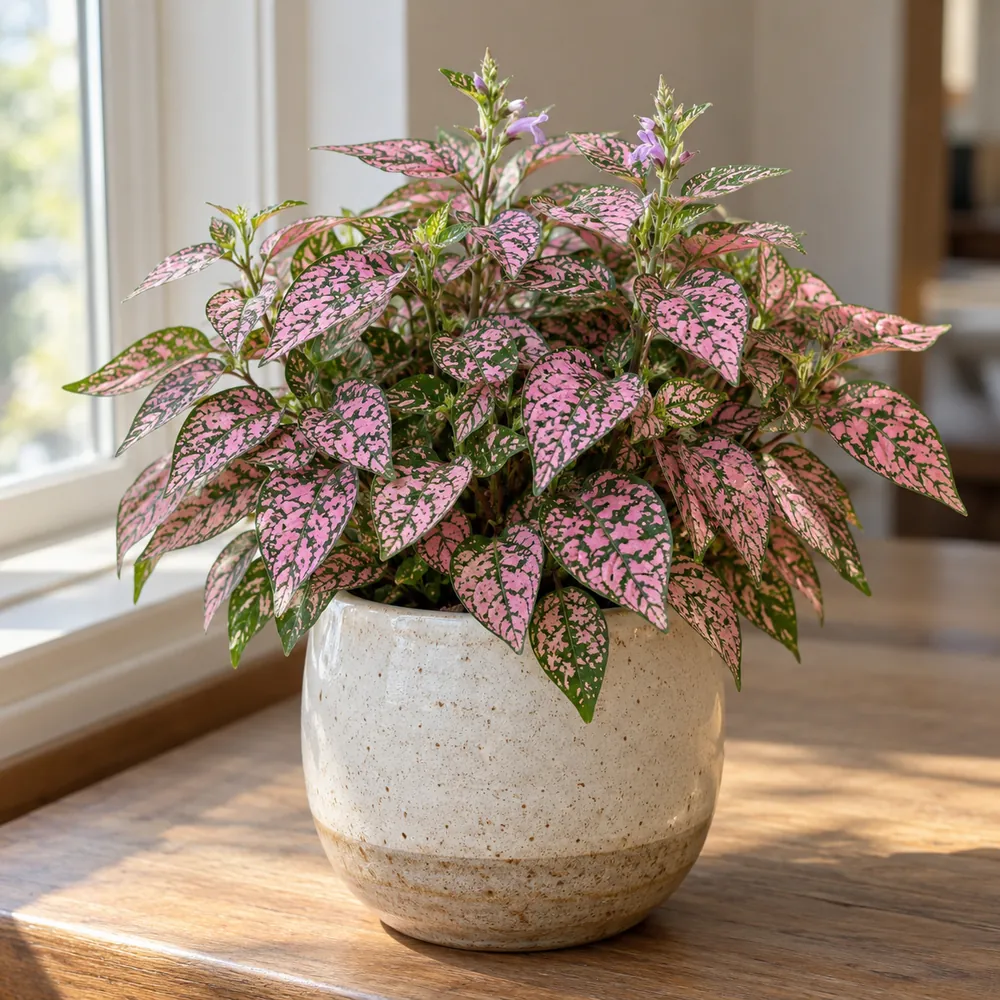
Illustration of Polka dot plant (Hypoestes phyllostachya)

Polka dot plant

Safe for dogs

Hypoestes phyllostachya · family Acanthaceae

Good to know:
The ASPCA entry also lists these signs: Mild vomiting, diarrhea.

Source: ASPCA — Polka Dot Plant

Illustration of Nerve plant (fittonia) (Fittonia verschaffeltii)

Nerve plant (fittonia)

Safe for dogs

Fittonia verschaffeltii · family Acanthaceae

Source: ASPCA — Nerve Plant

Illustration of Grape ivy (Cissus rhombifolia)

Grape ivy

Safe for dogs

Cissus rhombifolia · family Vitaceae

Good to know:
Not related to English ivy, which is toxic.

Source: ASPCA — Grape Ivy

Illustration of Swedish ivy (Plectranthus australis)

Swedish ivy

Safe for dogs

Plectranthus australis · family Pilea: Uriticaeae; Plectranthus: Lamiaceae

Good to know:
Not related to English ivy, which is toxic.

Source: ASPCA — Swedish Ivy

Frequently asked questions

Yes. The ASPCA lists peace lily (Spathiphyllum) as toxic to dogs. It contains insoluble calcium oxalates, which cause burning of the mouth, drooling, vomiting and difficulty swallowing. It is not a true lily.

True lilies (Lilium) are listed by the ASPCA as toxic to cats and non-toxic to dogs, though eating them can still upset a dog's stomach. If you also have a cat, keep all lilies out of the house.

Sago palm. The ASPCA says one or two seeds can be fatal, with vomiting, bloody diarrhea, jaundice and liver failure. Azalea is also serious, with cardiac failure among its listed signs.

No. Pothos (Epipremnum aureum) contains insoluble calcium oxalates and is listed as toxic to dogs. Expect oral irritation, drooling and vomiting.

The ASPCA lists aloe as toxic to dogs, with vomiting, lethargy and diarrhea. It notes that the gel is considered edible, but the plant is still listed as toxic to dogs.

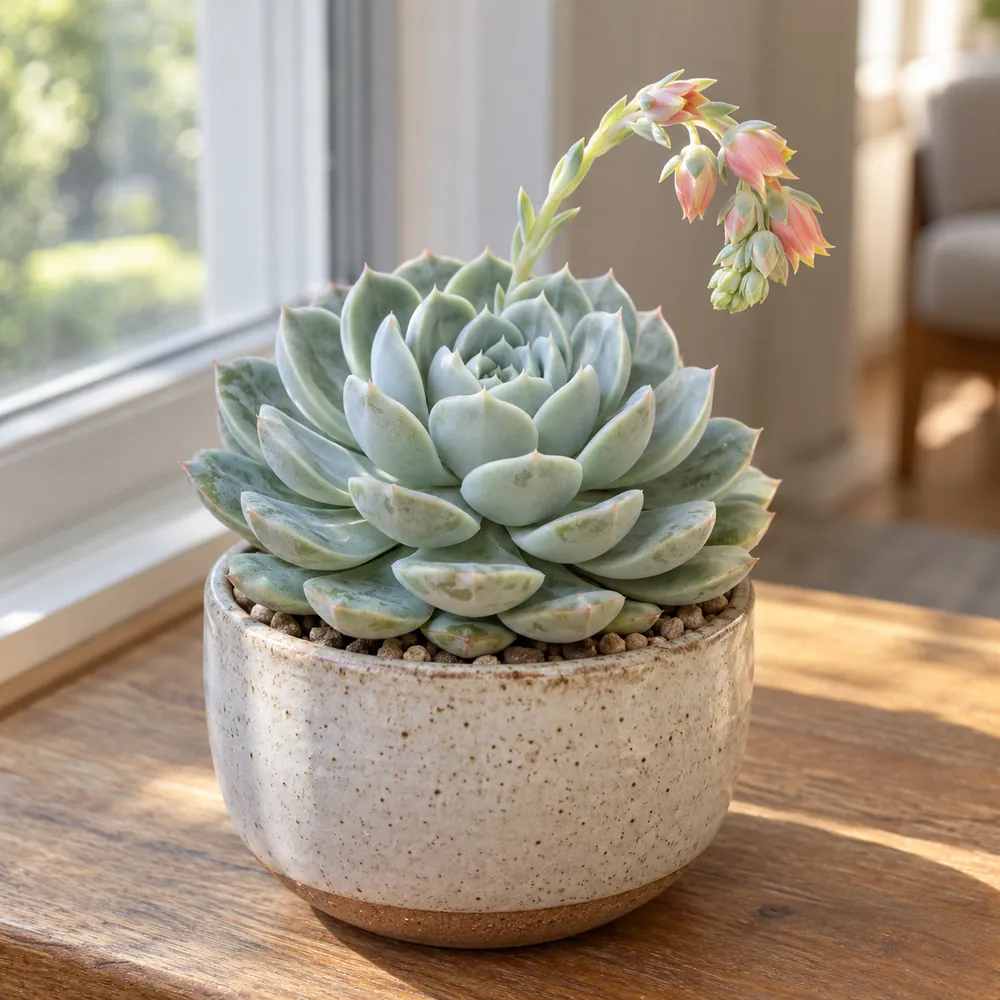
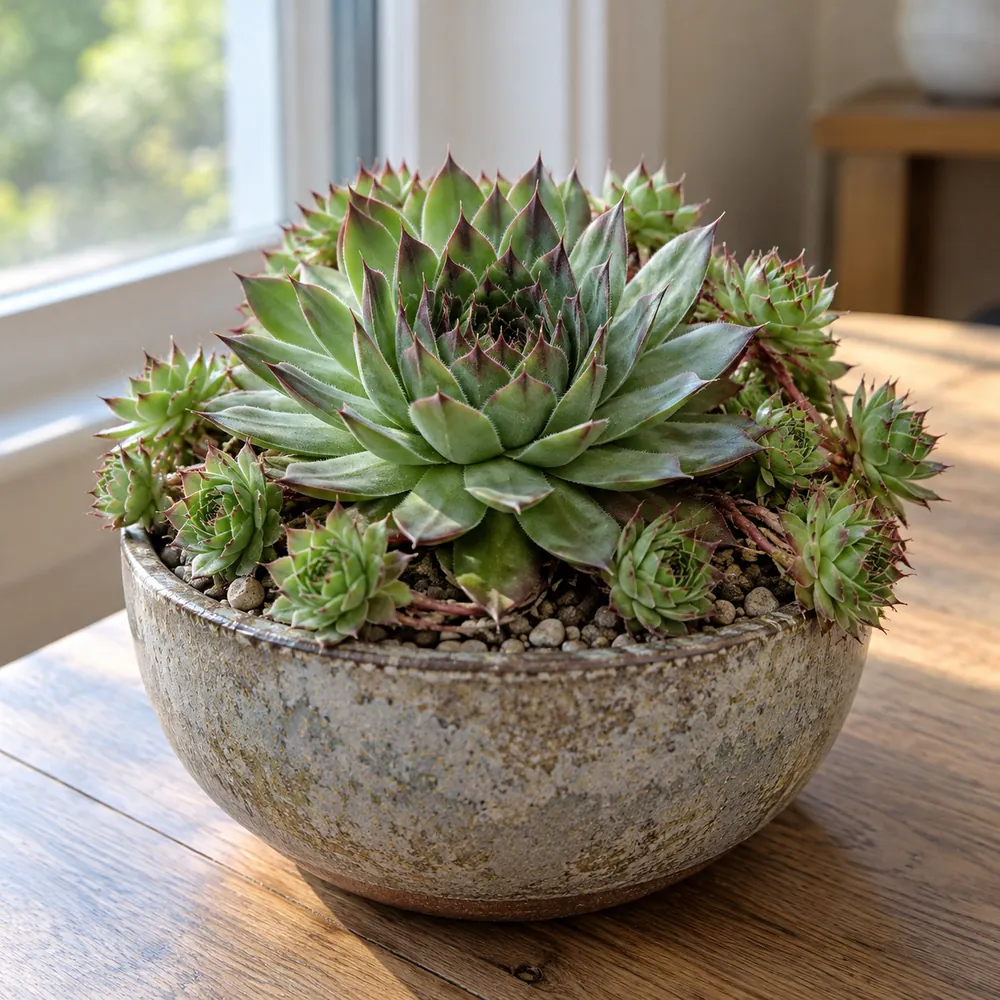
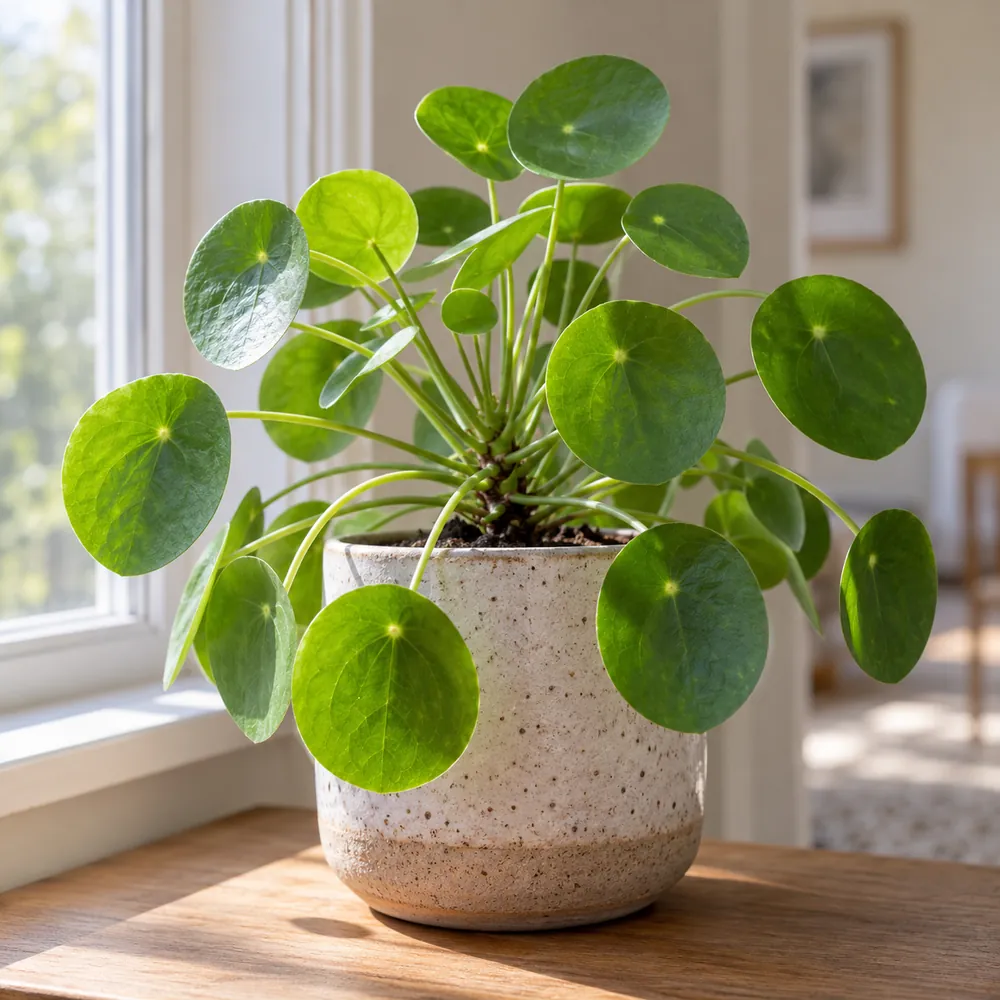
It depends on the succulent. Echeveria, hens and chicks, haworthia, burro's tail and Chinese money plant are non-toxic. Jade, snake plant, pencil cactus, aloe and string of pearls are toxic.

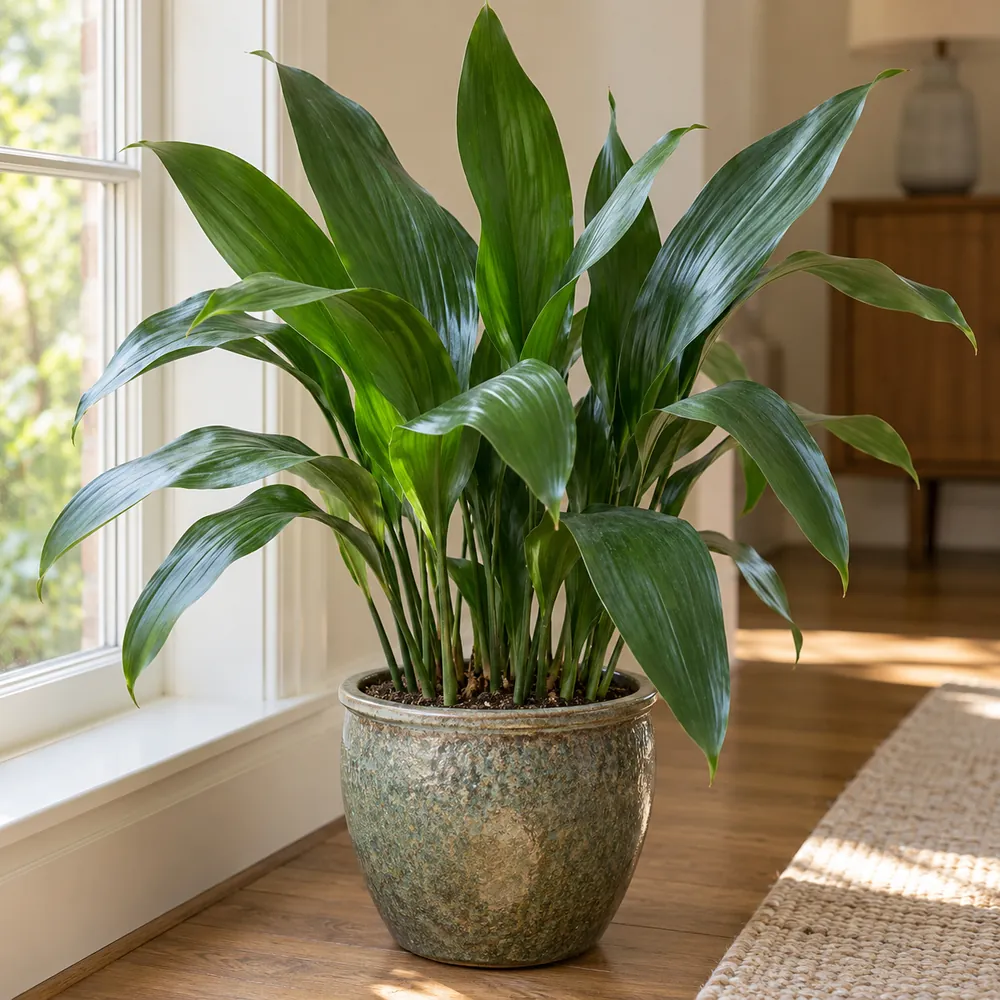
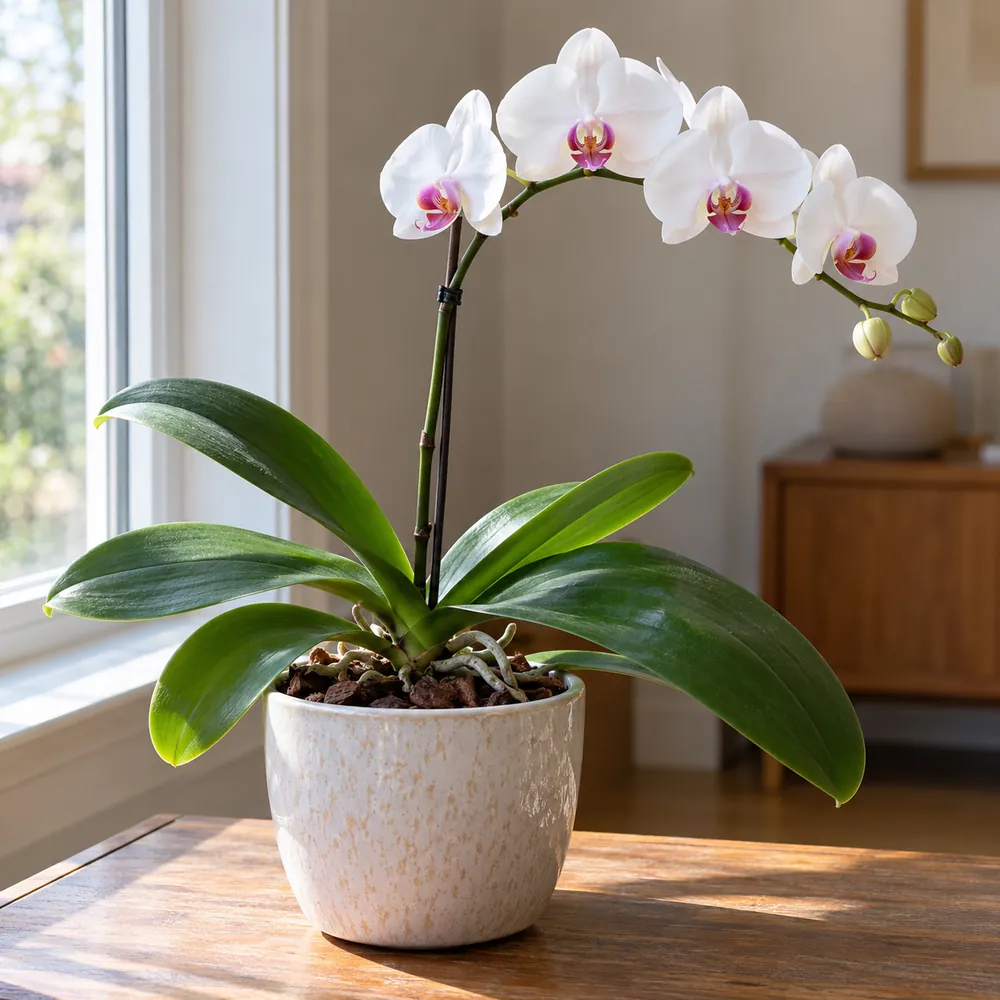
Spider plant, Boston fern, parlor palm, areca palm, kentia palm, ponytail palm, cast iron plant, calathea, prayer plant, African violet, Christmas cactus, moth orchid and money tree are all listed as non-toxic to dogs.

Check the name against this list and call your vet if it is a toxic plant, even if the dog seems well. Some effects, such as those of sago palm and azalea, can be serious and may not show immediately.

Sources

This guide is for general educational purposes and isn't a substitute for advice from your veterinarian. If your dog has eaten something potentially toxic or is showing concerning symptoms, contact a veterinarian promptly.