Straight answers on dog food
Can My Dog Eat This?
Dog on the kitchen floor, food on the counter, and a stare you can't ignore? Look up what's safe, what isn't and how much your dog can have.
Popular searches: BeefEggsBell PeppersAlmondsRice
How we label foods
Every food in our database carries one of four labels, always shown in words as well as colour.
Generally considered dog-friendly when served appropriately.
Can generally be eaten but portion size or preparation matters.
Not recommended for dogs.
Potentially dangerous and should not be intentionally fed to dogs.
Popular safe foods for dogs
See all foods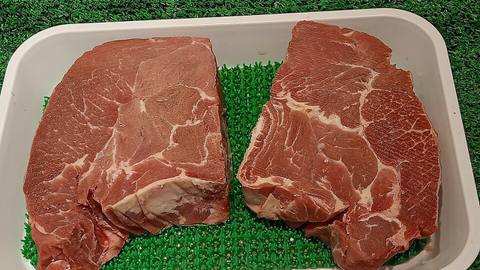
Meat
Beef
Plain cooked beef is a familiar protein that most dogs handle well as a treat or food topper. Cook it through, skip the seasoning, trim the excess fat and never include cooked bones. Beef alone isn't a complete diet.
Other
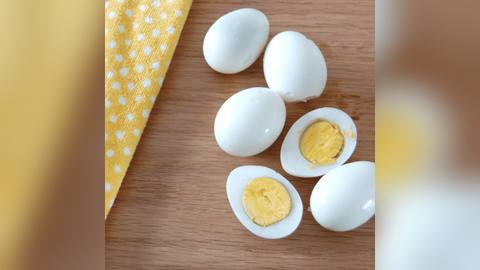
Eggs
Plain cooked eggs with no butter, oil, salt or seasoning are a common dog treat. Raw eggs carry a bacterial risk.
Vegetables
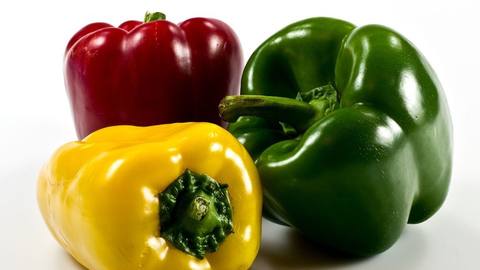
Bell Peppers
Sweet bell peppers of any colour aren't toxic to dogs. Serve them plain, with the stem removed and cut into manageable pieces. This doesn't apply to hot chilli peppers.
Grains
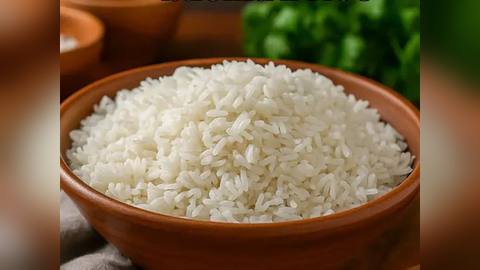
Rice
Plain, well-cooked rice with nothing added is a common ingredient in dog food and in vet-suggested bland meals.
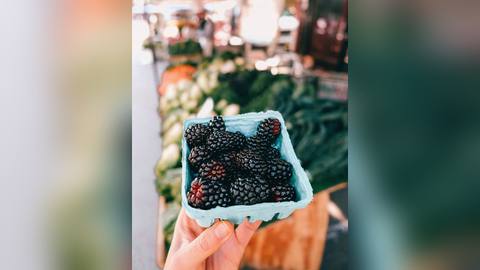
Fruit
Blackberries
Blackberries are one of the fruits dogs can eat. They're low in sugar for a fruit, high in fibre and antioxidants, and soft enough to need almost no preparation. Keep portions small and stick to plain berries, not sweetened products.
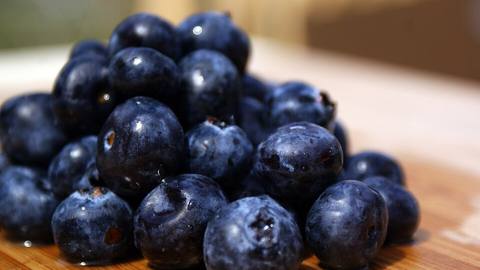
Fruit
Blueberries
Plain fresh or frozen blueberries are a popular, dog-friendly treat. Give a few at a time alongside a complete diet.
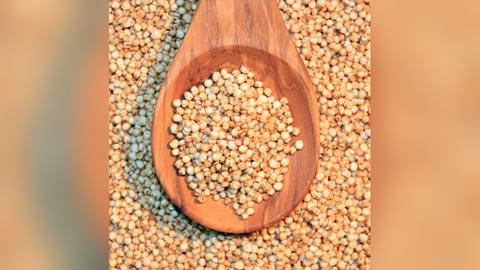
Grains
Quinoa
Plain cooked quinoa isn't considered toxic to dogs and appears in some commercial dog foods. Cook it thoroughly, serve it plain, and treat it as an extra rather than a replacement for a complete diet.
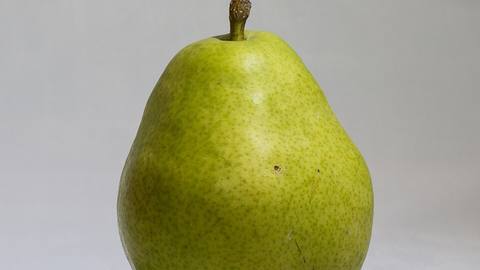
Fruit
Pears
Plain fresh pear is generally considered dog-friendly. The flesh is fibrous and juicy, but always remove the core and seeds, since pear seeds contain trace amounts of cyanide compounds, and canned or syrup-packed pear isn't suitable.
Most searched: foods to avoid or limit
Based on what dog owners search for most. Always check the label.
Nuts & Seeds
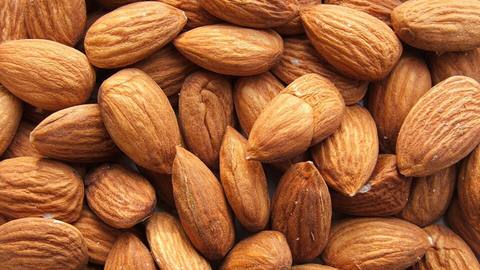
Almonds
Almonds aren't toxic to dogs the way macadamia nuts or grapes are. We'd skip them for practical reasons: whole nuts can choke or block, the fat can upset digestion, and most almond products are salted, coated or flavoured.
Fruit
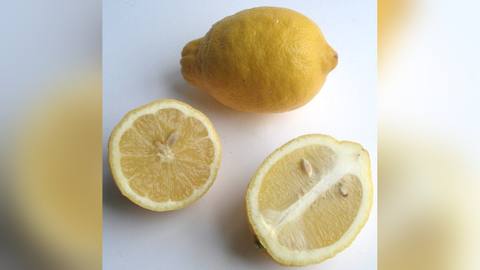
Lemons
Lemons are intensely sour and acidic, and they're not a food dogs should be offered. A tiny taste of flesh usually causes nothing worse than a grimace, but peel, pith and citrus oils are more of a concern, and larger amounts can upset the gut.
Fruit
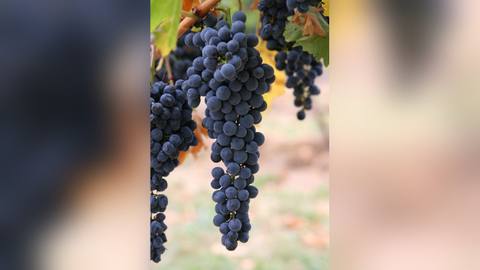
Grapes
Grapes, raisins, sultanas and Zante currants have been linked to kidney failure in dogs. The effect is unpredictable and no safe amount is known. If your dog eats any, call a vet.
Nuts & Seeds
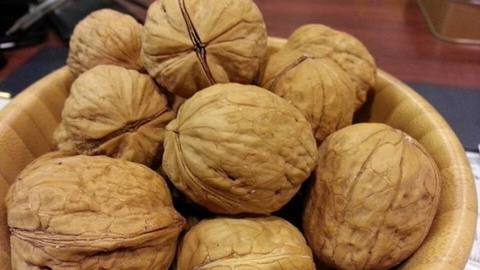
Walnuts
Plain English walnuts aren't automatically highly toxic, yet fat, choking, shells, mould and the more concerning black walnut add up. We recommend keeping walnuts away from dogs.
Latest Dog Treat Recipes
All recipes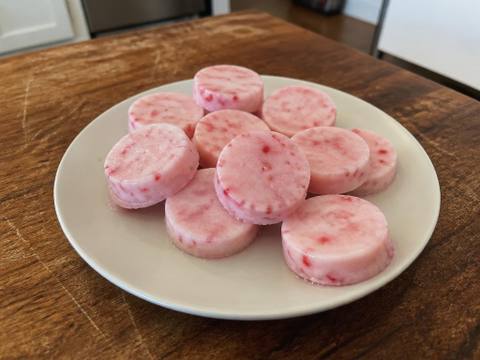
Strawberry Yogurt Frozen Bites
Two-ingredient frozen treats made with fresh strawberries and plain unsweetened yogurt. No added sugar or sweeteners.
Main ingredients: Strawberries, Plain yogurt

Salmon & Sweet Potato Bites
Soft baked bites made with plain cooked salmon, cooked sweet potato and oats. No salt, no oil and no seasoning.
Main ingredients: Salmon, Sweet potato, Oats, Egg
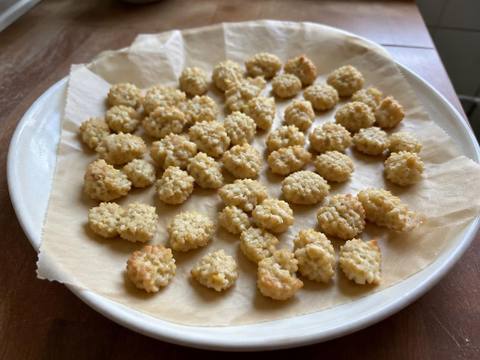
Chicken & Rice Dog Treat Bites
Small baked bites made with plain cooked chicken and plain cooked rice. Treat-sized, with no salt, broth or seasoning.
Main ingredients: Chicken, Rice, Oats, Egg
Learn More About Feeding Your Dog
How Many Treats Can a Dog Have?
Why the right number of treats depends on your dog, not a fixed figure, and how to keep extras in proportion.
Read guideIntroducing New Foods to Your Dog Safely
A calm, practical way to try a new food or treat with your dog, one change at a time.
Read guideToxic Foods for Dogs: What to Avoid
The foods with a recognised poisoning risk for dogs, the ones we recommend avoiding for other reasons, and what to do after an accidental ingestion.
Read guide
Meet Kyo
Kyo is a one-year-old dog and the reason this site exists. Whenever something lands on the kitchen counter she gives us The Look, and we end up searching whether she can have some.
Most pages made us scroll forever for a simple yes or no. So we pulled the answers from trusted pet-health sources into one place, with the verdict first, the practical details underneath, and a clear note on when to call a vet.
Kyo's own verdict: carrots 10/10, cucumber 0/10.
Meet KyoThis guide is for general educational purposes and isn't a substitute for advice from your veterinarian. If your dog has eaten something potentially toxic or is showing concerning symptoms, contact a veterinarian promptly.