What Can Dogs Eat? A–Z Food Guide
Search our A–Z food guide to find out which foods are safe for dogs and which ones to avoid.
Checking a packaged food? Paste its ingredient list into our Dog Food Ingredient Checker →
All foods A–Z
Showing 134 of 134 foods
Other
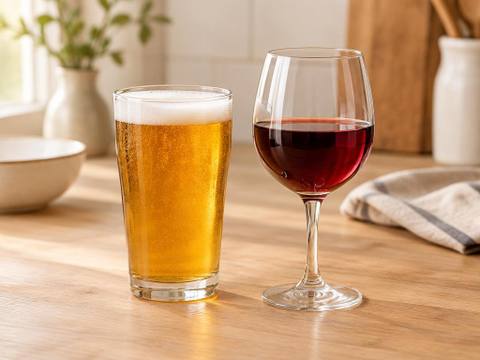
Alcohol
Alcohol is absorbed easily from the gut and through the skin, and can quickly cause drunkenness, metabolic acidosis, low body temperature and depression of the central nervous system. Severe cases can lead to coma, seizures or death, and there's no specific antidote.
Nuts & Seeds
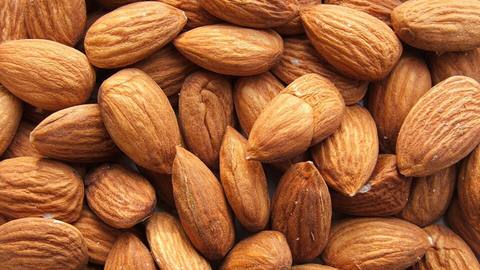
Almonds
Almonds aren't toxic to dogs the way macadamia nuts or grapes are. We'd skip them for practical reasons: whole nuts can choke or block, the fat can upset digestion, and most almond products are salted, coated or flavoured.
Fruit
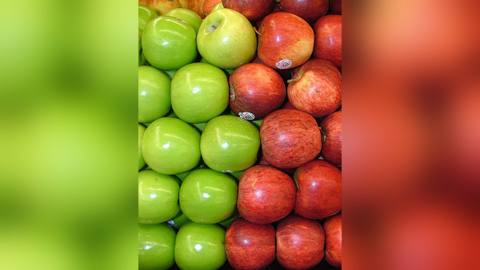
Apples
Apple makes a good occasional treat for many dogs when it's plain and properly prepared. It has fibre and some nutrients, but it also has natural sugar, so it shouldn't replace a complete, balanced diet. Wash it, remove the stem, seeds and core, and cut the flesh into pieces that suit your dog.
Fruit
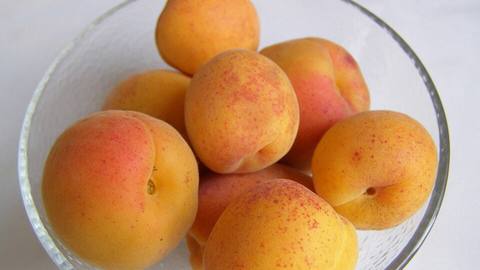
Apricots
Only the flesh is part of this rating. Remove the pit and stem every time, and keep leaves and tree material away from dogs.
Vegetables
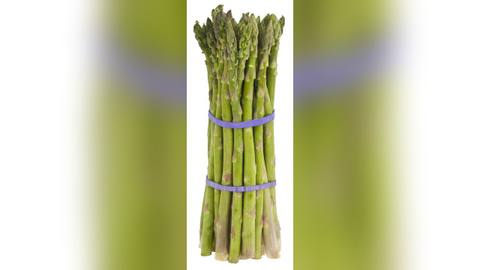
Asparagus
Asparagus itself isn't poisonous to dogs. The concerns are texture and size: raw or woody spears are hard to chew and can cause choking or a blockage, and larger helpings may upset the stomach. The garden plant called asparagus fern is a separate plant and isn't the vegetable.
Fruit
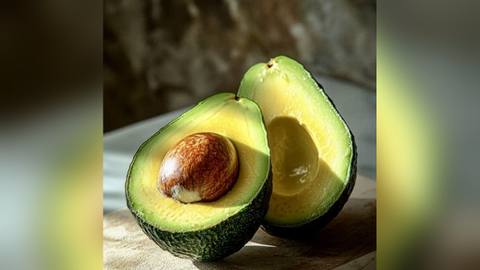
Avocado
Dogs are much less sensitive to avocado than birds and some livestock. The practical dog risks are the pit, which can choke or block, the high fat content, and guacamole, which usually contains onion and garlic.
Meat
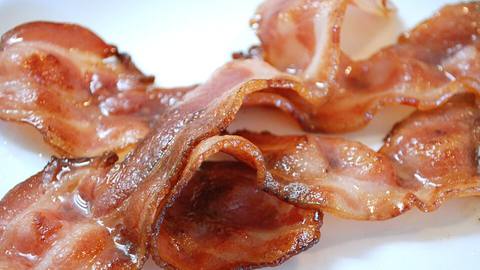
Bacon
Bacon is cured, salty and very fatty. It isn't treated as a canine toxin, but it's not a treat we'd offer.
Other
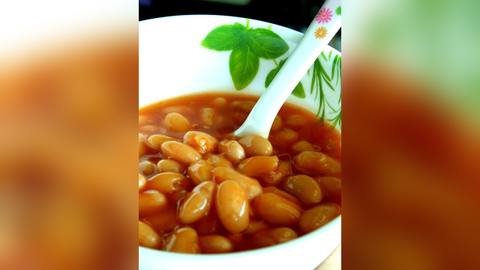
Baked Beans
This page is about the prepared product, beans in a sweetened sauce, not plain beans. The added sugar and other ingredients make it unsuitable for dogs.
Fruit
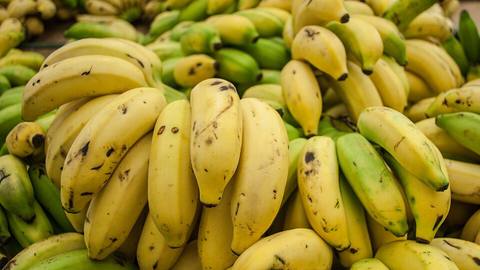
Banana
Peeled banana isn't toxic to dogs and turns up in plenty of homemade treats. It's fairly high in natural sugar, so keep servings small.
Herbs
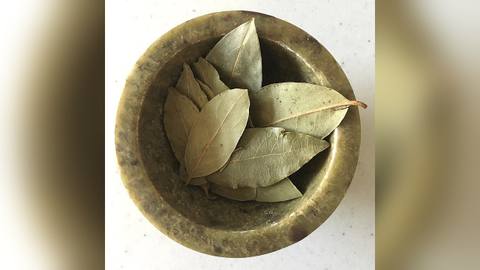
Bay Leaves
ASPCA lists bay laurel as toxic to dogs because of its essential oils. Eating it can cause vomiting and diarrhoea, and swallowing many whole leaves can cause a blockage.
Meat
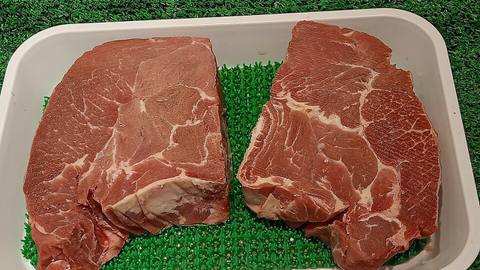
Beef
Plain cooked beef is a familiar protein that most dogs handle well as a treat or food topper. Cook it through, skip the seasoning, trim the excess fat and never include cooked bones. Beef alone isn't a complete diet.
Vegetables
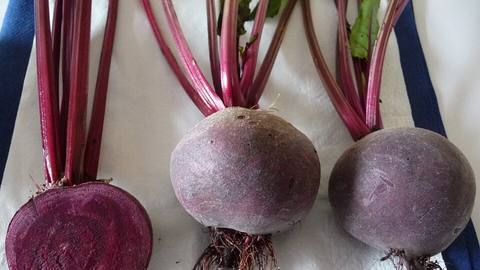
Beets
Beets aren't poisonous to dogs, but they're best kept to small amounts. They contain oxalates, which matter for dogs prone to bladder stones, and natural sugar. They may upset the stomach and can turn stool or urine red or pink. Pickled beets and canned beets with added salt or sugar are a separate question.
Vegetables
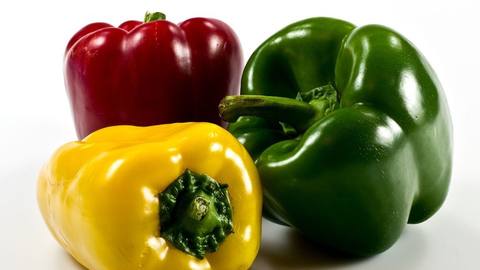
Bell Peppers
Sweet bell peppers of any colour aren't toxic to dogs. Serve them plain, with the stem removed and cut into manageable pieces. This doesn't apply to hot chilli peppers.
Fruit
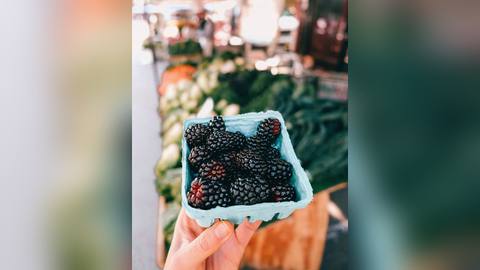
Blackberries
Blackberries are one of the fruits dogs can eat. They're low in sugar for a fruit, high in fibre and antioxidants, and soft enough to need almost no preparation. Keep portions small and stick to plain berries, not sweetened products.
Fruit
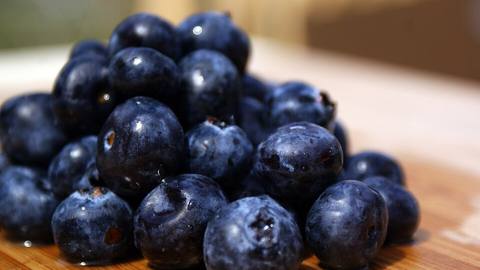
Blueberries
Plain fresh or frozen blueberries are a popular, dog-friendly treat. Give a few at a time alongside a complete diet.

Grains
Bread
Plain baked bread in small amounts is generally not toxic to most dogs, though it's mainly empty calories. The real danger is raw yeast dough, which can expand in the stomach and produce ethanol, a veterinary emergency.
Vegetables
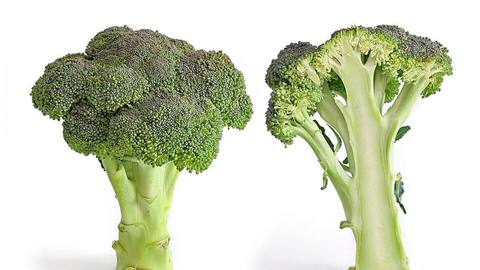
Broccoli
Broccoli isn't a toxic food for dogs, and small amounts of plain broccoli are generally fine. We classify it as LIMIT because portion size and preparation genuinely matter here: florets can irritate the gut in larger quantities, and tough stalks need cutting down.
Vegetables
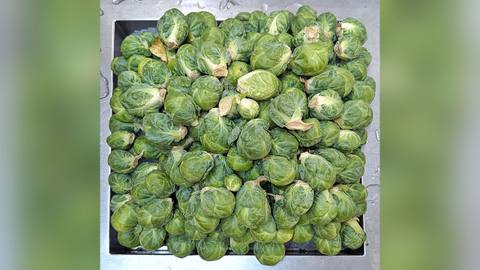
Brussels Sprouts
Brussels sprouts contain no known toxin for dogs. They're famous for causing gas, and larger amounts can lead to stomach upset and diarrhoea. Serve them plain, cooked until soft and cut into pieces.
Vegetables
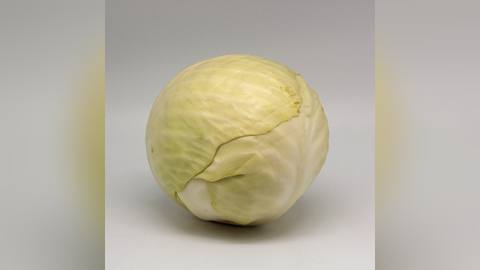
Cabbage
Plain cabbage isn't considered toxic to dogs. Keep servings modest because cabbage is a well-known cause of gas, and leave off butter, salt, sauces, garlic and onion.
Fruit
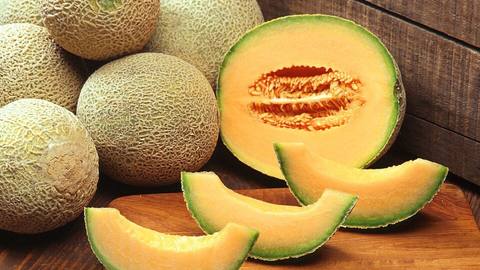
Cantaloupe
Cantaloupe flesh is a hydrating, low-calorie fruit that most dogs enjoy. Remove the rind, which is a choking and blockage risk, scoop out the seeds, and keep portions modest because melon is naturally sugary.
Vegetables
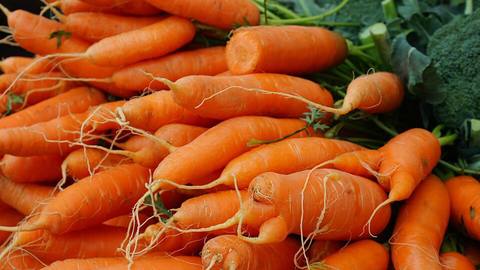
Carrots
Plain raw or cooked carrots are a low-calorie treat most dogs enjoy. Cut them small enough to chew safely, and keep them plain.
Nuts & Seeds
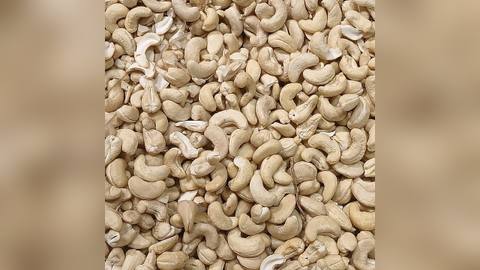
Cashews
A plain cashew or two is unlikely to harm most dogs. The concerns are fat, calories, choking, salted and flavoured products, and mixed nut packets that may contain macadamias.
Other
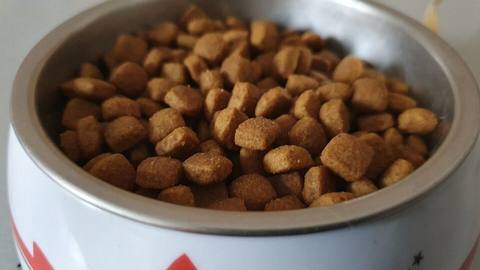
Cat Food
Commercial cat food, wet or dry, is made for cats. A few stolen bites are rarely a problem, but eating it regularly or in large amounts can cause stomach upset and, in some dogs, pancreatitis.
Vegetables
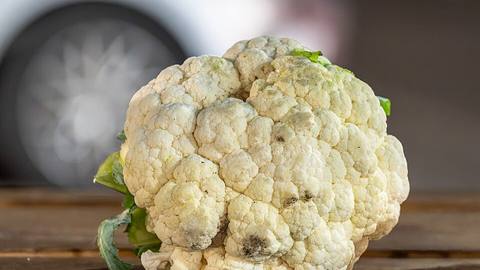
Cauliflower
Plain cauliflower isn't considered toxic to dogs. Serve it without butter, salt, garlic or onion, and keep portions modest because larger amounts often cause gas and an upset stomach.
Vegetables
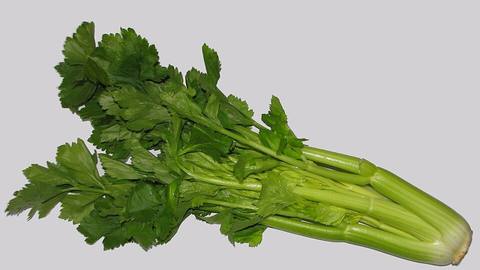
Celery
Celery is a low-calorie, high-water vegetable that suits dogs on a diet and makes a satisfying crunchy treat. The main issue is texture: chop the stringy stalks into short pieces before serving.
Dairy
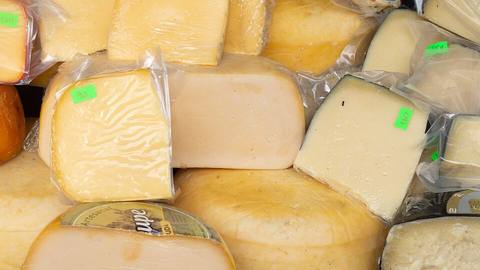
Cheese
Small amounts of plain, low-salt cheese are tolerated by many dogs, but cheese is high in fat and salt and many dogs are lactose intolerant.
Fruit
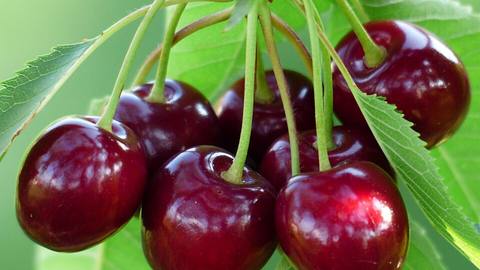
Cherries
Cherry flesh isn't generally considered toxic to dogs in small amounts, but the pits, stems and leaves contain cyanogenic compounds and the pits are a real choking and blockage hazard. Because the risk is easy to avoid entirely, we recommend choosing a safer fruit.
Meat
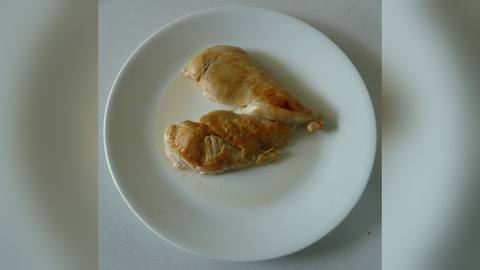
Chicken
Plain, thoroughly cooked, boneless and unseasoned chicken is a common ingredient in dog food. The risks are the bones, the skin and the seasonings.
Vegetables
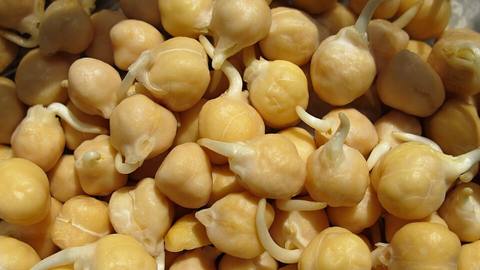
Chickpeas
Cook dried chickpeas until soft, or choose low-sodium canned chickpeas and rinse them. Hummus is a separate prepared food.
Vegetables
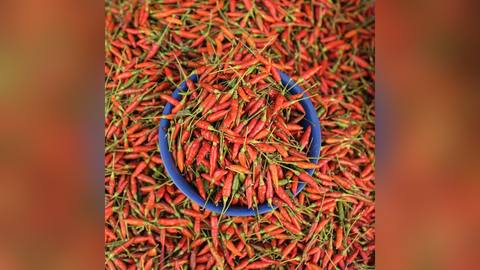
Chili peppers
Capsaicin in chili, jalapeño and cayenne peppers causes irritation and burning. Sweet bell peppers are a different food with their own page.
Herbs
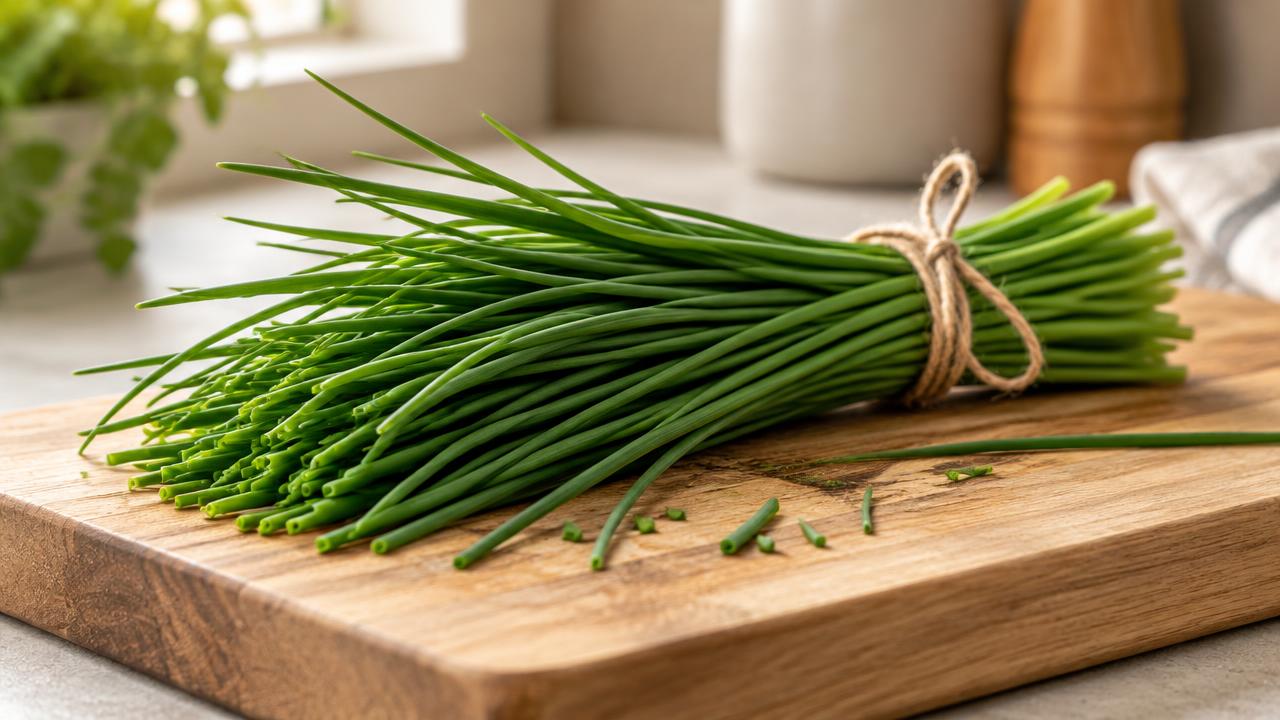
Chives
Chives belong to the Allium group, along with onion, garlic and leek. Veterinary sources list chives among the Allium species involved in poisoning in dogs. The compounds can damage red blood cells, and signs may only appear after several days.
Other
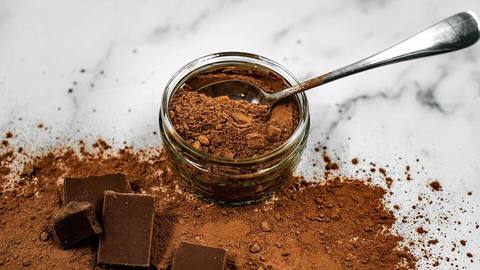
Chocolate
Chocolate contains theobromine and caffeine, which dogs clear from their bodies slowly. Darker chocolate and cocoa are the most worrying. Contact a vet after any ingestion.
Herbs
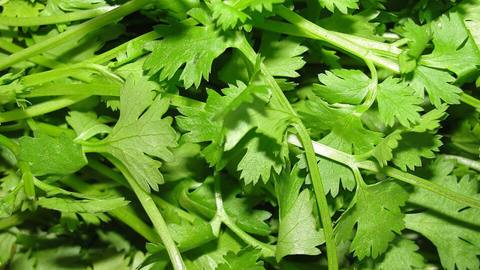
Cilantro
A little chopped cilantro leaf in food is fine. Too much can upset the stomach, and the stems are harder to digest. Dishes made with cilantro aren't covered.
Herbs
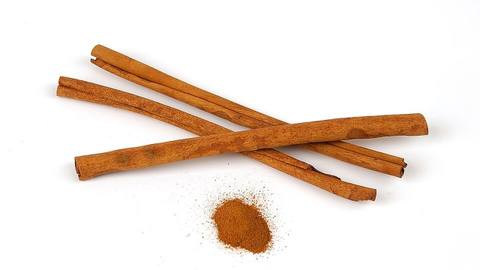
Cinnamon
Cinnamon in a food is a different exposure from a spilled jar of powder, inhaled dust, chewed sticks, essential oil or a mixed bakery product. The form and the rest of the ingredients decide the risk.
Fruit
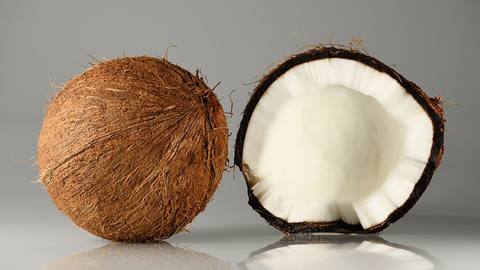
Coconut
Plain coconut flesh isn't toxic to dogs, but the oil content can cause stomach upset and loose stools. The shell, husk and sweetened coconut products are the things to keep away.
Fish
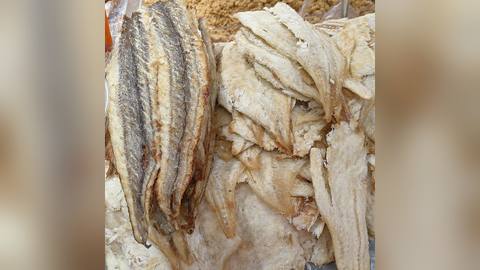
Cod
Cod is on the list of fish generally considered safe. Cook it fully with no oil or seasoning, and remove every bone.

Other
Coffee
Brewed coffee, grounds, beans, espresso and instant coffee all contain caffeine, which dogs are sensitive to. Contact your vet promptly after any meaningful exposure.
Vegetables
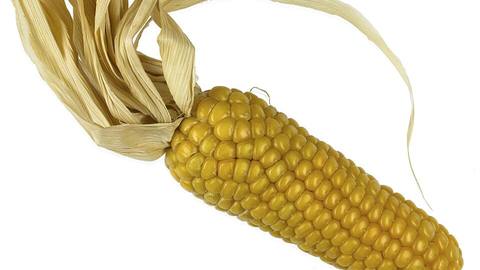
Corn
Plain cooked corn kernels aren't toxic and many dogs eat them in commercial food. The cob is the real issue: it doesn't break down, and swallowed pieces are a classic cause of intestinal obstruction that often needs surgery.
Dairy
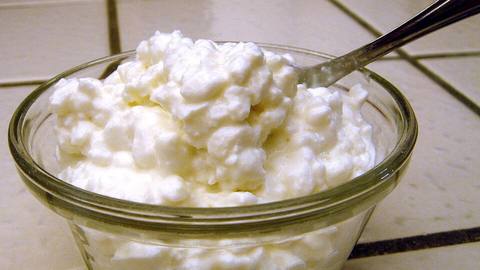
Cottage Cheese
Cottage cheese is dairy, and its fat, salt and lactose vary by product. Plain, unsweetened tubs are the simpler choice, while flavoured or sweetened products need a label check before sharing.

Fish
Crab
Only the cooked meat is covered. The shell is sharp and indigestible, and imitation crab, crab sticks and crab cakes aren't safe for dogs.
Fruit
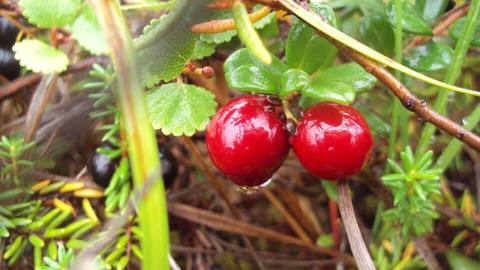
Cranberries
Plain fresh or frozen cranberries aren't considered toxic to dogs. They're very tart, so many dogs turn them down, and the sweetened dried and sauced versions are the ones to leave alone.
Dairy
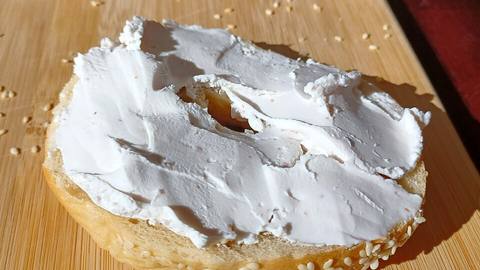
Cream cheese
Plain cream cheese is a high-fat dairy treat, not a regular part of a dog's diet. Products containing garlic, onion or chives present those separate hazards, and desserts or sugar-free versions need their own ingredient check.
Vegetables
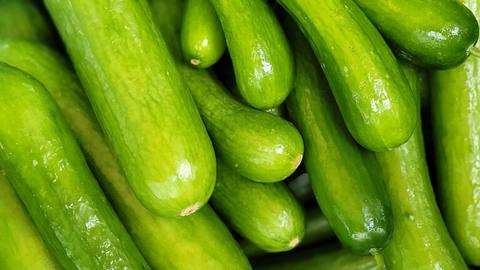
Cucumber
Plain cucumber is mostly water and very low in calories, and most dogs can have it in moderation. Cut it small enough to chew, and keep it plain: pickles are not the same thing.
Fruit
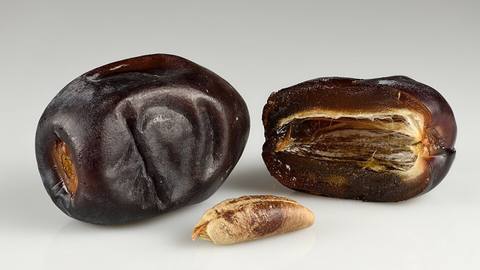
Dates
A small piece of pitted date is fine for most healthy dogs as an occasional extra. Remove the pit, which is hard and can chip teeth, cause choking or block the gut. Most dates are sold dried, which concentrates the sugar and calories. Too many can upset the stomach.
Herbs
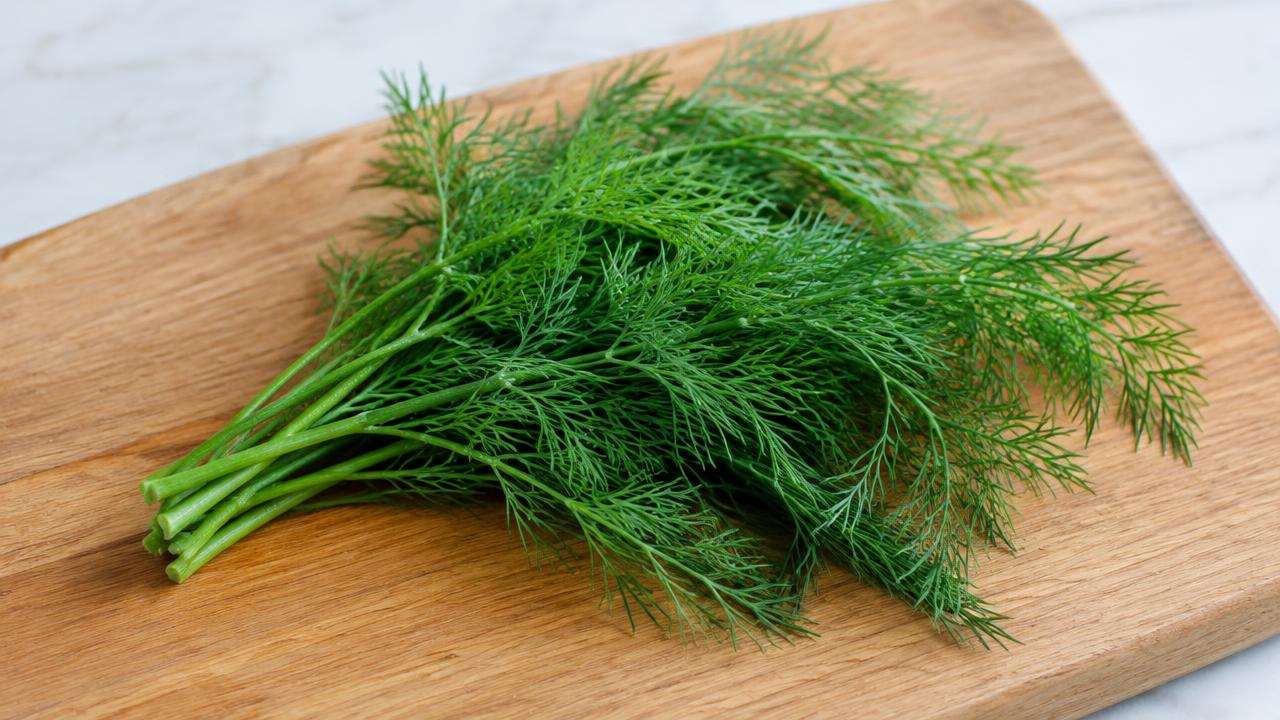
Dill
ASPCA lists dill as non-toxic, and PetMD says dill itself is safe. Use it as a plain culinary herb. Dill pickles are a separate topic.
Vegetables
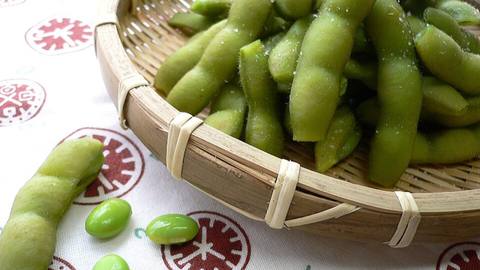
Edamame
Edamame are young soybeans. Offer only a few plain cooked beans without salt or seasoning, and keep the tough pods away from your dog.
Vegetables
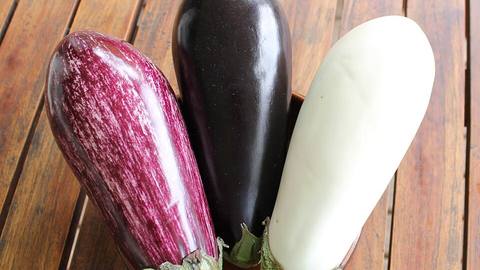
Eggplant
Eggplant, also called aubergine, belongs to the nightshade family. The edible fruit can be eaten by dogs in small amounts; the natural compound solanine is more concentrated in the leaves and flowers than in the fruit. Larger amounts may upset the stomach, and many eggplant dishes contain garlic, onion, oil or cheese.
Other
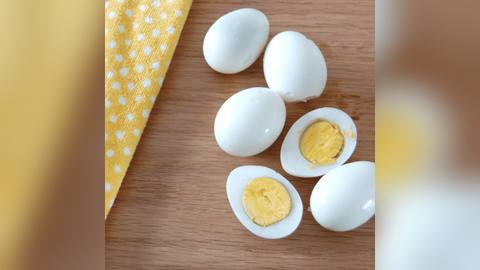
Eggs
Plain cooked eggs with no butter, oil, salt or seasoning are a common dog treat. Raw eggs carry a bacterial risk.
Fruit
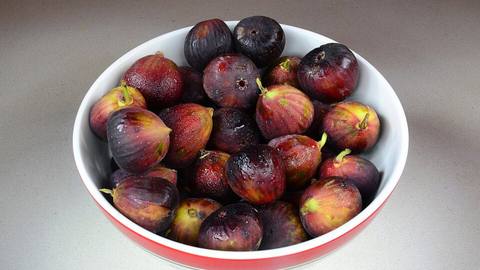
Figs
A small piece of ripe, fresh fig is fine for most healthy dogs as an occasional extra. Too much fruit can cause diarrhoea. The fig plant is different: its leaves, stems and sap can irritate the mouth, stomach and skin. Dried figs and fig-filled biscuits are concentrated sugar.
Other
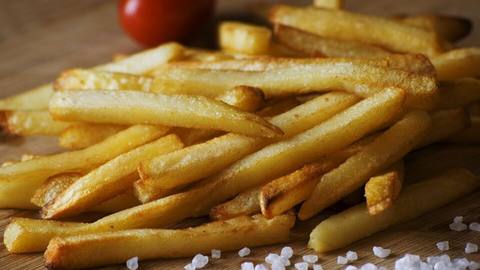
French Fries
Fries are high in fat and salt. One dropped fry is unlikely to cause serious harm, but they shouldn't be given as food or a treat. Plain cooked potato is a different topic.
Herbs
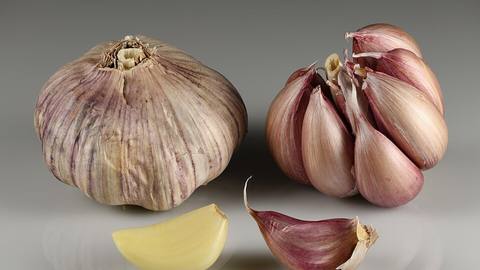
Garlic
Garlic is an Allium, like onion, and Allium exposure can damage a dog's red blood cells. Raw, cooked, dried and concentrated forms, including powders, supplements and garlic bread, should not be treated as dog-safe foods. Contact a vet promptly after any ingestion.
Herbs
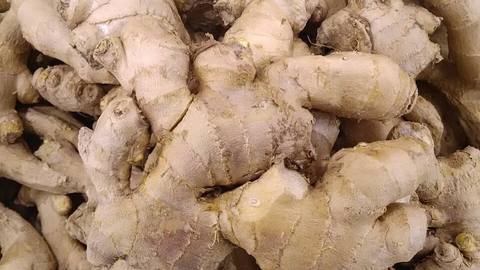
Ginger
A little plain ginger in food is generally tolerated by many healthy dogs. Ginger supplements, pickled ginger, ginger ale, ginger beer and gingerbread are different questions because the form, amount and other ingredients change the risk.
Other
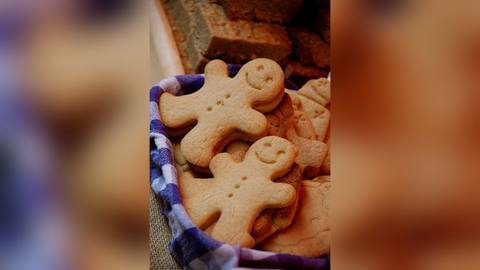
Gingerbread
Gingerbread cookies and cake are prepared baked goods. Sugar, fat and spice blends that often include nutmeg make them unsuitable, even though plain ginger is a different matter.
Fruit
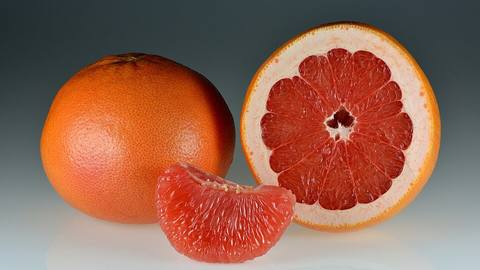
Grapefruit
We recommend not feeding grapefruit. The flesh isn't toxic, but it's very sour and can irritate a dog's stomach, and the peel, rind and seeds contain essential oils and psoralens. A lick or a small bite of flesh isn't a poisoning emergency.
Fruit
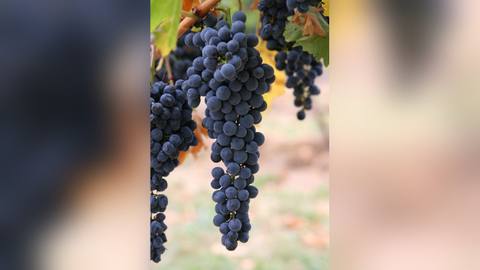
Grapes
Grapes, raisins, sultanas and Zante currants have been linked to kidney failure in dogs. The effect is unpredictable and no safe amount is known. If your dog eats any, call a vet.
Vegetables
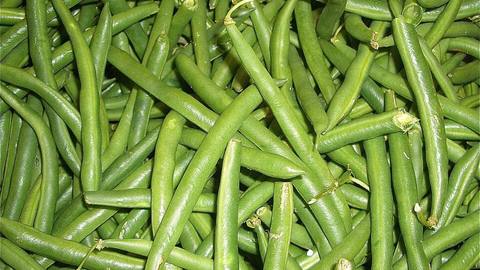
Green Beans
Green beans are widely recommended as a low-calorie, filling treat for dogs, including as part of vet-guided weight management. Keep them plain: no salt, butter, garlic or onion, and skip canned ones unless they're salt-free.
Meat
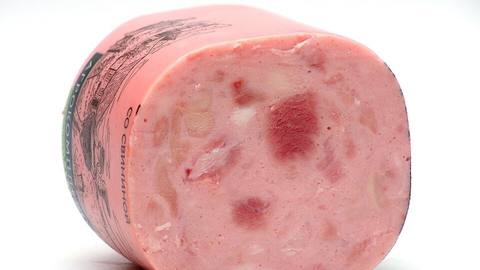
Ham
This page is about cured or salted ham. Salt and fat content vary between products, and glazes, pan juices and bones each need separate consideration.
Fish
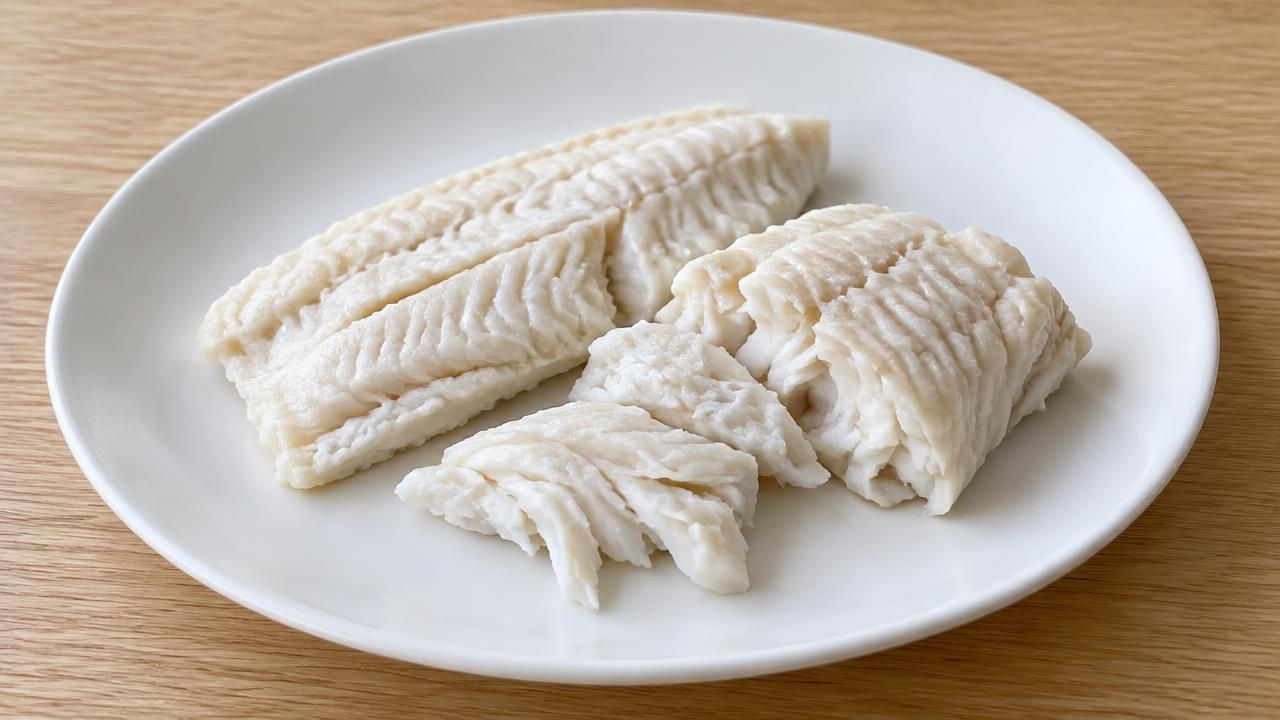
Herring
Herring is on PetMD's list of fish that are safe for dogs. Serve it cooked, with no seasoning, and with the bones removed. Pickled, salted and smoked herring aren't covered.
Other
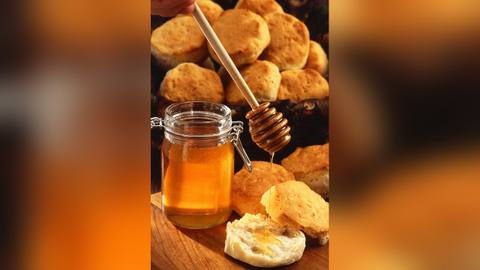
Honey
Honey isn't normally toxic to dogs. It is, however, almost pure sugar, so we treat it as a small occasional extra rather than a food, and not as a remedy for anything.
Fruit
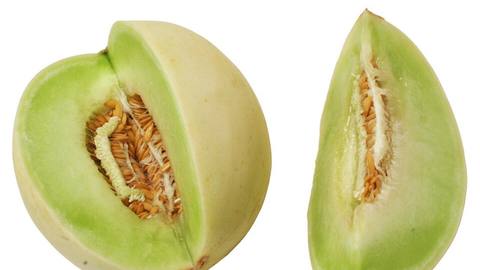
Honeydew
Honeydew flesh isn't considered toxic to dogs. Remove the rind and seeds, serve small pieces, and keep the portion modest because melon has a fair amount of natural sugar.
Herbs
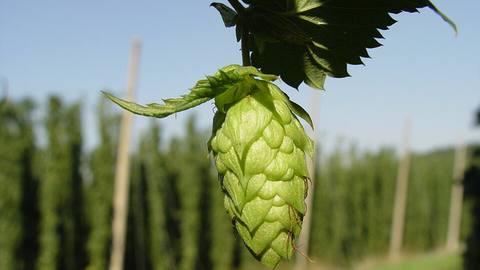
Hops
Hops (Humulus lupulus), including used hops from home brewing, can cause dangerous hyperthermia. Contact a veterinarian urgently if your dog eats any.
Dairy
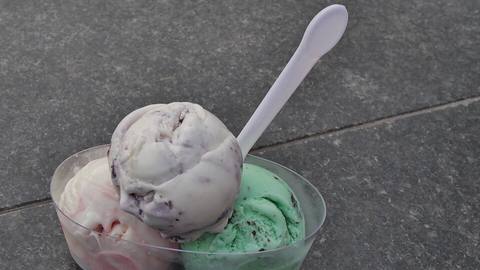
Ice Cream
Three separate things matter: lactose, fat and sugar, and particular ingredients such as xylitol or chocolate that are genuinely toxic to dogs.
Vegetables
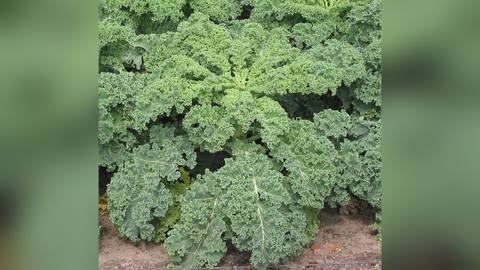
Kale
Kale isn't a food to share freely. It contains calcium oxalate, which is why sources advise against it for dogs with a history of kidney or bladder stones, and it can upset the stomach. For other healthy adult dogs, a little plain kale now and then is generally fine.
Vegetables
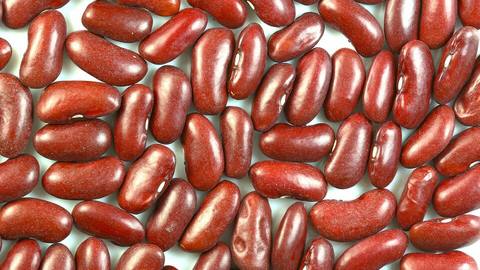
Kidney Beans
Cooking is what makes kidney beans suitable. Raw beans contain a toxic lectin. Offer only fully cooked plain beans, without salt, sauces or spices.
Fruit
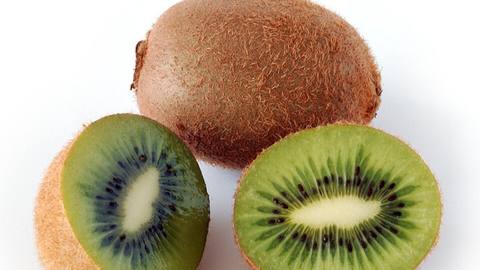
Kiwi
Kiwi flesh isn't considered toxic to dogs. Peel it, cut it into small pieces and keep the portion small: the skin is tough and a whole kiwi is a choking hazard.
Meat
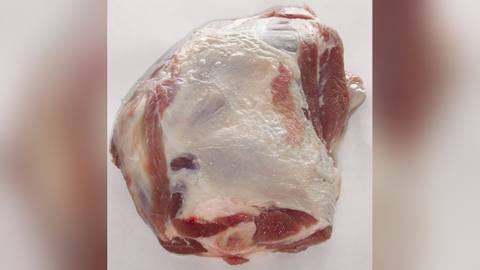
Lamb
Plain cooked lamb is a normal protein for dogs and appears in many commercial foods. Cook it fully, remove all bones, trim the fat, and serve it without seasoning, gravy, onion or garlic.
Vegetables
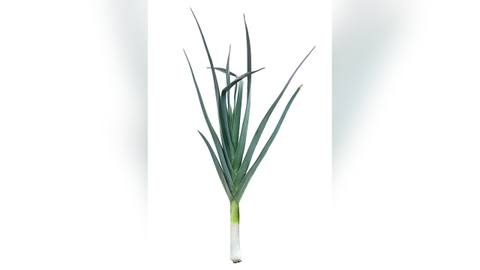
Leeks
Leeks are an Allium vegetable, closely related to onion and garlic. Veterinary sources list leeks among the Allium species that can poison dogs by damaging red blood cells. Signs may only appear after several days.
Fruit
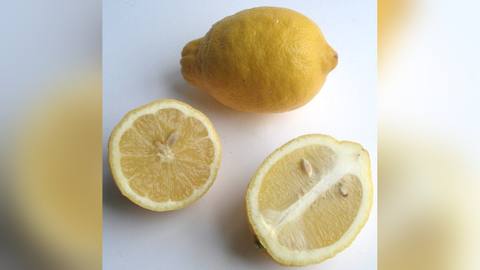
Lemons
Lemons are intensely sour and acidic, and they're not a food dogs should be offered. A tiny taste of flesh usually causes nothing worse than a grimace, but peel, pith and citrus oils are more of a concern, and larger amounts can upset the gut.
Vegetables
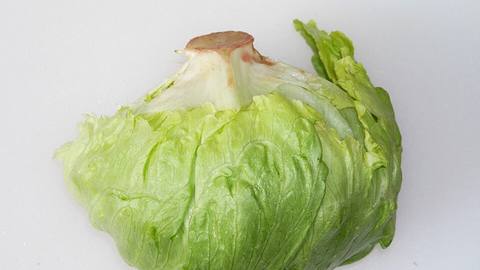
Lettuce
Romaine and iceberg lettuce are non-toxic. Offer plain leaves in small amounts, not leftover salad.
Fruit
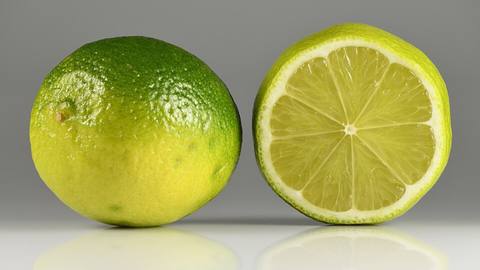
Limes
We recommend not feeding limes. The flesh is very sour and can irritate a dog's stomach, and large amounts have been linked to more serious signs. The peel and rind contain essential oils and psoralens and can cause a blockage. A small lick isn't a poisoning emergency.
Fish
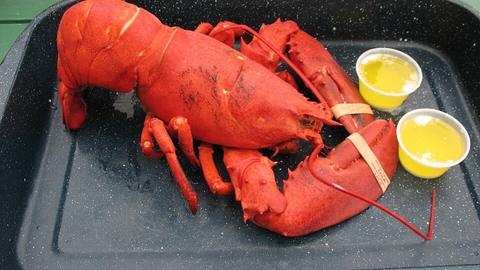
Lobster
Only the cooked meat is covered, without butter or seasoning. Remove the shell, and keep portions small because of iodine and richness.
Nuts & Seeds
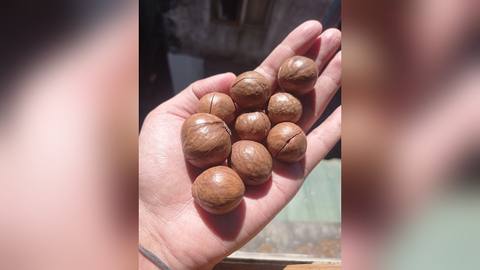
Macadamia Nuts
Macadamia nuts are one of the few foods with a well-described, dog-specific toxic syndrome. Affected dogs typically show weakness, wobbliness, vomiting and sometimes a raised temperature. Most recover with veterinary care, but no amount is an appropriate treat.
Fruit
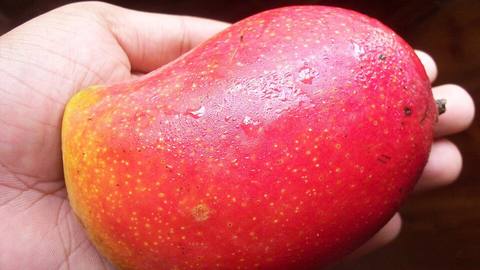
Mango
Ripe mango flesh is generally fine for dogs as an occasional treat. It's fairly sugary, and the hard pit is the real hazard, so preparation is what makes mango a sensible snack.
Other
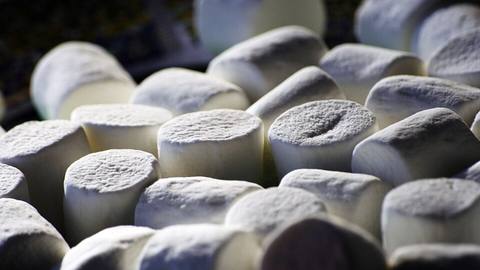
Marshmallows
Regular sugar-based marshmallows have no place in a dog's diet. Not all marshmallows contain xylitol, but sugar-free ones might, and xylitol is toxic to dogs.
Dairy
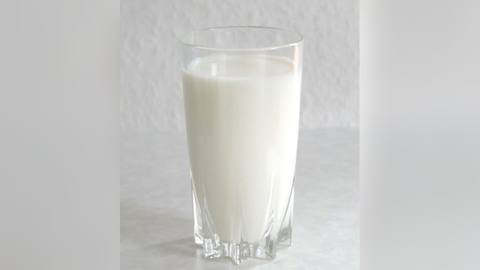
Milk
Milk isn't a poison for dogs. The issue is digestion: many adult dogs produce little lactase, so milk can cause bloating, wind and loose stools. Tolerance varies a lot between individual dogs, and milk adds calories most dogs don't need.
Vegetables
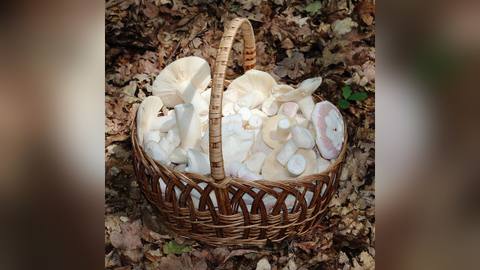
Mushrooms
We rate mushrooms AVOID as a category because wild or unidentified mushrooms can be highly toxic and even fatal, and identifying them is difficult even for experts. Plain store-bought culinary mushrooms are a lower-risk exception and aren't generally considered toxic to dogs.
Fruit
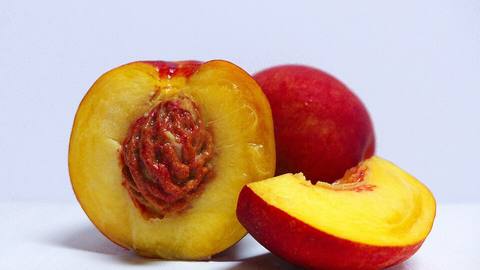
Nectarines
Slice the flesh away from the stone and offer a few pieces. The pit can damage teeth, cause a blockage and contains cyanide-producing compounds.
Herbs
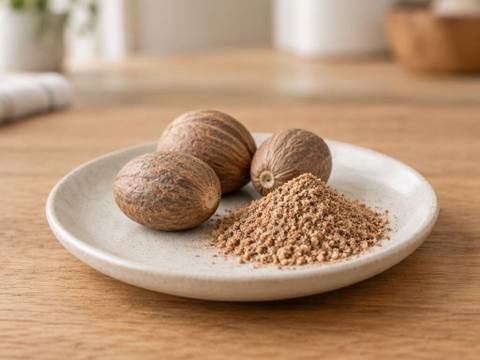
Nutmeg
Nutmeg contains a toxin called myristicin. A recipe amount is very unlikely to cause serious toxicity, though mild stomach upset could occur; a very large amount is a different matter.
Grains
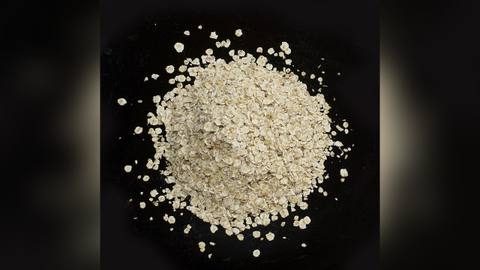
Oatmeal
Plain cooked oatmeal, served without sugar, sweeteners, milk or flavourings, can be offered to most dogs in moderation. Flavoured and instant varieties may contain xylitol, raisins, chocolate or added sugar, which aren't suitable.
Fruit
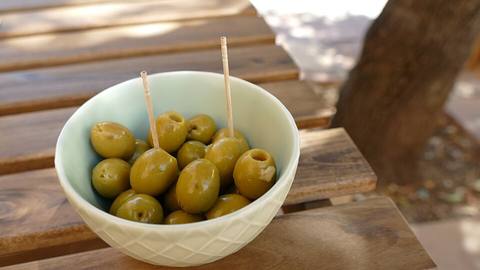
Olives
Olives themselves aren't poisonous to dogs. The problems come with how they're sold: most are brined, canned or pickled and can be high in salt, the pits can cause choking, blockages or tooth damage, and stuffings and marinades can contain garlic or other unsafe ingredients.
Vegetables
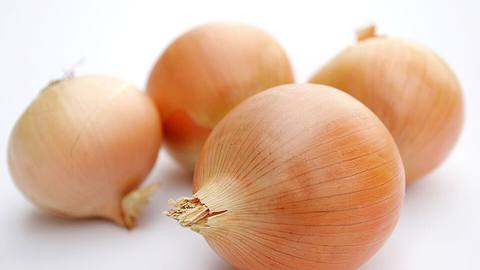
Onions
Onions belong to the Allium family, and Allium exposure can damage a dog's red blood cells and lead to anaemia. Raw, cooked, dried and powdered onion are all a concern, as are sauces, broths and seasoned dishes that contain them. Contact a vet promptly after any ingestion.
Fruit
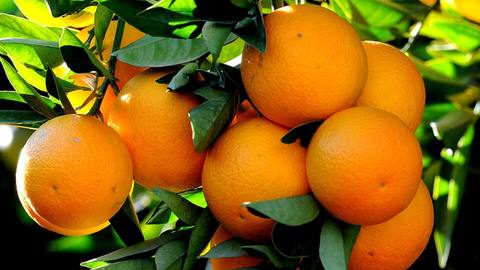
Oranges
Orange flesh isn't poisonous to dogs, and a segment or two is tolerated by some dogs. But oranges are acidic and sugary, the peel is hard to digest and can cause a blockage, and plenty of dogs simply dislike citrus. This one is a small, optional treat rather than a recommended food.

Grains
Pancakes
Plain pancakes made from basic ingredients are fine as a small occasional treat. Toppings are where the risks are: syrup, chocolate chips, nutmeg and sugar-free products that may contain xylitol.
Fruit
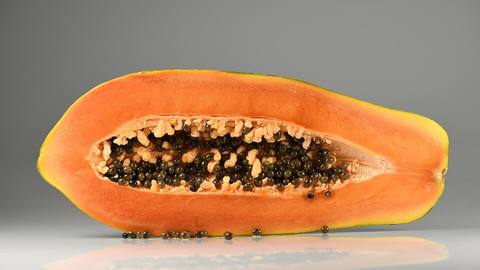
Papaya
Ripe papaya flesh isn't considered toxic to dogs. Remove the skin and every seed, cut the flesh into pieces that suit your dog's size, and keep it as an occasional treat.
Herbs
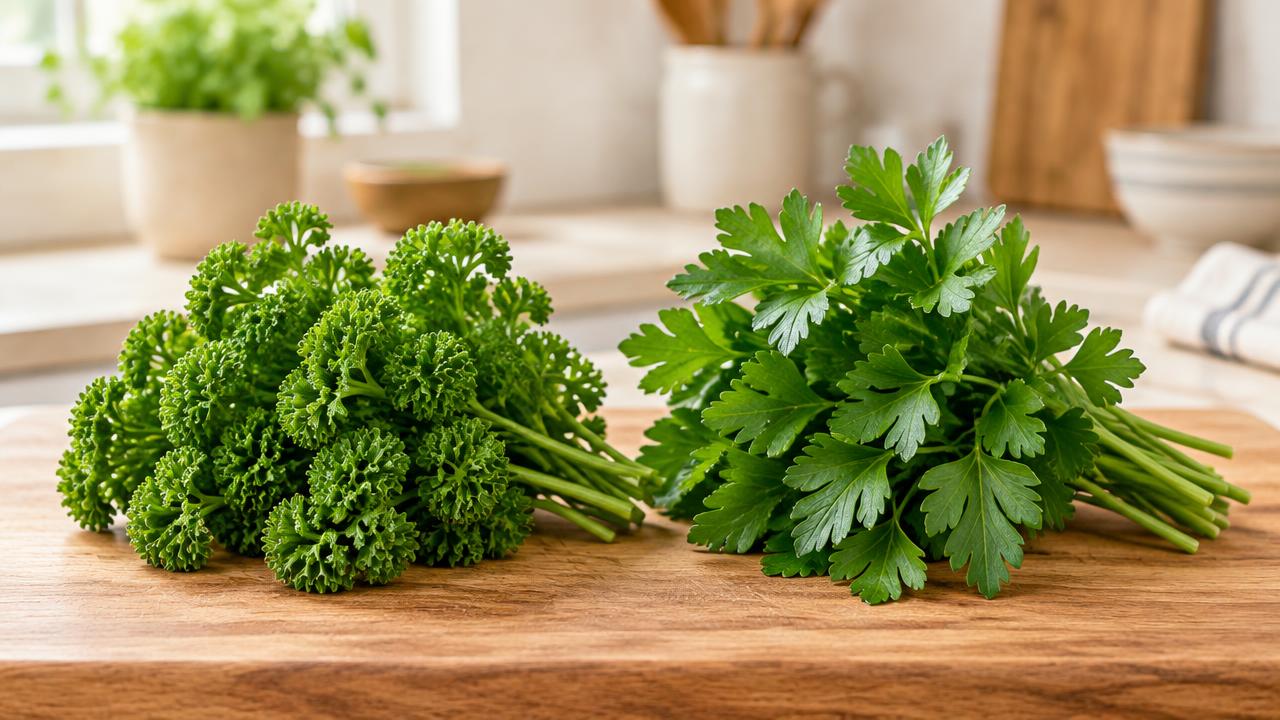
Parsley
This page covers the culinary herb parsley (Petroselinum crispum), both curly and flat-leaf. A sprinkle on food isn't a concern for most dogs. Parsley contains furanocoumarins, which in large amounts can make skin react to sunlight. Wild plants with "parsley" in their name are different species.
Grains
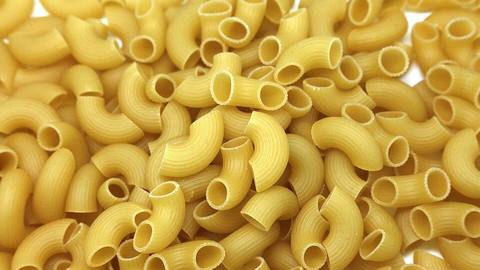
Pasta
Pasta with sauce, filling or seasoning isn't covered by this rating; sauces may contain garlic or onion, which are toxic to dogs.
Fruit
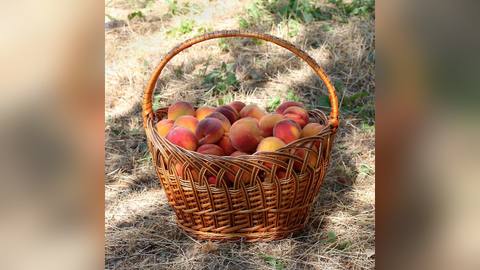
Peaches
Fresh peach flesh can be given to dogs in small quantities, but peaches come with more caveats than most fruits. The stone is a genuine choking and blockage hazard and contains cyanide compounds, and the sugar content means peaches are a small treat rather than a regular food.
Nuts & Seeds
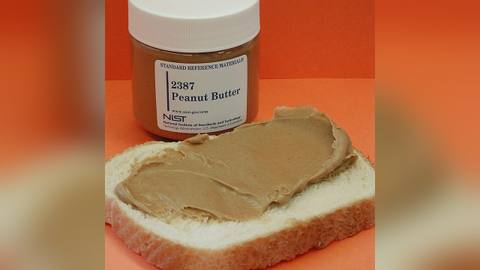
Peanut Butter
Plain peanut butter with no xylitol (birch sugar) is a popular dog treat, but it's very high in fat and calories. Always check the label first.
Nuts & Seeds
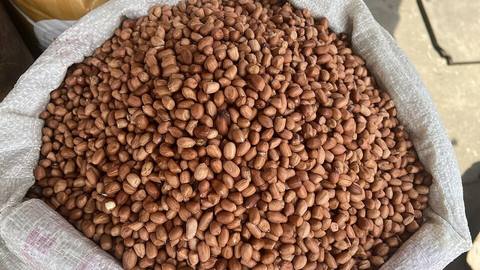
Peanuts
Peanuts are high in fat, so keep portions very small. Remove shells, and skip salted, honey-roasted, chocolate-coated or flavoured peanuts.
Fruit
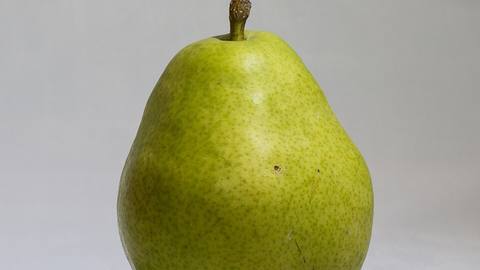
Pears
Plain fresh pear is generally considered dog-friendly. The flesh is fibrous and juicy, but always remove the core and seeds, since pear seeds contain trace amounts of cyanide compounds, and canned or syrup-packed pear isn't suitable.
Vegetables
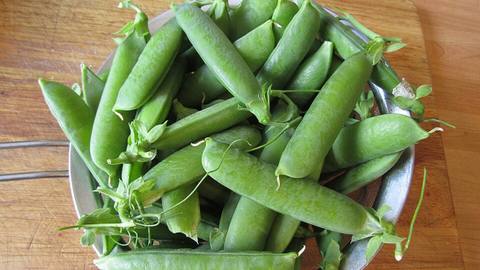
Peas
Green, snap and snow peas are all fine for dogs when served plain. They're low in calories and provide fibre. Watch for tinned peas with added salt, pods for small dogs and portion size.
Nuts & Seeds
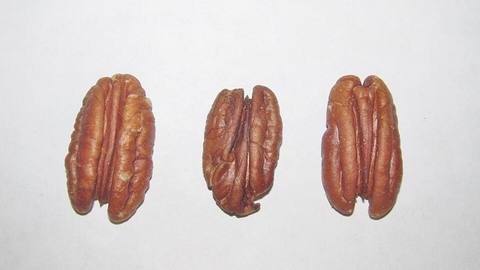
Pecans
We recommend not feeding pecans. They're high in fat, whole nuts and shells can cause choking or a blockage, and mouldy pecans can contain toxins that cause tremors and seizures. A single dropped, fresh pecan is unlikely to harm a healthy dog.

Meat
Pepperoni
Pepperoni is a cured, processed sausage. Its fat can contribute to pancreatitis, its salt content is high, and its seasonings can include garlic and onion.
Other
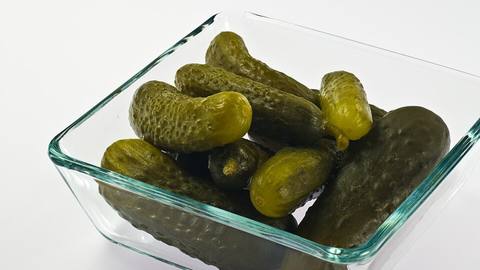
Pickles
Pickled cucumbers aren't the same as fresh cucumber. The brine makes them very high in sodium, and many recipes add ingredients that aren't suitable for dogs.
Fruit
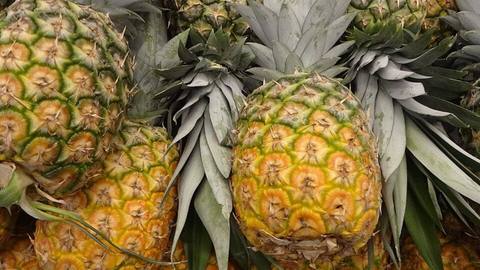
Pineapple
Fresh pineapple flesh is generally fine for dogs in small amounts. The tough skin, spiky crown and fibrous core are the parts to remove, and the natural sugar means it suits an occasional treat rather than a daily one.
Nuts & Seeds
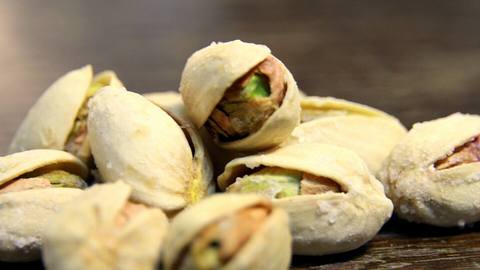
Pistachios
We recommend not feeding pistachios. Shells and whole nuts can cause choking or a blockage, pistachios are often sold salted, the nuts are high in fat, and they can carry mould toxins even when no mould is visible. A few plain nuts are unlikely to harm a healthy dog.
Other
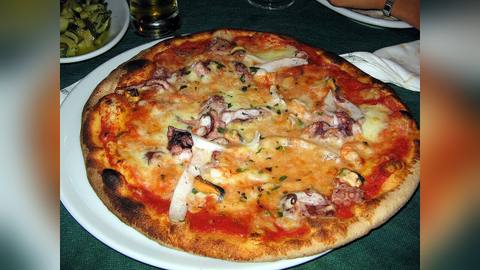
Pizza
Pizza is a mixed, prepared food. Garlic and onion are common in sauces and toppings, and cheese, fatty meats and salt add further problems. Raw pizza dough is a separate emergency.
Fruit
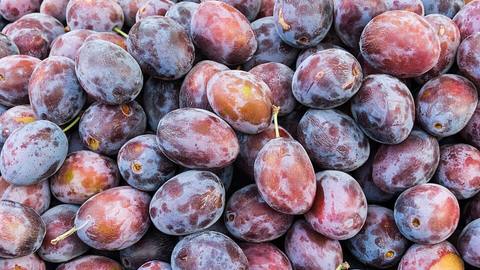
Plums
The fleshy part of a ripe plum isn't the problem. The pit (stone), stems and leaves contain compounds that can release cyanide, and a swallowed pit is also a choking and blockage risk. Too much plum flesh can upset the stomach, and prunes are a more concentrated form of the fruit.
Fruit
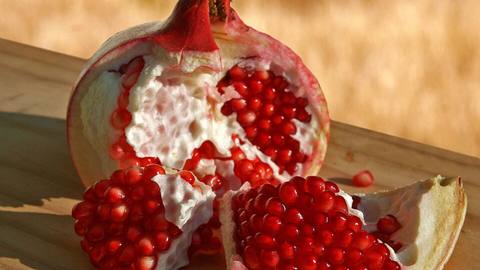
Pomegranate
We recommend not giving pomegranate to dogs. It can upset the stomach, and the tough peel (rind) is more of a concern than a few seeds, including a risk of blockage. If your dog ate one or two seeds, that's unlikely to cause serious harm. Commercial dog foods that list pomegranate as an ingredient are a different question.
Grains
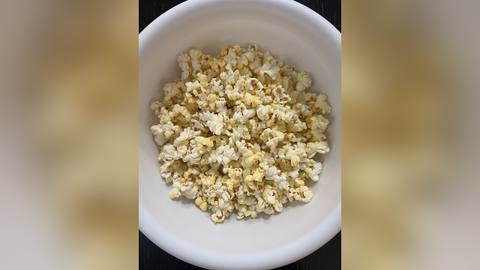
Popcorn
Buttered, salted and flavoured popcorn isn't covered by this rating, and hard unpopped kernels are a choking risk.
Meat
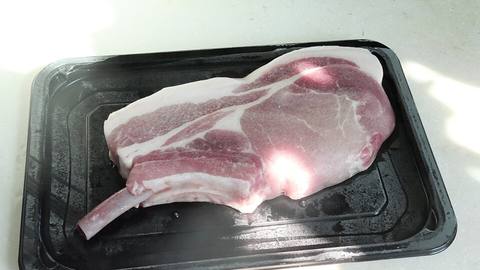
Pork
Plain cooked pork with the fat trimmed off is an acceptable occasional protein. The reason for the LIMIT rating is everything else: raw pork, fat, bones, seasoning, and cured products such as bacon, ham and sausage.
Vegetables
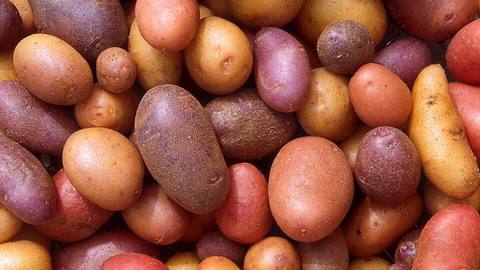
Potatoes
Plain cooked potato without butter, salt or seasoning can be given in small amounts. Raw potatoes shouldn't be fed, and green or sprouted potatoes are a genuine toxicity concern.
Vegetables
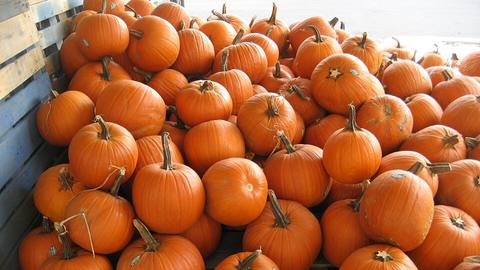
Pumpkin
Plain cooked or plain canned pumpkin (not pie filling) is a common dog-friendly ingredient. Spiced or sweetened pumpkin products aren't suitable.
Nuts & Seeds
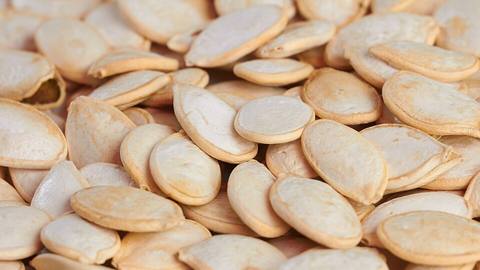
Pumpkin Seeds
Pumpkin seeds are a separate food from pumpkin flesh. Offer only plain seeds without salt or spices, in small amounts, ideally ground.
Grains
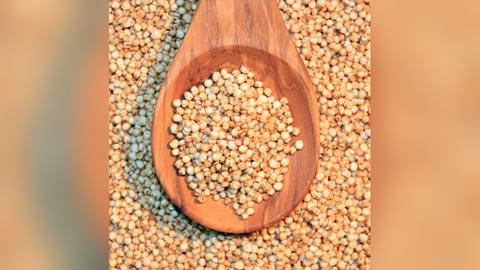
Quinoa
Plain cooked quinoa isn't considered toxic to dogs and appears in some commercial dog foods. Cook it thoroughly, serve it plain, and treat it as an extra rather than a replacement for a complete diet.
Vegetables
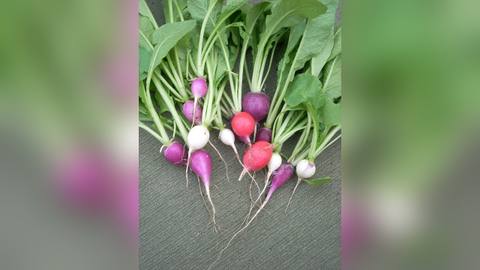
Radishes
The common red or white culinary radish root is fine for dogs as a small, plain extra. Cut it up, because a whole radish can be a choking risk. The leafy greens may upset the stomach. Horseradish and wild radish are different plants and aren't covered here.
Fruit
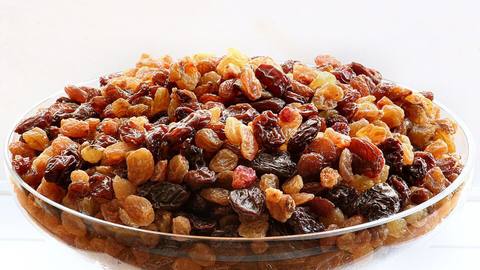
Raisins
Raisins are dried grapes, and grapes and raisins have been linked to acute kidney injury in dogs. Sensitivity varies unpredictably between individuals and no safe amount has been established, so contact a vet or an animal poison service promptly after any ingestion.
Fruit
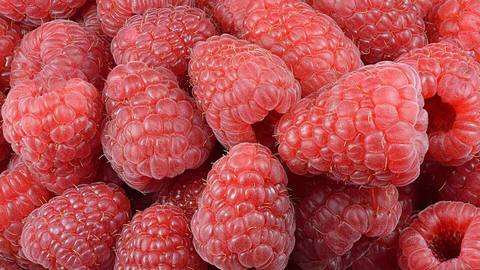
Raspberries
Raspberries are widely listed as a dog-friendly fruit. They're low in sugar compared with many fruits and high in fibre, but they contain a very small amount of naturally occurring xylitol, so offer them occasionally and in small portions, not by the handful.
Meat
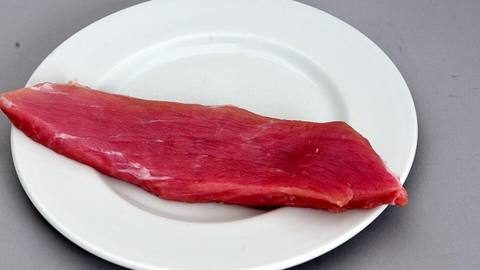
Raw Meat
Raw or undercooked meat can carry pathogens such as Salmonella, Listeria and E. coli. Dogs can become ill, and can also shed bacteria that spread to people in the home.
Vegetables
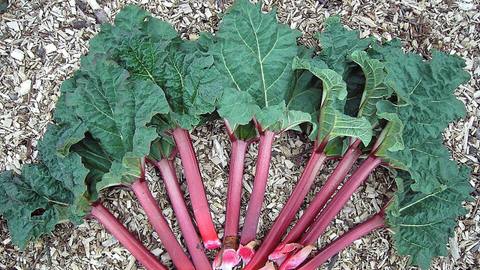
Rhubarb
The part of rhubarb people eat, the stalk, contains very little soluble oxalate and isn't considered toxic. The leaves are the dangerous part: they contain much higher levels of soluble oxalates. Rhubarb is still not an ideal routine treat, and sweetened pies and crumbles aren't the same as plain stalks.
Grains
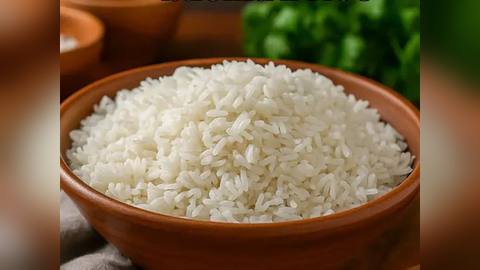
Rice
Plain, well-cooked rice with nothing added is a common ingredient in dog food and in vet-suggested bland meals.
Fish
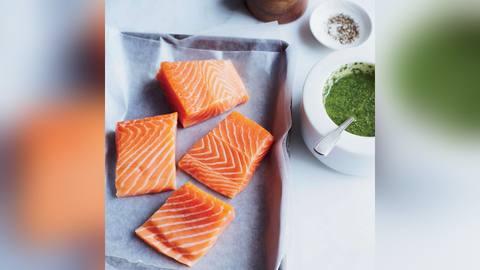
Salmon
Cooked, plain, boneless salmon is a well-tolerated protein for most dogs. The qualifications matter: raw salmon, bones, smoked or salted salmon and seasoned preparations are what cause problems.
Other
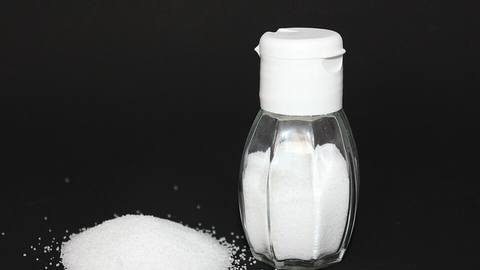
Salt
Don't add salt to treats or table scraps for your dog. If you know your dog ate only a small bite of an ordinary salted food, that's different from eating loose salt, salt dough or de-icing salt, or drinking seawater.
Fish
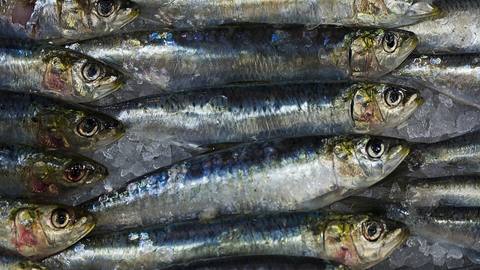
Sardines
Plain cooked sardines, or tinned sardines in water with no added salt, are fine as an occasional treat. Salted, smoked, seasoned and sauce-packed tins are the ones to avoid.
Meat
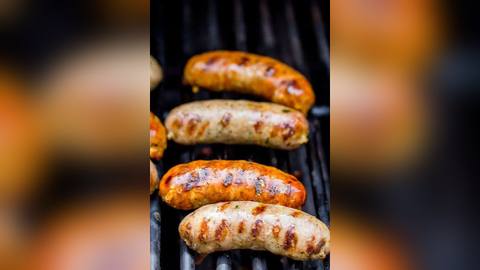
Sausage
A sausage is a processed product, and depending on the recipe it can carry a lot of salt, a lot of fat, and seasonings that matter. Plain, unseasoned cooked meat is a separate question.
Other
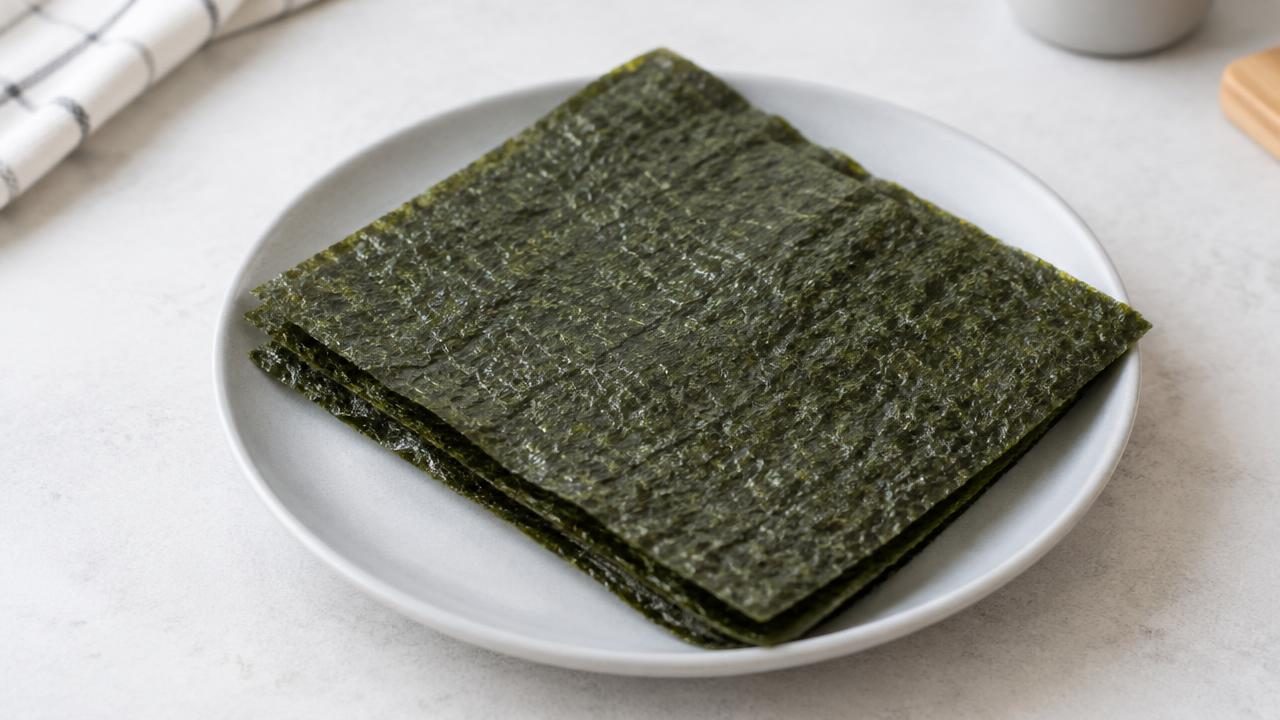
Seaweed
Plain dried seaweed sold as food can be a small occasional extra. Seasoned snacks, seaweed salads and seaweed found on the beach are different and aren't covered.
Fish
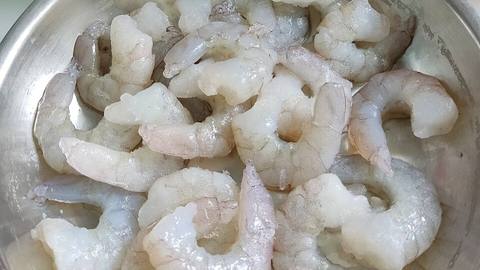
Shrimp
Shrimp is safe when it's fully cooked and served plain with the shell, tail, head and legs removed. Butter, garlic, salt, batter and raw shrimp are the problems, not the shrimp itself.
Vegetables
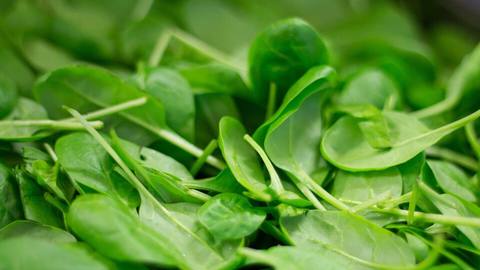
Spinach
Spinach isn't poisonous to dogs and small amounts are generally tolerated, but its high oxalate content is a reason for caution, particularly for dogs with kidney problems or a history of urinary stones. Serve it plain, chopped and lightly cooked, in small portions.
Fruit
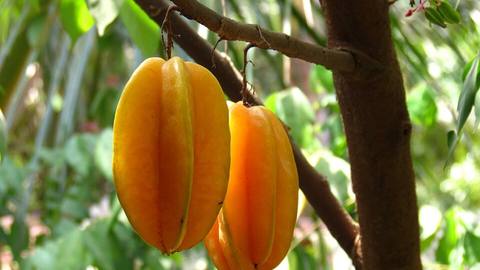
Star fruit
Sour star fruit can cause serious toxicity. Sweet star fruit has much less oxalate, but you can't always tell which you have, and kidney health changes the risk.
Fruit
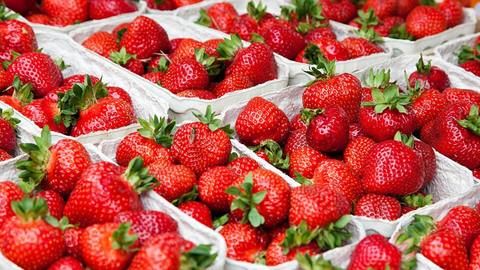
Strawberries
Fresh strawberries are widely considered a dog-friendly fruit when they're washed, trimmed and cut to a size that suits your dog. They contain natural sugar, so they work best as an occasional treat, not a daily staple.
Other
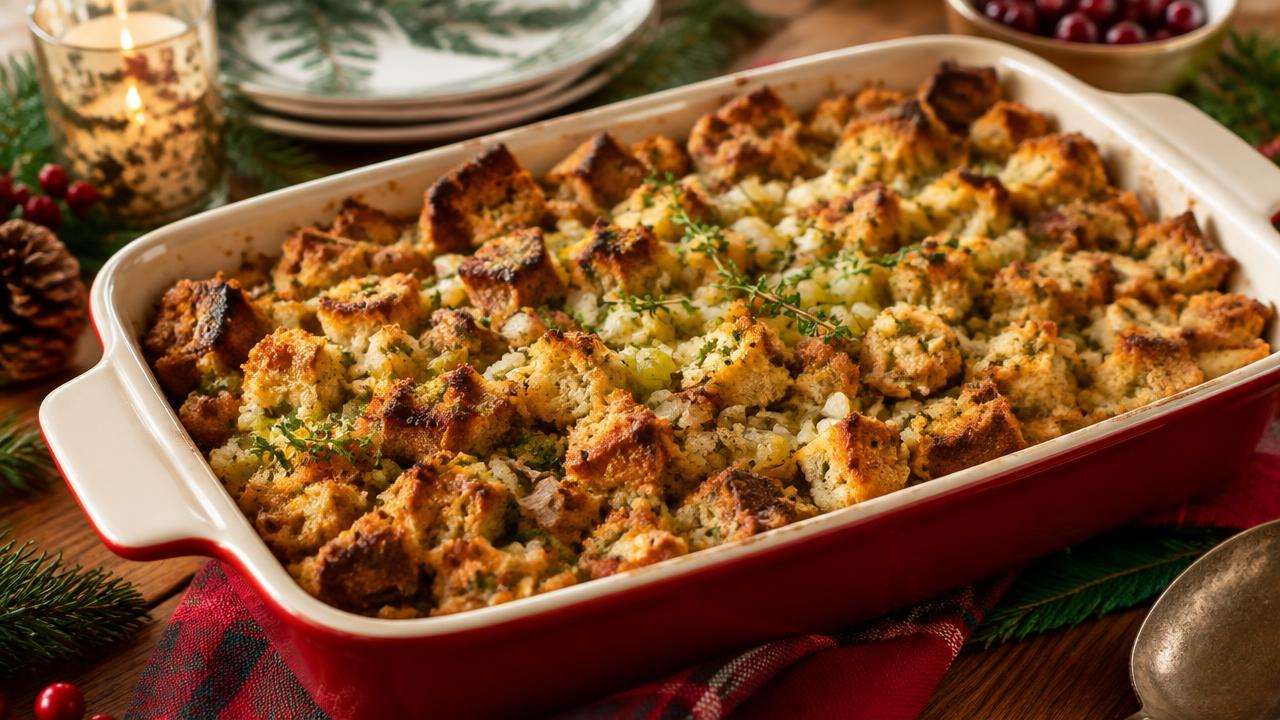
Stuffing
This page covers bread-based stuffing, the kind served with a holiday turkey. Recipes often include onion and garlic, and sometimes raisins or grapes, all of which are toxic to dogs.
Nuts & Seeds
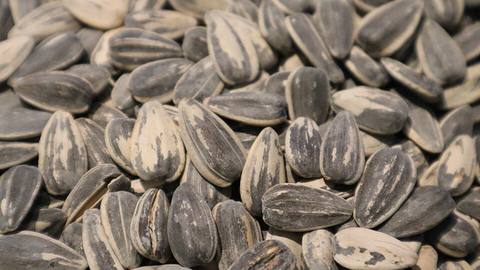
Sunflower Seeds
Only offer the inner kernels, without salt or flavourings. Shells can cause a blockage, and salted seeds add sodium.
Vegetables
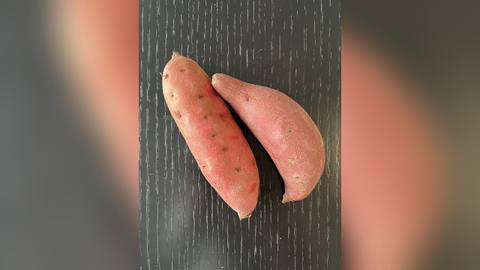
Sweet Potato
Cooked, plain sweet potato is a dog-friendly vegetable with fibre and beta-carotene. Always cook and peel it, since raw sweet potato is hard to digest and a choking risk, and keep portions modest because it's starchy and higher in calories than most vegetables.
Other
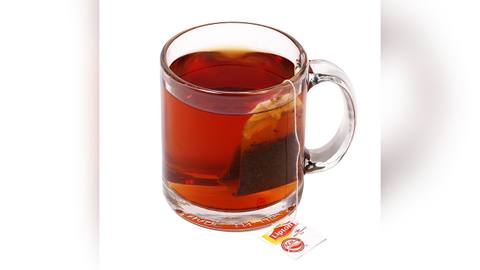
Tea
Tea leaves and tea bags concentrate caffeine and can cause serious toxicity. This page covers tea from the Camellia sinensis plant only.
Other
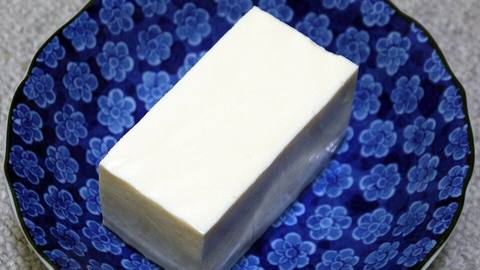
Tofu
Offer plain, unseasoned tofu in moderation. Skip tofu cooked with onion, garlic or salty soy sauce, and avoid it for dogs with soy allergy.
Vegetables
Tomatoes
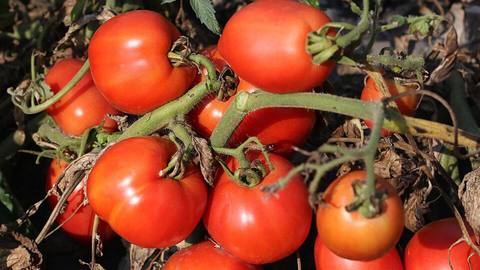
Ripe red tomato flesh is generally considered safe for dogs in small amounts. Unripe green tomatoes and the green parts of the plant contain tomatine and shouldn't be fed, and prepared tomato products often contain onion, garlic, salt or sugar.
Fish
Tuna
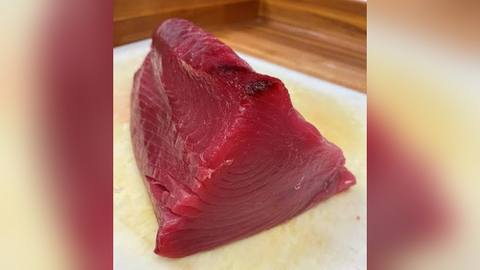
Tuna isn't toxic to dogs, but it's a large predatory fish that accumulates mercury, and many canned products are salted or oily. Keep it plain, small and occasional.
Meat
Turkey
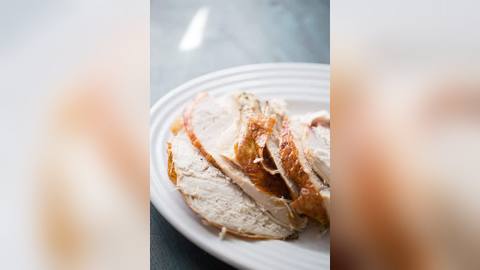
Plain cooked turkey meat, ideally skinless and boneless, is a lean protein most dogs handle well. Seasoned holiday turkey, gravy, skin, bones, deli turkey and turkey bacon are a different matter and aren't recommended.
Nuts & Seeds
Walnuts
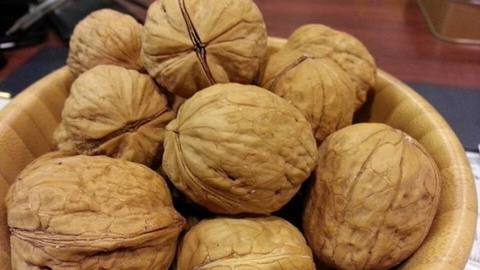
Plain English walnuts aren't automatically highly toxic, yet fat, choking, shells, mould and the more concerning black walnut add up. We recommend keeping walnuts away from dogs.
Fruit
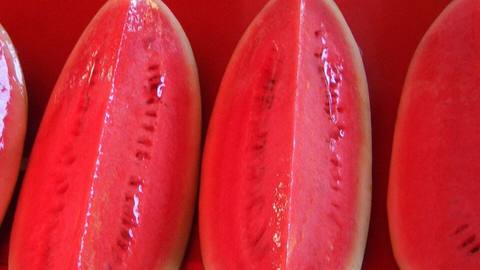
Watermelon
The flesh is a hydrating warm-weather treat. Remove the rind and seeds, which are the main practical risks.
Other
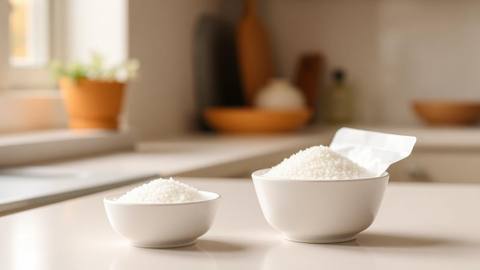
Xylitol
Xylitol is a sugar alcohol used to sweeten sugar-free products. In dogs it can trigger a sudden, severe drop in blood sugar, and liver injury has also been reported. It's a poisoning risk, not a portion-size question.

Grains
Yeast dough
The warm stomach keeps the yeast working, so raw dough can keep expanding inside the dog, and the same fermentation produces alcohol that's absorbed into the blood. Baked bread is a different question.
Dairy
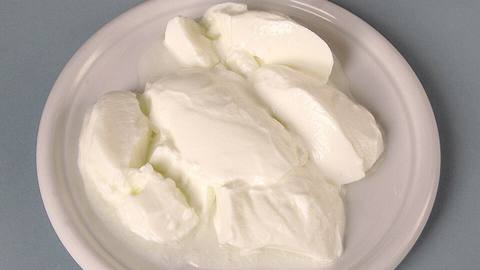
Yogurt
Plain, unsweetened yogurt isn't toxic and many dogs tolerate a spoonful. The problems come from lactose sensitivity, added sugar in flavoured pots, and sugar-free products that may be sweetened with xylitol.
Vegetables
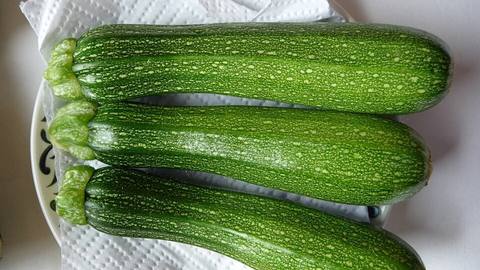
Zucchini
Zucchini is low in calories, high in water and widely considered dog-friendly. Serve it raw or plainly cooked; the skin and seeds of a standard zucchini are fine. Avoid oil, salt, garlic and onion, and skip any zucchini that tastes unusually bitter.
This guide is for general educational purposes and isn't a substitute for advice from your veterinarian. If your dog has eaten something potentially toxic or is showing concerning symptoms, contact a veterinarian promptly.