The full answer
Turkey meat is a lean, digestible protein that appears in plenty of commercial dog foods. The safe version is specific, though: plain, thoroughly cooked, boneless and unseasoned, and ideally skinless. That's quite different from what usually ends up on a holiday table.
Turkey skin is fatty, and it's usually where the butter, oil, salt and herbs have been applied. A large piece of skin is a common cause of digestive upset after a family meal, and high-fat scraps are a recognised pancreatitis trigger in susceptible dogs. Leave the skin off.
Cooked turkey bones are a genuine hazard. They can splinter and cause choking, mouth injuries, blockages or perforation, and the carcass left on a counter is one of the most tempting things in the house. Bin bones securely, not in an open kitchen bin.
Holiday turkey deserves its own warning. Roasts are commonly seasoned with salt, pepper, herb butter and, importantly, onion and garlic, both of which are toxic to dogs. Stuffing often contains onion, garlic, raisins or sultanas, and gravy is usually salty and often onion-based. Plain turkey being safe doesn't make Thanksgiving or Christmas leftovers safe.
Processed turkey products are also best avoided. Deli turkey and turkey slices are typically high in salt and preservatives, and turkey bacon is salty and fatty. Neither is a good routine treat, even though a tiny piece is unlikely to harm a healthy dog.
Like any single meat, plain turkey is a treat or topper, not a complete diet. Keep portions modest and let a complete, balanced food do the nutritional work.
Is Turkey Good for Dogs?
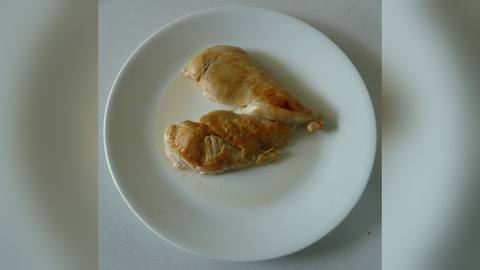
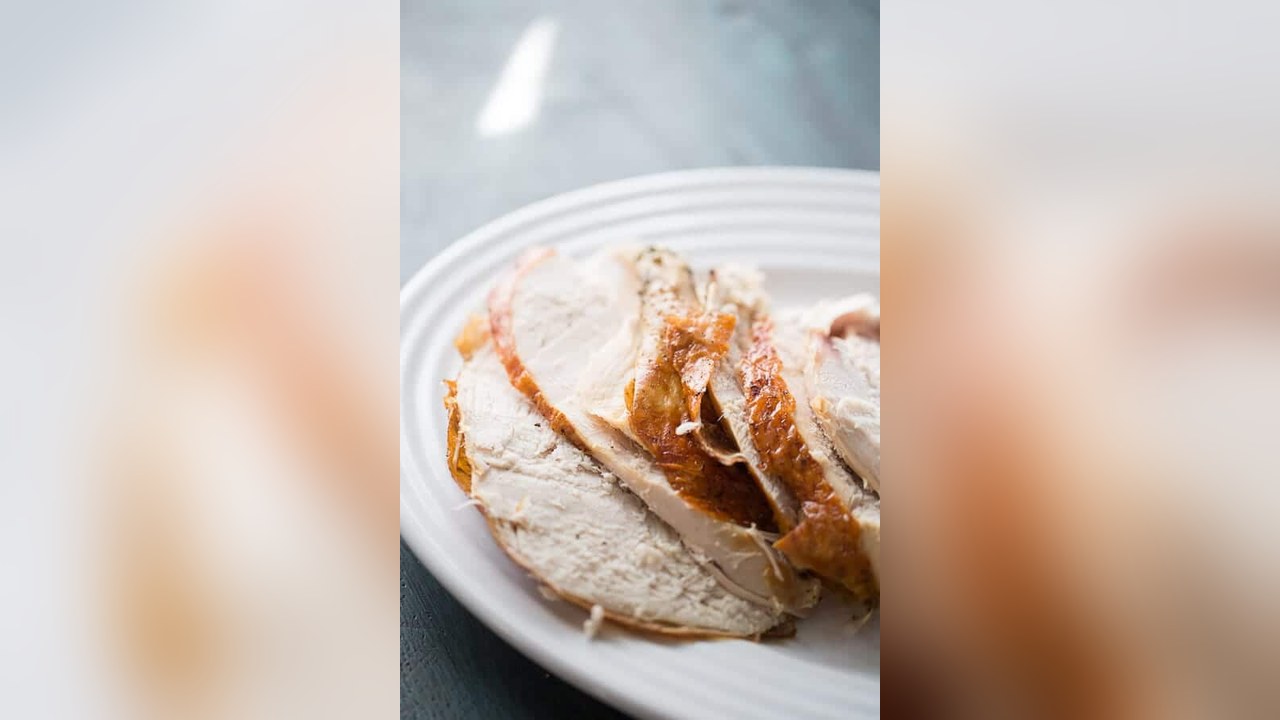
Plain cooked turkey breast, skinless and boneless, cut into small pieces
Plain cooked ground turkey with the fat drained, as a small food topper
Tiny pieces of plain cooked turkey as a high-value training reward
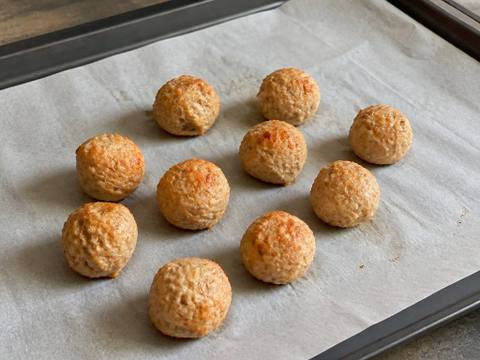
Plain turkey meat mixed into a homemade treat recipe with dog-safe ingredients
Potential benefits
- Lean, highly digestible protein that most dogs enjoy
- Lower in fat than many meats when served skinless
- Provides B vitamins and minerals such as selenium and phosphorus as part of a varied diet
- A useful alternative protein for dogs who eat a lot of chicken
Risks and Things to Know
- Cooked turkey bones can splinter and cause choking, obstruction or internal injury
- Turkey skin is fatty and usually seasoned — a common cause of digestive upset
- Holiday turkey is often cooked with onion and garlic, which are toxic to dogs
- Gravy and stuffing are salty and frequently contain onion, garlic or raisins
- Deli turkey and turkey bacon are high in salt and preservatives
- Large fatty portions can trigger pancreatitis in susceptible dogs
How much is okay?
A small piece of plain cooked turkey is plenty for a first try. After that, a few bite-sized pieces as a treat or topper suits most dogs, and less for a small one. No skin, seasoning or bones.
Check with your vet first if your dog is overweight, has a sensitive stomach or is on a prescription diet.
How Should I Prepare It?
- Use plain turkey meat — remove the skin and all bones.
- Cook it thoroughly by boiling, baking or dry-frying with no oil.
- Add nothing: no salt, butter, herbs, rub, marinade, onion or garlic.
- Let it cool completely and check carefully for small bones.
- Cut into bite-sized pieces suited to your dog's size.