Can Dogs Eat Ham?

AVOID

AVOID for cured or salted ham, including deli ham and salted Christmas ham. We recommend not offering it as a dog treat. Fresh, unsalted pork leg isn't covered here; see our pork guidance.

This page is about cured or salted ham. Salt and fat content vary between products, and glazes, pan juices and bones each need separate consideration.

Main sources: AKC — Can Dogs Eat Ham?; ASPCA Animal Poison Control — People Foods to Avoid Feeding Your Pets

This advice covers cured or salted ham, which we recommend not offering as a dog treat. If a healthy, symptom-free dog ate one small, known piece of plain ham, keep water available and monitor its condition. Contact a veterinarian if the amount was concerning — whatever your dog's size — if your dog got into glaze, pan juices or fat trimmings, swallowed bone, or if repeated vomiting, belly pain, weakness or unusual thirst develops. A glaze, marinade or sauce that may contain garlic or onion needs veterinary advice without waiting for symptoms.

On this page
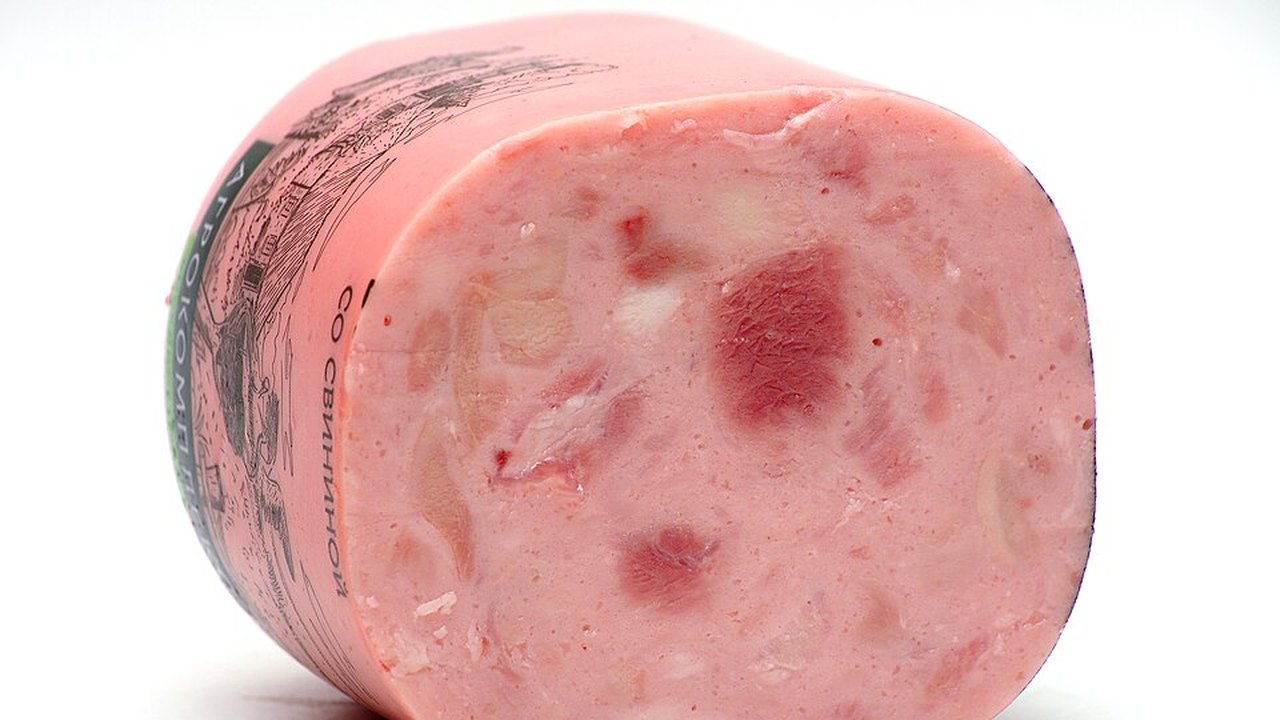
A rounded slab of pink ham with the cut side showing

Quick answer

Category
Meat
Recommended preparation
Not recommended — a small piece of plain unseasoned cooked meat instead
Main concern
Salt and fat; glazes, pan juices and cooked bones
Suitable as everyday food
No

The full answer

Our AVOID recommendation applies to cured or salted ham: deli and sandwich ham, and salted Christmas ham. It rests on the curing salt and on the glazes, juices and bones that may come with some products, not on a claim that ham is poisonous, and not on pork itself. Fresh, unsalted pork leg is ordinary pork, and our pork page covers it.

Salt and fat content vary from product to product, so check the label of the ham in front of you rather than assuming. Some Christmas hams come with a glaze, pan juices or a bone, and each of those needs separate consideration. A small accidental piece of plain ham is unlikely to harm a healthy dog, but we wouldn't offer it regularly.

Is Ham Good for Dogs?

Ham supplies protein, but a complete dog food already meets that need. Cured ham can contain substantial salt; check the label for the particular product.

A complete dog food already supplies dietary fat too, so ham is not needed for that purpose and adds calories to the diet.

Risks and Things to Know

  • Too much salt can cause vomiting, diarrhoea, noticeable thirst and urination, lethargy or fluid retention, and severe intakes can lead to kidney damage, seizures or coma.
  • Some ham cuts and trimmings contain a lot of fat. Fatty scraps can upset a dog's stomach, and eating inappropriate table scraps is associated with pancreatitis risk. This does not mean any single slice will cause pancreatitis.
  • Christmas ham may have a mustard-and-breadcrumb crust, and pan juices may contain substantial salt and fat.
  • Marinades, glazes or sauces vary and may contain garlic or onion, which are genuinely toxic to dogs rather than simply unsuitable.
  • A cooked ham bone is not a chew toy. Cooking dries bone out and makes it brittle, so it splinters into sharp pieces, and swallowed bone can injure or block the gut badly enough to need surgery.

How much is okay?

We wouldn't build a treat portion out of cured ham at all, because it's very salty. If you want your dog to join the meal, the safest share is a small piece of unseasoned, unglazed cooked meat.

Treats come out of the day's calories, so a festive extra means a smaller meal, not an addition on top.

How Should I Prepare It?

  • Check the label of the particular ham product for salt and fat rather than assuming.
  • Keep glaze, crust and pan juices away from the dog entirely.
  • Bin ham bones and their wrapping where the dog cannot reach them.
  • If you share anything from the roast, make it a small piece of plain, unglazed, unseasoned cooked meat.
What If My Dog Ate Too Much?

If a healthy, symptom-free dog ate one small, known piece of plain ham, keep water available and monitor its condition.

Call a veterinarian if the quantity was concerning — regardless of the dog's size — if your dog got into glaze, pan juices or fat trimmings, swallowed bone, or if there is repeated vomiting, belly pain, weakness or unusual thirst. Existing pancreatitis, kidney or heart disease lowers the threshold for calling.

This guide is for general educational purposes and isn't a substitute for advice from your veterinarian. If your dog has eaten something potentially toxic or is showing concerning symptoms, contact a veterinarian promptly.

Frequently Asked Questions

Our AVOID rating covers cured or salted ham and is a feeding recommendation based on salt and fat, not a claim that every bite causes poisoning. Large salt intakes and glazes containing toxic ingredients such as garlic or onion require separate assessment.

A thin sliver of plain, unglazed meat is unlikely to hurt a healthy dog. The glaze, the crust, the pan juices and the bone are the parts to keep away entirely.

Contact your vet, especially if the bone was cooked or the dog is small. Do not try to make the dog vomit unless a vet tells you to.

Lower-salt ham is still cured, salted meat, so it does not become a suitable everyday treat. Fresh, unsalted pork leg is a different thing: that is plain pork, and our pork page covers how to serve it.

A little plain cooked meat with no seasoning, or the dog's own treats portioned from their daily allowance.

How this guide was written

Last updated 12 October 2026. We write from widely published, mainstream pet-health sources and avoid presenting feeding amounts as veterinary prescriptions.

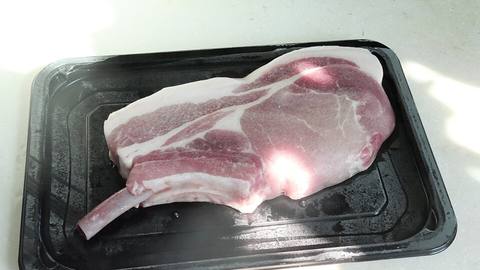
A raw pork chop on a black tray
LIMIT

Meat

Pork

Plain cooked pork with the fat trimmed off is an acceptable occasional protein. The reason for the LIMIT rating is everything else: raw pork, fat, bones, seasoning, and cured products such as bacon, ham and sausage.

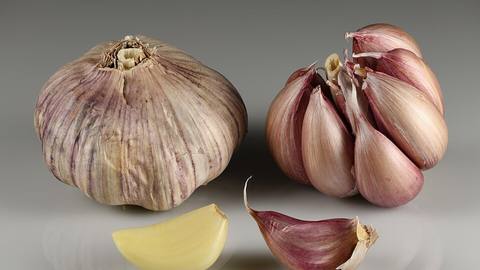
Whole garlic bulbs with a loose clove in front
TOXIC

Herbs

Garlic

Garlic is an Allium, like onion, and Allium exposure can damage a dog's red blood cells. Raw, cooked, dried and concentrated forms, including powders, supplements and garlic bread, should not be treated as dog-safe foods. Contact a vet promptly after any ingestion.

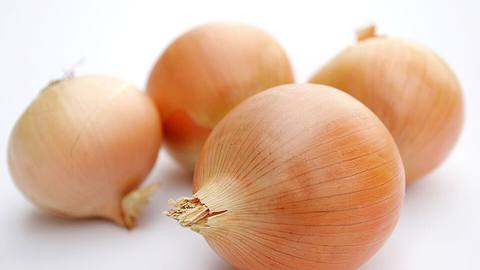
Three whole brown onions
TOXIC

Vegetables

Onions

Onions belong to the Allium family, and Allium exposure can damage a dog's red blood cells and lead to anaemia. Raw, cooked, dried and powdered onion are all a concern, as are sauces, broths and seasoned dishes that contain them. Contact a vet promptly after any ingestion.

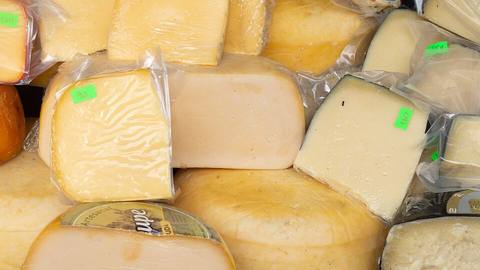
Wedges and rounds of cheese stacked on a market stall
LIMIT

Dairy

Cheese

Small amounts of plain, low-salt cheese are tolerated by many dogs, but cheese is high in fat and salt and many dogs are lactose intolerant.

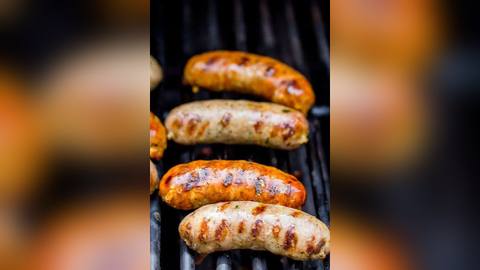
Raw sausages cooking on a barbecue grill
AVOID

Meat

Sausage

A sausage is a processed product, and depending on the recipe it can carry a lot of salt, a lot of fat, and seasonings that matter. Plain, unseasoned cooked meat is a separate question.

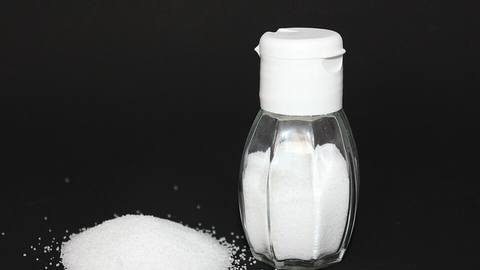
A shaker of salt and a small pile of salt crystals
AVOID

Other

Salt

Don't add salt to treats or table scraps for your dog. If you know your dog ate only a small bite of an ordinary salted food, that's different from eating loose salt, salt dough or de-icing salt, or drinking seawater.

Browse every food in our A–Z guide