Can Dogs Eat Salt?

AVOID

AVOID — We don't recommend deliberately adding or feeding plain salt. This page can't determine a safe amount for an individual exposure.

Don't add salt to treats or table scraps for your dog. If you know your dog ate only a small bite of an ordinary salted food, that's different from eating loose salt, salt dough or de-icing salt, or drinking seawater.

Main sources: Merck Veterinary Manual — Salt Toxicosis in Animals (Larry J. Thompson, DVM, PhD, DABVT); Pet Poison Helpline — Salt

AVOID here is a feeding recommendation, not a poison classification. If you know a healthy, symptom-free dog ate only a small amount of an ordinary salted food and no independently hazardous ingredient is present, keep normal fresh water available and ask a vet if you are uncertain. Contact a vet or emergency vet promptly after loose salt, salt dough or homemade play dough, de-icing salt, brine or substantial seawater, after an unknown amount, or if any symptoms appear. Do not use salt or salt water to make a dog vomit.

On this page
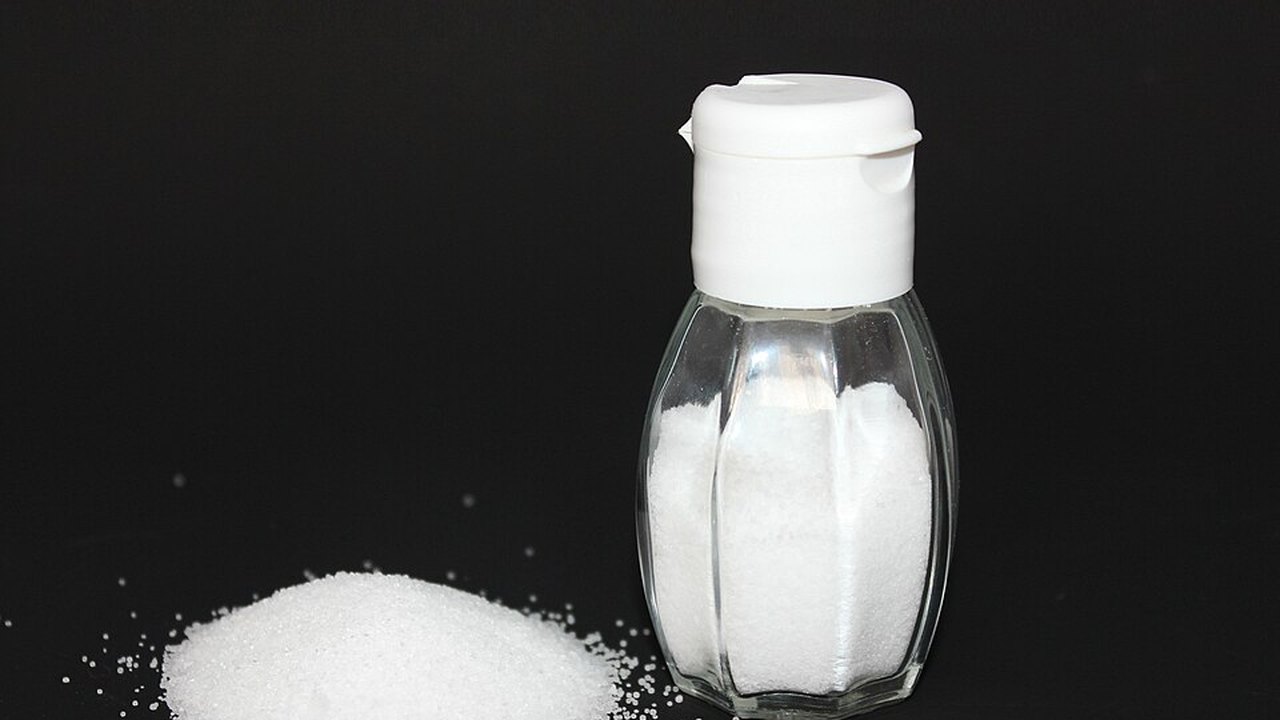
A shaker of salt and a small pile of salt crystals

Quick answer

Category
Other
Recommended preparation
Not recommended — do not add salt to treats or table scraps
Main concern
Salt toxicosis after excessive sodium chloride, especially with limited water
Suitable as everyday food
No

The full answer

Veterinary sources describe poisoning after excessive sodium chloride intake, especially when access to fresh water is limited; reported effects include digestive and neurological signs. We don't recommend deliberately adding or feeding plain salt. If the dog ate or drank a concentrated source, the amount is uncertain, or symptoms appear, contact a vet or emergency vet promptly.

This page isn't about the sodium already balanced into a complete dog food or a diet formulated for your dog by a veterinary nutrition professional. It answers a different kitchen question: whether to add table salt to treats or table scraps. Don't change a diet formulated for your dog by a veterinary nutrition professional without their advice.

AVOID means "don't deliberately add or feed plain salt"; it doesn't establish a feeding allowance or make a salty product suitable. It's separate from assessing poisoning risk after excessive salt intake.

Risks and Things to Know

  • The veterinary sources describe salt toxicosis after excessive sodium chloride intake. Real-world sources include loose salt, homemade play dough or salt-dough ornaments, de-icing salt and excessive seawater consumption. That is different from finding that a known food contains some salt.
  • The product, amount, dog, symptoms and access to water all matter when assessing an exposure.
  • Crisps, salted nuts, seasoned popcorn, cured meats, sauces and ready meals contain multiple ingredients. Their salt content varies, and they may contain ingredients that change the answer entirely. Onion, garlic, chocolate, xylitol and alcohol present separate risks to dogs.
  • Reported effects of excessive salt include vomiting, diarrhoea, depression or weakness, poor coordination, disorientation, tremors, seizures and collapse; increased thirst or urination may also occur.
  • Do not wait for a complete list of signs if the dog may have eaten a concentrated source. Contact a vet or emergency vet and describe the exact product, estimated amount, timing, the dog and any symptoms.

How much is okay?

Don't deliberately add salt to treats or table scraps.

If you offer a treat, choose a food that suits dogs and check its ingredients and preparation. Being unsalted doesn't by itself make a food suitable.

How Should I Prepare It?

  • Do not add salt to treats or table scraps for your dog.
  • Do not change a diet formulated for your dog by a veterinary nutrition professional without their advice.
  • Keep loose salt, salt grinders and salt containers off worktops the dog can reach.
  • Store homemade play dough and salt-dough decorations out of reach, and never as a dog toy.
  • Keep de-icing salt, brine and salted cooking liquid away from the dog, and rinse salty paws rather than letting the dog lick them.
  • At the beach, offer fresh drinking water often and interrupt seawater drinking.
  • With any snack or ready meal, read the full ingredient list before sharing anything.
What If My Dog Ate Too Much?

First identify the product and read the full ingredient list. If you know a healthy, symptom-free dog ate only a small amount of an ordinary food and no independently hazardous ingredient is present, that is different from eating or drinking a concentrated salt source or an unknown amount. Keep normal fresh water available and ask a vet if you are uncertain.

Contact a vet or emergency vet promptly after loose salt, salt dough or homemade play dough, de-icing salt, brine or substantial seawater exposure, after an unknown amount, or if any symptoms appear.

Do not use salt or salt water to make a dog vomit, do not force water, and do not try to correct a suspected electrolyte problem at home.

This guide is for general educational purposes and isn't a substitute for advice from your veterinarian. If your dog has eaten something potentially toxic or is showing concerning symptoms, contact a veterinarian promptly.

Frequently Asked Questions

Excessive salt intake can cause poisoning, and the risk depends on the amount and circumstances. AVOID is the feeding recommendation not to deliberately add or feed plain salt; it does not rule out poisoning after excessive intake. Contact a vet or emergency vet promptly if the dog ate loose salt, salt dough, de-icing salt or another concentrated source, if the amount is uncertain, or if symptoms appear.

If you know your dog ate only one crisp, that is different from eating loose salt or salt dough. Check the ingredients and your dog. Call a vet if the product or amount is uncertain, another hazardous ingredient is present, or the dog is unwell.

Contact a vet or emergency vet promptly. These products can contain a large amount of salt and are documented sources of severe salt toxicity.

Excessive seawater consumption is a recognised salt-poisoning exposure. Stop further access and contact a vet for advice if more than an incidental taste may have been swallowed, the amount is uncertain or symptoms occur. Do not use this article to estimate a dose.

No. Pet Poison Helpline explicitly warns not to use salt or salt water to induce vomiting because doing so can cause salt poisoning. Call a vet instead.

How this guide was written

Last updated 12 October 2026. We write from widely published, mainstream pet-health sources and avoid presenting feeding amounts as veterinary prescriptions.

Browse every food in our A–Z guide