The full answer
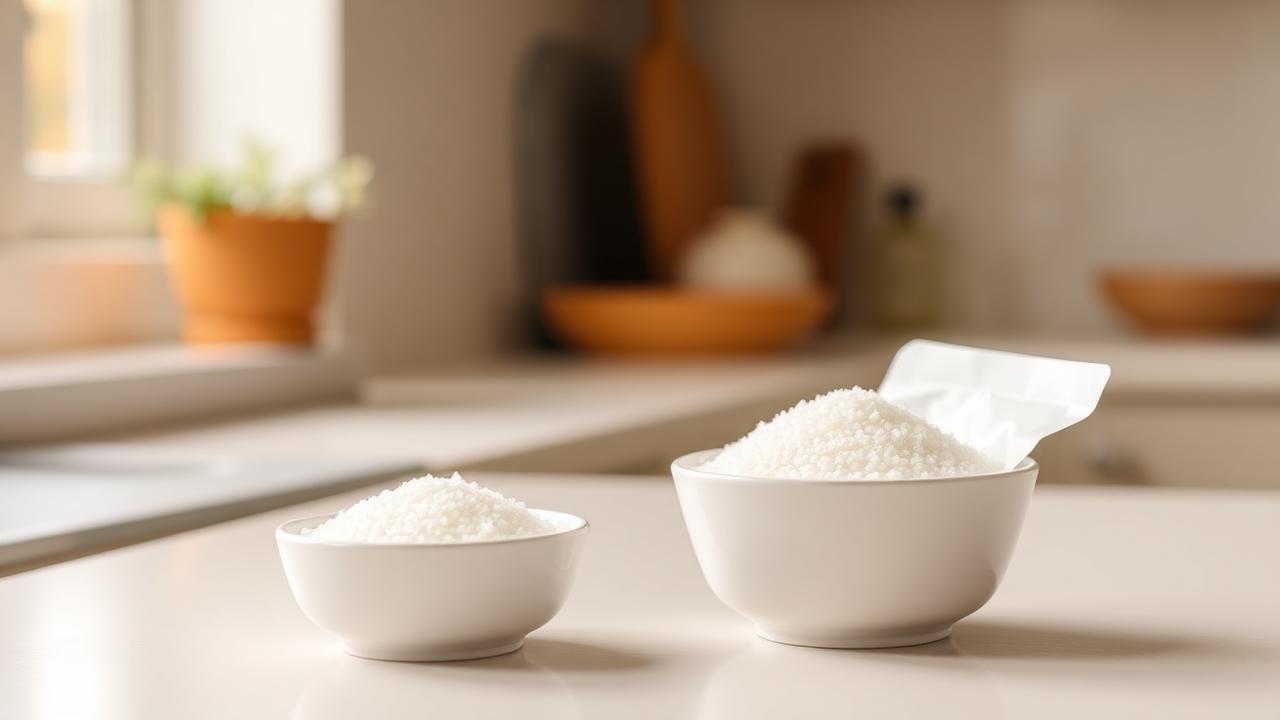
Xylitol is a sugar alcohol used as a sweetener in sugar-free and reduced-sugar products. In people it's handled uneventfully, but dogs respond very differently: it can prompt a rapid, dose-related release of insulin, which in turn can make blood sugar fall dangerously low.
Veterinary toxicology sources also describe liver injury in dogs after xylitol ingestion. That effect is less predictable than the low-blood-sugar effect, and it can appear even when a dog seemed reasonably well at first.
That's why xylitol sits outside our usual framing of preparation and portion size. There's no serving of a xylitol-sweetened product that we'd describe as an appropriate treat for a dog.
The practical problem for owners is that xylitol is easy to miss. It turns up in products people don't think of as food, and it isn't always listed under the name xylitol: birch sugar and the additive number E967 refer to the same ingredient.
Is Xylitol Good for Dogs?
No. Xylitol offers dogs no nutritional benefit, and there is no situation in which it is worth the risk.
If you want a lightly sweet treat, whole fruit that is already on the safe list is a far better choice than anything sweetened artificially.
Risks and Things to Know
- A sudden, potentially severe fall in blood sugar, which can develop quickly after ingestion.
- Liver injury, which veterinary sources report in dogs after xylitol ingestion and which may not be obvious straight away.
- Signs owners may notice include vomiting, weakness, unsteadiness, tremors, collapse or seizures — but a dog can look normal at first.
- Hidden exposure: many products give no obvious hint that they are sweetened with xylitol.
- Chewed packaging counts. Dogs that get into a handbag or a bin can swallow gum, mints or wrappers along with the sweetener.
How much is okay?
There's no safe amount to give on purpose. We don't publish dose calculations for xylitol, because working out at home whether an exposure was small enough is exactly the wrong approach with this ingredient.
If your dog has eaten, or may have eaten, something containing xylitol, treat it as urgent and contact your vet or an animal poison service straight away, even if your dog seems fine and you think the amount was small.
Don't wait for symptoms, and don't try to treat a suspected poisoning at home.
How Should I Prepare It?
- Keep gum, mints and sweets out of reach, including in bags, coat pockets and car door pockets.
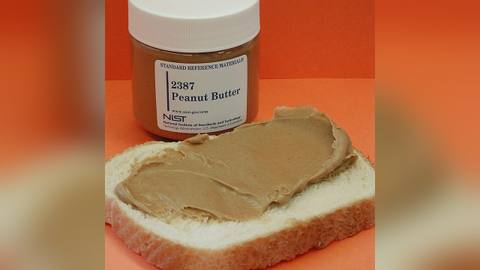
- Read the ingredient list on any nut butter before it goes anywhere near your dog, and buy brands whose only ingredients are nuts and perhaps salt.
- Store toothpaste, mouthwash, chewable supplements and medicines in closed cupboards rather than on bathroom shelves.
- Tell guests, children and dog sitters that sugar-free products are off limits for the dog.
- If you bake with xylitol, treat the whole kitchen as out of bounds during and after baking, and store the results well out of reach.