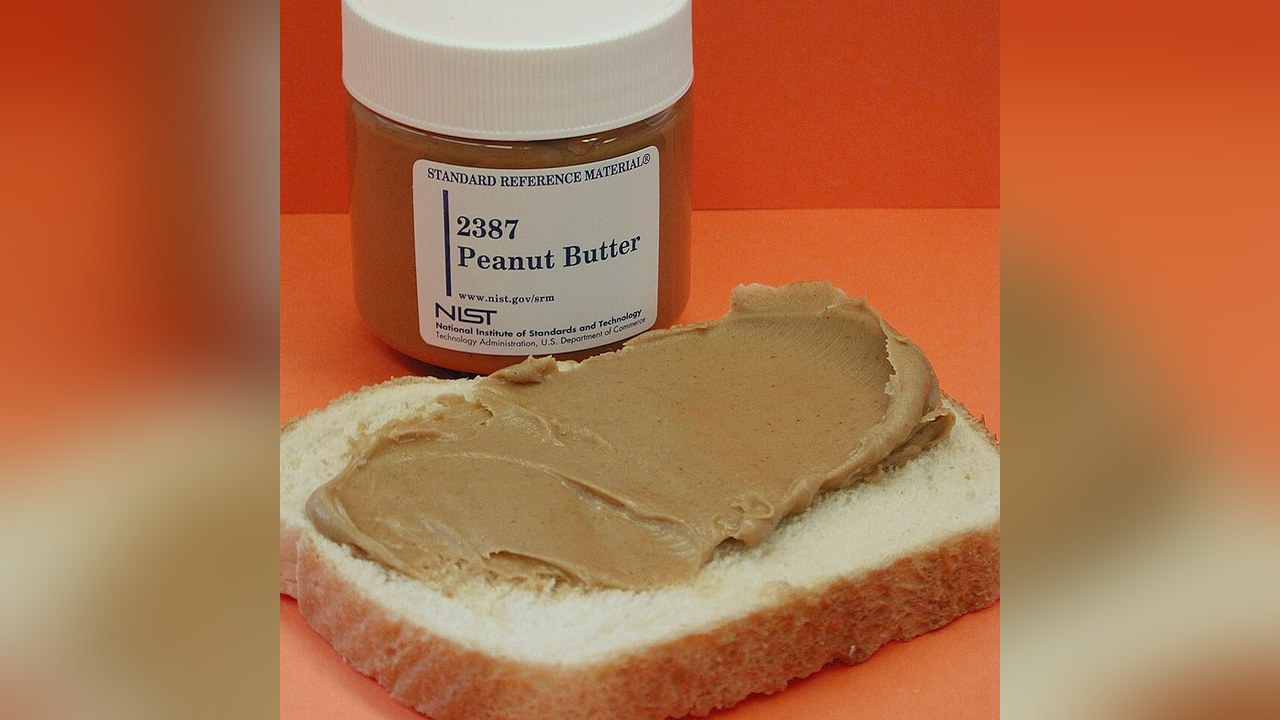
The full answer
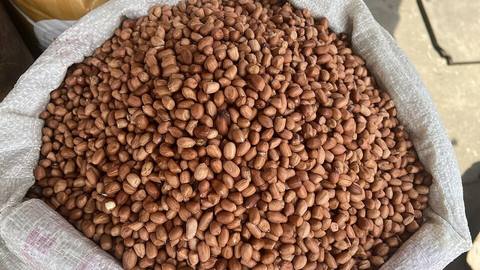
Peanut butter is one of the most popular dog treats in the world, mainly because it works so well in food toys and homemade biscuits.
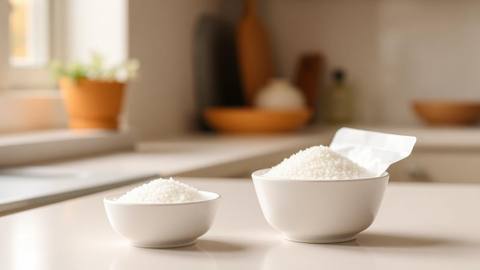
There's one critical safety issue: some peanut butters are sweetened with xylitol, also sold as birch sugar. Xylitol is considered dangerous to dogs even in small amounts, so check the label every single time.
Why LIMIT rather than SAFE: plain peanut butter isn't toxic to dogs. The rating reflects how rich it is. Peanut butter is high in fat and calories, so portion control matters, especially for small, overweight or pancreatitis-prone dogs. Xylitol (birch sugar) is a separate ingredient problem: it's dangerous to dogs, but its presence in some products doesn't make plain peanut butter itself poisonous.
Other nut butters shouldn't be assumed to share this rating. Different nuts raise different concerns (macadamia nuts, for example, are toxic to dogs), and any nut butter can contain added salt, sugar, xylitol or chocolate. Check the specific nut and the full ingredients list, and look up that food separately.
Powdered peanut butter is sold as a lower-fat product, but we haven't found veterinary guidance that assesses it specifically, so we don't give it a separate recommendation. The same label rules apply: no xylitol or birch sugar, and avoid products with added sugar, salt or sweeteners.
Is Peanut Butter Good for Dogs?
Plain peanut butter supplies protein and fats, but dogs on a complete diet do not need it nutritionally.
Its practical value is enrichment — smeared in a food toy it can keep a dog occupied and slow down eating.
Potential benefits
- Excellent for stuffing food toys and enrichment
- Highly motivating for training and grooming cooperation
- Binds homemade treat recipes together
Risks and Things to Know
- Xylitol / birch sugar is dangerous to dogs — always read the ingredients list
- Very high in fat and calories; can contribute to weight gain and pancreatitis risk
- Salted varieties add unnecessary sodium
- Chocolate-hazelnut and flavoured spreads are not peanut butter and are not safe
- Thick spoonfuls can be a choking risk — smear rather than dollop
- Peanut allergy is possible in dogs — offer a very small amount first and watch for signs of a reaction
How much is okay?
A thin smear is a common occasional amount: roughly half a teaspoon for a small dog, up to about a teaspoon for a large one.
It's calorie-dense, so count it within your dog's treat allowance. Check the label first, because some peanut butters contain xylitol, which is dangerous for dogs. Ask your vet if your dog is overweight or has had pancreatitis.
How Should I Prepare It?
- Read the full ingredients list and confirm there is no xylitol or birch sugar.
- Choose plain, unsalted, unsweetened peanut butter — ideally 100% peanuts.
- Spread thinly in a food toy or lick mat rather than feeding by the spoonful.
- Store food toys frozen for longer-lasting enrichment.