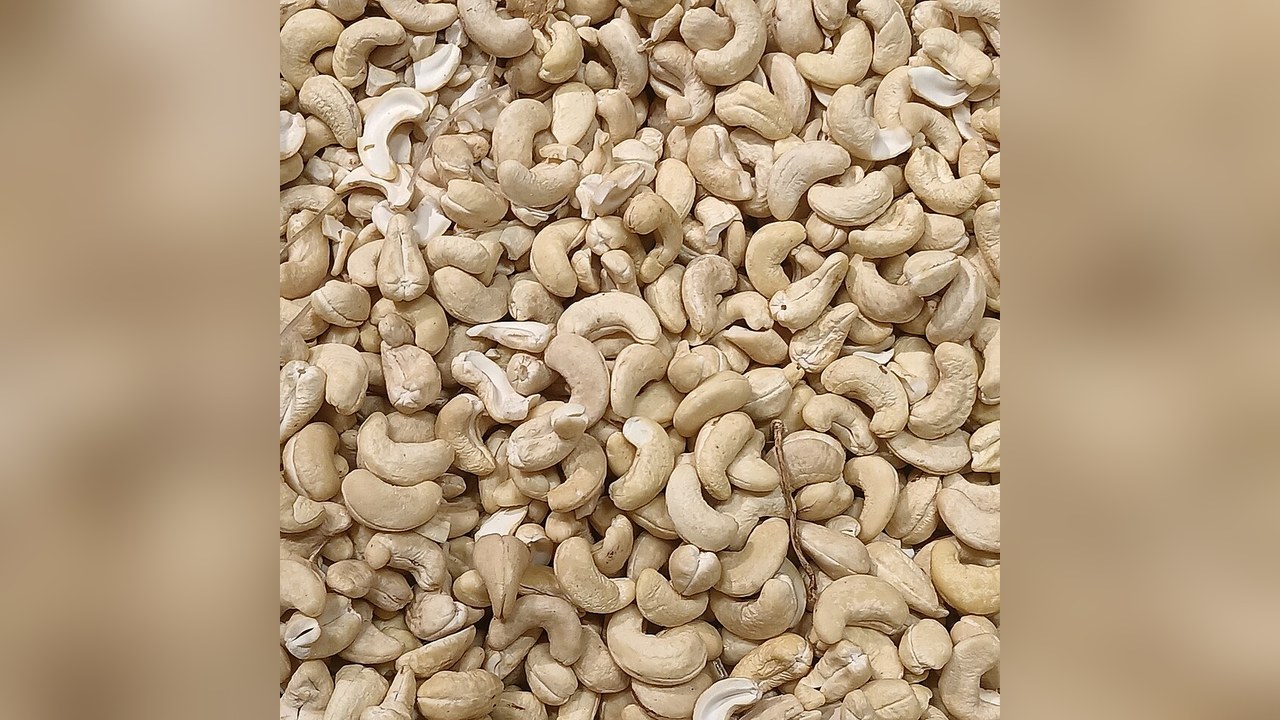
The full answer
Cashews aren't a classic dog poison. They're not in the same category as macadamia nuts, which cause a recognised, dog-specific toxicosis. A plain, unsalted cashew eaten by a healthy dog isn't an emergency, and that's the honest starting point for this page.
We still rate them LIMIT, because the practical problems are real. Cashews are energy-dense and high in fat. A handful given to a small dog is a significant fat load, and rich, fatty foods are discussed in veterinary sources as a possible trigger for pancreatitis in susceptible dogs. Pancreatitis is painful, sometimes serious, and much easier to avoid than to treat. Even short of that, a fatty snack often produces vomiting and diarrhoea.
Then there's what cashews actually come as. Most packets are salted, and many are honey-roasted, chilli-coated or dusted with onion or garlic powder. Salt loading is a genuine concern in dogs, and onion and garlic seasonings are unsuitable. Whole nuts are also a choking hazard for small dogs and a plausible blockage risk, particularly if a dog swallows several without chewing.
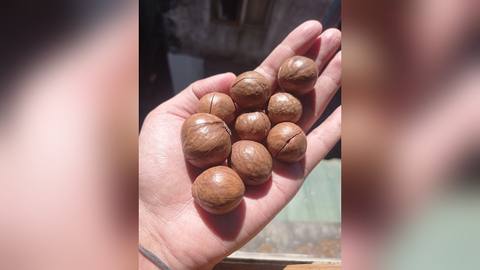
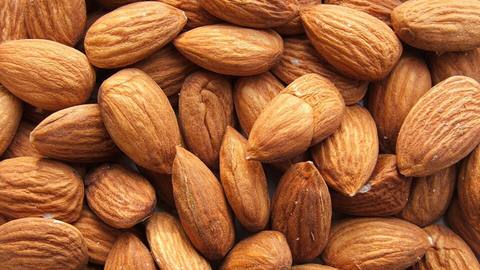
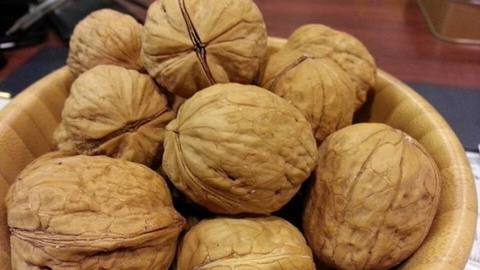
The one thing we'd ask everyone to remember is the mixed-nut problem. A bowl of party nuts or a supermarket mixed-nut tub may contain macadamia nuts, and macadamias are a different situation altogether. If your dog has eaten from a mixed selection, treat it as a possible macadamia exposure and phone your vet rather than assuming the nuts were all cashews.
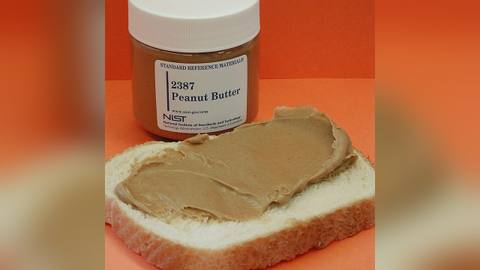
Cashew butter follows the same logic as any nut butter. If it's plain and made from cashews alone, a small smear isn't dangerous, but it's very calorie-dense. The label matters more than the nut: sweetened nut butters sometimes contain xylitol, which is a serious poisoning risk for dogs, and that's worth checking every single time.
Are Cashews Good for Dogs?
Not in any way that justifies feeding them. Cashews contain protein, healthy fats and minerals such as magnesium and copper, but a dog on a complete diet already gets all of these, and the calorie cost is high for what is essentially a snack. If you want to give your dog a treat, there are lower-fat options with none of the choking, salt or mixed-nut complications. We would not add cashews to a dog's diet for nutritional reasons.
Potential benefits
- Not toxic to dogs in the way macadamia nuts are, so an accidental plain cashew is usually not an emergency
- Contains protein, unsaturated fat and minerals, though nothing a complete diet is missing
Risks and Things to Know
- High in fat and calories, which can cause vomiting and diarrhoea and may contribute to pancreatitis in susceptible dogs
- Whole nuts are a choking hazard and a possible obstruction risk in small dogs
- Salted, honey-roasted and spiced cashews add sodium, sugar and seasonings such as onion and garlic powder
- Mixed nut packets may contain macadamia nuts, which do cause a recognised toxicosis in dogs
- Regular feeding contributes to weight gain in a way that is easy to underestimate
- Nut butters may contain xylitol, which is dangerous to dogs even in small amounts
How much is okay?
If you give cashews at all, one or two plain unsalted nuts for a larger dog, and less or none for a small one. It's an occasional treat, not something to hand out from the bowl.
The limit isn't about poison. It's about fat, calories and choking, which depend on your dog's size and health. Dogs with a history of pancreatitis, on a low-fat or prescription diet, or overweight should not have cashews.
How Should I Prepare It?
- Choose plain, unsalted, unflavoured cashews if you offer any
- Give only one or two, and break them into pieces for smaller dogs
- Never offer nuts from a mixed nut selection
- Skip salted, roasted-and-seasoned, honey-coated and chocolate-covered cashews entirely
- Check any cashew butter label for xylitol and added salt or sugar before offering a smear
- Keep nut bowls and packets off low tables where a dog can help itself