Can Dogs Eat Almonds?

AVOID

AVOID — Ordinary sweet almonds aren't classed as a dog poison, but we recommend not feeding them.

Almonds aren't toxic to dogs the way macadamia nuts or grapes are. We'd skip them for practical reasons: whole nuts can choke or block, the fat can upset digestion, and most almond products are salted, coated or flavoured.

Main sources: American Kennel Club — Can Dogs Eat Almonds?; PetMD — Can Dogs Eat Almonds?

If your dog has already eaten almonds, contact your veterinarian or an animal poison control service straight away — even if your dog seems fine.

See our guide to common toxic foods for dogs for the wider picture.

On this page
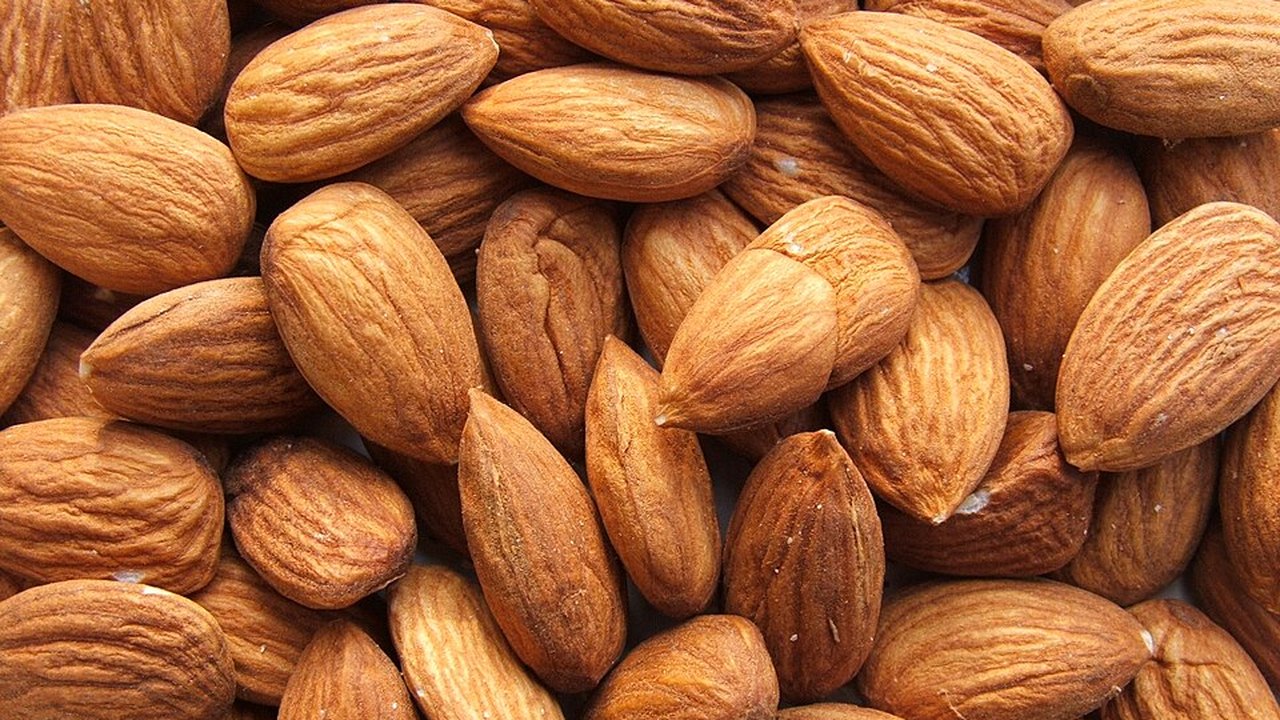
A pile of whole raw almonds

Quick answer

Category
Nuts & Seeds
Recommended preparation
Not recommended; choose a dog-friendly treat instead
Main concern
Choking and blockage from whole nuts, plus high fat and added salt
Suitable as everyday food
Not recommended

The full answer

Here's what AVOID means for almonds. We're not saying ordinary sweet almonds are a dog poison. Veterinary advice sources don't list them alongside grapes, xylitol or macadamia nuts. Our recommendation is about practical risk, not toxicity.

The first problem is physical. Almonds are hard, about the size of a small dog's airway, and dogs often swallow food without chewing it properly. That makes whole nuts a real choking hazard, and in smaller dogs a possible blockage further down.

The second is fat. Nuts are packed with energy, and a dog that helps itself to a bowlful can end up with vomiting or diarrhoea. Very fatty meals are also mentioned in veterinary advice as a trigger for pancreatitis in susceptible dogs, though the link varies between individual animals and we wouldn't overstate it for a handful of nuts.

The third is everything that comes with almonds in real life: salt, smoke flavouring, honey coating, chocolate coating, or a seasoning mix that may include onion or garlic powder. Those extras are often a bigger problem than the nut itself.

Bitter almonds are a separate matter. They're not the almonds sold as snacks in supermarkets, and they contain cyanogenic compounds, which is why they aren't sold for casual eating. If you keep them for baking, store them well away from your dog and talk to a vet about any ingestion.

Are Almonds Good for Dogs?

Not particularly. Almonds contain fat, protein and some vitamin E, but nothing your dog cannot get more safely from their normal diet.

There is no nutritional argument strong enough to outweigh the choking and fat concerns, so we treat almonds as a food to leave out rather than one to ration.

Risks and Things to Know

  • Choking on a whole nut, especially in small and medium dogs that bolt their food.
  • Blockage in the digestive tract if several whole nuts are swallowed.
  • Digestive upset from the fat content: vomiting, loose stools or a reduced appetite.
  • Salted, smoked, honey-roasted or chocolate-coated almonds add salt, sugar or, in the case of chocolate, a genuinely toxic ingredient.
  • Seasoned nut mixes may contain onion or garlic powder, which are a real concern for dogs.
  • Bitter almonds, which are not the ordinary snack variety, contain cyanogenic compounds and should be kept away from pets entirely.

How much is okay?

We don't recommend almonds as a treat, so there's no portion to suggest.

If your dog swallows one plain almond and seems fine, that's usually a small event. Watch for coughing, retching or repeated vomiting, and call your vet if you see any. Call sooner if the almonds were chocolate-coated, if a lot was eaten or if your dog is very small.

Dogs with a history of pancreatitis or a sensitive stomach should stay away from nuts altogether.

How Should I Prepare It?

  • Keep nut bowls off coffee tables and low surfaces, particularly when guests are visiting.
  • Choose a plain dog-friendly treat rather than trying to make almonds safe by chopping them.
  • If you use almond butter in home baking for dogs, check the ingredient list for added sweeteners and keep portions very small; a nut butter with no added sweetener is the only sort worth considering.
  • Store almond flour and baking supplies in closed containers.
  • Never offer chocolate-coated or heavily seasoned nuts under any circumstances.
Can Puppies Eat Almonds?

Puppies are the group we would be strictest with. Smaller airways, enthusiastic swallowing and no judgement about what fits make whole nuts a poor idea.

Puppy digestive systems also handle fatty foods less gracefully than an adult dog's.

If a puppy swallows an almond, keep a close eye on breathing and appetite and call your vet if anything seems off.

What If My Dog Ate Too Much?

A dog that has eaten a lot of almonds may vomit, pass loose stools or seem uncomfortable. Withhold further treats, keep water available and contact your vet if it continues beyond a mild, short-lived upset.

Choking is the urgent scenario: coughing, gagging, pawing at the mouth or difficulty breathing needs immediate veterinary help.

Repeated vomiting, a painful abdomen, a hunched posture or refusal to eat after a fatty binge should be seen promptly rather than monitored at home.

Mention any coating or seasoning when you call, since chocolate, salt or onion and garlic powder may change the advice.

This guide is for general educational purposes and isn't a substitute for advice from your veterinarian. If your dog has eaten something potentially toxic or is showing concerning symptoms, contact a veterinarian promptly.

Frequently Asked Questions

Ordinary sweet almonds are not classed as toxic to dogs. We still recommend avoiding them because of choking, blockage, fat content and the salt or coatings on most almond products.

A single plain almond is usually a minor event in a healthy dog. Watch for coughing, gagging or repeated vomiting, and call your vet if any of that happens or if the nut was coated.

A very small amount of plain almond butter with no added sweetener is unlikely to cause harm, but it is fatty and offers no advantage over a dog-safe treat. Always check the label for xylitol.

Small amounts of plain unsweetened almond milk are not usually a problem, but it is not a useful drink for dogs, and sweetened versions may contain added sugars or sweeteners. Water is better.

Almond flour used in small amounts in home baking is not considered toxic, but it is high in fat and calories. Keep the quantity modest and treat the result as an occasional biscuit.

Yes. Salted, smoked, honey-roasted and seasoned nuts add sodium, sugar or flavourings, and seasoning mixes may contain onion or garlic powder, which is a real concern for dogs.

Yes. Bitter almonds are not the snack variety and contain cyanogenic compounds. Keep them well away from your dog and contact a vet if any are eaten.

Very fatty foods are discussed as a possible trigger in susceptible dogs, but one nut is not the same as a large fatty meal. Dogs with a history of pancreatitis should avoid nuts entirely.

How this guide was written

Last updated 12 October 2026. We write from widely published, mainstream pet-health sources and avoid presenting feeding amounts as veterinary prescriptions.

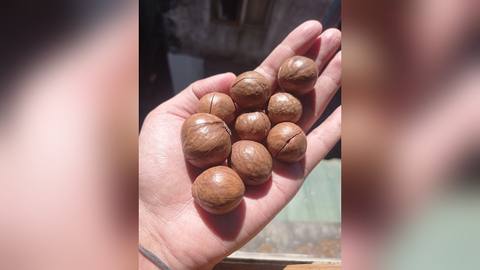
Shelled macadamia nuts in an open hand
TOXIC

Nuts & Seeds

Macadamia Nuts

Macadamia nuts are one of the few foods with a well-described, dog-specific toxic syndrome. Affected dogs typically show weakness, wobbliness, vomiting and sometimes a raised temperature. Most recover with veterinary care, but no amount is an appropriate treat.

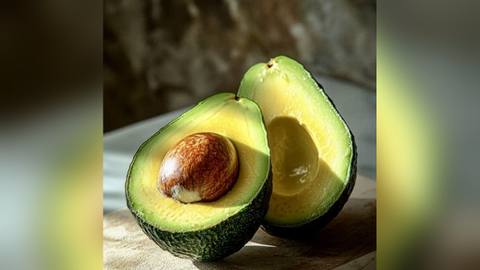
A halved avocado showing the pit, next to the other half
AVOID

Fruit

Avocado

Dogs are much less sensitive to avocado than birds and some livestock. The practical dog risks are the pit, which can choke or block, the high fat content, and guacamole, which usually contains onion and garlic.

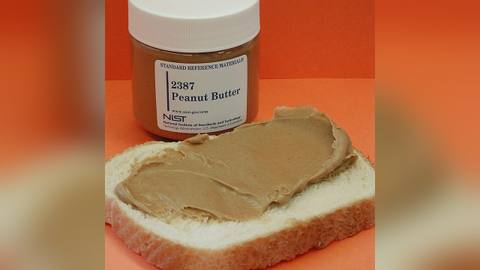
A jar of peanut butter beside a slice of bread spread with it
LIMIT

Nuts & Seeds

Peanut Butter

Plain peanut butter with no xylitol (birch sugar) is a popular dog treat, but it's very high in fat and calories. Always check the label first.

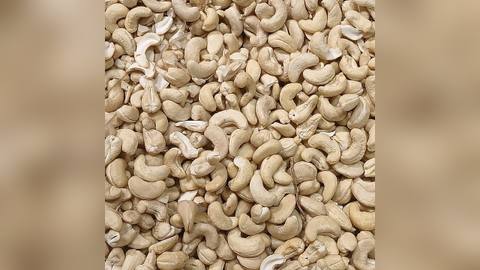
A heap of raw cashew nuts
LIMIT

Nuts & Seeds

Cashews

A plain cashew or two is unlikely to harm most dogs. The concerns are fat, calories, choking, salted and flavoured products, and mixed nut packets that may contain macadamias.

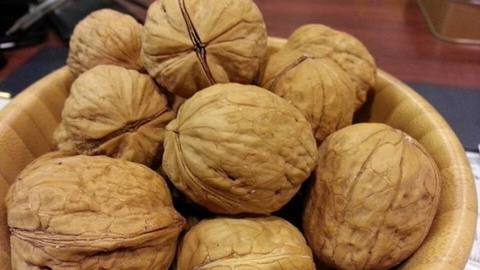
A wooden bowl of whole walnuts in their shells
AVOID

Nuts & Seeds

Walnuts

Plain English walnuts aren't automatically highly toxic, yet fat, choking, shells, mould and the more concerning black walnut add up. We recommend keeping walnuts away from dogs.

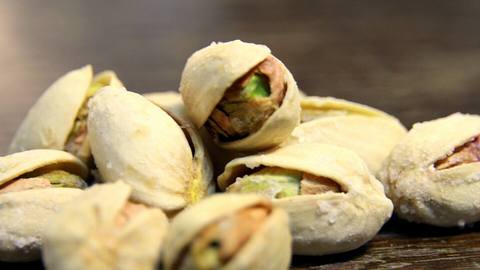
Pistachios in their opened shells
AVOID

Nuts & Seeds

Pistachios

We recommend not feeding pistachios. Shells and whole nuts can cause choking or a blockage, pistachios are often sold salted, the nuts are high in fat, and they can carry mould toxins even when no mould is visible. A few plain nuts are unlikely to harm a healthy dog.

Browse every food in our A–Z guide