The full answer
Avocado has a reputation online as being highly toxic to dogs, and that reputation doesn't match what veterinary sources actually say. The compound usually named, persin, is a real concern in some species, and birds and certain livestock are notably sensitive, but dogs are described as considerably more resistant. Repeating a bird-and-horse risk as if it applies identically to dogs would be misleading.
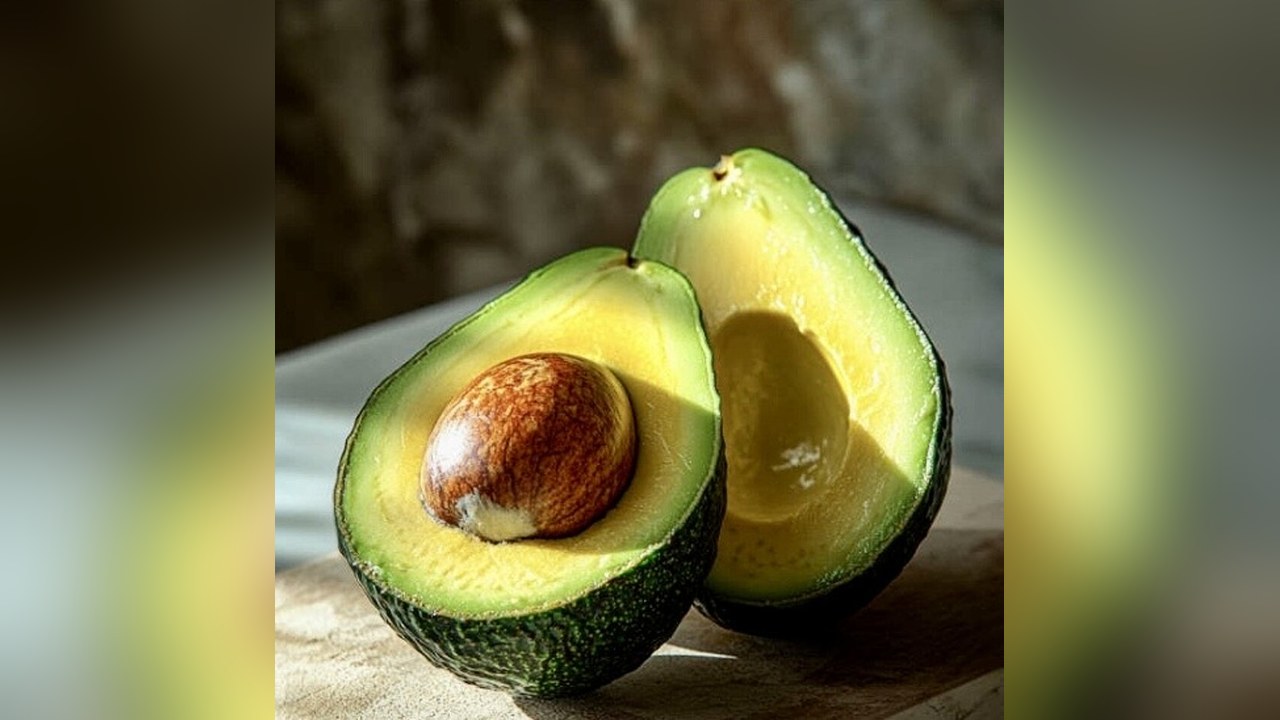
So why AVOID? Because the practical hazards are real even when the toxicity concern is overstated. The most immediate is the pit. It's large, smooth and hard, and it's a plausible choking hazard as well as a cause of intestinal obstruction, which can need surgery.
Second, avocado flesh is very high in fat. A dog that gets into a bowl of it can end up with vomiting and diarrhoea, and very rich meals are discussed in veterinary advice as a possible trigger for pancreatitis in susceptible dogs.
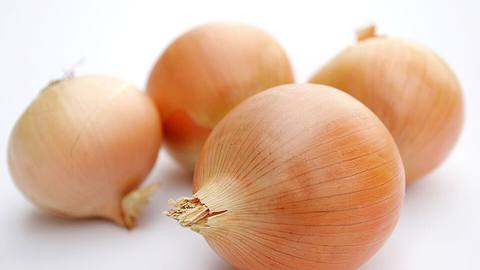
Third, most avocado in a household isn't plain avocado. It's guacamole, and guacamole usually contains onion and garlic, sometimes salt and chilli. Those ingredients matter more for a dog than the avocado does; our onion and garlic guides explain why.
The leaves, bark and skin of the avocado plant are a separate matter from the fruit and are best kept away from pets entirely, particularly if you have a tree or a houseplant.
To be clear about where we stand: AVOID is our cautious recommendation, not a claim that a small piece of ripe avocado flesh automatically poisons a dog. If your dog licks some off a plate, that's usually a watch-and-see situation, not an emergency. We just don't think there's a good reason to feed it when safer fruits exist.
Is Avocado Good for Dogs?
Not in any way that matters. Avocado contains healthy fats and vitamins for people, but dogs on a complete diet do not need them from this source.
The nutritional upside is small and the practical downsides — the pit, the fat and the guacamole problem — are easy to avoid by choosing another fruit.
If you want a fruit topper, several already on our safe list do the job with none of these complications.
Risks and Things to Know
- The pit is a choking hazard and a well-recognised cause of intestinal obstruction, which may require surgery.
- High fat content can cause vomiting and diarrhoea, and rich meals are discussed as a possible pancreatitis trigger in susceptible dogs.
- Guacamole typically contains onion and garlic, which are unsafe for dogs, plus salt and sometimes chilli.
- Skin is tough and indigestible and adds nothing worth eating.
- Leaves, bark and other plant material should be kept away from pets entirely.
- Persin is a genuine concern in some species; dogs are described as more resistant, but that is a reason for calm rather than a reason to feed avocado.
How much is okay?
We don't recommend avocado, so there's no portion to suggest.
If your dog licked or ate a bit of plain ripe flesh, that's usually not an emergency. Watch for vomiting or loose stools over the next day. Call your vet if the pit was swallowed, if a lot of flesh was eaten, or if it was guacamole made with onion or garlic.
Dogs with a history of pancreatitis or on a low-fat diet should avoid it completely.
How Should I Prepare It?
- The simplest approach is to keep avocado off the menu and choose a dog-safe fruit instead.
- Dispose of pits straight into a closed bin rather than leaving them on a chopping board or in an open food-waste caddy.
- Keep guacamole, dips and loaded toast out of reach at parties and brunches.
- Do not offer skin, and do not let a dog chew a pit as a toy.
- If you grow avocado as a plant or a tree, keep fallen fruit and leaves picked up.
- Avocado oil used in a commercial dog food is a processed ingredient and a different matter from feeding fresh avocado; if you have questions about a specific product, ask your vet.