Can Dogs Eat Cranberries?

SAFE

SAFE — Yes, plain fresh cranberries are fine for dogs in small amounts.

Plain fresh or frozen cranberries aren't considered toxic to dogs. They're very tart, so many dogs turn them down, and the sweetened dried and sauced versions are the ones to leave alone.

Main sources: American Kennel Club — Can dogs eat cranberries?; ASPCA Animal Poison Control — People foods to avoid feeding your pets

See our guide to fruits dogs can and can't eat to compare this with the rest of the fruit list.

On this page
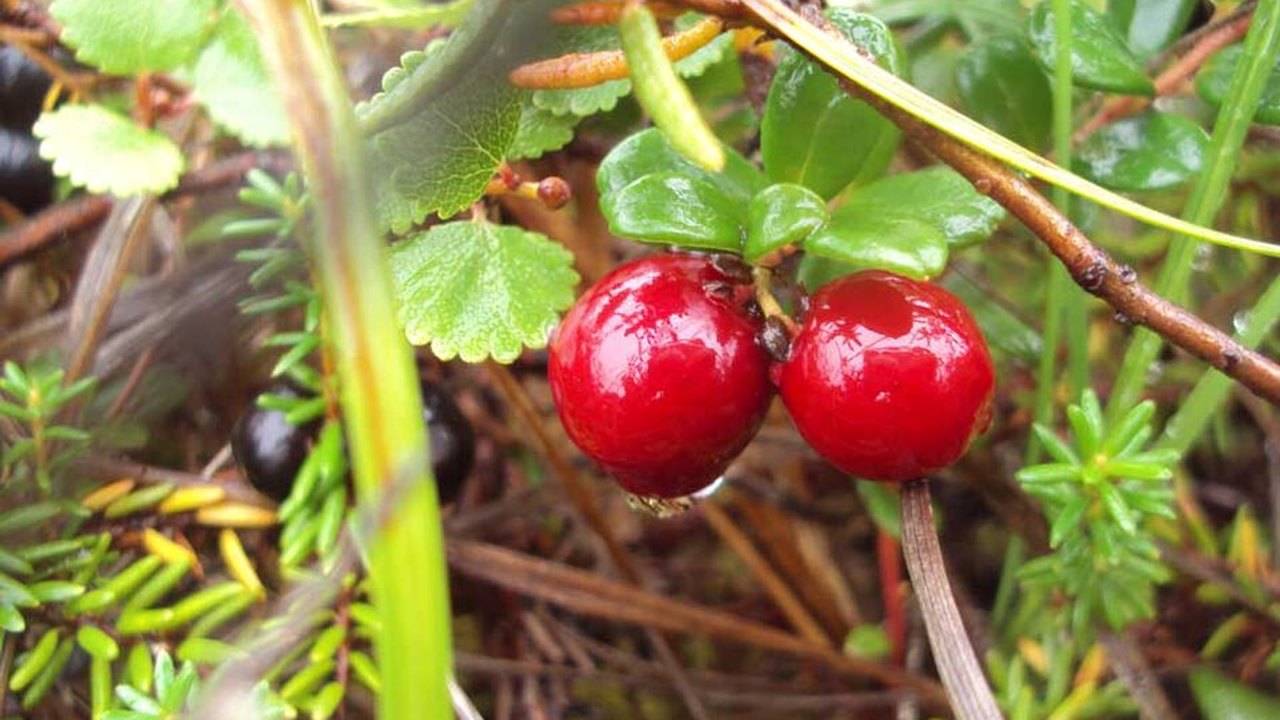
Two red cranberries growing among green leaves

Quick answer

Category
Fruit
Recommended preparation
Plain fresh or frozen berries, washed, served whole or halved
Main concern
Tartness, stomach upset in quantity, and added sugar in cranberry products
Suitable as everyday food
No — an occasional small treat

The full answer

Plain cranberries aren't on the standard veterinary lists of foods that poison dogs. A few fresh or frozen berries as a treat is a low-risk thing to do, and some dogs are genuinely curious about them.

The catch is the flavour. Cranberries are sharply tart and most dogs aren't impressed by the first taste. That's fine, since there's no reason a dog needs to eat them, and a rejected berry is a perfectly normal outcome, not a sign something is wrong.

The bigger practical issue is the form the cranberry comes in. Dried cranberries are usually sweetened, sometimes heavily, and often sit in trail mixes next to raisins and chocolate, both of which are a real problem for dogs. Cranberry sauce, cranberry juice drinks and cranberry-flavoured baked goods are sugar-led products, and some sugar-free versions contain xylitol, which is dangerous to dogs even in small amounts. When we say cranberries are safe, we mean plain berries and nothing else.

We don't make urinary-health claims for cranberries. They're widely marketed that way for people and in some pet supplements, but treating a suspected urinary problem is a job for a vet, not a handful of fruit. If your dog is straining, going more often or has blood in their urine, book an appointment rather than reaching for berries.

Are Cranberries Good for Dogs?

Cranberries are low in calories and high in water and fibre, which makes them an unremarkable but harmless small treat for a dog who likes them. They are not a food dogs need, and a dog on a complete diet is not missing anything by never eating one. We would treat cranberries as a novelty rather than a nutritional addition.

Potential benefits

  • Low in calories, so a few berries barely register against a day of food
  • High water content and a little fibre
  • Easy to portion — you can hand out one berry at a time

Risks and Things to Know

  • Very tart, so many dogs dislike them and some will spit them out
  • Eaten in quantity, the fibre and acidity can cause loose stools or an upset stomach
  • Dried cranberries are usually sweetened and often sit in mixes containing raisins, which are a serious kidney concern for dogs
  • Cranberry sauce, juice drinks and baked goods carry added sugar and sometimes xylitol
  • Whole firm berries can be gulped by small dogs — halving them removes that concern

How much is okay?

A few berries is plenty for most dogs, and one or two for a small dog trying them for the first time. Offer them on their own first so you can tell what caused any reaction.

How Should I Prepare It?

  • Use plain fresh or plain frozen cranberries only
  • Wash them before offering
  • Halve the berries for small dogs to avoid gulping
  • Serve plain — no sugar, syrup, yoghurt or sauce
  • Skip dried cranberries, cranberry sauce, cranberry juice and cranberry-flavoured baked goods
  • Check any sugar-free product for xylitol before it goes anywhere near your dog
Can Puppies Eat Cranberries?

A puppy can have a single halved berry out of curiosity, but there is no reason to make it a habit. Puppies have less settled digestion and are growing on a diet balanced for that job, so extras should stay very small and occasional. If a new food is followed by more than a day of loose stools, stop offering it and speak to your vet.

What If My Dog Ate Too Much?

A large amount of cranberries in one go most often shows up as loose stools, gas or a queasy dog. That usually settles on its own, but repeated vomiting, diarrhoea that continues beyond a day, blood in stools, or a dog who is flat and off their food are reasons to contact your vet. If your dog has eaten sweetened dried fruit that may have contained raisins or sultanas, contact your vet or an animal poison service straight away rather than waiting for symptoms.

This guide is for general educational purposes and isn't a substitute for advice from your veterinarian. If your dog has eaten something potentially toxic or is showing concerning symptoms, contact a veterinarian promptly.

Frequently Asked Questions

Yes. Plain fresh or plain frozen cranberries are not considered toxic to dogs, and a few berries make a low-risk occasional treat. They are very tart, so plenty of dogs will simply refuse them, which is fine.

We would skip them. Dried cranberries are usually sweetened, and they frequently appear in trail mixes and baked goods alongside raisins, sultanas and chocolate, which are genuine hazards for dogs. If your dog has eaten a mixed dried-fruit product, contact your vet or an animal poison service rather than waiting to see.

No. Cranberry sauce is a sugar product rather than a fruit serving, and homemade versions often contain orange zest, spices or alcohol. Sugar-free versions may contain xylitol, which is dangerous to dogs in small amounts.

We do not make that claim. Urinary symptoms in dogs — straining, going more often, accidents or blood in the urine — need a veterinary diagnosis, and delaying that in favour of a food is not a good trade. Ask your vet before giving any cranberry supplement.

A few is plenty, and one or two is sensible for a small dog or a first try. Eaten in quantity, cranberries can cause loose stools and an upset stomach, so treat them as a novelty rather than a portion of food.

How this guide was written

Last updated 12 October 2026. We write from widely published, mainstream pet-health sources and avoid presenting feeding amounts as veterinary prescriptions.

Browse every food in our A–Z guide