Can Dogs Eat Kiwi?

SAFE

SAFE — Yes, plain peeled kiwi is fine for dogs as an occasional small treat.

Kiwi flesh isn't considered toxic to dogs. Peel it, cut it into small pieces and keep the portion small: the skin is tough and a whole kiwi is a choking hazard.

Main sources: American Kennel Club — Can Dogs Eat Kiwi?; PetMD — Can Dogs Eat Kiwi?

See our guide to fruits dogs can and can't eat to compare this with the rest of the fruit list.

On this page
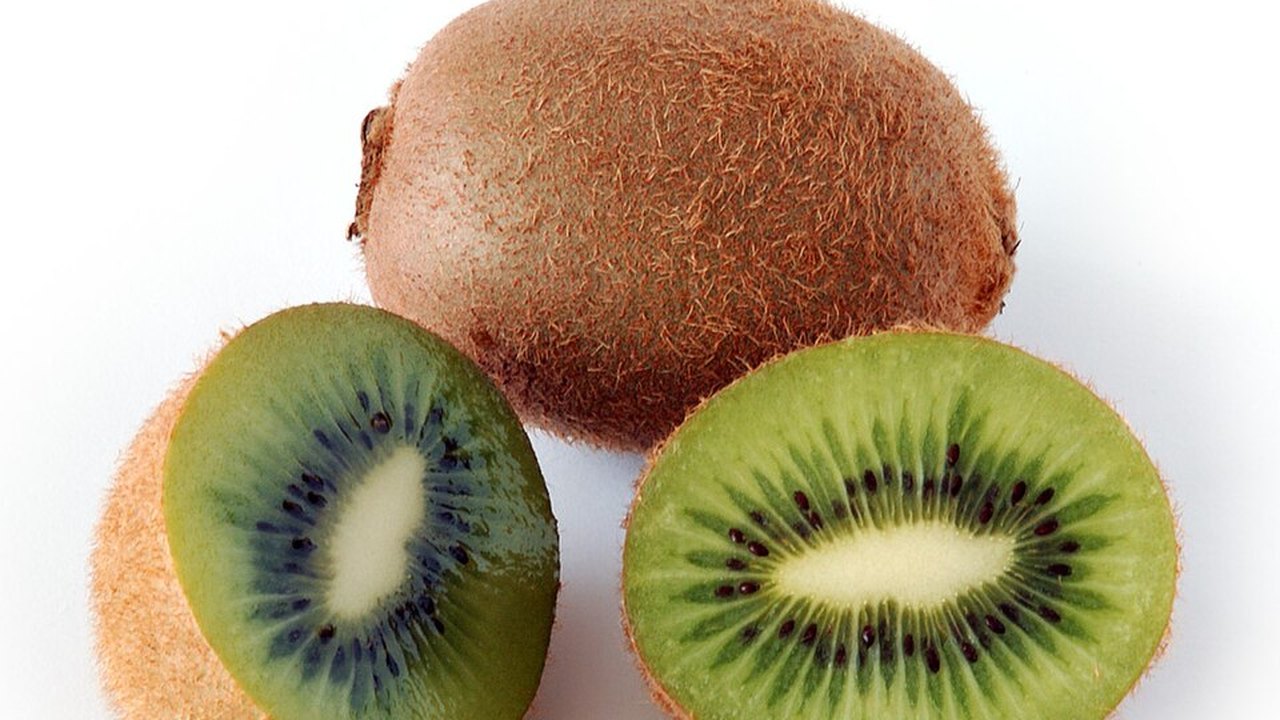
Whole and halved kiwi fruit showing the green flesh

Quick answer

Category
Fruit
Recommended preparation
Peeled, cut into small pieces, served plain
Main concern
Choking on whole fruit, and stomach upset from the sugar and fibre
Suitable as everyday food
No — an occasional small treat

The full answer

Kiwi isn't on the veterinary lists of foods that poison dogs, and a couple of small pieces of ripe, peeled flesh make a reasonable occasional treat for a dog that likes fruit. Dogs don't need it, and it isn't a superfood for them either. It's simply a sweet, fibrous fruit most dogs tolerate in small amounts.

The practical issues are size and preparation, not toxicity. A whole kiwi is about the size and shape of something that can lodge in a dog's throat, especially in a medium or small dog that swallows things whole. Cutting the fruit up removes that concern almost entirely.

The skin is the next question. It isn't poisonous, but it's tough and fibrous, and dogs are less well equipped than we are to break it down. For a small dog especially, unpeeled kiwi is more likely to cause gagging or an unhappy stomach than peeled flesh. We recommend peeling it; it takes a moment and settles the argument.

The tiny black seeds in the flesh are nothing like stone-fruit pits. They're small, soft and not a cyanide concern, so there's no need to pick them out. The realistic risk from kiwi is simply eating too much: fruit sugar and fibre in quantity can mean a loose, uncomfortable day.

Is Kiwi Good for Dogs?

Kiwi supplies water, fibre and vitamin C, and it is low enough in calories to work as a light treat. That said, dogs make their own vitamin C, and a dog on a complete diet is not missing anything that kiwi provides. We would not make health claims for it. Think of kiwi as a pleasant, harmless treat for a fruit-loving dog rather than something that improves your dog's health.

Potential benefits

  • High water content and low calorie density, which suits a light treat
  • Provides fibre and vitamin C, though dogs are not reliant on dietary vitamin C
  • A soft option for dogs who dislike crunchy treats

Risks and Things to Know

  • A whole kiwi is a genuine choking and obstruction hazard, especially for small and medium dogs
  • The skin is tough and fibrous and harder for a dog to digest than the flesh
  • The natural sugar and fibre can cause loose stools or stomach upset if a dog eats a lot
  • Not suitable as a regular food for diabetic dogs or dogs on strict calorie control without veterinary advice
  • Kiwi in fruit salads, yoghurts or desserts may come with sweeteners, including xylitol, which is a serious concern

How much is okay?

A few small pieces is plenty for most dogs, and less for a small one. Offer it once, on its own, and see how the stomach copes before giving it again.

Check with your vet before giving new fruit to a dog with diabetes, a sensitive stomach or a history of pancreatitis.

How Should I Prepare It?

  • Wash the fruit, then peel it fully
  • Cut the flesh into small, bite-sized pieces suited to your dog
  • Serve plain — no sugar, syrup, yoghurt or cream
  • Never offer a whole or halved kiwi for a dog to work on
  • Avoid dried kiwi and kiwi in fruit snacks, which are concentrated in sugar and may contain sweeteners
  • Check any yoghurt or dessert for xylitol before letting a dog near it
Can Puppies Eat Kiwi?

A puppy can have a very small piece of peeled kiwi, but the choking concern is greater in a small mouth, so the pieces need to be genuinely small. Puppies also have less settled digestion, and a new fruit is a common cause of a loose day.

There is no nutritional reason to give kiwi to a puppy. If you want to introduce fruit, do it slowly, one food at a time, and speak to your vet if any upset lasts more than a day or two.

What If My Dog Ate Too Much?

A dog who has eaten a lot of kiwi will most likely have a sore stomach: loose stools, wind, perhaps a vomit. Keep water available, hold off on other treats and let things settle over the next day.

Contact your vet if vomiting or diarrhoea is repeated or persists beyond a day, if your dog seems painful, bloated or lethargic, or if you suspect a whole kiwi was swallowed — that is an obstruction and choking question rather than a poisoning one, and it needs prompt attention.

If the kiwi came as part of a sweetened product, check the label for xylitol and call your vet straight away if it is listed, even if your dog seems completely fine.

This guide is for general educational purposes and isn't a substitute for advice from your veterinarian. If your dog has eaten something potentially toxic or is showing concerning symptoms, contact a veterinarian promptly.

Frequently Asked Questions

Kiwi skin is not poisonous, but it is tough and fibrous and harder for a dog to chew and digest than the flesh. It also makes gagging and stomach upset more likely, particularly in small dogs. Our practical recommendation is to peel kiwi before offering it.

The small black seeds in kiwi flesh are fine and there is no need to remove them. They are quite different from cherry, peach or apple pips, which contain cyanogenic compounds. Kiwi seeds are soft, tiny and pass through without trouble.

No. A whole kiwi is roughly the right size and shape to lodge in a dog's throat or cause an obstruction, especially in small and medium dogs who swallow food quickly. Always peel and cut kiwi into small pieces before offering any.

A few small pieces is enough for most dogs, and less for a small one. Fruit should stay an occasional treat rather than a daily addition, because the sugar and fibre add up and can lead to a loose stomach.

A puppy can have a very small piece of peeled kiwi, but there is no nutritional reason to offer it, and choking is more of a concern in a smaller mouth. Introduce any new food slowly and stop if you see loose stools.

Kiwi provides water, fibre and vitamin C, but dogs produce their own vitamin C and a complete diet already covers their needs. We would not claim it improves a dog's health. It is a harmless, pleasant treat in small amounts, nothing more.

We would leave dried kiwi out. Drying concentrates the sugar considerably, and packaged dried fruit is often sweetened or coated. Dried fruit mixes can also contain raisins or sultanas, which are associated with kidney injury in dogs.

Most dogs who swallow a bit of kiwi skin will be fine, but watch for gagging, retching, repeated vomiting or a loss of appetite. Contact your vet if any of those appear, or if you think a large amount or a whole fruit was eaten.

How this guide was written

Last updated 12 October 2026. We write from widely published, mainstream pet-health sources and avoid presenting feeding amounts as veterinary prescriptions.

Browse every food in our A–Z guide