The full answer
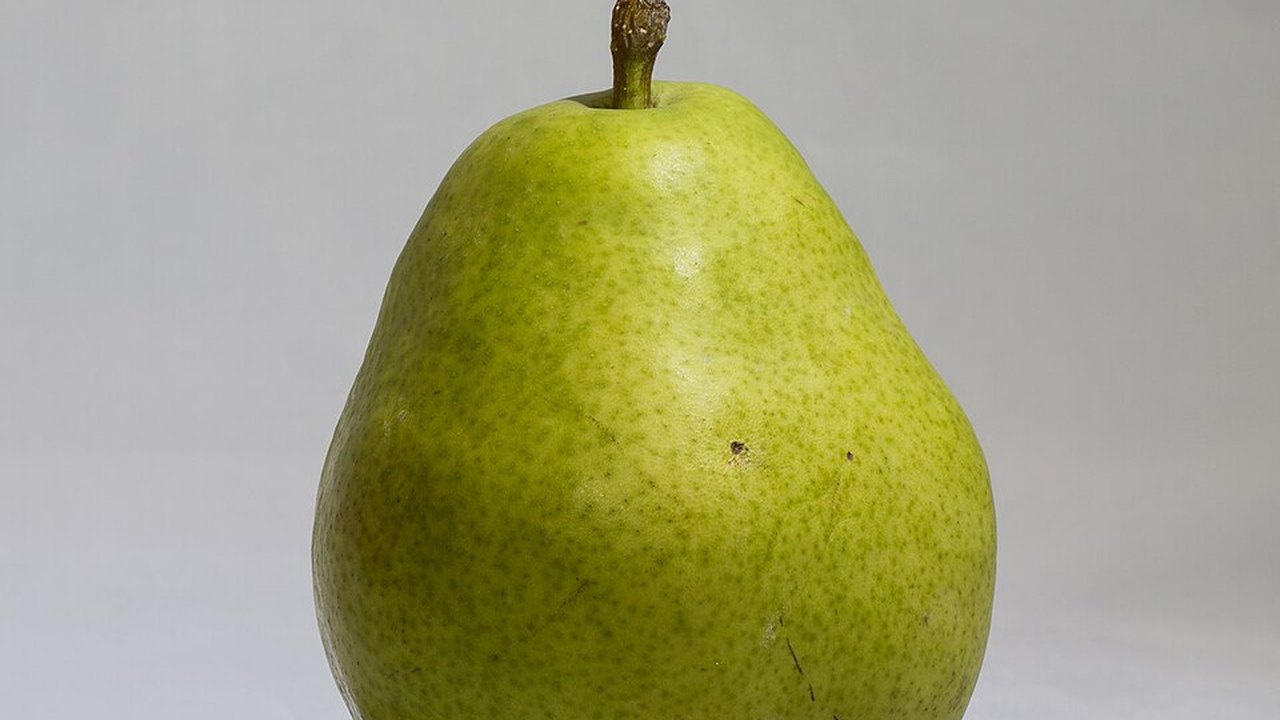
Pear flesh is mostly water and fibre with a fair amount of natural sugar. Fed as small pieces, it's a reasonable occasional treat for most healthy dogs and a change from the usual apple or banana.
The seeds are the part to take seriously. Like apple pips, pear seeds contain compounds that release small amounts of cyanide when chewed. A single accidentally swallowed seed is very unlikely to poison a dog, but there's no reason to include them, so core the fruit properly every time. The core itself is also a choking and blockage risk, especially for smaller dogs.
Canned pear is a separate question. Fruit packed in syrup carries a lot of added sugar, and some 'no added sugar' products use artificial sweeteners. Fresh, plain pear avoids all of that.
Are Pears Good for Dogs?
Fresh ripe pear, washed, cored and cut into pieces
A few small cubes as a treat or food topper
Plain frozen pear pieces on a hot day
Potential benefits
- Provides fibre and water
- Soft texture suits older dogs and small mouths
- Easy to cut into very small training-sized pieces
Risks and Things to Know
- Seeds contain trace cyanide compounds and should always be removed
- The core is a choking and obstruction risk
- Natural sugar means pear belongs in the treat portion of the diet
- Canned or syrup-packed pear contains added sugar or sweeteners
- Large amounts of fibrous fruit can cause loose stools
How much is okay?
A few small slices of ripe pear is plenty. Take out the core and seeds, and skip tinned pear in syrup.
Start with a very small amount the first time and watch for a day. Check with your vet first if your dog has a health condition, is overweight or on a prescription diet.
How Should I Prepare It?
- Wash the pear thoroughly.
- Cut it open and remove the core and every seed.
- Cut the flesh into pieces sized for your dog.
- Serve plain, with no sugar, syrup or spices.
- Discard the core and seeds where your dog cannot reach them.