The full answer
Veterinary and kennel-club sources don't describe pomegranate as a classic poison for dogs, but they don't recommend it as a treat either.
The most common problem is stomach upset, such as vomiting or diarrhoea, especially if a dog eats a lot of seeds.
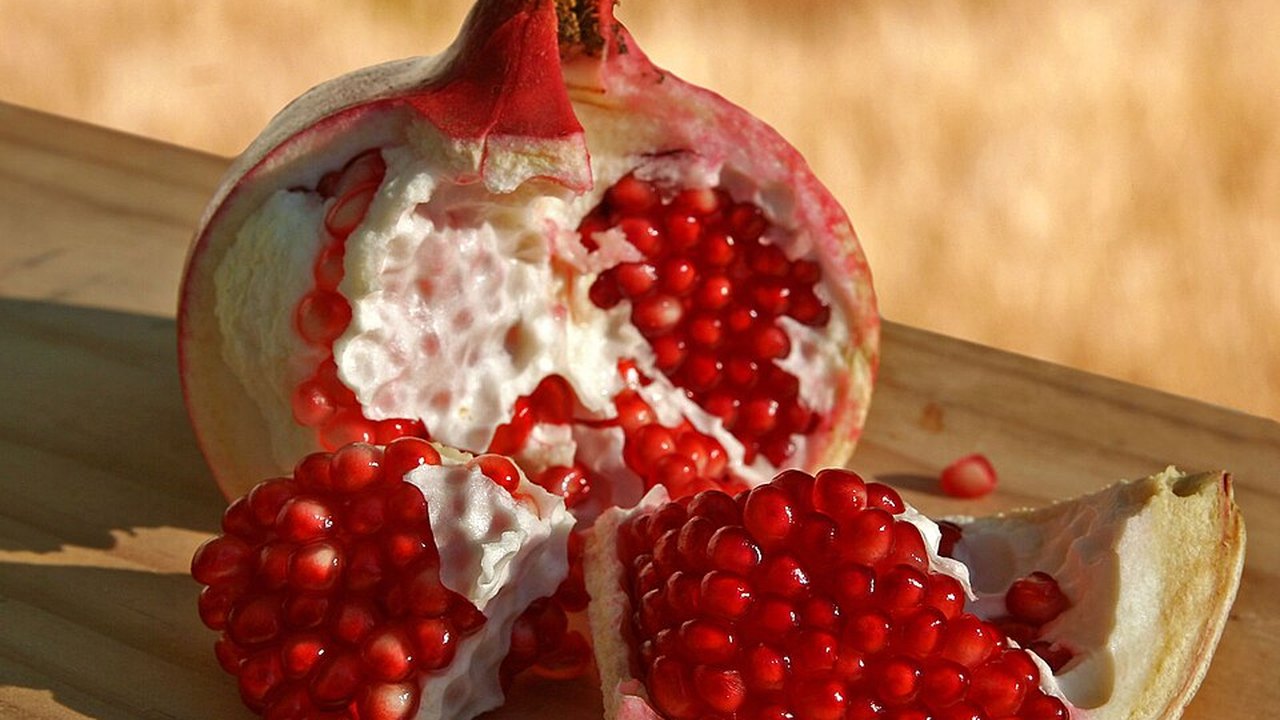
The peel, rind and stem are more of a concern than the seeds. They're tough, hard to digest and can contribute to a blockage in the gut. PetMD also notes that the peel contains a trace of cyanide-forming compounds. That's one more reason to keep the peel away from dogs, not a reason to panic over a few seeds.
One or two seeds are unlikely to seriously harm a healthy adult dog.
Pomegranate juice is a different product and often contains added sugar. Commercial dog foods and treats that list pomegranate as an ingredient are formulated products. They aren't equivalent to a dog eating a whole pomegranate, and this page doesn't assess them.
Risks and Things to Know
- Stomach upset — vomiting or diarrhoea — especially with larger amounts of seeds.
- The peel, rind and stem are tough and can contribute to a blockage.
- Juice may contain added sugar.
How much is okay?
We recommend not offering pomegranate as a treat. Keep whole fruit, peel and bowls of seeds out of reach.
How Should I Prepare It?
- There is no recommended way to prepare pomegranate for dogs.
- If you would like a fruit treat, choose one from our list of fruits dogs can eat.