Can Dogs Eat Apples?

SAFE

SAFE — Yes, dogs can eat plain apple. Take out the seeds, core and stem, and serve it in small pieces.

Apple makes a good occasional treat for many dogs when it's plain and properly prepared. It has fibre and some nutrients, but it also has natural sugar, so it shouldn't replace a complete, balanced diet. Wash it, remove the stem, seeds and core, and cut the flesh into pieces that suit your dog.

Main sources: PetMD — "Can Dogs Eat Apples?"; American Kennel Club — "Can Dogs Eat Apples? How to Safely Feed Apples to Dogs"

See our guide to fruits dogs can and can't eat to compare this with the rest of the fruit list.

On this page
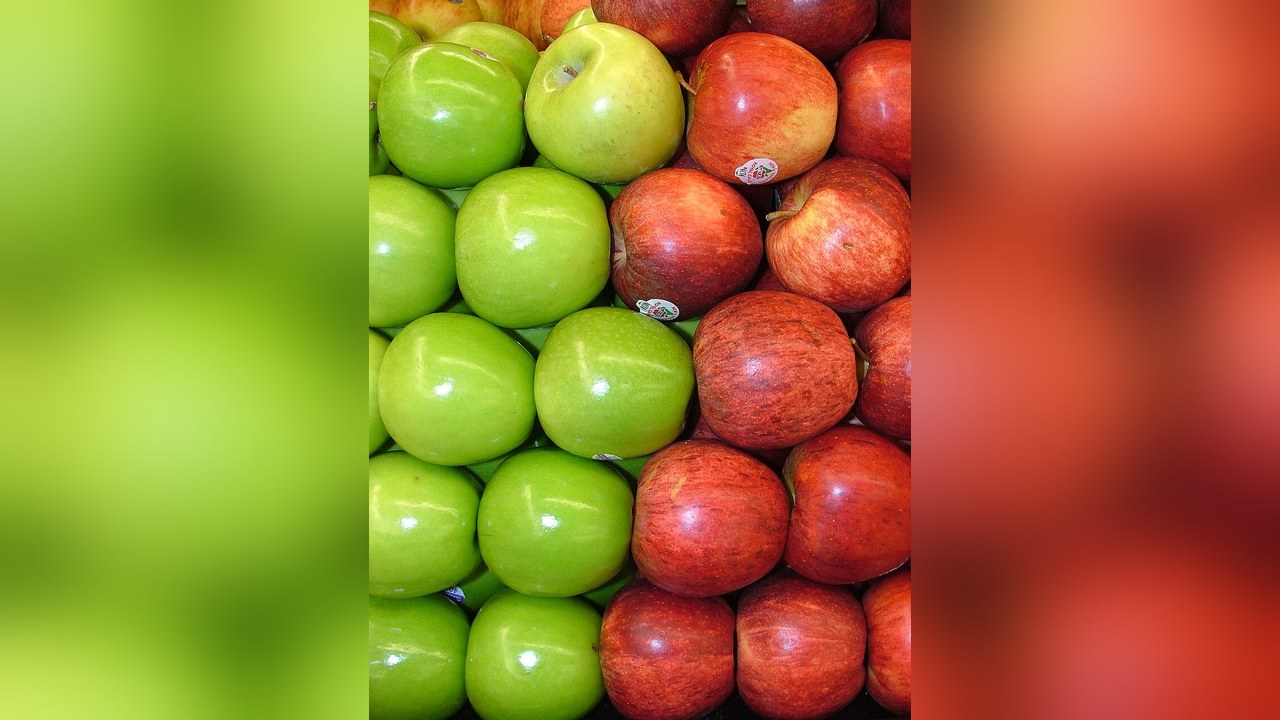
Green and red apples packed together in rows

Quick answer

Category
Fruit
Recommended preparation
Washed, stem, core and seeds removed, cut into small pieces
Main concern
Seeds contain cyanogenic compounds; the core can be a choking or obstruction hazard
Suitable as everyday food
No — an occasional treat, not a daily staple

The full answer

Plain apple flesh is fine for most healthy dogs as an occasional treat, as long as you prepare it properly. Leave out the stem, the tough core and the seeds.

The skin is edible for most dogs once the apple has been washed, so peeling is up to you. Green and red apples are treated the same way.

Always serve apple plain. Sweetened apple products, pie filling and anything with added sweeteners aren't dog snacks.

Are Apples Good for Dogs?

Apples contain nutrients including dietary fiber and vitamins such as vitamin C, along with a high water content.

Dogs do not need apples to get these nutrients — a complete and balanced dog food already provides what they require, so apple is a treat rather than a nutritional necessity.

Because plain apple pieces are relatively low in calories, they can be a reasonable alternative to some richer, higher-calorie treats when served in sensible amounts.

Potential benefits

  • Contains dietary fiber and vitamins, including vitamin C
  • High water content, which many dogs find refreshing
  • Naturally low in fat and relatively low in calories per piece
  • Can stand in for some higher-calorie treats when served plain and in moderation

Risks and Things to Know

  • Remove all seeds before feeding. Apple seeds contain cyanogenic compounds that can release cyanide.
  • Accidentally swallowing a very small number of seeds is unlikely to cause poisoning in most dogs, but seeds should never be fed on purpose.
  • Remove the tough core and the stem — they offer nothing useful and are harder to chew and digest.
  • Large chunks or the core can present a choking or gastrointestinal obstruction concern, especially for small dogs and fast eaters.
  • Too much apple can cause digestive upset such as diarrhea, gas or stomach discomfort.
  • Apples contain natural sugar, so treats should be counted as part of the day's calories.
  • Dogs with health conditions that require dietary management should have any treats, including apple, discussed with their veterinarian first.

How much is okay?

A few thin slices is plenty for most dogs, and a slice or two for a small one. Treats should stay under roughly 10% of a dog's daily calories, with the rest coming from a complete diet.

Try a small piece first and see how your dog's stomach copes. Take out the core and seeds.

How Should I Prepare It?

  • Wash the apple thoroughly.
  • Remove the stem.
  • Cut out the core.
  • Remove all of the seeds.
  • Cut the apple flesh into small pieces sized appropriately for your dog.
  • Serve plain, with no sugar, syrup, spices or toppings.
  • The skin can generally stay on for healthy dogs, though some dogs with sensitive digestion tolerate peeled apple better.

Can Puppies Eat Apples?

Puppies can generally have appropriately prepared apple in small amounts.

Remove the seeds, stem and core, and cut the flesh into very small pieces that are easy for a puppy to chew and swallow.

Puppies have specific nutritional requirements for growth, so apple should stay an occasional treat and never replace a complete puppy food.

What If My Dog Ate Too Much?

Eating too much apple may cause gastrointestinal upset such as diarrhea, gas or general stomach discomfort.

If your dog has swallowed a large piece of core, a large quantity of seeds, or develops concerning symptoms such as repeated vomiting, retching, lethargy or breathing difficulty, contact your veterinarian promptly.

This guide is for general educational purposes and isn't a substitute for advice from your veterinarian. If your dog has eaten something potentially toxic or is showing concerning symptoms, contact a veterinarian promptly.

Recipes with Apples

Frequently Asked Questions

Generally yes. Apple skin is edible for most dogs when washed, although removing the skin may make apple easier to tolerate for some dogs with sensitive digestion.

Apple seeds should be removed. They contain cyanogenic compounds that can release cyanide. Accidentally swallowing a very small number of seeds is unlikely to poison most dogs, but seeds should not intentionally be fed.

Do not intentionally feed apple cores. The core is tough and can present a choking or gastrointestinal obstruction concern. Remove it before serving apple.

Yes. Plain green apple flesh can generally be fed using the same preparation precautions as other apple varieties.

Generally yes, in small amounts when appropriately prepared. Remove the seeds, stem and core and cut the apple into small pieces appropriate for the puppy.

Plain, unsweetened applesauce may be suitable in small amounts, but check the ingredient list carefully. Avoid products with added sweeteners or other unsuitable ingredients.

Plain dried apple without added ingredients may be offered sparingly, but drying concentrates the fruit's calories and sugar per gram. Fresh apple is generally easier for portion control.

Apple pie should not be treated as a dog snack. It can contain large amounts of sugar and fat and may contain spices or other ingredients unsuitable for dogs.

How this guide was written

Last updated 12 October 2026. We write from widely published, mainstream pet-health sources and avoid presenting feeding amounts as veterinary prescriptions.

Browse every food in our A–Z guide