The full answer
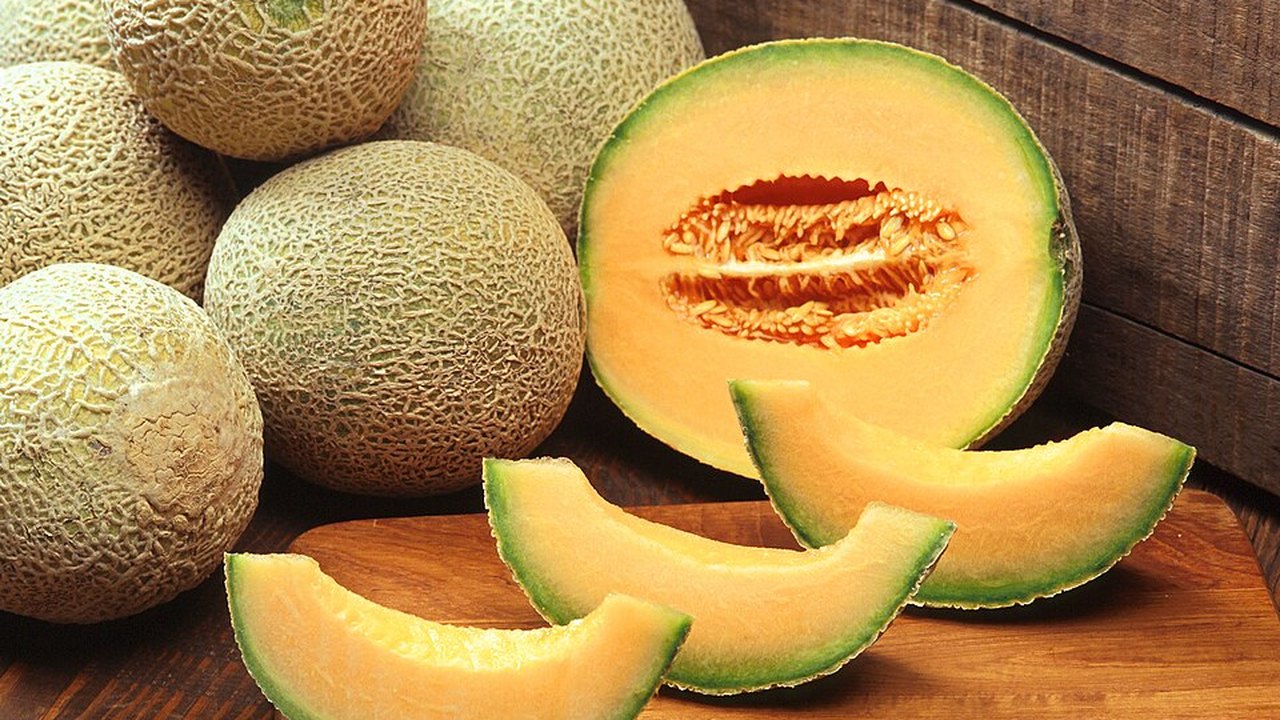
Cantaloupe is one of the more dog-friendly fruits. The flesh is soft, about 90% water and low in calories, which makes it a refreshing summer treat, and it's widely described as safe for dogs in moderation. As with watermelon, preparation does the work.
Take off the rind. It's tough and fibrous, hard to chew properly and a recognised choking and intestinal blockage risk, and dogs will happily swallow big chunks of it given the chance. Bin the rind rather than leaving it in reach on a counter or in an open kitchen bin.
It's best to scoop out the seeds too. Cantaloupe seeds aren't usually described as toxic to dogs, but sources generally recommend serving the flesh only: the seedy centre adds nothing, and removing it avoids any question about digestive irritation or a small dog swallowing a clump. It takes a second with a spoon.
Sugar is the reason for moderation. Cantaloupe is naturally sweet, which is fine for most healthy dogs in small amounts, but it makes melon a poor routine snack for overweight dogs, and one to discuss with your vet if your dog is diabetic or on a prescribed diet.
Frozen cantaloupe pieces make a good hot-weather treat, but freezing makes them hard, so keep the pieces small for small dogs and dogs with dental problems. Either way, cantaloupe is a treat alongside a complete, balanced diet, not a replacement for part of it.
Is Cantaloupe Good for Dogs?
Fresh cantaloupe flesh with the rind and seeds removed, cut into bite-sized cubes
Small frozen cubes of plain cantaloupe as a hot-weather treat
A little mashed cantaloupe stirred into a normal meal
Small pieces of melon flesh used as a low-calorie training reward
Potential benefits
- Very high water content, so hydrating in warm weather
- Low in calories compared with most treats
- Provides vitamins A and C, potassium and fibre as part of a varied diet
- Soft texture that suits older dogs and fussy eaters
Risks and Things to Know
- The rind is tough and fibrous — a choking and intestinal obstruction risk
- Naturally sugary, so not ideal for overweight or diabetic dogs without veterinary advice
- Large portions can cause loose stools or an upset stomach
- The seedy centre adds nothing and is best scooped out
- Frozen pieces are hard, so keep them small for small dogs or dogs with dental issues
- Pre-cut melon in syrup or a fruit salad may contain added sugar or other unsuitable fruit
How much is okay?
A few small cubes rather than a bowl. Introduce it slowly the first time.
Check with your vet before offering sweet fruit if your dog is diabetic, overweight or on a prescription diet.
How Should I Prepare It?
- Wash the outside of the melon before cutting it.
- Cut it open and scoop out the seeds and stringy centre.
- Slice the flesh away from the rind and discard the rind securely.
- Cut the flesh into bite-sized pieces suited to your dog's size.
- Serve plain and chilled, or freeze small cubes for a hot day.