The full answer
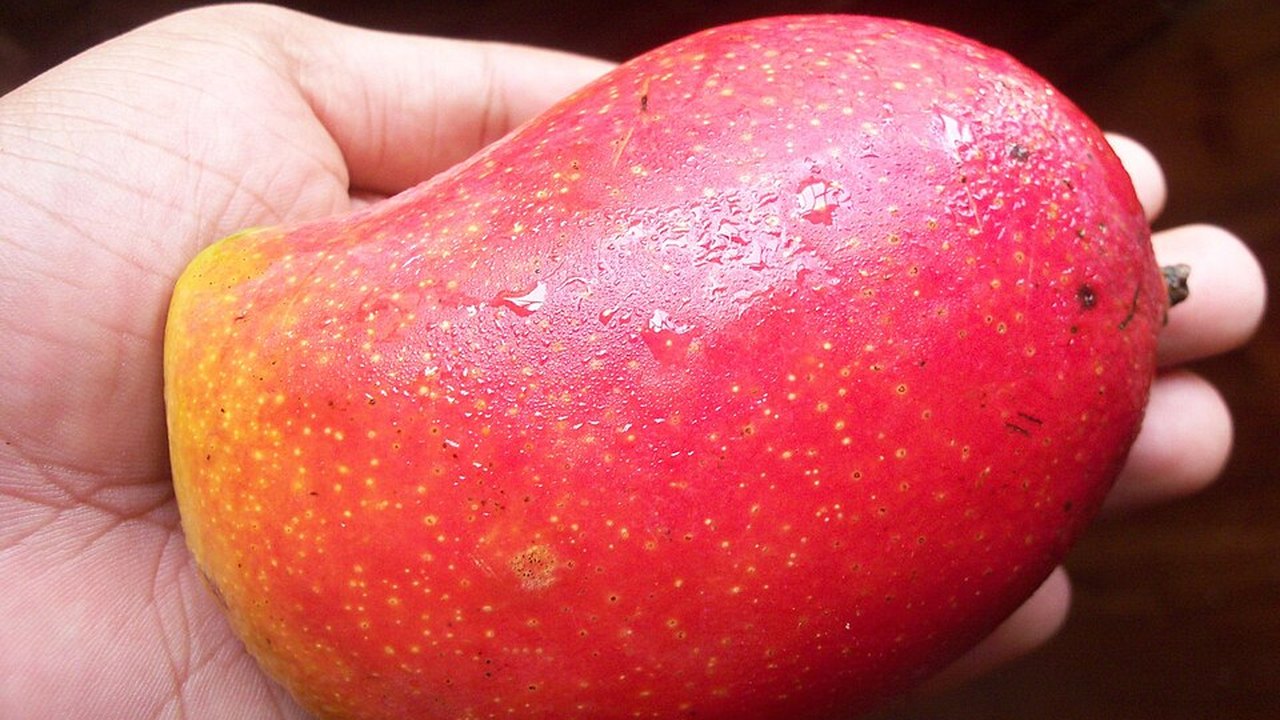
Ripe mango flesh is soft, sweet and easy for most dogs to eat, which is why it shows up on lists of fruits dogs can enjoy. Served as small pieces of plain peeled flesh, it works as an occasional treat.
Mango is noticeably sugary compared with something like cucumber, so quantity matters. A few small pieces is a treat; a bowlful is a lot of sugar and a likely upset stomach.
The hard pit is the part to take seriously. It's large, firm and the wrong shape for a dog to chew safely, so never give it as a chew, and dispose of it where your dog can't reach it.
Is Mango Good for Dogs?
Plain ripe mango flesh, peeled and pitted
Small bite-sized pieces suited to your dog
Plain frozen mango chunks as an occasional treat, cut small first
Potential benefits
- Soft texture that is easy for most dogs to chew
- Provides fiber and water along with natural nutrients
- Works well as a small, high-value occasional reward
Risks and Things to Know
- The hard pit is a serious choking and intestinal obstruction hazard
- High natural sugar content makes mango unsuitable as a frequent snack
- Tough skin can be difficult to digest and is best removed
- Too much at once can cause loose stools or stomach upset
- Dried and sweetened mango products concentrate sugar and may contain additives
How much is okay?
A few small cubes of ripe mango is plenty. It's sugary, so keep it modest and occasional, not daily. Take the stone and skin off first.
Talk to your vet if your dog is overweight, diabetic or on a special diet.
How Should I Prepare It?
- Choose a ripe mango and wash the outside.
- Peel away the skin completely.
- Cut the flesh away from the pit and remove the pit entirely — then throw it away somewhere your dog cannot get to it.
- Cut the flesh into small, bite-sized pieces.
- Serve plain, with no sugar, syrup or yoghurt coating.