Can Dogs Eat Blueberries?

SAFE

SAFE — Yes, blueberries are fine for dogs in small amounts.

Plain fresh or frozen blueberries are a popular, dog-friendly treat. Give a few at a time alongside a complete diet.

Main sources: American Kennel Club — Human Foods Dogs Can and Can't Eat; ASPCA Animal Poison Control — People Foods to Avoid Feeding Your Pets

See our guide to fruits dogs can and can't eat to compare this with the rest of the fruit list.

On this page
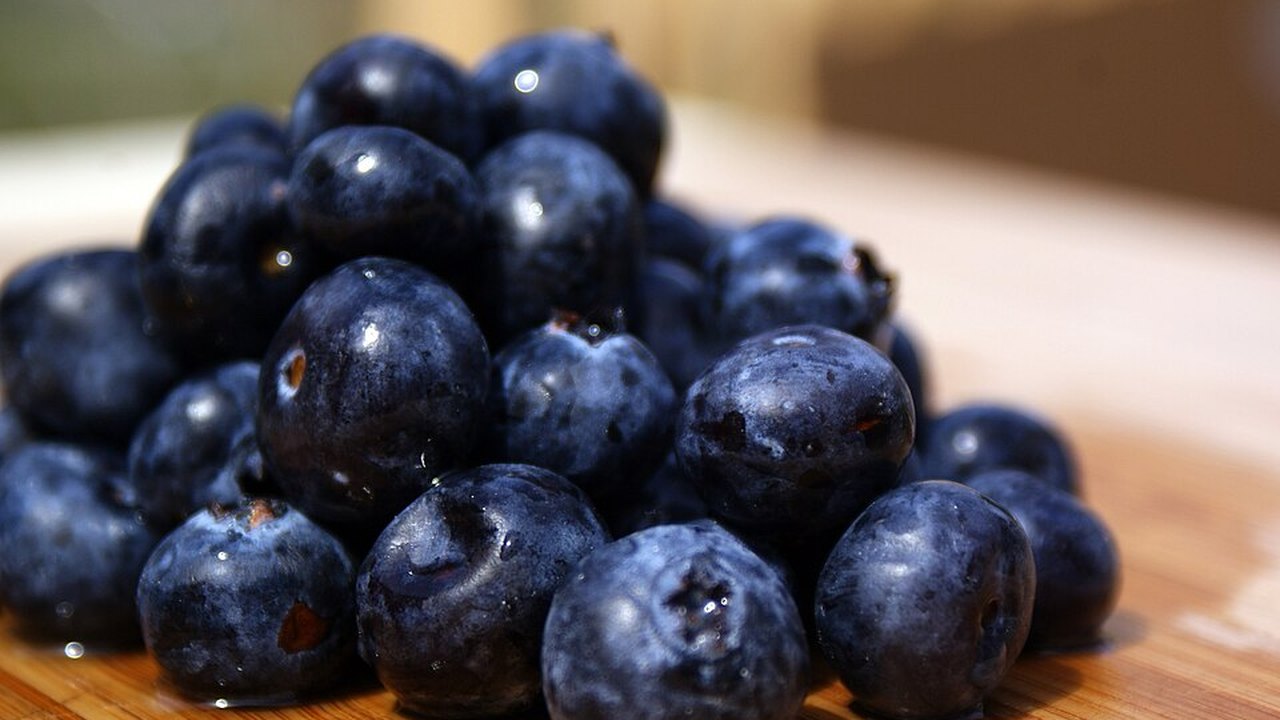
A pile of fresh blueberries on a wooden board

Quick answer

Category
Fruit
Recommended preparation
Fresh or frozen, plain and washed
Main concern
Too many at once can cause digestive upset
Suitable as everyday food
Treat only

The full answer

Blueberries are one of the fruits dogs can eat. They're small, low in fat and have no parts known to be toxic to dogs, which is why they turn up in so many homemade treat recipes.

Like any extra, they should be a small add-on to a diet that's already complete and balanced. Treats of all kinds usually stay a small share of a dog's daily intake.

How you serve them matters more than the berry itself. Fresh and plain frozen blueberries are the SAFE choice; frozen ones are hard, so halve or mash them for very small dogs and fast eaters. Plain dried blueberries are more concentrated in sugar, so use fewer, and avoid dried fruit mixes that may contain raisins. Sweetened blueberry products such as jam, pie filling, muffins, yoghurts and cereals are a different food: the problem is the added sugar, fat and sometimes xylitol or chocolate, not the blueberries.

Are Blueberries Good for Dogs?

Blueberries are a low-calorie, water-rich fruit. They contain fibre and vitamin C, and like other dark berries they contain antioxidant compounds.

That does not make them a supplement or a treatment for any condition. Think of them as a reasonable alternative to a processed biscuit rather than as medicine.

Potential benefits

  • Low in calories compared with most commercial treats
  • Small, soft and easy to portion for training rewards
  • Contains fibre, vitamin C and antioxidant compounds
  • Can be served frozen as a cooling summer treat

Risks and Things to Know

  • Large quantities of any fruit can cause loose stools or an upset stomach
  • Frozen berries are hard — they can be a choking risk for very small dogs or fast eaters
  • Blueberry-flavoured products (muffins, yoghurts, cereals) often contain sugar, and sometimes xylitol or chocolate, which are not appropriate for dogs
  • Any new food can trigger an individual sensitivity

How much is okay?

A few berries at a time is plenty. Start with one or two the first time, and see how your dog reacts before offering more.

A small terrier and a large retriever shouldn't get the same amount, and treats should stay a small share of the day's calories. If you're unsure, your vet can give you a figure based on your dog's weight.

How Should I Prepare It?

  • Wash fresh blueberries before serving.
  • Serve plain — no sugar, syrup, yoghurt coating or added flavourings.
  • Frozen blueberries can be served as-is for larger dogs, or mashed or halved for small dogs and puppies.
  • Avoid dried blueberries with added sugar, and avoid anything baked into human recipes.
Can Puppies Eat Blueberries?

Puppies have very small calorie budgets and sensitive digestive systems, so any treat should be introduced slowly and in tiny amounts.

Halve or mash berries for small puppies to reduce choking risk, and check with your vet before adding new foods while your puppy is still growing.

What If My Dog Ate Too Much?

A dog that eats a large amount of blueberries in one go may get a mild stomach upset — soft stools, gas or a temporary loss of appetite are the usual outcomes.

Make sure fresh water is available and go back to their normal diet.

Contact your vet if symptoms are severe, continue for more than about a day, or if your dog seems unwell in any other way. Also call your vet if the berries came in a product that might have contained xylitol, chocolate or raisins.

This guide is for general educational purposes and isn't a substitute for advice from your veterinarian. If your dog has eaten something potentially toxic or is showing concerning symptoms, contact a veterinarian promptly.

Recipes with Blueberries

Frequently Asked Questions

Plain frozen blueberries are generally fine and many dogs enjoy them in warm weather. For small dogs, puppies or dogs that gulp food, halve or mash them first because frozen berries are hard.

Plain dried blueberries are more concentrated in sugar than fresh ones, so keep quantities smaller. Avoid dried fruit mixes — they often contain raisins or sultanas, which are considered toxic to dogs.

Usually yes, in very small amounts and cut or mashed for small mouths. Puppies are growing on carefully balanced diets, so check with your vet before adding extras.

Blueberry muffins are not a suitable dog treat. They are high in sugar and fat, and some baked goods contain xylitol (birch sugar) or chocolate, which are dangerous for dogs.

These are not a substitute for plain berries. They usually contain added sugar, and some sugar-free products contain xylitol, which is dangerous to dogs. Plain fresh or frozen blueberries are the better choice. If a product might have contained xylitol, contact your vet straight away.

How this guide was written

Last updated 12 October 2026. We write from widely published, mainstream pet-health sources and avoid presenting feeding amounts as veterinary prescriptions.

Browse every food in our A–Z guide