The full answer
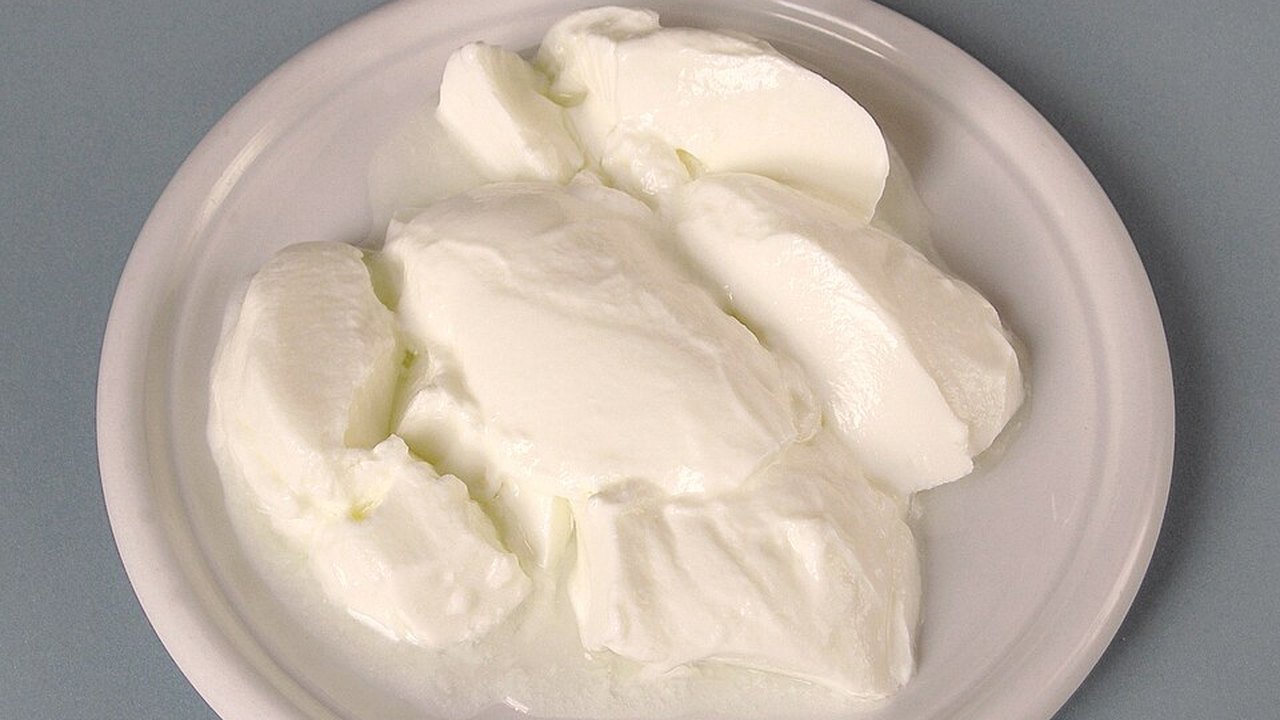
Plain yogurt is one of the easier dairy foods for dogs. Fermentation lowers the lactose content compared with milk, which is why some dogs that react to a splash of milk cope with a spoonful of yogurt. Even so, tolerance varies from dog to dog, and some will still get wind or loose stools.
The classification is LIMIT because of what's usually in the pot, not the yogurt itself. Flavoured, fruit and dessert-style yogurts carry a lot of added sugar, and some contain ingredients that have no place in a dog's diet.
Sugar-free and diet yogurts deserve particular care. Some sugar-free products are sweetened with xylitol, which is dangerous for dogs. Read the ingredient list every time rather than assuming a familiar brand is unchanged, and see our xylitol guide for the detail.
You'll see a lot of claims online about yogurt improving a dog's gut health or immunity. We won't repeat them. Live cultures in human yogurt aren't the same as a veterinary probiotic prepared for dogs, and we haven't found strong canine-specific evidence that a spoonful of supermarket yogurt does any of those things. If your dog has ongoing digestive problems, that's a conversation with your vet, not a yogurt purchase.
Treated simply as a small, plain, tasty topper, yogurt is a reasonable occasional extra for dogs that digest it well.
Is Yogurt Good for Dogs?
In small amounts it is a palatable source of protein, calcium and fat, and it is useful for making a tablet or a bland meal more appealing.
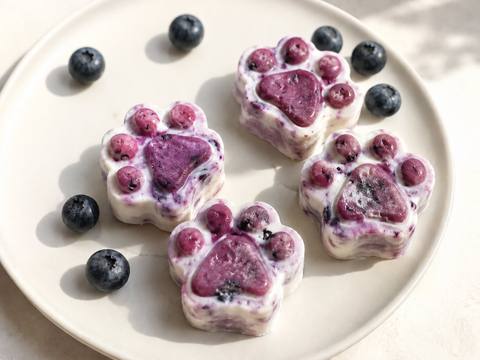
Frozen into a lick mat or a stuffed toy, plain yogurt makes a slow, low-fuss enrichment treat on a hot day.
What it is not is a health supplement. If you want a probiotic for a specific problem, ask your vet about a product intended for dogs.
Potential benefits
- Provides protein, calcium and fat in a form most dogs find very palatable.
- Lower in lactose than milk, so it is often tolerated by dogs that struggle with a milky drink.
- Useful as a small carrier for medication or as a base for frozen enrichment treats.
Risks and Things to Know
- Sugar-free or diet yogurts may be sweetened with xylitol, which is dangerous for dogs. Always check the label.
- Flavoured, fruit and dessert yogurts add sugar and other ingredients dogs do not need.
- Lactose sensitivity can still cause wind, bloating or loose stools in some dogs.
- Full-fat and Greek-style yogurts are calorie-dense, and regular servings add up.
- Any yogurt containing chocolate, coffee flavouring or nuts should be avoided outright.
How much is okay?
A teaspoon for a small dog and up to a tablespoon or so for a large dog is plenty as an occasional topper. Choose plain, unsweetened yogurt with no xylitol.
Introduce it once and wait to see how your dog responds before making it a habit. Count it within the day's treat calories. Stop if you see wind, loose stools or an uncomfortable stomach, and skip dairy for dogs that clearly don't get along with it.
How Should I Prepare It?
- Choose plain, unsweetened natural or Greek yogurt with no added sugar, fruit or flavourings.
- Read the ingredient list every time and put back anything sweetened with xylitol or labelled as sugar-free without a clear ingredient list.
- Serve it at room temperature or frozen in small portions on a lick mat.
- Do not add honey, chocolate, granola or nuts to make it more appealing.
- Keep the serving small and use it as a topper rather than a meal.