Can Dogs Eat Milk?

LIMIT

LIMIT — Milk isn't toxic to dogs, but many dogs digest it poorly, so keep it to a small occasional amount.

Milk isn't a poison for dogs. The issue is digestion: many adult dogs produce little lactase, so milk can cause bloating, wind and loose stools. Tolerance varies a lot between individual dogs, and milk adds calories most dogs don't need.

Main sources: American Kennel Club — Can Dogs Drink Milk?; PetMD — Can Dogs Drink Milk?

On this page
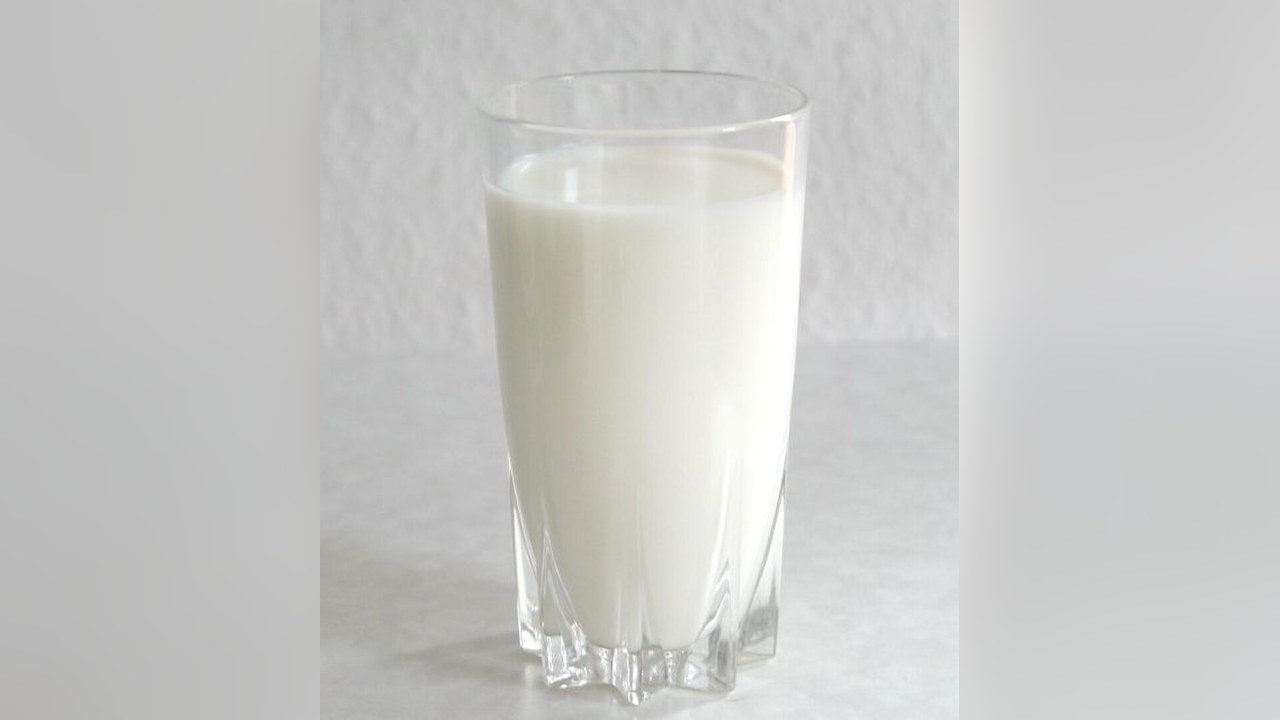
A glass of milk against a plain wall

Quick answer

Category
Dairy
Recommended preparation
Plain, unsweetened, in a small amount as an occasional extra
Main concern
Poor lactose digestion causing wind, bloating and loose stools
Suitable as everyday food
No — an occasional small amount at most

The full answer

Milk itself isn't toxic to dogs, and a splash isn't an emergency. We classify it as LIMIT because of digestion, not danger.

Puppies produce plenty of lactase, the enzyme that breaks down the sugar in milk, because they're built to drink it. Production usually falls after weaning, which is why a lot of adult dogs handle milk poorly. That's a general pattern, not a rule for every dog: some adults drink a small amount with no visible effect at all, while others get wind and loose stools from a spoonful.

When milk isn't digested properly, the lactose passes further down the gut and draws in water, which is what causes the bloating, gurgling, flatulence and diarrhoea owners notice a few hours later.

There's a plainer point too. Milk brings fat, sugar and calories, and for a dog on a complete diet none of that is needed. It's a treat, and it should be counted as one.

Flavoured milks are a different question entirely. Chocolate milk isn't a treat option for dogs; see our chocolate guide for why.

Is Milk Good for Dogs?

Not especially. Milk contains protein, calcium and fat, but a complete dog food already supplies those in the right balance.

Its most practical use is as a small carrier for something else, such as softening a food or hiding a tablet, and even then only for dogs that tolerate it.

If your dog reacts badly to milk, there is nothing being lost by leaving it out.

Potential benefits

  • Provides protein, calcium and fat, though nothing a balanced diet does not already cover.
  • A very small amount can make an unappealing food or a tablet easier to accept in dogs that tolerate dairy.

Risks and Things to Know

  • Wind, bloating, stomach gurgling and loose stools in dogs that digest lactose poorly.
  • Extra calories and fat, which add up quickly in small dogs and contribute to weight gain.
  • Whole and full-fat milk carries more fat, which can upset sensitive dogs more readily.
  • Flavoured and sweetened milks add sugar, and chocolate milk is not suitable at all.
  • Cow's milk is not a substitute for puppy milk replacer in orphaned or hand-reared puppies.

How much is okay?

Think tablespoons, not bowls. A small splash is enough to find out how your dog responds.

Offer it once and wait a day before repeating. Signs of poor tolerance usually show within a few hours. If your dog gets loose stools, gas or an uncomfortable stomach, stop. There's no benefit worth pushing through for.

How Should I Prepare It?

  • Offer plain milk only, with no added sugar, flavouring or sweetener.
  • Serve it at room temperature in a shallow dish, in a small amount.
  • Do not use milk to replace water; fresh water should always be available.
  • Check the label of any flavoured or sugar-free product, since sugar-free versions can contain sweeteners that are unsafe for dogs.
  • Keep chocolate milk and milkshakes away from dogs entirely.
Can Puppies Eat Milk?

Nursing puppies are designed to digest their mother's milk, which is quite different in composition from cow's milk.

Cow's milk is not an appropriate replacement for a hand-reared or orphaned puppy. A proper puppy milk replacer is, and your vet can advise on feeding.

Weaned puppies do not need cow's milk at all, and their digestive systems are still settling, so it is an easy thing to skip.

Any puppy with ongoing diarrhoea should be seen by a vet, since they dehydrate faster than adult dogs.

What If My Dog Ate Too Much?

A dog that drinks a lot of milk will most often have wind, a gurgling stomach and loose stools for a day or so.

Keep fresh water available and go back to their normal food. Skip further dairy while things settle.

Contact your vet if diarrhoea lasts more than a day or two, if there is blood in it, if your dog is vomiting repeatedly, or if they seem lethargic or in pain.

Small dogs and puppies dehydrate more quickly, so call sooner rather than later for them.

This guide is for general educational purposes and isn't a substitute for advice from your veterinarian. If your dog has eaten something potentially toxic or is showing concerning symptoms, contact a veterinarian promptly.

Frequently Asked Questions

A small amount is not toxic, and some dogs tolerate it fine. Many adult dogs digest lactose poorly, though, so milk can cause wind and loose stools. Keep it to an occasional splash.

Cow's milk is not a suitable replacement for a mother's milk or a proper puppy milk replacer. Weaned puppies do not need it, and it can upset their stomachs. Ask your vet about hand-rearing.

Lactose-free milk removes the main digestion problem, so it is usually better tolerated. It still adds calories and fat, so treat it as an occasional extra rather than a drink.

Goat milk is lower in lactose than cow's milk and some dogs handle it more easily, but it is not lactose-free and it is still calorie-dense. The same small-amount approach applies.

Skim milk has less fat, which may sit better with some dogs, but it contains the same lactose. If your dog reacts to milk generally, skim will not fix it.

No. Chocolate is not suitable for dogs, and chocolate milk also adds sugar. See our chocolate guide, and contact your vet if your dog has drunk a meaningful amount.

Small amounts of plain unsweetened oat, soy or almond milk are not usually a problem, but they offer dogs nothing useful, and sweetened versions may contain sweeteners that are unsafe. Water is the better choice.

Start with a tablespoon or two for a medium dog, offered occasionally, and see how they respond. If there is any wind, bloating or loose stool, stop offering it.

How this guide was written

Last updated 12 October 2026. We write from widely published, mainstream pet-health sources and avoid presenting feeding amounts as veterinary prescriptions.

Browse every food in our A–Z guide