The full answer
Oats are a common ingredient in dog foods and treats, and plain cooked oatmeal is generally well tolerated. We treat it as a modest addition to a meal, not a health remedy: we wouldn't describe oatmeal as a treatment for any condition, and any dietary change for a dog with a diagnosed sensitivity belongs in a conversation with your vet.
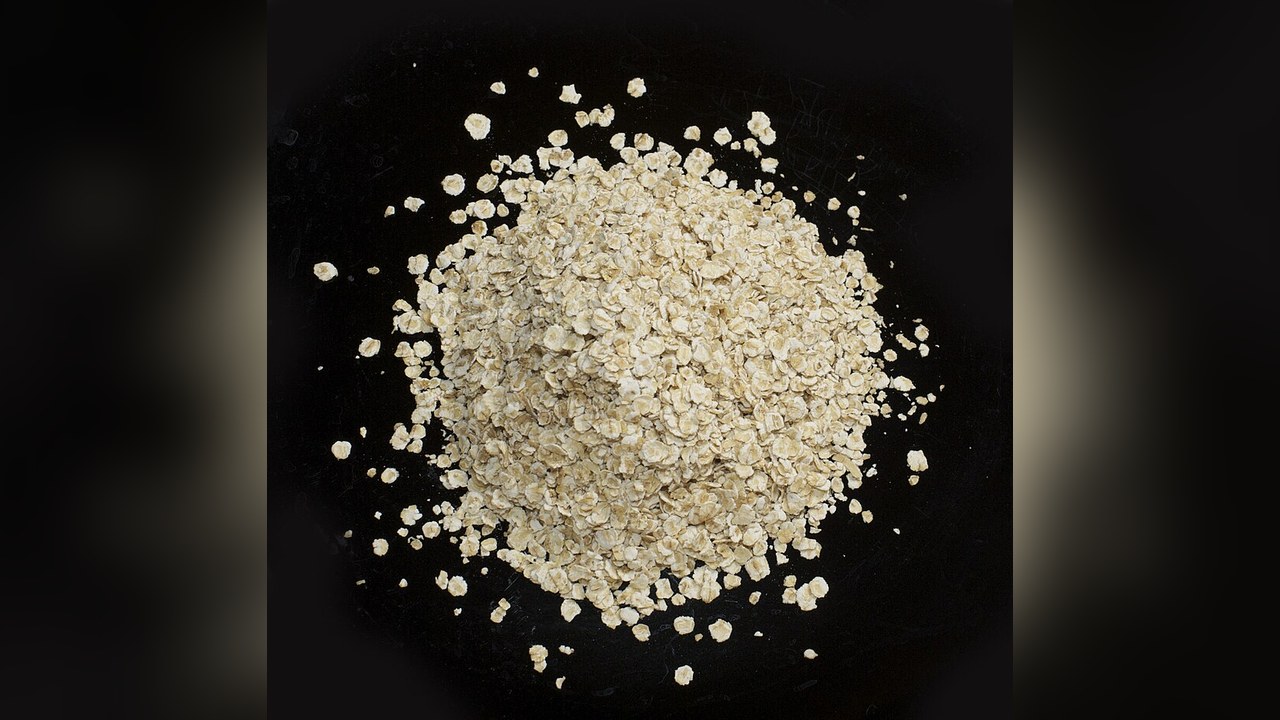
Cooking matters. Oatmeal should be fully cooked in plain water and cooled before serving. Raw oats are hard and dry, less digestible and more likely to upset the stomach, so a cooked bowl is the better version, though a stray dry oat is no emergency.
The real risks come from what gets added. Instant and flavoured sachets often contain sugar, syrups, dried fruit and flavourings, and some sugar-free products contain xylitol, which is toxic to dogs. Raisin varieties bring raisins, which are also toxic, and chocolate-flavoured oatmeal brings chocolate. Read the packet before assuming a breakfast leftover is harmless.
Milk is a common addition worth thinking about too. Many adult dogs digest lactose poorly, so oatmeal made with milk can cause gas or loose stools. Water is the safer choice, and cream, butter, honey and brown sugar should stay out.
Portion size matters because oatmeal is calorie-dense once cooked. A spoonful or two mixed into a meal is a sensible amount for most dogs, and it should sit alongside a complete, balanced food rather than replacing part of it.
Is Oatmeal Good for Dogs?
Plain rolled or steel-cut oats cooked fully in water and cooled
A spoonful of plain cooked oatmeal stirred into a normal meal
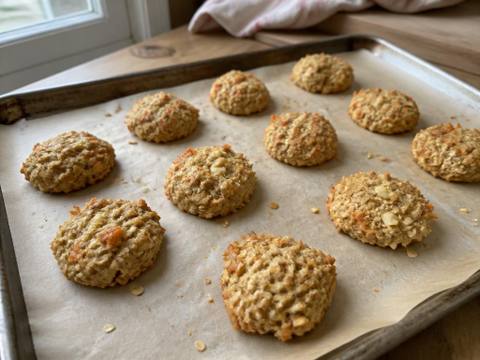
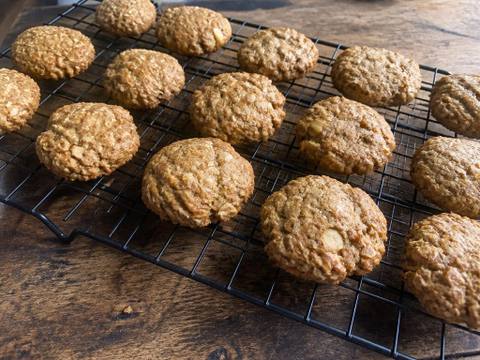
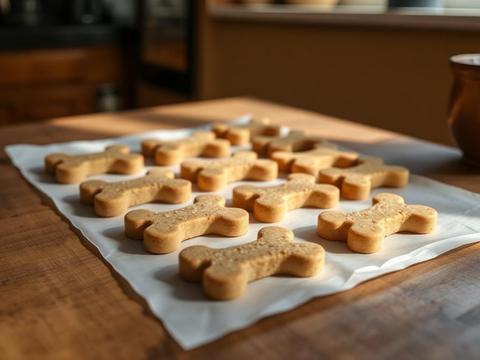
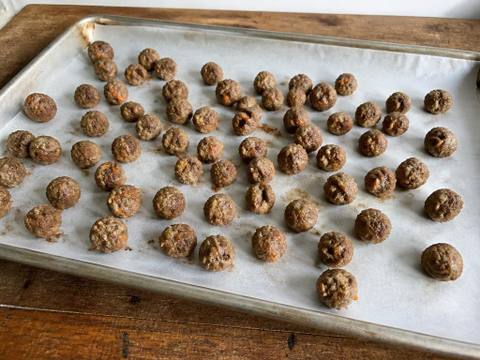
Plain oats used as a binder in homemade dog treats
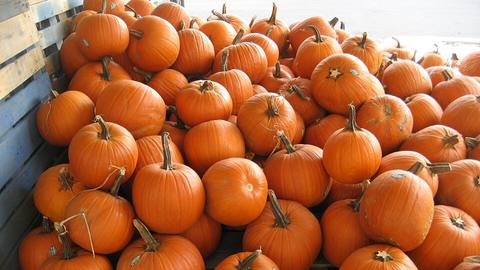
Plain cooked oatmeal mixed with a little plain pumpkin as an occasional topper
Potential benefits
- A source of soluble fibre as part of a varied diet
- Provides slow-release carbohydrate energy
- Soft texture that suits older dogs and fussy eaters
- A useful binding ingredient in homemade treat recipes
Risks and Things to Know
- Flavoured and instant oatmeal often contains sugar, syrups or artificial sweeteners
- Xylitol, found in some sugar-free products, is toxic to dogs
- Raisin and chocolate varieties contain ingredients that are toxic to dogs
- Milk-based oatmeal can cause gas or loose stools in lactose-sensitive dogs
- Raw oats are dry, less digestible and easier to overfeed
- Calorie-dense in larger servings, which adds up quickly for small dogs
How much is okay?
A spoonful or two of plain cooked oatmeal, not a bowl. Cook it with water, not milk, and leave out sugar, raisins and flavourings.
Introduce it slowly and watch for digestive changes. Ask your vet first if your dog is diabetic, overweight or on a prescription diet.
How Should I Prepare It?
- Use plain rolled or steel-cut oats — not a flavoured or sweetened sachet.
- Cook fully in water until soft; do not serve dry or undercooked.
- Add nothing — no sugar, honey, syrup, salt, butter, milk or sweeteners.
- Let it cool completely before serving.
- Serve a small spoonful mixed into your dog's usual food.