The full answer
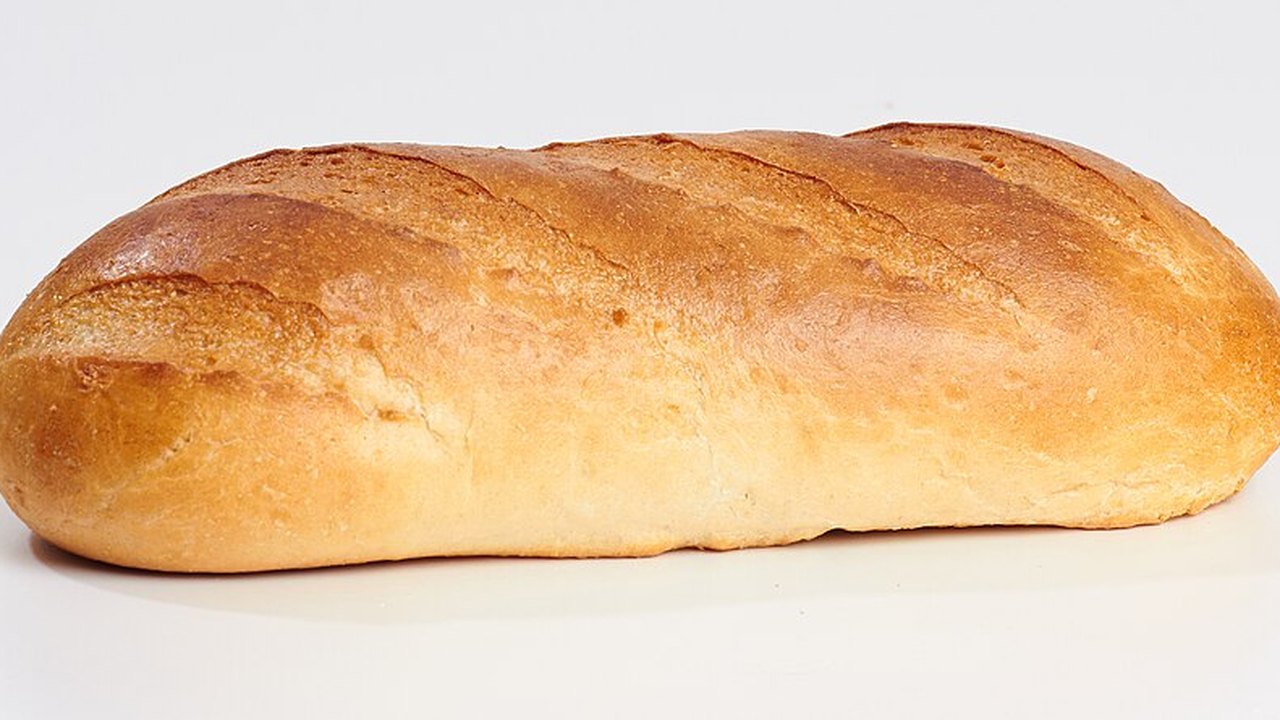
A small piece of plain baked bread is generally not toxic to a healthy dog. It's also not doing much for them: bread is largely carbohydrate and calories with little a complete dog food isn't already providing. That's why we class it as LIMIT rather than SAFE: harmless in a crust-sized amount, but not something to feed regularly.
White versus whole wheat makes less difference than people expect. Whole wheat contains more fibre, but both are calorie-dense for a dog, and a slice of bread is a large share of the daily treat allowance for a small dog. Dogs with a diagnosed wheat or grain allergy should avoid bread entirely, on veterinary advice.
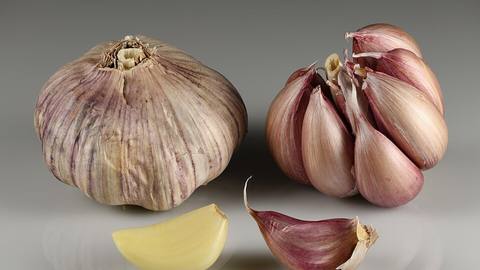
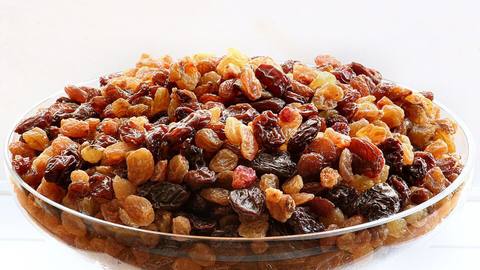
Ingredients are where plain bread stops being plain. Raisin bread contains raisins, which are toxic to dogs. Garlic and onion breads contain Alliums, which are also toxic. Some breads contain nuts, seeds, chocolate chips, dried fruit or xylitol-sweetened products. Always read the label before sharing.
Mouldy bread is worth a separate mention. Mould can produce tremorgenic mycotoxins, which are associated with tremors and seizures in dogs, so old bread belongs in a sealed bin, not a dog bowl, and any suspected ingestion warrants a call to your vet.
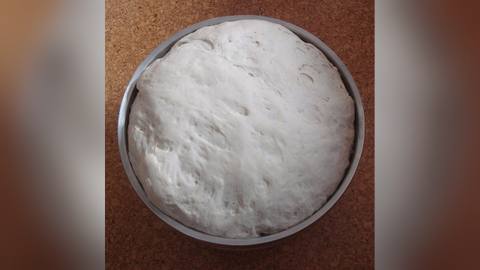
RAW YEAST DOUGH is a serious, separate hazard. Uncooked bread dough isn't the same as baked bread. Veterinary toxicology references describe two problems: the warm stomach lets the dough keep rising, so a mass can expand and cause painful bloating and potential obstruction, and the fermenting yeast produces ethanol, which is absorbed and can cause alcohol poisoning. Both can be life-threatening. If your dog has eaten raw yeast dough (proving loaves, pizza dough, unbaked rolls), contact your vet or an animal poison control service immediately. Don't attempt home treatment and don't induce vomiting unless a veterinary professional tells you to.
Is Bread Good for Dogs?
A small piece of plain baked white or whole wheat bread, occasionally
A plain bread crust used to hide medication, if your vet approves
Plain toast with nothing on it, in a small piece
Potential benefits
- Easy to digest for most dogs in small amounts
- Occasionally useful for hiding medication with veterinary approval
- Plain and unseasoned, so no toxic ingredients in a basic loaf
Risks and Things to Know
- Raw yeast dough can expand in the stomach and produce ethanol — a veterinary emergency
- Mostly empty calories that displace better nutrition and add to weight gain
- Raisin bread contains raisins, which are toxic to dogs
- Garlic and onion breads contain Alliums, which are toxic to dogs
- Mouldy bread can contain mycotoxins associated with tremors and seizures
- Some loaves contain nuts, seeds, chocolate or xylitol-sweetened ingredients
- Not suitable for dogs with a diagnosed wheat or grain allergy
How much is okay?
There's no nutritional reason to give bread, and no single right amount. If you do share some, keep it to a small piece of plain baked bread: a crust rather than a slice for a small dog.
Count it within the small share of daily calories that treats should take up. Skip it for overweight, diabetic or grain-allergic dogs unless your vet says otherwise.
How Should I Prepare It?
- Use plain baked bread only — never raw or proving dough.
- Check the label for raisins, garlic, onion, nuts, seeds, chocolate or xylitol.
- Serve plain — no butter, spread, jam, honey or toppings.
- Tear into a small piece appropriate for your dog's size.
- Store dough, rising loaves and old bread well out of reach.