The full answer
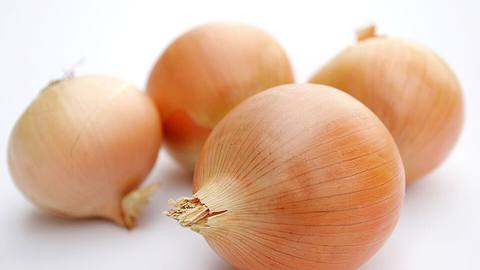
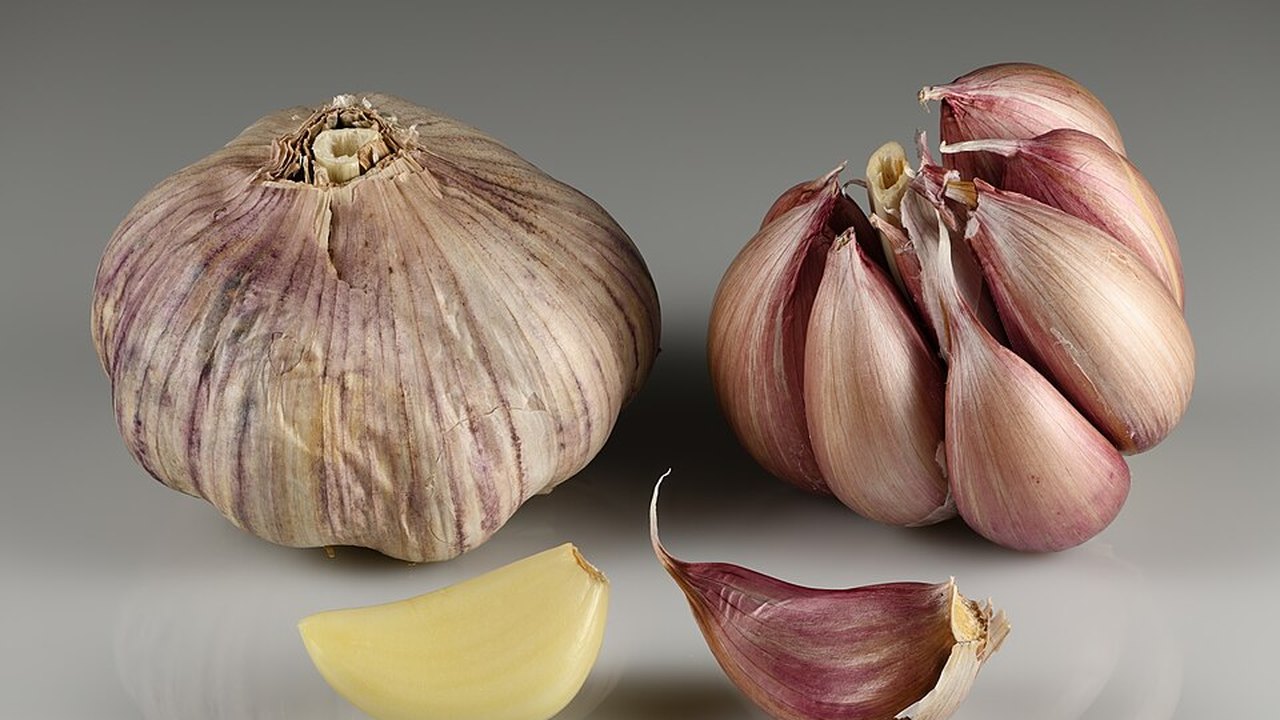
Garlic is in the same Allium family as onion, and veterinary toxicology references group them together for the same reason: Allium compounds can cause oxidative damage to canine red blood cells, which can lead to haemolytic anaemia. Garlic is generally described as more concentrated than onion by weight, which matters because garlic tends to be used in small but potent amounts.
Cooking doesn't remove the concern. Roasted garlic, sautéed garlic, garlic in a sauce, garlic butter and garlic bread are all garlic. Dried granules and garlic powder are concentrated versions of the same ingredient, and they turn up in seasoning blends, marinades, stocks, ready meals, crisps and savoury snacks.
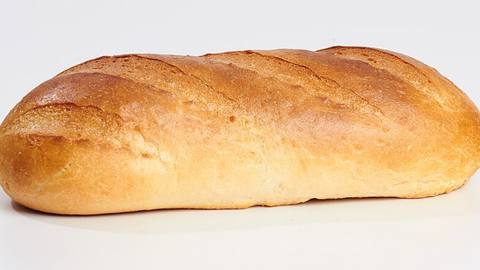
Garlic bread deserves a mention because it's one of the most common accidental exposures. It combines garlic with fat, salt and sometimes cheese, and dogs will happily take a whole slice from a table. Treat it as a garlic exposure and get advice rather than assuming a bread-based snack is harmless.
Garlic supplements and "natural" flea remedies are a persistent myth. There's no reliable evidence that feeding garlic prevents or treats fleas, and dosing a dog daily with a substance associated with red blood cell damage is the opposite of a cautious approach. Use a flea product your vet recommends instead.
Context matters when judging risk (the amount, the form, the dog's size and individual sensitivity all play a part), but none of that adds up to a safe serving. We don't publish a toxic dose, and no amount of garlic should be described as definitely safe for a dog.
If your dog has eaten garlic in any form, contact your vet or an animal poison control service promptly. Signs related to red blood cell damage can be delayed, so early advice is better than waiting. Don't attempt home treatment.
Is Garlic Good for Dogs?
There is no dog-appropriate version of garlic, including powders and supplements. For flavour in homemade treats, stick to plain dog-safe ingredients such as plain cooked chicken, plain cooked turkey or a little plain pumpkin.
Risks and Things to Know
- Allium compounds can cause oxidative damage to red blood cells, which may lead to anemia
- Garlic is more concentrated than onion by weight, so small amounts are not automatically trivial
- Cooking, roasting and drying do not remove the risk
- Garlic powder and granules hide in seasoning blends, sauces, stocks and savoury snacks
- Garlic bread also adds fat and salt, and is a common accidental exposure
- Garlic supplements marketed for flea control are not a safe or evidence-based choice
How much is okay?
There's no safe amount. Garlic shouldn't be fed to dogs in any quantity or form, including as a supplement or "natural remedy".
Check ingredient lists before sharing human food, and keep garlic bread, seasoned leftovers and spice jars out of reach.
How Should I Prepare It?
- None — garlic should never be prepared for dogs. When cooking for your dog, leave garlic and the other Alliums out of the recipe rather than reducing the quantity.