Can Dogs Eat Ginger?

LIMIT

LIMIT — Plain fresh or ground ginger in a small culinary amount isn't described as toxic to most healthy dogs, but don't use ginger to treat symptoms or travel sickness without veterinary guidance.

A little plain ginger in food is generally tolerated by many healthy dogs. Ginger supplements, pickled ginger, ginger ale, ginger beer and gingerbread are different questions because the form, amount and other ingredients change the risk.

Main sources: VCA Animal Hospitals — Ginger; AKC — Can Dogs Eat Ginger?

On this page
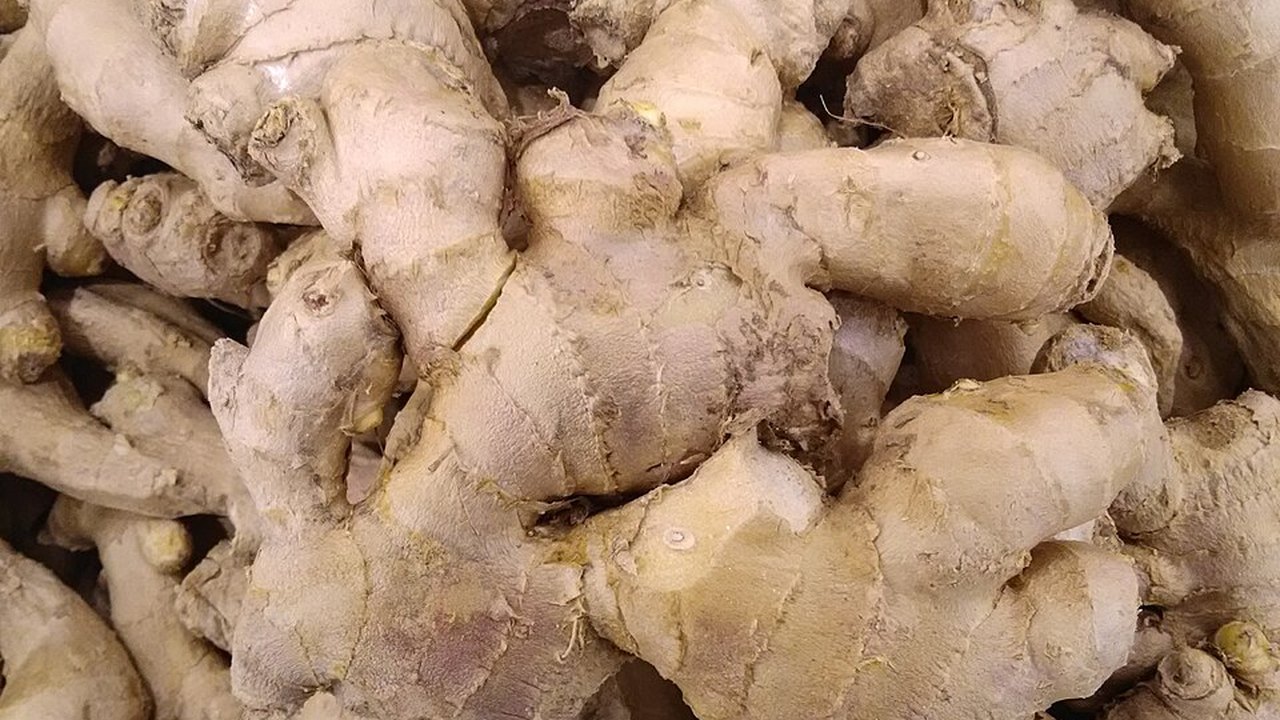
A pile of fresh ginger roots

Quick answer

Category
Herbs
Recommended preparation
Plain fresh root, peeled and finely chopped, or plain ground ginger
Main concern
Stomach upset with larger amounts; extra caution for some dogs and medicines
Suitable as everyday food
No

The full answer

Veterinary and kennel-club sources describe plain ginger in small amounts as acceptable for many healthy dogs, and describe stomach upset, gas and nausea when a dog gets too much. The amount that's sensible depends on the dog and the product.

Don't use ginger to treat symptoms, travel sickness, pain or inflammation without veterinary guidance. Veterinary sources discuss ginger as a supplement, but also point out that few herbal supplements have been through rigorous trials and that "natural" doesn't mean safe at any amount.

Don't deliberately offer ginger without veterinary guidance to a dog with a bleeding disorder, a dog facing surgery, a dog taking anti-inflammatory medicine or other relevant medicines, a dog with diabetes or heart disease, or a pregnant or nursing dog. The sources support these precautions for ginger use, especially supplement use and planned feeding. A tiny accidental taste of plain ginger is a different situation, but symptoms, health history and the actual product still matter.

Risks and Things to Know

  • Larger amounts can cause gas, nausea and digestive upset.
  • Planned ginger use can matter for dogs with bleeding disorders, upcoming surgery, relevant medicines, diabetes, heart disease, pregnancy or nursing.
  • Pickled and sushi ginger usually contain vinegar, salt and sugar. Some products may contain sweeteners. Check the ingredients.
  • Ginger ale, ginger beer and ginger cordial are drinks made for people. They may be sugary, sugar-free or alcoholic depending on the product. They are not a way to give a dog ginger.
  • Gingerbread, ginger biscuits and spiced baking contain sugar, fat and spice blends that vary by product. Nutmeg, cinnamon, xylitol, chocolate and alcohol are separate issues if present.
  • Ginger pastes, marinades and stir-fry sauces vary by brand and recipe. Check for garlic, onion, salt, xylitol, alcohol or other ingredients that change the answer.

How much is okay?

If you offer ginger at all, a small amount of plain root, or a pinch of ground spice mixed into food your dog already eats, is enough.

Introduce it slowly and stop if you see gas, loose stools or vomiting.

How Should I Prepare It?

  • Peel fresh root thoroughly and chop it finely.
  • Use plain ground ginger only if the label lists ginger and no added ingredients.
  • This page covers only plain ginger. Ginger paste, marinades, stir-fry sauces, pickled ginger, ginger drinks and baked products are mixed products that need their own assessment.
  • Serve plain ginger with food rather than on its own.
What If My Dog Ate Too Much?

If you know your dog only licked or ate a tiny amount of plain fresh or ground ginger and is acting normally, watch for stomach upset and keep fresh water available.

Contact a vet if your dog ate a large amount, if symptoms appear, if your dog has a bleeding disorder, diabetes or heart disease, if your dog takes medicine, or if the product was a supplement.

Check the ingredients for pickled, sweetened, baked, drink, paste, marinade or sauce products. If xylitol, alcohol, garlic, onion, chocolate or another hazardous ingredient is present or cannot be ruled out, contact a vet promptly.

This guide is for general educational purposes and isn't a substitute for advice from your veterinarian. If your dog has eaten something potentially toxic or is showing concerning symptoms, contact a veterinarian promptly.

Frequently Asked Questions

Plain ginger is not described as toxic to dogs in the sources we use. Large amounts can still upset a dog’s stomach, and ginger is not suitable for every dog.

Do not use ginger to treat travel sickness without veterinary guidance. Ginger is discussed as a supplement in veterinary sources, but the evidence for herbal supplements is limited and dosing is a veterinary decision.

It is better to avoid it. Pickled ginger usually contains vinegar, salt and sugar, and some products may contain sweeteners. Check the ingredients and contact a vet promptly if xylitol is present or cannot be ruled out.

No. These are drinks made for people. Some are sugary, some are sugar-free, and some ginger beer contains alcohol. If alcohol or xylitol is present or uncertain after ingestion, contact a vet promptly.

How this guide was written

Last updated 12 October 2026. We write from widely published, mainstream pet-health sources and avoid presenting feeding amounts as veterinary prescriptions.

Browse every food in our A–Z guide