The full answer
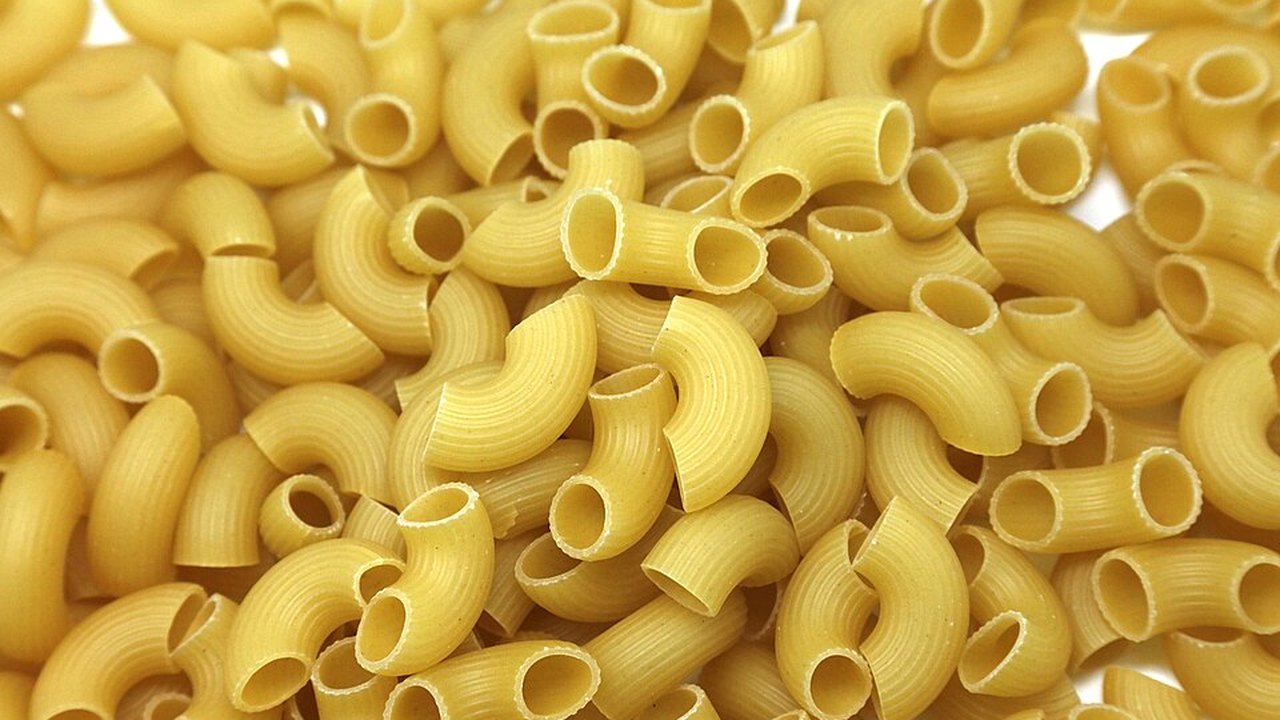
Plain cooked pasta isn't toxic to dogs, and a small plain piece now and then is unlikely to cause trouble. That's what our "limit" rating covers, and nothing more.
Pasta also gives a dog very little they need, so it should stay an occasional scrap, not part of their food, and never a meal in itself.
The pasta on your plate is a different question: sauce, cheese, filling and seasoning are where the real risks are, and those aren't covered by this rating at all.
Is Pasta Good for Dogs?
Pasta is flour, water and sometimes egg — mainly carbohydrate. It is unnecessary alongside a complete diet, adds calories and should not displace balanced food.
Pasta is not a balanced meal for a dog and should never replace one. If your vet has advised a bland diet during illness, follow their instructions rather than improvising.
Risks and Things to Know
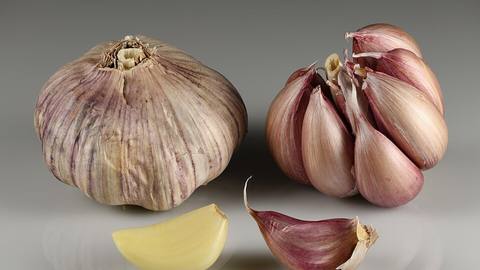
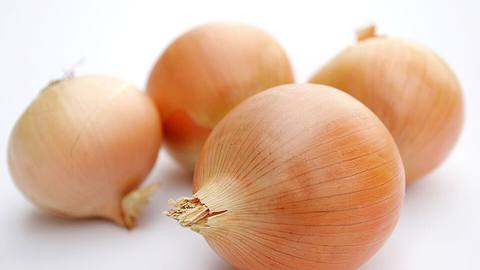
- Pasta sauce should not be given to a dog without checking its ingredients. Recipes vary, but they may contain garlic, onion, salt, sugar or added fat — and garlic and onion are toxic to dogs, not merely unsuitable.
- A sprinkle of cheese is not a fix either; some dogs react to dairy with gastrointestinal upset, and rich fat can trigger pancreatitis.
- Ravioli, tortellini and lasagne are not “pasta plus a little something”. Fillings and baked pasta recipes vary and may contain onion, garlic, cured meat, cheese or salt, so check the actual ingredients and treat them separately from plain noodles.
- Dry pasta can cause choking, and a large amount can cause a blockage in the gut. If your dog is choking or having difficulty breathing, seek emergency veterinary help immediately.
- Wheat-based pasta is unsuitable for a dog with a known wheat allergy or intolerance. Some pasta also contains egg or other ingredients a particular dog may need to avoid.
How much is okay?
If you share a piece, it should be completely plain: cooked without salt and not tossed in oil or sauce. Keep it to a small amount once in a while, not a regular addition to the bowl.
Check with your vet before adding human food to your dog's diet, especially if your dog is overweight, on a prescription diet or sensitive to wheat or grains.
How Should I Prepare It?
- Cook it plain: no salt in the water, no oil, no sauce, no cheese.
- Let it cool and offer a small piece, not a bowlful.
- Keep sauced, filled and baked pasta dishes away from the dog, and check the ingredients of any sauce before assuming anything from its name.
- Store dry pasta packets out of reach.
- Itching, diarrhoea, vomiting or persistent ear irritation warrants a veterinary assessment rather than diagnosing an allergy yourself.