The full answer
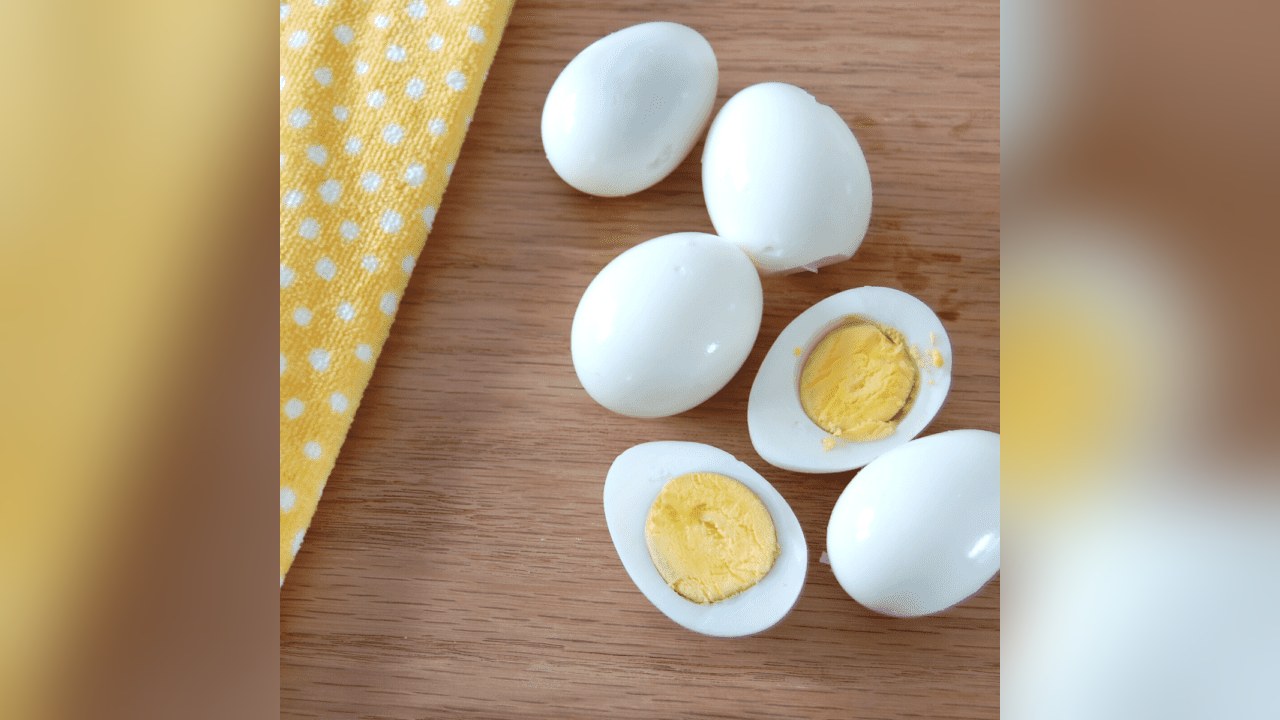
Cooked eggs are a well-known dog-friendly protein and turn up in plenty of homemade treat recipes.
The usual advice is to cook them fully and serve them plain. Raw eggs are linked to a Salmonella risk, which affects both dogs and the people handling them.
Are Eggs Good for Dogs?
Eggs provide protein, fatty acids and vitamins in a form most dogs digest well.
They are an addition to a balanced diet, not a replacement for one, and they add meaningful calories for small dogs.
Potential benefits
- Complete, digestible protein
- Very palatable for fussy eaters
- Quick and cheap to prepare
- Easy to portion by fraction of an egg
Risks and Things to Know
- Raw eggs carry a risk of Salmonella for dogs and humans in the home
- Butter, oil, salt, cheese and seasonings turn a simple egg into a fatty, salty meal
- Eggs add calories quickly for small dogs
- Egg is a possible allergen in some dogs
- Cooked eggshell is sometimes suggested as a calcium source — only do this on veterinary advice, since calcium balance matters
How much is okay?
A quarter of an egg is plenty for a small dog, and a large dog can have up to a whole egg now and then. Cook it plain, with no butter, oil or salt.
How often eggs fit depends on your dog's size and diet, so ask your vet if you want to make them a regular thing.
How Should I Prepare It?
- Boil, poach or scramble in a dry non-stick pan.
- Add nothing — no butter, oil, milk, salt, pepper, cheese or herbs.
- Cook fully until both white and yolk are set.
- Cool before serving and chop into pieces.