The full answer
Caffeine can be toxic to dogs. Dogs are more sensitive to it than people and they're far smaller, so an amount that would barely register for an adult human can matter a great deal for a dog. Caffeine is a stimulant that acts on the heart and the nervous system, which is why veterinary toxicology sources take coffee exposures seriously.
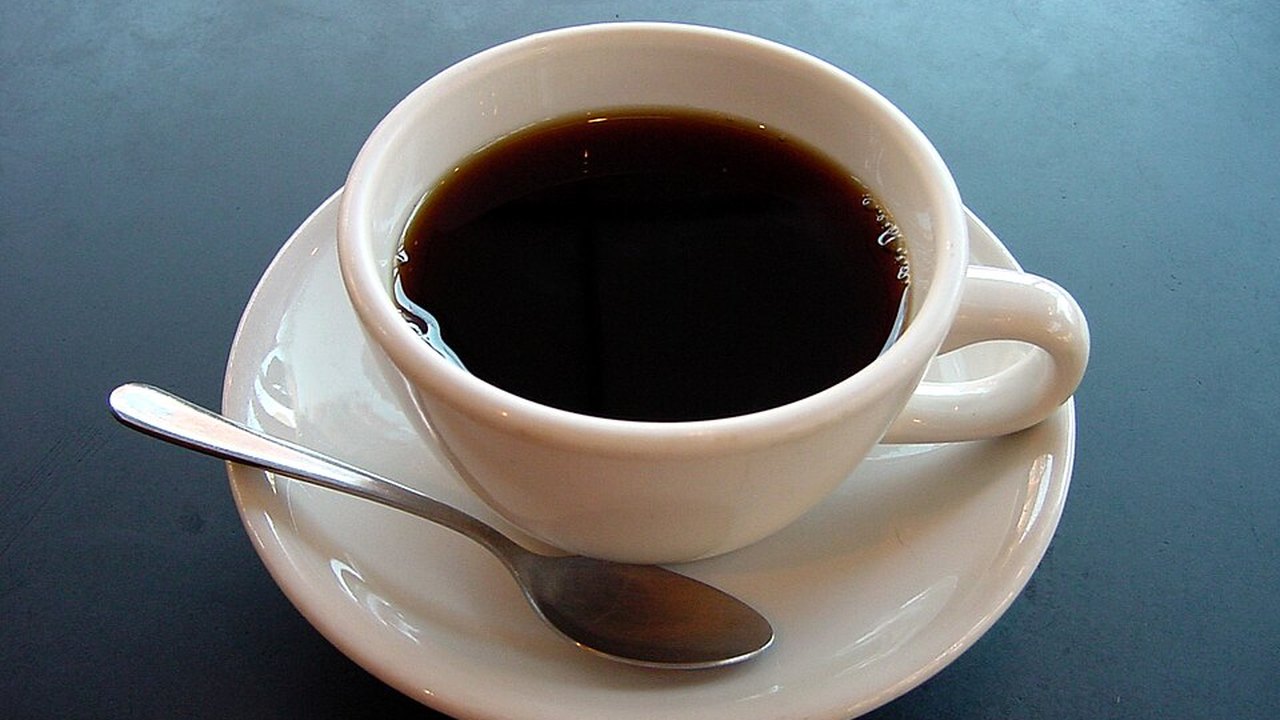
Coffee reaches dogs in more forms than people expect. A mug of brewed coffee left within reach is the obvious one, but used grounds in a bin or compost caddy, whole or ground beans in a bag, espresso, instant granules, coffee pods and chocolate-covered coffee beans all count. Grounds and beans worry vets most, because they're far more concentrated than a cup of brewed coffee and dogs will happily eat a mouthful straight from a bin.
Products differ enormously in strength. An espresso, a filter coffee, a bag of beans and a pot of used grounds aren't comparable, and neither are energy drinks, caffeine tablets or pre-workout powders, which can be far more concentrated than any coffee. That's one reason we don't publish dose tables or a calculator: the amount actually absorbed depends on the product, the quantity, the timing and the individual dog, and the safe response is the same regardless. Call someone who can assess it properly.
Effects you might see include restlessness and agitation, panting, vomiting, a raised heart rate, abnormal heart rhythms, raised blood pressure, muscle tremors and, in severe cases, seizures and collapse. Signs can begin within an hour or two of ingestion. A dog that seems bouncy and unsettled after getting into coffee isn't being funny; agitation is one of the recognised early effects.
If your dog has swallowed coffee, grounds, beans or any caffeinated product, contact your vet or an animal poison service promptly, even if your dog seems well. Tell them what the product was, roughly how much, when it happened and your dog's weight, and keep the packaging if you have it. Don't try to make your dog vomit and don't give any home remedy unless a veterinary professional specifically tells you to. Caffeine belongs to the same family of compounds, the methylxanthines, as the theobromine in chocolate, so if your dog got into a chocolate-coffee product both matter, and our chocolate guide is worth reading alongside this one.
Is Coffee Good for Dogs?
No. There is no situation in which coffee or caffeine benefits a dog, and no version of it that is appropriate to offer. Decaffeinated coffee is not caffeine-free either — it contains a small residual amount — and it still has no place in a dog's bowl. If your dog is drawn to your mug, the answer is to keep the mug out of reach rather than to find a dog-friendly version.
Risks and Things to Know
- Caffeine is a stimulant that dogs are more sensitive to than people, affecting the heart and nervous system
- Coffee grounds and whole beans are far more concentrated than brewed coffee and are a common source of serious exposures
- Possible effects include restlessness, agitation, panting, vomiting, an elevated heart rate and abnormal heart rhythms
- Muscle tremors, seizures and collapse can occur in severe cases
- Energy drinks, caffeine tablets and pre-workout powders can be far more concentrated than coffee
- Chocolate-covered coffee beans combine caffeine with theobromine from chocolate
- Decaffeinated coffee contains much less caffeine than regular coffee, but it is not a recommended drink for dogs
- Used grounds in bins and compost caddies are a frequent scavenging target
How much is okay?
There's no safe serving of coffee, so there's no portion to give. We don't publish milligram-per-kilogram figures or a calculator: whether an exposure matters is for a vet or an animal poison service to judge, based on the product, the amount, the timing and your dog.
A quick lick of milky coffee from the floor is different from a mouthful of grounds, but the right response to any real or uncertain exposure is the same: phone for advice instead of waiting to see what happens.
Small dogs, puppies, older dogs and dogs with heart conditions worry us most.
How Should I Prepare It?
- There is no dog-appropriate preparation of coffee — keep all of it away
- Never leave mugs of coffee within reach on low tables, sofas or the floor
- Keep beans, ground coffee, instant granules and pods in closed cupboards
- Empty used grounds into a bin with a secure lid rather than an open caddy
- Keep energy drinks, caffeine tablets and pre-workout powders well out of reach
- Treat chocolate-covered coffee beans as a double problem and keep them away entirely