The full answer
Plain cooked pork isn't toxic to dogs. If you cook a piece of lean pork through, trim the fat and leave off the salt and seasoning, it's a perfectly ordinary protein.
We rate pork as LIMIT because that's not how pork usually shows up in a kitchen. Most of it arrives fatty, salted, cured or seasoned, and those are the versions dogs are most likely to be offered.
Fat is the main everyday issue. Crackling, rind and fat trimmings are very rich, and a dog that eats a pile of them can end up with vomiting or diarrhoea. Very fatty meals are also discussed in veterinary advice as a possible trigger for pancreatitis in susceptible dogs.
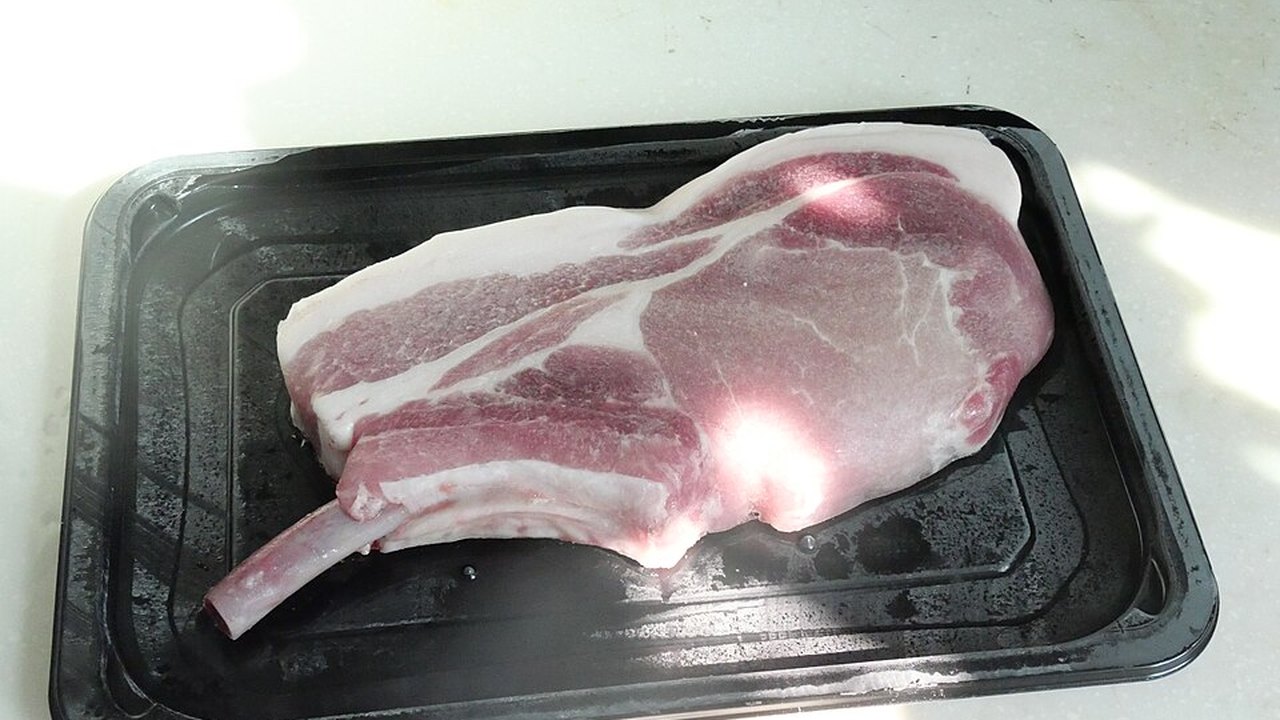
Raw and undercooked pork is worth avoiding. Pork can carry parasites, and thorough cooking is the straightforward way to deal with that.
Seasoning is the risk owners most often overlook. Roasts, rubs, marinades and pulled pork usually contain onion or garlic in some form, and both are a genuine concern for dogs; our onion and garlic guides explain why. Cured products bring a lot of salt as well.
Bones are the last piece. Cooked pork bones, including chops and ribs, can splinter and aren't a safe chew.
Is Pork Good for Dogs?
Plain lean cooked pork provides good-quality protein and is well accepted by most dogs, so it works as an occasional topper.
It is not superior to chicken, turkey or beef in any meaningful way, and it usually comes with more fat, so there is no reason to choose it over them.
As with any meat, it is an extra alongside a complete diet, not a meal in itself.
Potential benefits
- A palatable source of protein when served plain, lean and thoroughly cooked.
- Useful as an occasional alternative protein or topper for a fussy eater.
Risks and Things to Know
- High fat content in most cuts, and especially in rind, crackling and trimmings, which can cause digestive upset.
- Very fatty meals are discussed as a possible trigger for pancreatitis in susceptible dogs.
- Raw or undercooked pork can carry parasites, which cooking addresses.
- Cooked pork bones, including chops and ribs, can splinter and cause choking or internal injury.
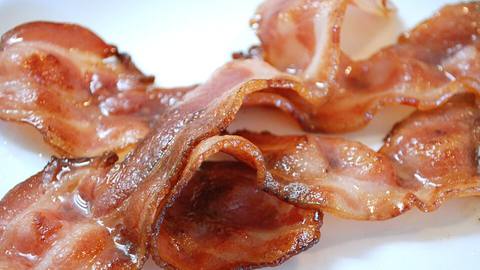
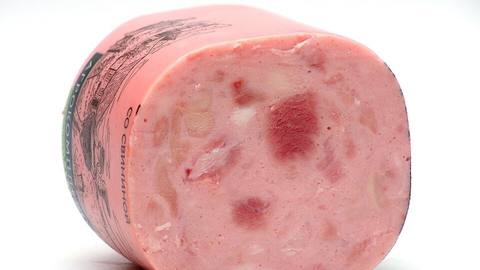
- Bacon, ham, gammon and sausage are heavily salted or cured and are not suitable everyday foods for dogs.
- Rubs, marinades and pulled pork sauces commonly contain onion and garlic, which are unsafe for dogs.
How much is okay?
A tablespoon of chopped plain lean pork for a small dog, or a small handful for a large one, now and then rather than daily. Cook it through and leave out the seasoning.
Count it within the day's treat calories. If your dog has a sensitive stomach or has had pancreatitis, check with your vet first.
Never give cooked pork bones.
How Should I Prepare It?
- Cook pork all the way through; do not serve it raw or pink in the middle.
- Trim the fat, remove the rind and skip the crackling entirely.
- Cook your dog's portion plain, before you add salt, oil, herbs, rubs, marinade or sauce.
- Remove all bones, and never give cooked pork bones as a chew.
- Cut it into small pieces and let it cool before serving.
- Do not use bacon, ham or sausage as a substitute when you run out of plain pork.