Can Dogs Eat Kale?

LIMIT

LIMIT — A small amount of plain kale occasionally is fine for most healthy adult dogs, but dogs prone to kidney or bladder stones shouldn't have it.

Kale isn't a food to share freely. It contains calcium oxalate, which is why sources advise against it for dogs with a history of kidney or bladder stones, and it can upset the stomach. For other healthy adult dogs, a little plain kale now and then is generally fine.

Main sources: PetMD — Can Dogs Eat Kale?; AKC — Can Dogs Eat Kale?

See our guide to vegetables dogs can and can't eat to compare this with the rest of the vegetable list.

On this page
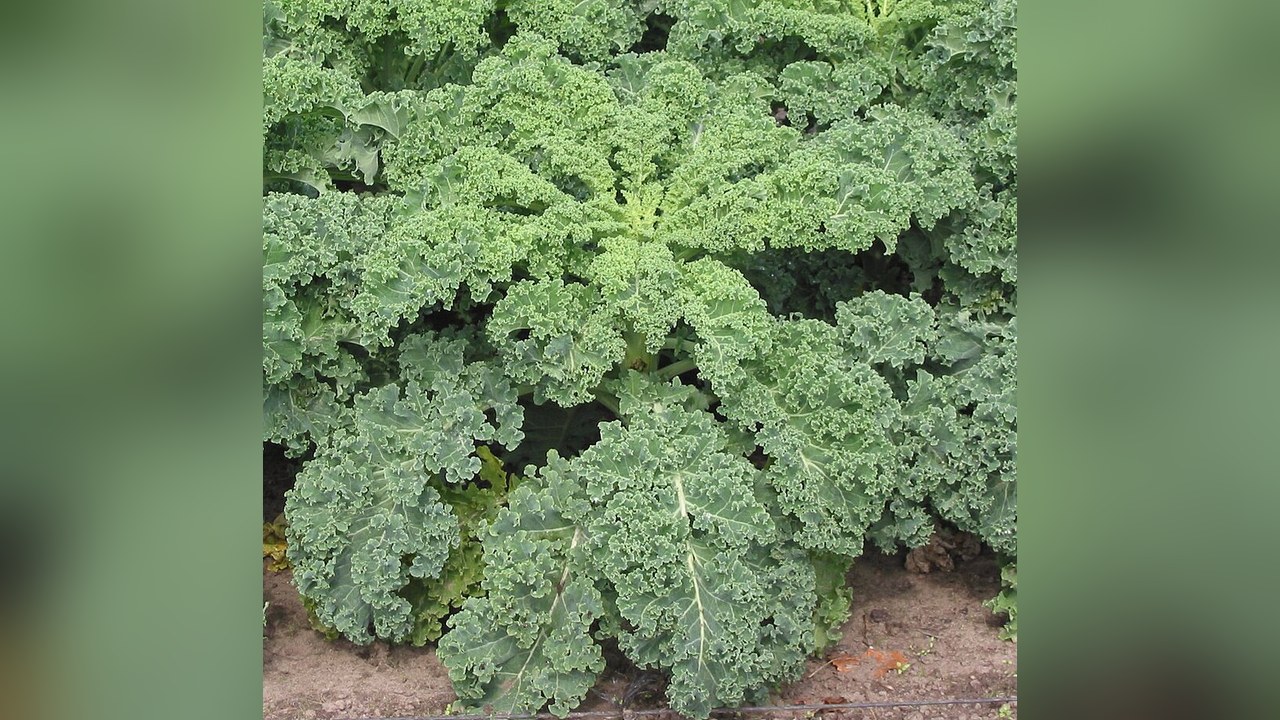
A curly kale plant growing in soil

Quick answer

Category
Vegetables
Recommended preparation
Plain leaves, stems removed, chopped; a small amount only
Main concern
Calcium oxalate (stone-prone dogs) and stomach upset
Suitable as everyday food
No

The full answer

Veterinary and kennel-club sources describe small, occasional amounts of plain kale as acceptable for many healthy adult dogs, but not as a routine treat.

Kale contains calcium oxalate. Sources advise that dogs prone to kidney or bladder stones, or with existing kidney problems, shouldn't be given kale. If your dog has a history of stones, ask your vet before offering any leafy greens.

Kale can also cause stomach upset, such as gas, vomiting or diarrhoea, especially in larger amounts or when a dog isn't used to it.

Kale served for people is often cooked with oil, garlic, salt or seasoning, or made into kale chips. Those preparations aren't plain kale.

Risks and Things to Know

  • Calcium oxalate: dogs prone to kidney or bladder stones should not have kale.
  • Stomach upset — gas, vomiting or diarrhoea — is possible, especially with larger amounts.
  • Tough stems are harder to chew and digest.
  • Seasoned kale, kale chips and dishes with garlic or onion are separate concerns.

How much is okay?

If you offer kale, a small amount now and then is enough, not every day. Stop if you see stomach upset.

Ask your vet first if your dog has had kidney or bladder stones or has a kidney problem.

How Should I Prepare It?

  • Wash the leaves and remove the tough stems.
  • Chop finely. Plain raw or plainly steamed kale can be used.
  • Do not add oil, salt, garlic or seasoning.
What If My Dog Ate Too Much?

If your dog ate a larger amount of plain kale, watch for gas, vomiting or diarrhoea and keep water available.

Contact a vet if symptoms continue, if your dog has a history of stones or kidney problems, or if the kale was seasoned with garlic or onion.

This guide is for general educational purposes and isn't a substitute for advice from your veterinarian. If your dog has eaten something potentially toxic or is showing concerning symptoms, contact a veterinarian promptly.

Frequently Asked Questions

Kale is not described as toxic to healthy dogs in small amounts. It is not a free-for-all treat, though, because it contains calcium oxalate and can upset the stomach.

Kale contains calcium oxalate. Sources advise that dogs prone to kidney or bladder stones should not be given it. Ask your vet about leafy greens if your dog has had stones.

A small amount of plain raw kale, with the stems removed and finely chopped, is acceptable for most healthy adult dogs. Keep it occasional.

Plainly steamed kale is fine in small amounts. Kale cooked with oil, garlic, salt or seasoning is a different question.

It is better not to. Kale chips are usually made with oil and salt, and some flavours contain garlic or onion.

Yes. The stems are tough, so remove them and chop the leaves before serving.

How this guide was written

Last updated 12 October 2026. We write from widely published, mainstream pet-health sources and avoid presenting feeding amounts as veterinary prescriptions.

Browse every food in our A–Z guide