Can Dogs Eat Spinach?

LIMIT

LIMIT — A small amount of plain spinach isn't toxic to dogs, but it's high in oxalates, so it's best given occasionally and in small quantities rather than as a regular addition.

Spinach isn't poisonous to dogs and small amounts are generally tolerated, but its high oxalate content is a reason for caution, particularly for dogs with kidney problems or a history of urinary stones. Serve it plain, chopped and lightly cooked, in small portions.

Main sources: American Kennel Club — Can Dogs Eat Spinach?; PetMD — Can Dogs Eat Spinach?

See our guide to vegetables dogs can and can't eat to compare this with the rest of the vegetable list.

On this page
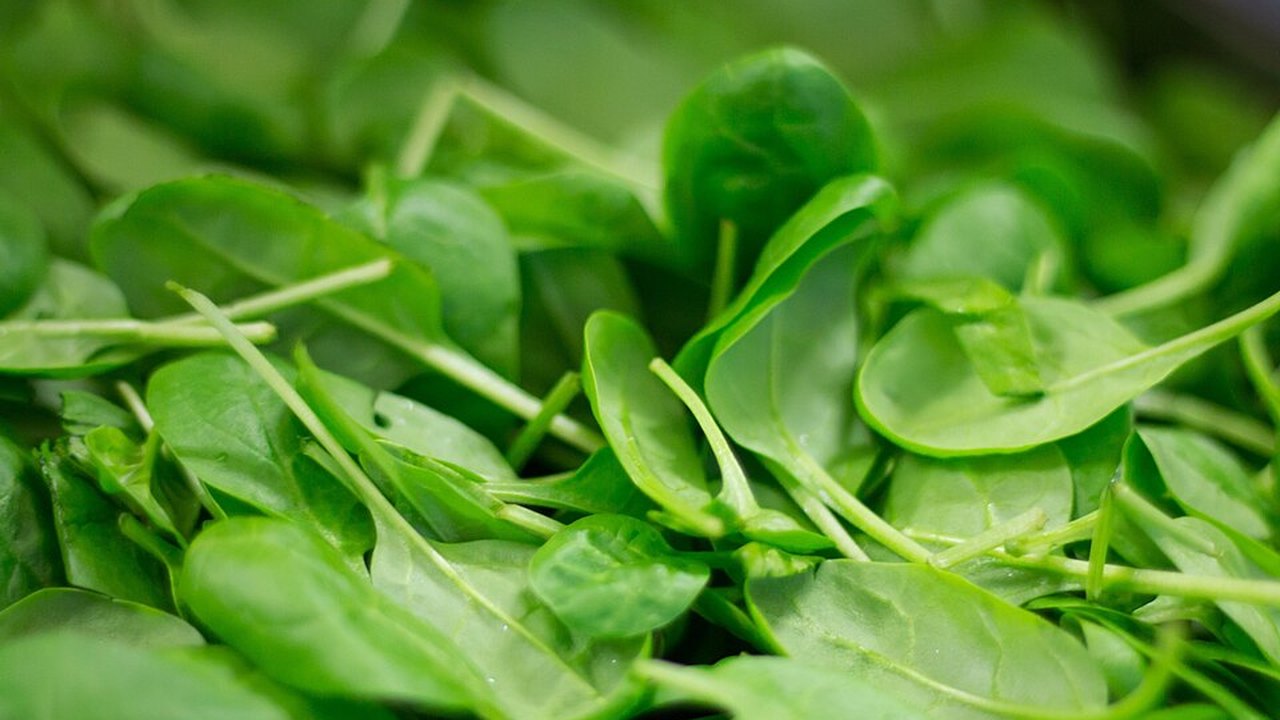
A pile of fresh spinach leaves

Quick answer

Category
Vegetables
Recommended preparation
Wash, chop finely, steam plainly; small portions only
Main concern
High oxalate content, especially for kidney or stone-prone dogs
Suitable as everyday food
Occasional small addition

The full answer

Spinach is nutrient-dense and often assumed to be a healthy addition to a dog's bowl. It does contain iron, fibre and vitamins, but dogs on a complete, balanced food aren't short of those nutrients, so the benefit of adding spinach is limited.

The reason for the cautious rating is oxalic acid. Spinach is one of the highest-oxalate vegetables, and oxalates bind calcium and can contribute to the formation of certain urinary stones. In a healthy dog eating a small amount occasionally, this is unlikely to be a problem. In dogs with kidney disease or a history of calcium oxalate stones, spinach is best avoided entirely unless a vet says otherwise.

Preparation matters for a practical reason too: whole leaves are hard for dogs to chew and can come back up largely intact. Chopping finely and steaming lightly makes the leaves easier to handle. Spinach cooked with garlic, onion, butter, cream or salt isn't suitable, and creamed spinach in particular should be kept away from dogs.

Is Spinach Good for Dogs?

A small amount of plain spinach, washed, finely chopped and lightly steamed

A pinch of chopped spinach mixed into a meal as an occasional addition

Potential benefits

  • Provides fibre, vitamins and minerals in small amounts
  • Very low in calories
  • Easy to chop finely into an existing meal

Risks and Things to Know

  • High in oxalates, which can contribute to calcium oxalate urinary stones
  • Not suitable for dogs with kidney disease or a stone history without veterinary advice
  • Whole leaves are hard for dogs to chew and digest
  • Creamed spinach and spinach cooked with garlic or onion are unsafe
  • Large amounts can cause digestive upset

How much is okay?

Spinach is an occasional extra, not a portioned treat. A small pinch of finely chopped, plainly cooked spinach mixed into a meal is the right scale for most dogs, and less for small ones.

If your dog has kidney disease, bladder stones or is on a prescription urinary diet, don't add spinach without talking to your vet first.

How Should I Prepare It?

  • Wash the leaves thoroughly under running water.
  • Chop them finely so they are easy to swallow and digest.
  • Steam or blanch lightly with no salt, oil, butter, garlic or onion.
  • Let it cool and mix a small amount into your dog's regular food.
Can Puppies Eat Spinach?

Puppies are still growing and are usually on a carefully balanced growth diet, so extras should stay minimal. If you do offer spinach, use a very small, finely cut piece and watch for any digestive upset.

Your vet is the best person to ask before adding any new treat to a puppy's routine.

What If My Dog Ate Too Much?

A large serving of spinach can cause digestive upset, gas or diarrhoea, and repeated large amounts are the situation in which the oxalate content becomes a genuine concern.

Contact your vet if your dog is straining to urinate, urinating frequently or with blood, vomiting repeatedly, or seems unwell — and mention how much spinach was eaten.

This guide is for general educational purposes and isn't a substitute for advice from your veterinarian. If your dog has eaten something potentially toxic or is showing concerning symptoms, contact a veterinarian promptly.

Frequently Asked Questions

Small amounts of plain, finely chopped spinach are not toxic to dogs, but its high oxalate content means it is best offered occasionally and in modest quantities rather than daily.

Oxalates bind calcium and can contribute to calcium oxalate urinary stones. Occasional small amounts are unlikely to cause trouble in a healthy dog, but they are a real concern for dogs prone to stones or with kidney disease.

Dogs with kidney disease, a history of calcium oxalate bladder stones, or those on a prescription urinary diet should avoid spinach unless their vet advises otherwise.

Lightly steamed and finely chopped is easier for dogs to digest than raw whole leaves. Keep it plain — no salt, butter, garlic or onion.

No. Creamed spinach typically contains dairy, butter and often onion or garlic, which makes it unsuitable for dogs.

No. A complete, balanced dog food already supplies the vitamins and minerals your dog needs. Spinach is optional, not necessary.

It is best kept minimal. Puppies should get their nutrition from a complete growth diet — ask your vet before adding vegetables.

Watch for vomiting, diarrhoea or changes in urination. Contact your vet if symptoms are severe or persistent, or if your dog has any kidney or urinary history.

How this guide was written

Last updated 12 October 2026. We write from widely published, mainstream pet-health sources and avoid presenting feeding amounts as veterinary prescriptions.

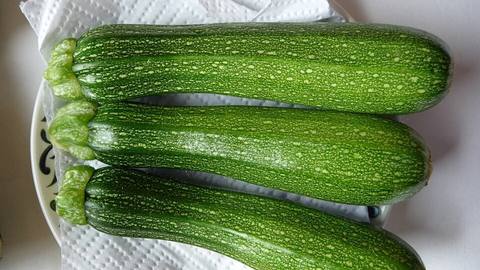
Three zucchini lying on a plate
SAFE

Vegetables

Zucchini

Zucchini is low in calories, high in water and widely considered dog-friendly. Serve it raw or plainly cooked; the skin and seeds of a standard zucchini are fine. Avoid oil, salt, garlic and onion, and skip any zucchini that tastes unusually bitter.

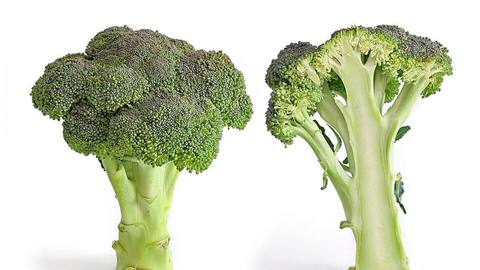
Two broccoli florets, one whole and one cut lengthways
LIMIT

Vegetables

Broccoli

Broccoli isn't a toxic food for dogs, and small amounts of plain broccoli are generally fine. We classify it as LIMIT because portion size and preparation genuinely matter here: florets can irritate the gut in larger quantities, and tough stalks need cutting down.

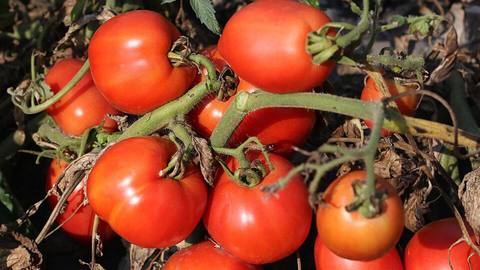
Ripe red tomatoes growing on the vine
LIMIT

Vegetables

Tomatoes

Ripe red tomato flesh is generally considered safe for dogs in small amounts. Unripe green tomatoes and the green parts of the plant contain tomatine and shouldn't be fed, and prepared tomato products often contain onion, garlic, salt or sugar.

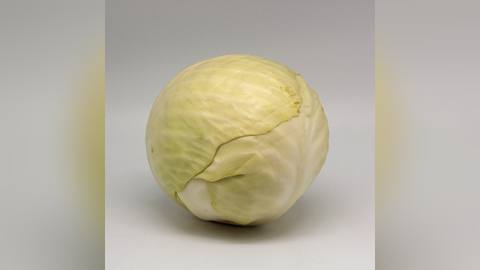
A whole white cabbage head
SAFE

Vegetables

Cabbage

Plain cabbage isn't considered toxic to dogs. Keep servings modest because cabbage is a well-known cause of gas, and leave off butter, salt, sauces, garlic and onion.

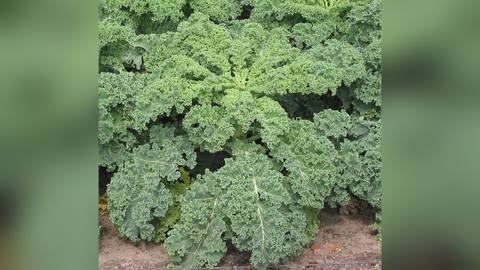
A curly kale plant growing in soil
LIMIT

Vegetables

Kale

Kale isn't a food to share freely. It contains calcium oxalate, which is why sources advise against it for dogs with a history of kidney or bladder stones, and it can upset the stomach. For other healthy adult dogs, a little plain kale now and then is generally fine.

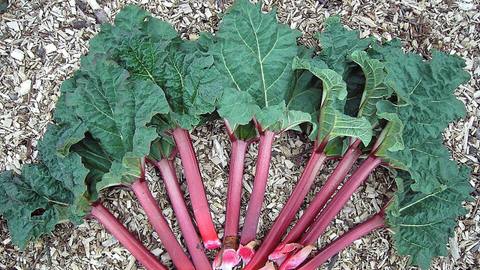
Rhubarb stalks with their leaves fanned out on wood chips
LIMIT

Vegetables

Rhubarb

The part of rhubarb people eat, the stalk, contains very little soluble oxalate and isn't considered toxic. The leaves are the dangerous part: they contain much higher levels of soluble oxalates. Rhubarb is still not an ideal routine treat, and sweetened pies and crumbles aren't the same as plain stalks.

Browse every food in our A–Z guide