Can Dogs Eat Broccoli?

LIMIT

LIMIT — Dogs can eat small amounts of plain broccoli, but moderation and preparation matter. Florets contain isothiocyanates that can irritate the gut, and large or tough pieces can be a choking or blockage risk.

Broccoli isn't a toxic food for dogs, and small amounts of plain broccoli are generally fine. We classify it as LIMIT because portion size and preparation genuinely matter here: florets can irritate the gut in larger quantities, and tough stalks need cutting down.

Main sources: American Kennel Club — Can Dogs Eat Broccoli?; PetMD — What Vegetables Can Dogs Eat?

See our guide to vegetables dogs can and can't eat to compare this with the rest of the vegetable list.

On this page
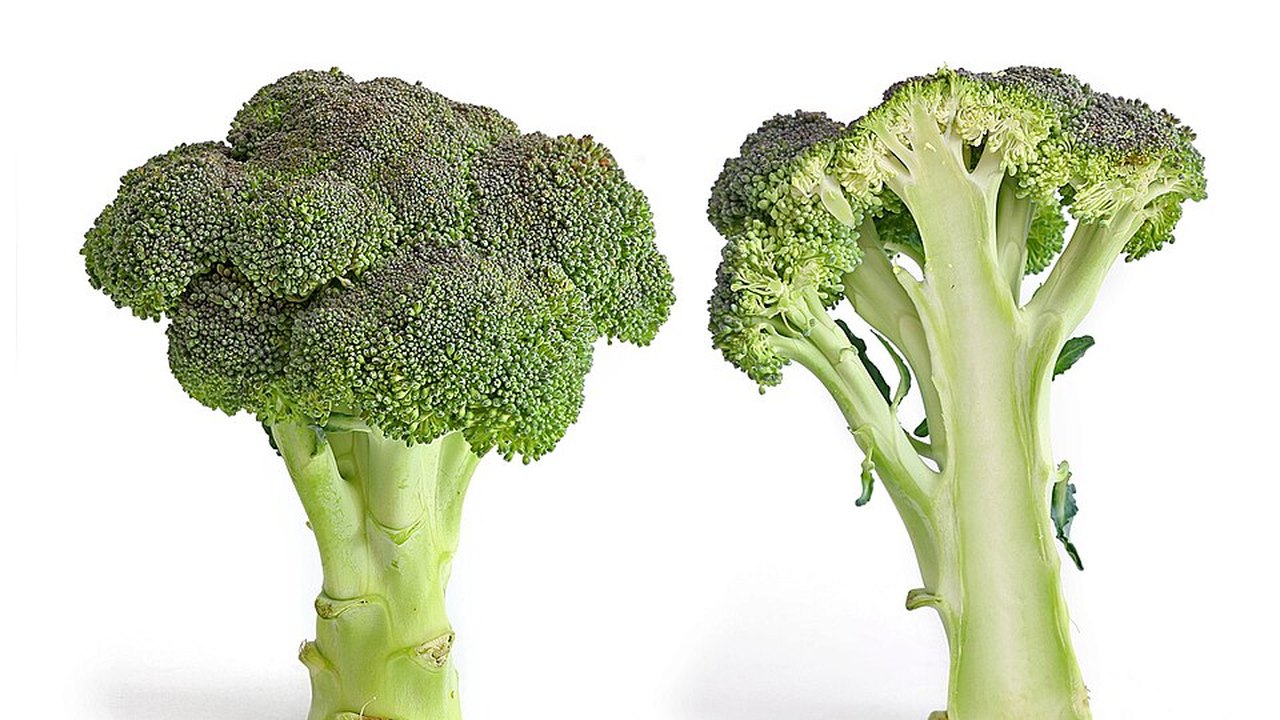
Two broccoli florets, one whole and one cut lengthways

Quick answer

Category
Vegetables
Recommended preparation
Plain, unseasoned, cut into small pieces
Main concern
Florets can irritate the gut in larger amounts; tough stalks
Suitable as everyday food
Small occasional portions

The full answer

Broccoli isn't classified as a toxic food for dogs, and a small amount of plain broccoli is generally considered acceptable. It's a fibrous vegetable that some dogs enjoy raw and others prefer lightly cooked.

We list it as LIMIT rather than SAFE because quantity and preparation matter more than with something like cucumber. Broccoli florets contain isothiocyanates, compounds that can cause gastric irritation in dogs when eaten in larger amounts. In small portions this is usually not an issue, but it's a real reason to keep servings modest.

The second consideration is physical. Broccoli stalks are tough, and large chunks can be a choking or blockage concern, particularly for smaller dogs or dogs that swallow quickly. Cutting broccoli into small pieces, and cooking it plainly if that makes it easier to portion, deals with most of this.

How broccoli is served matters too. Butter, oil, salt, cheese sauce, garlic and onion are all common broccoli accompaniments, and none of them belong in a dog's bowl.

Is Broccoli Good for Dogs?

Plain broccoli, raw or plainly cooked, with no seasoning

Small florets and finely chopped stalk pieces

Small portions offered occasionally rather than large helpings

Potential benefits

  • Provides fiber and water with relatively few calories
  • A plain vegetable option for dogs that enjoy crunchy snacks
  • Easy to chop into small, controlled portions

Risks and Things to Know

  • Florets contain isothiocyanates, which can cause gastric irritation in larger amounts
  • Tough stalks and large pieces can pose a choking or obstruction risk
  • Gas, bloating or loose stools are common if a dog eats too much
  • Seasoning, butter, oil, cheese sauce, garlic and onion make broccoli unsuitable
  • Some dogs simply tolerate cruciferous vegetables poorly

How much is okay?

A few small florets is plenty. In bigger amounts broccoli can cause gas and an upset stomach, so keep it small and occasional.

Introduce it gradually and stop if your dog reacts badly. Ask your vet if you're unsure how much suits your dog.

How Should I Prepare It?

  • Wash the broccoli thoroughly.
  • Cut florets into small pieces and chop any stalk finely — never serve a large tough chunk.
  • If cooking, steam or boil it plainly with no salt, oil, butter or seasoning.
  • Let cooked broccoli cool fully before serving.
  • Start with a small amount and supervise while your dog eats.
Can Puppies Eat Broccoli?

Puppies have developing digestive systems and strict nutritional needs, so vegetables should stay a very small extra.

If you offer broccoli, use a tiny, finely chopped, plainly prepared piece.

Watch closely for gas or loose stools, and ask your vet before making it a habit.

What If My Dog Ate Too Much?

Eating a lot of broccoli at once may cause gas, bloating, vomiting or diarrhoea.

Mild upset often settles, but keep fresh water available and monitor your dog closely.

Contact a veterinarian if symptoms are severe or persistent, if your dog seems in pain or lethargic, or if a large tough piece was swallowed whole.

This guide is for general educational purposes and isn't a substitute for advice from your veterinarian. If your dog has eaten something potentially toxic or is showing concerning symptoms, contact a veterinarian promptly.

Frequently Asked Questions

Small amounts of plain raw broccoli are generally acceptable, but it is crunchy and tough, so cut it into small pieces first. Raw florets are also the form most likely to cause gas or mild stomach upset if your dog eats a lot, which is why we suggest keeping portions modest.

Plainly cooked broccoli — steamed or boiled with no salt, oil, butter or seasoning — is often easier to serve in soft, manageable pieces. Let it cool fully before offering it, and keep the portion small.

Stems are the toughest part and can be a choking or obstruction risk if served in large chunks. If you use the stalk, chop it finely or cook it plainly until soft, and keep the amount small.

Puppies have developing digestive systems and strict nutritional needs, so broccoli should only ever be a tiny extra. If you offer it, use a very small, finely chopped, plainly prepared piece and ask your vet first.

Plain frozen broccoli with no sauce or seasoning can be cooked plainly and served in small pieces. Avoid frozen vegetable mixes with butter or cheese sauces, and do not hand over a large frozen chunk as a chew.

Plain steamed broccoli is one of the easier ways to serve it, because it softens the florets and stalk without adding fat or salt. Cool it, cut it small, and keep the serving modest.

We would not recommend daily broccoli. Florets contain isothiocyanates that can irritate the gut in larger amounts, and broccoli is also prone to causing gas. Occasional small portions fit better, with treats and extras staying a small part of overall daily calories.

Yes, particularly in larger amounts. Gas, bloating, vomiting or diarrhoea are the usual signs. Introduce broccoli gradually in small portions, and contact your vet if symptoms are severe, persistent, or your dog seems in pain or unusually lethargic.

How this guide was written

Last updated 12 October 2026. We write from widely published, mainstream pet-health sources and avoid presenting feeding amounts as veterinary prescriptions.

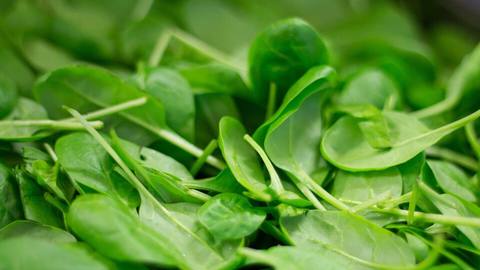
A pile of fresh spinach leaves
LIMIT

Vegetables

Spinach

Spinach isn't poisonous to dogs and small amounts are generally tolerated, but its high oxalate content is a reason for caution, particularly for dogs with kidney problems or a history of urinary stones. Serve it plain, chopped and lightly cooked, in small portions.

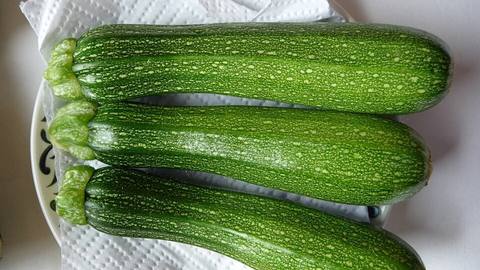
Three zucchini lying on a plate
SAFE

Vegetables

Zucchini

Zucchini is low in calories, high in water and widely considered dog-friendly. Serve it raw or plainly cooked; the skin and seeds of a standard zucchini are fine. Avoid oil, salt, garlic and onion, and skip any zucchini that tastes unusually bitter.

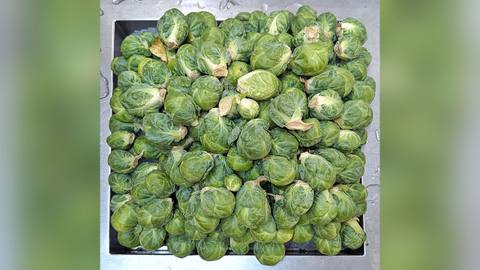
A crate full of Brussels sprouts
SAFE

Vegetables

Brussels Sprouts

Brussels sprouts contain no known toxin for dogs. They're famous for causing gas, and larger amounts can lead to stomach upset and diarrhoea. Serve them plain, cooked until soft and cut into pieces.

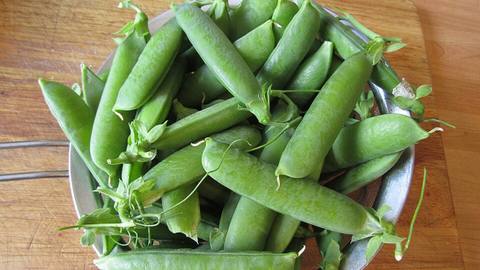
Fresh pea pods in a metal bowl
SAFE

Vegetables

Peas

Green, snap and snow peas are all fine for dogs when served plain. They're low in calories and provide fibre. Watch for tinned peas with added salt, pods for small dogs and portion size.

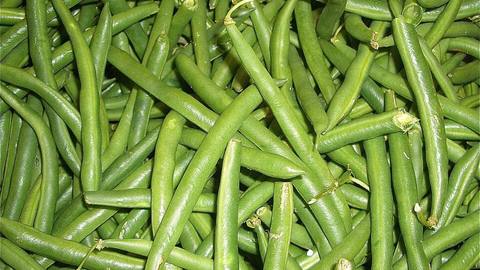
A heap of fresh green beans
SAFE

Vegetables

Green Beans

Green beans are widely recommended as a low-calorie, filling treat for dogs, including as part of vet-guided weight management. Keep them plain: no salt, butter, garlic or onion, and skip canned ones unless they're salt-free.

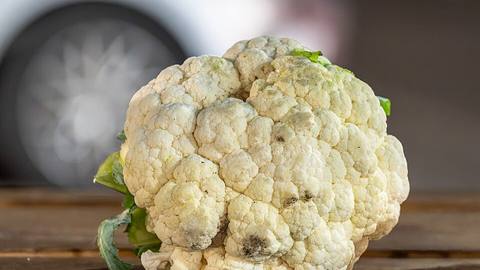
A whole cauliflower on a wooden surface
SAFE

Vegetables

Cauliflower

Plain cauliflower isn't considered toxic to dogs. Serve it without butter, salt, garlic or onion, and keep portions modest because larger amounts often cause gas and an upset stomach.

Browse every food in our A–Z guide