Can Dogs Eat Celery?

SAFE

SAFE — Yes, plain celery is fine for dogs. Wash it and chop it into small pieces, because long stringy stalks can be a choking risk.

Celery is a low-calorie, high-water vegetable that suits dogs on a diet and makes a satisfying crunchy treat. The main issue is texture: chop the stringy stalks into short pieces before serving.

Main sources: American Kennel Club — Can Dogs Eat Celery?; PetMD — Can Dogs Eat Celery?

See our guide to vegetables dogs can and can't eat to compare this with the rest of the vegetable list.

On this page
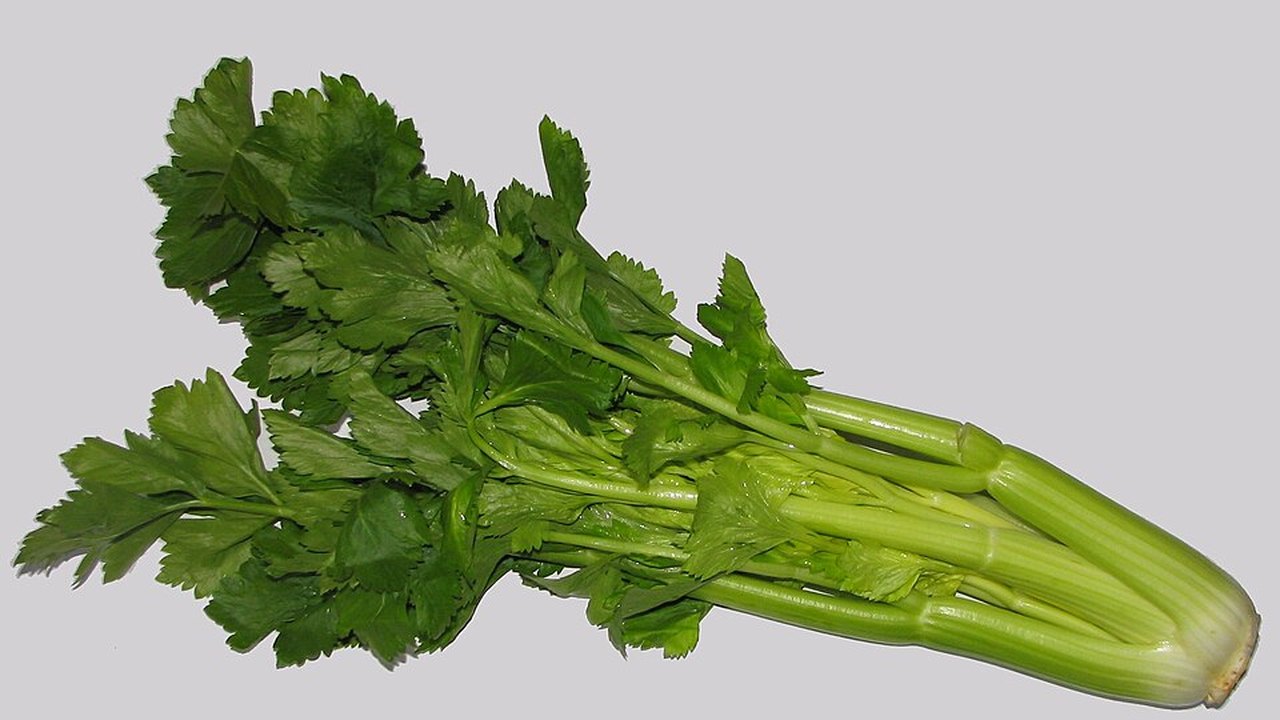
A bunch of celery stalks with leaves

Quick answer

Category
Vegetables
Recommended preparation
Wash and chop into short, bite-sized pieces
Main concern
Stringy texture and choking on long stalks
Suitable as everyday food
Occasional treat

The full answer

Celery is mostly water, with fibre and very few calories, which is why it's often suggested as a treat for dogs that need to lose weight. It's crunchy, which many dogs enjoy, and easy to keep prepped in the fridge.

The thing to manage is the texture. Celery has tough strings running the length of the stalk that don't break down easily when a dog gulps instead of chewing. A whole stalk handed to an enthusiastic dog can be swallowed in long pieces, which is a choking and blockage risk. Chopping across the stalk into short pieces solves this.

Celery is also so high in water that some owners notice their dog needing to go out more after a big serving. That's a comfort matter, not a safety one. Keep it plain: celery served with peanut butter, cream cheese, salt or dips is a different proposition.

Is Celery Good for Dogs?

Fresh celery, washed and chopped into short pieces

Small pieces as a low-calorie training reward

Lightly steamed celery for dogs that struggle with raw crunch

Potential benefits

  • Very low in calories — useful for weight-conscious dogs
  • High water content and a source of fibre
  • Satisfying crunch that many dogs enjoy

Risks and Things to Know

  • Long stringy stalks can cause choking or an obstruction if gulped
  • Tough fibres can be hard to digest for some dogs
  • Large amounts may cause gas or increased urination
  • Celery served with dips, salt or spreads adds fat and salt

How much is okay?

A couple of small pieces is plenty. Cut the stalk into short bits, because the strings can be awkward to chew, and give it as an occasional crunchy snack.

How Should I Prepare It?

  • Wash the stalks thoroughly under running water.
  • Trim off the base and the leafy tops.
  • Chop across the stalk into short pieces suited to your dog's size.
  • Serve plain — no salt, butter, dips or spreads.
  • Steam lightly if your dog has dental problems or dislikes raw vegetables.
Can Puppies Eat Celery?

Puppies are still growing and are usually on a carefully balanced growth diet, so extras should stay minimal. If you do offer celery, use a very small, finely cut piece and watch for any digestive upset.

Your vet is the best person to ask before adding any new treat to a puppy's routine.

What If My Dog Ate Too Much?

Eating a large amount of celery in one go can cause stomach upset, gas or loose stools. Mild, short-lived upset often settles on its own — keep fresh water available and monitor your dog.

Contact your vet if symptoms are severe or persistent, if your dog seems unwell or in pain, or if you think a whole pit, core, large piece or a sweetened product was swallowed.

This guide is for general educational purposes and isn't a substitute for advice from your veterinarian. If your dog has eaten something potentially toxic or is showing concerning symptoms, contact a veterinarian promptly.

Frequently Asked Questions

Yes — plain celery is generally considered safe for dogs. Wash it and chop it into short pieces so the stringy fibres are not swallowed in long strands.

Celery is very low in calories and high in water, which is why it is often suggested as a treat for dogs that need to lose weight. Any diet change is worth discussing with your vet.

The leaves are not considered toxic, but they can be bitter and are usually trimmed off. There is no need to include them.

Raw is fine for most dogs when chopped small. Lightly steamed celery is easier to chew for older dogs or those with dental problems — keep it plain, with no salt or butter.

Yes, if a dog is given a whole stalk and gulps it. Chopping across the stalk into short pieces removes most of that risk.

Crunchy vegetables can help dislodge some debris, but celery is not a substitute for tooth brushing or veterinary dental care.

Small, finely chopped pieces are unlikely to cause problems, but puppies should get their nutrition from a complete growth diet. Ask your vet first.

Plain celery is the safer choice. If you do use peanut butter, it must be xylitol-free and used very sparingly, since it is high in fat and calories.

How this guide was written

Last updated 12 October 2026. We write from widely published, mainstream pet-health sources and avoid presenting feeding amounts as veterinary prescriptions.

Browse every food in our A–Z guide