Can Dogs Eat Chickpeas?

SAFE

YES — Plain, fully cooked, soft chickpeas are fine for dogs.

Cook dried chickpeas until soft, or choose low-sodium canned chickpeas and rinse them. Hummus is a separate prepared food.

Main sources: PetMD — Can Dogs Eat Chickpeas?

See our guide to vegetables dogs can and can't eat to compare this with the rest of the vegetable list.

On this page
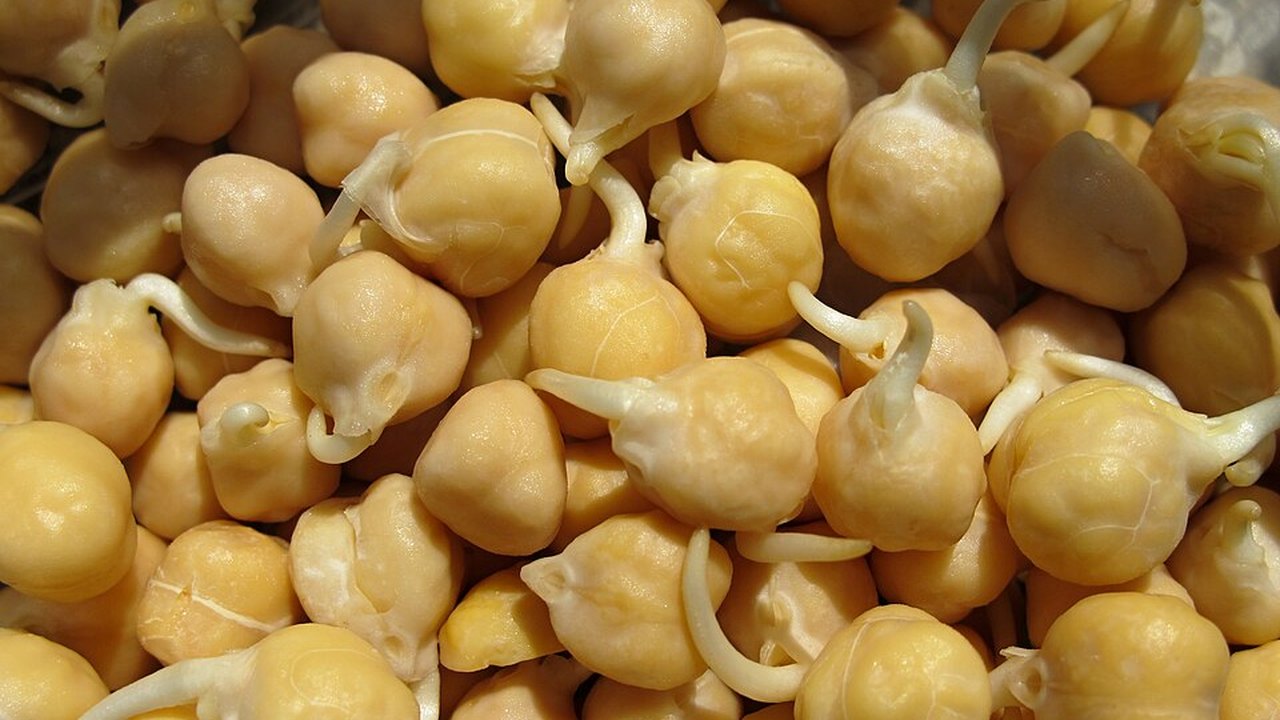
Sprouting chickpeas piled together

Quick answer

Category
Vegetables
Recommended preparation
plain, fully cooked, soft
Main concern
hard dried chickpeas; sodium in canned; hummus ingredients
Suitable as everyday food
occasional extra

The full answer

Freshly prepared, thoroughly cooked plain chickpeas are safe for dogs.

Hard, dried or undercooked chickpeas aren't the form to use: PetMD notes they can be a choking hazard and are harder to digest. Cook them until they're soft enough to mash.

Canned chickpeas can contain a lot of sodium. Choose low-sodium cans and rinse them.

Hummus isn't the same food. It usually has other ingredients in it and isn't covered by this rating.

How much is okay?

A spoonful of plain cooked chickpeas, mashed for a small dog, is plenty as an occasional extra. Skip tinned ones in brine or seasoned sauces, and avoid hummus, which often contains garlic.

How Should I Prepare It?

  • Plain, cooked until soft, no salt or seasoning.
This guide is for general educational purposes and isn't a substitute for advice from your veterinarian. If your dog has eaten something potentially toxic or is showing concerning symptoms, contact a veterinarian promptly.

Frequently Asked Questions

Yes, when they are plain, fully cooked and soft.

Not recommended. Hard chickpeas can be a choking hazard and are harder to digest.

They can be high in sodium. Choose low-sodium chickpeas and rinse them first.

Hummus is a separate prepared food and is not covered by this rating; it often contains unsuitable ingredients.

Serve them plain, fully cooked and soft, without salt or seasoning.

How this guide was written

Last updated 12 October 2026. We write from widely published, mainstream pet-health sources and avoid presenting feeding amounts as veterinary prescriptions.

Browse every food in our A–Z guide