The full answer
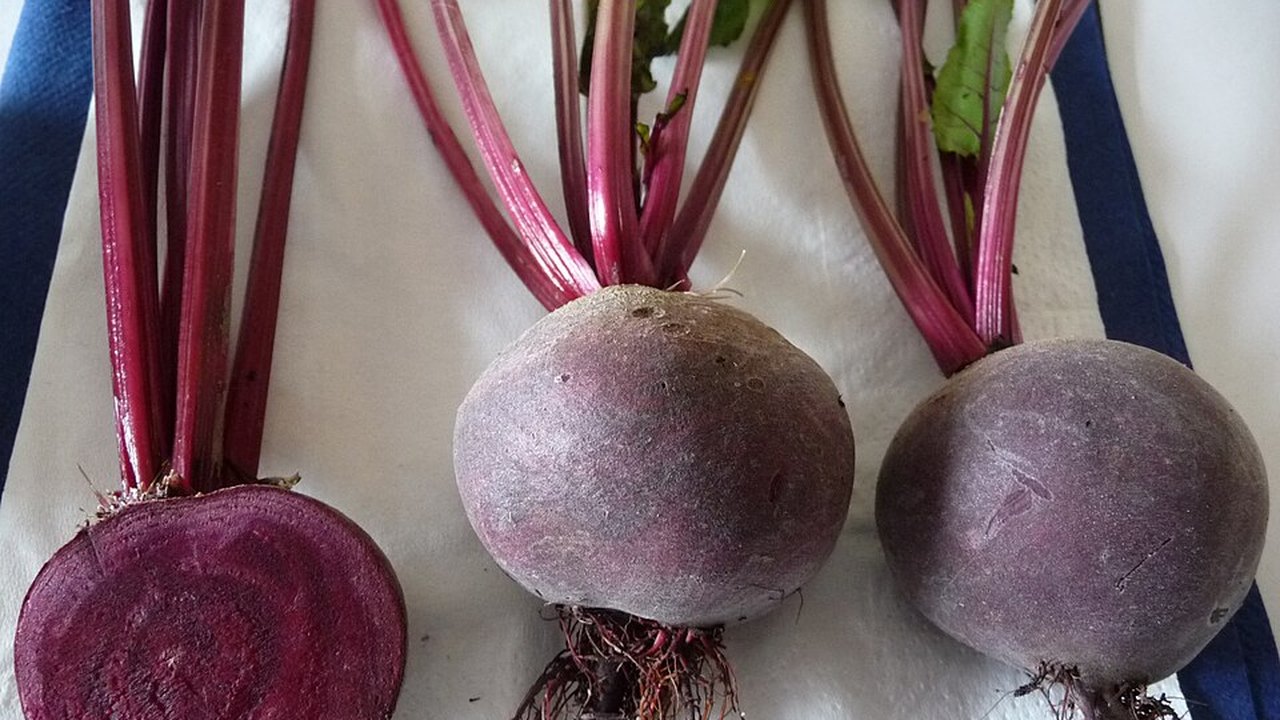
Veterinary sources describe small amounts of plain beets as acceptable for dogs. In the UK and Europe the same vegetable is usually called beetroot.
Beets contain oxalates. Sources warn that large amounts can contribute to bladder stones in some pets and advise against beets for dogs with a history of stones. Ask your vet first if that applies to your dog.
Beets also contain natural sugar and carbohydrates, which is one reason to keep portions small, particularly for dogs with diabetes or weight concerns.
Beets can cause stomach upset and often turn stool, and sometimes urine, red or pink. That colour change is expected and on its own isn't a sign of bleeding, but contact a vet if you're unsure or if your dog seems unwell.
Pickled beets are made with vinegar, salt and often sugar and spices. Canned beets may have added salt or sugar. These aren't the same as plain beetroot. Beet juice is also a different question from the plain vegetable.
Risks and Things to Know
- Oxalates: not suitable for dogs prone to bladder stones.
- Natural sugar and carbohydrates: keep portions small, especially for diabetic or overweight dogs.
- Stomach upset is possible.
- Red or pink stool or urine can follow and can be alarming if you are not expecting it.
- Pickled beets and canned beets with added salt or sugar are not plain beetroot.
How much is okay?
A few small cooked pieces now and then is enough. Keep it occasional, not part of the main diet.
Ask your vet first if your dog has had bladder stones or has diabetes. And don't change a diet your vet or a pet nutritionist set up for your dog without checking with them.
How Should I Prepare It?
- Wash, peel and cook plainly — boiled, steamed or roasted with nothing added.
- Cut into small pieces or mash.
- Do not use pickled beets, and check canned beets for added salt or sugar.