The full answer
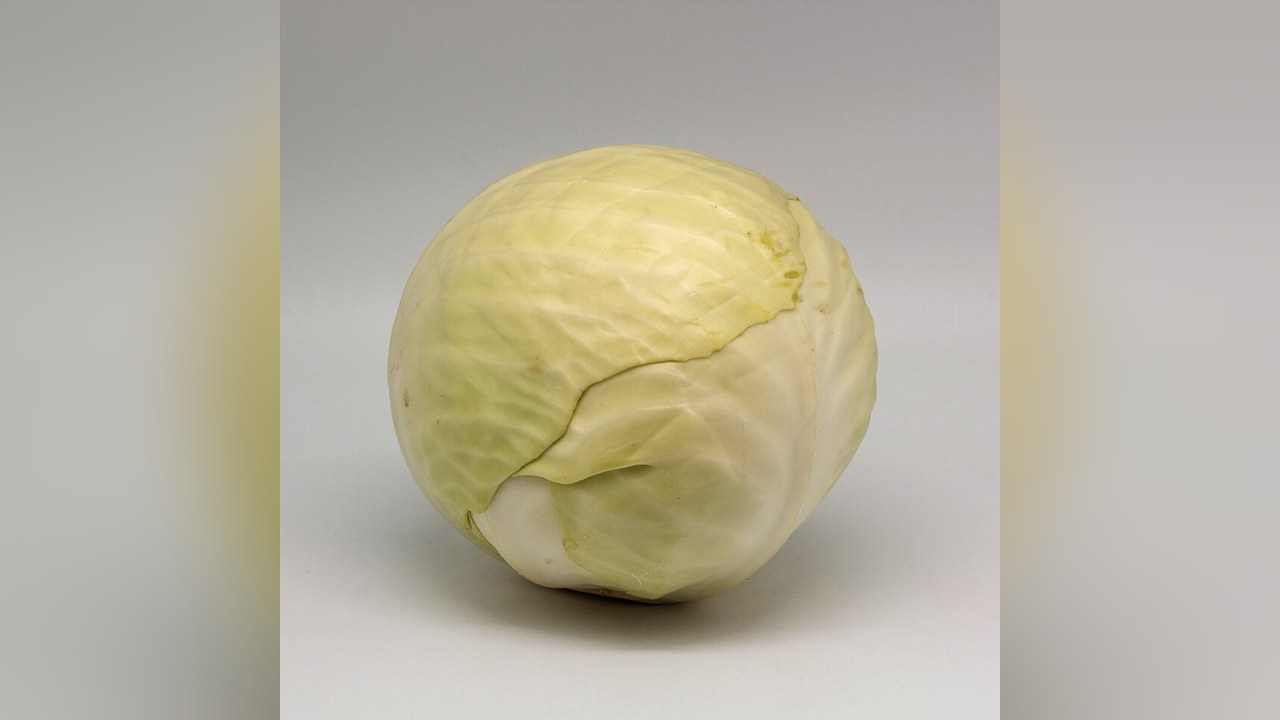
Plain cabbage is a cheap, low-calorie vegetable that dogs can eat. It's not on veterinary poison lists, and a small amount of shredded raw or plainly cooked cabbage mixed into food or offered as a treat is unremarkable.
Cabbage is a brassica, and the family trait is gas. A dog that eats a bowl of cabbage will usually let you know about it. Cooked cabbage is generally gentler than raw, and shredding or chopping it finely helps too, because big leaves are awkward to chew and easy to swallow in a wad.
You'll sometimes read that cabbage contains compounds that harm the thyroid. It's true that brassicas contain naturally occurring goitrogenic compounds, but the amounts a dog gets from an occasional treat are nothing like the large, sustained intakes that concern comes from. We won't turn a normal vegetable into a scare story: cabbage as an occasional extra is fine, and cabbage as a large daily part of a home-prepared diet is a nutrition question for your vet.
The real risks are the things cooked into it. Buttered cabbage, cabbage fried with bacon, coleslaw with mayonnaise, sauerkraut and kimchi are all unsuitable, because of the salt, fat, vinegar and, in several cases, onion or garlic. Take plain cabbage out of the pan before anything else goes in.
Is Cabbage Good for Dogs?
Cabbage is very low in calories and provides fibre and water, which is why plain vegetables sometimes appear in vet-guided weight-management plans as a way to bulk out a treat allowance. It is not something dogs need and it does not replace any part of a complete diet. If you are adding vegetables to manage weight, do it as part of a plan your vet has agreed rather than on your own.
Potential benefits
- Very low in calories, so it fits a tight treat budget
- Provides fibre and water
- Cheap, easy to prepare, and simple to portion finely
Risks and Things to Know
- Gas, bloating and loose stools are common once dogs eat more than a small amount
- Large raw leaves are awkward to chew and can be swallowed in a wad
- Coleslaw, sauerkraut, kimchi and buttered or bacon-fried cabbage are unsuitable — salt, fat, vinegar and often onion or garlic
- Dogs with sensitive stomachs or existing digestive disease often tolerate brassicas poorly
- Very large amounts as a daily part of a home-prepared diet is a nutrition question for a vet, not something to guess at
How much is okay?
A small handful of finely shredded cabbage suits a medium dog, and a spoonful a small one. Start with less than you think, once, and see how your dog's stomach responds.
How Should I Prepare It?
- Wash the cabbage and remove the tough core
- Shred or chop it finely rather than serving whole leaves
- Serve raw, or steam or boil it plain until soft
- No butter, oil, salt, vinegar, mayonnaise, stock, garlic or onion
- Skip coleslaw, sauerkraut, kimchi and any fried or dressed cabbage dish