Can Dogs Eat Sweet Potato?

SAFE

SAFE — Yes, plain cooked sweet potato is fine for dogs, and most love it. Always cook it, peel it, and serve it without butter, salt, sugar or spices. Never serve it raw.

Cooked, plain sweet potato is a dog-friendly vegetable with fibre and beta-carotene. Always cook and peel it, since raw sweet potato is hard to digest and a choking risk, and keep portions modest because it's starchy and higher in calories than most vegetables.

Main sources: American Kennel Club — Can Dogs Eat Sweet Potatoes?; PetMD — Can Dogs Eat Sweet Potatoes?

See our guide to vegetables dogs can and can't eat to compare this with the rest of the vegetable list.

On this page
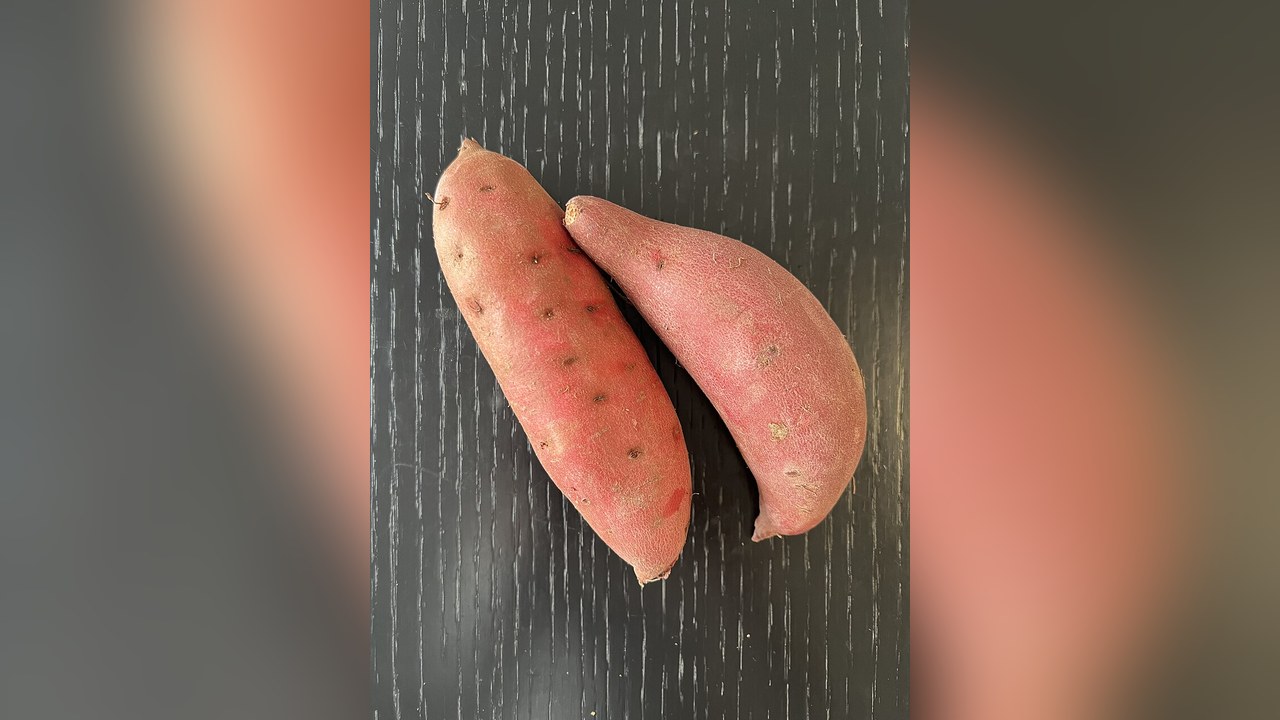
Two sweet potatoes on a dark wooden surface

Quick answer

Category
Vegetables
Recommended preparation
Peel, cook plainly, mash or cube; never serve raw
Main concern
Starch and calories; raw pieces are a choking risk
Suitable as everyday food
Occasional treat or small food topper

The full answer

Sweet potato is a staple of many commercial dog foods and treats, and plain home-cooked sweet potato is generally well tolerated. It provides fibre, beta-carotene and a soft texture most dogs like, which makes it useful as a topper or as the base for homemade treats.

It has to be cooked. Raw sweet potato is tough, hard to digest and a real choking hazard, and the skin adds bulk some dogs struggle with. Boil, steam or bake it with no fat, salt, sugar or spice. Marshmallow-topped or butter-and-cinnamon holiday versions aren't for dogs, and nutmeg in particular should be avoided.

Because it's starchy, sweet potato has more calories than a vegetable like green beans or celery. A spoonful mixed into a meal is a sensible amount for most dogs, and dogs with diabetes should only have it with veterinary input.

Is Sweet Potato Good for Dogs?

Plain boiled, steamed or baked sweet potato, peeled

A spoonful of plain mashed sweet potato as a food topper

Small plain cubes as a soft treat

Dehydrated plain sweet potato slices as a chew, in moderation

Potential benefits

  • Good source of dietary fibre
  • Contains beta-carotene and other nutrients
  • Soft, palatable texture that suits fussy or older dogs
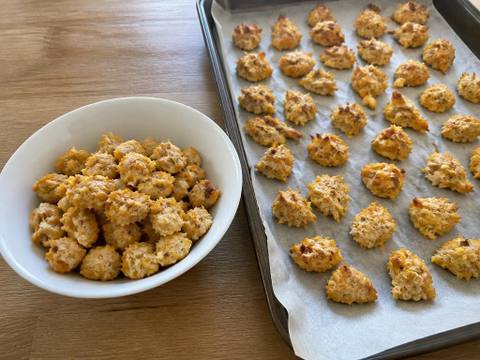
  • Useful base ingredient for homemade dog treats

Risks and Things to Know

  • Raw sweet potato is hard to digest and a choking hazard
  • Starchy and relatively high in calories — easy to overfeed
  • Butter, salt, sugar, marshmallow and spices such as nutmeg are not suitable
  • Not ideal for diabetic dogs without veterinary guidance
  • Large portions can cause digestive upset

How much is okay?

A few small cooked pieces is plenty for most dogs, and a spoonful mashed into a meal for a small one. Cook it plain and take the skin off.

Start with a very small amount the first time and watch for a day. Check with your vet first if your dog has a health condition, is overweight or on a prescription diet.

How Should I Prepare It?

  • Peel the sweet potato and cut it into even pieces.
  • Boil, steam or bake until soft — never serve it raw.
  • Let it cool completely before serving.
  • Mash it or cut it into bite-sized cubes.
  • Serve plain, with no butter, oil, salt, sugar or spices.
Can Puppies Eat Sweet Potato?

Puppies are still growing and are usually on a carefully balanced growth diet, so extras should stay minimal. If you do offer sweet potato, use a very small, finely cut piece and watch for any digestive upset.

Your vet is the best person to ask before adding any new treat to a puppy's routine.

What If My Dog Ate Too Much?

Eating a large amount of sweet potato in one go can cause stomach upset, gas or loose stools. Mild, short-lived upset often settles on its own — keep fresh water available and monitor your dog. Contact your vet if symptoms are severe or persistent, if your dog seems unwell or in pain, or if you think a large unchewed chunk, raw sweet potato, or a sweetened or seasoned sweet potato product (such as pie filling, candied sweet potato, or anything containing xylitol) was swallowed.

This guide is for general educational purposes and isn't a substitute for advice from your veterinarian. If your dog has eaten something potentially toxic or is showing concerning symptoms, contact a veterinarian promptly.

Recipes with Sweet Potato

Frequently Asked Questions

Yes — plain cooked, peeled sweet potato is generally considered safe for dogs in moderation. It should never be served raw or with butter, salt, sugar or spices.

No. Raw sweet potato is tough, hard to digest and a choking hazard, and it can contribute to intestinal blockage. Always cook it first.

The skin is difficult for many dogs to digest and is usually peeled off. Peeling is the simpler, safer approach.

Because it is starchy, keep portions small — around a spoonful of mash for a medium dog as a starting point. Treats should stay a small share of daily calories.

Sweet potato is starchy and affects blood sugar, so it should only be included with your vet's guidance for a diabetic dog.

No. Shop-bought and restaurant fries are cooked in oil and usually salted or seasoned, which makes them unsuitable.

Both must be cooked and plain. Sweet potato offers more fibre and beta-carotene, but the amount matters more than the type — keep either one to small servings.

A very small amount of plain cooked sweet potato is unlikely to cause problems, but puppies should get their nutrition from a complete growth diet. Ask your vet first.

How this guide was written

Last updated 12 October 2026. We write from widely published, mainstream pet-health sources and avoid presenting feeding amounts as veterinary prescriptions.

Browse every food in our A–Z guide