Can Dogs Eat Potatoes?

LIMIT

LIMIT — Plain, fully cooked potato is fine occasionally, but raw, green or sprouted potato isn't.

Plain cooked potato without butter, salt or seasoning can be given in small amounts. Raw potatoes shouldn't be fed, and green or sprouted potatoes are a genuine toxicity concern.

Main sources: Merck Veterinary Manual — Food Hazards (Toxicology); Pet Poison Helpline — Potato (green and raw potato toxicity)

See our guide to vegetables dogs can and can't eat to compare this with the rest of the vegetable list.

On this page
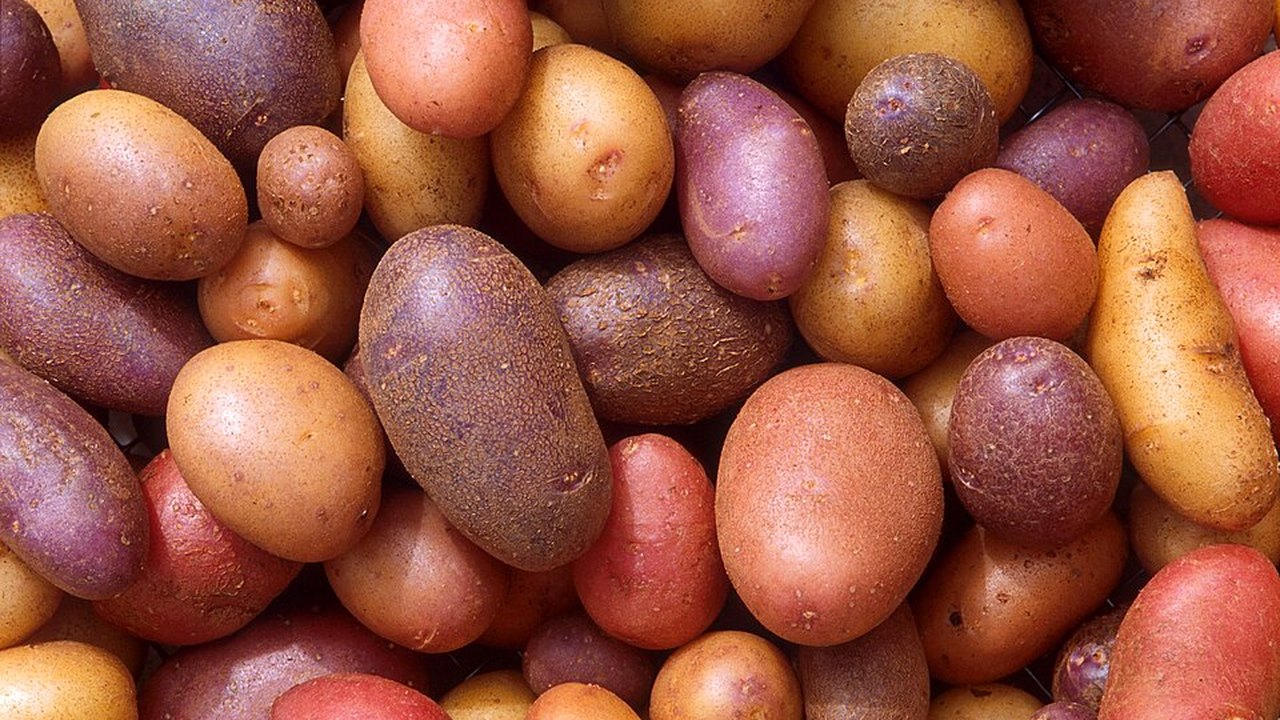
A mixed pile of red, yellow and purple potatoes

Quick answer

Category
Vegetables
Recommended preparation
Fully cooked and plain — boiled or baked, no butter, oil, salt or seasoning
Main concern
Raw, green or sprouted potato, and the fat and salt in most potato dishes
Suitable as everyday food
No — an occasional small addition rather than a staple

The full answer

Potatoes need two separate answers, because a plain boiled potato and a green, sprouting one aren't the same thing. Plain, fully cooked potato flesh isn't a poison. It's a starchy carbohydrate most dogs digest without difficulty, and a small amount mixed into a meal is unlikely to cause any harm. That's why we rate potatoes LIMIT rather than AVOID.

The toxicity concern belongs to raw, green and sprouted potatoes. Potatoes are members of the nightshade family and contain glycoalkaloids, chiefly solanine and chaconine. These are concentrated in the green parts, the sprouts, the eyes and the skin of a potato that's been exposed to light. Cooking reduces but doesn't reliably eliminate them, which is why the standard advice is to cut away green areas and sprouts for people too. In dogs, significant glycoalkaloid ingestion is associated with vomiting, diarrhoea, lethargy and, in more serious cases, neurological signs. Any green or sprouting potato should be kept away from dogs and thrown out rather than cooked.

Raw potato sits in between. It hasn't been made more digestible by cooking, it's harder on the stomach, and it may carry more glycoalkaloid than a properly stored, cooked potato. We wouldn't intentionally feed it. A dog that steals one raw potato from a bag usually isn't an emergency, but it's worth a call to your vet if the potato was green or sprouting, or if your dog eats several.

Finally, most potato in a house isn't plain potato. Chips, roast potatoes, crisps, mash with butter and milk, potato salad with onion: these are the versions dogs are most likely to get hold of, and each adds fat, salt or unsafe ingredients. A high-fat, heavily salted potato dish is a more likely cause of a sick dog than the potato itself. If you want to give your dog potato, cook it plainly and add nothing.

You may see potatoes discussed in the context of diet-associated dilated cardiomyopathy. That conversation is about the overall formulation of some commercial diets and is still under investigation; it isn't evidence that an occasional spoonful of plain potato harms a dog's heart. If you have questions about your dog's main diet, that's a conversation to have with your vet, not a reason to worry about a piece of boiled potato.

Are Potatoes Good for Dogs?

Not especially. Potato is mostly starch, with some potassium, vitamin C and fibre. It is a source of energy rather than something that fills a nutritional gap, and dogs on a complete diet already have their carbohydrate needs covered. Plain cooked potato can be useful in a bland meal your vet has suggested, or as a small filler for a dog who likes it, but there is no health reason to add it and it is easy to overdo the calories.

Potential benefits

  • A digestible source of energy when fully cooked and plain
  • Provides potassium, some vitamin C and fibre
  • Sometimes used in plain, vet-advised bland meals for dogs recovering from an upset stomach

Risks and Things to Know

  • Green skin, sprouts and eyes contain higher concentrations of glycoalkaloids such as solanine, which can cause vomiting, diarrhoea, lethargy and in serious cases neurological signs
  • Raw potato is harder to digest and should not be intentionally fed
  • Fries, crisps and roast potatoes are high in fat and salt and are not equivalent to plain potato
  • Mashed potato usually contains butter, milk, salt and sometimes onion or garlic
  • Starch adds calories quickly and can contribute to weight gain
  • Potatoes may be unsuitable for diabetic dogs and dogs on certain prescription diets without veterinary advice

How much is okay?

A spoonful of plain cooked potato mixed into a meal suits most dogs, and less for a small one. Treat it as a small extra, and only cooked, never raw or green.

If potato is pushing out complete food rather than topping it up, the portion is too big. Talk to your vet before giving potato to a diabetic dog, an overweight dog or a dog on a prescription diet.

How Should I Prepare It?

  • Choose firm potatoes with no green patches and no sprouts, and discard any that are green or sprouting
  • Peel them, which removes the part where glycoalkaloids concentrate
  • Boil, steam or bake until fully soft — never serve raw
  • Serve plain and cooled: no butter, oil, cream, milk, salt, gravy or seasoning
  • Mash or cut into pieces so a hot, dense lump is not swallowed whole
  • Store potatoes in a cool, dark place so they do not turn green, and keep the bag out of a dog's reach
Can Puppies Eat Potatoes?

A puppy can have a small amount of plain, fully cooked potato, but their calories are better spent on a complete puppy food that supports growth. Starchy fillers do not help a growing dog and can put a young digestive system out of sorts.

Be particularly careful about raw potatoes in easy reach — puppies chew what they find, and a green or sprouting potato is a more serious problem in a small dog. Call your vet promptly if a puppy chews a raw potato, especially a green one.

What If My Dog Ate Too Much?

If your dog has eaten a large amount of plain cooked potato, expect a heavy stomach rather than poisoning: wind, loose stools or a vomit. Keep water available and let things settle over the next day.

Contact your vet promptly if your dog has eaten green or sprouted potato, a raw potato, or a large quantity of potato peelings — glycoalkaloid ingestion is treated as a genuine concern rather than a wait-and-see problem. Signs to report include vomiting, diarrhoea, drooling, lethargy, weakness, tremors or a change in behaviour.

Also call if a rich potato dish was eaten — roast potatoes, chips or buttery mash — particularly for a dog with a history of pancreatitis, and mention it if the dish may have contained onion or garlic. Do not try to make your dog vomit or give any home remedy unless a veterinary professional instructs you to.

This guide is for general educational purposes and isn't a substitute for advice from your veterinarian. If your dog has eaten something potentially toxic or is showing concerning symptoms, contact a veterinarian promptly.

Frequently Asked Questions

Yes, in moderation, as long as they are fully cooked and completely plain. Boiled or baked potato with no butter, oil, salt or seasoning is fine as a small extra. It is starchy and calorie-dense, so keep the portion small rather than making it a regular part of meals.

We would not feed raw potato. It is harder to digest than cooked potato and can carry more of the glycoalkaloids that concentrate in the skin and any green areas. If your dog steals a raw potato, watch for vomiting or diarrhoea and call your vet, particularly if the potato was green or sprouting.

It is better to peel potatoes for a dog. The skin is where glycoalkaloids concentrate, especially if the potato has been exposed to light, and peelings are often what a dog gets into from a bin. Cooked, plain peeled potato is the version we would offer.

Green potatoes and sprouts contain higher levels of glycoalkaloids such as solanine, and this is a genuine toxicity concern rather than a mild upset. Signs can include vomiting, diarrhoea, lethargy and in more serious cases neurological effects. Do not cook or feed green or sprouting potatoes, and contact your vet if your dog eats one.

Only if the mash is plain, which most mash is not. Butter, cream, milk and salt make it too rich for a dog, and mash made with onion or garlic is unsafe. If you want to give mash, set aside a plain portion before anything is added.

No. These are high in fat and salt and, in the case of crisps, often flavoured with onion or garlic powder. A stolen chip is not usually an emergency, but they should not be offered. Rich, fatty food can cause vomiting and diarrhoea and is discussed as a pancreatitis trigger in susceptible dogs.

The discussion around diet-associated dilated cardiomyopathy concerns the overall formulation of certain commercial diets and is still being investigated. It is not evidence that an occasional spoonful of plain potato harms a dog's heart. If you have concerns about your dog's main diet, discuss it with your vet.

They are different vegetables with different profiles, and plain cooked sweet potato has no green-and-sprouting concern attached to it. Both should be served plain, fully cooked and in small amounts. Our sweet potato guide covers the specifics.

How this guide was written

Last updated 12 October 2026. We write from widely published, mainstream pet-health sources and avoid presenting feeding amounts as veterinary prescriptions.

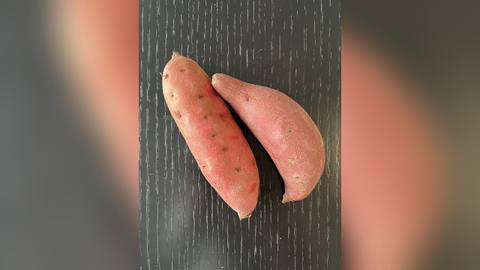
Two sweet potatoes on a dark wooden surface
SAFE

Vegetables

Sweet Potato

Cooked, plain sweet potato is a dog-friendly vegetable with fibre and beta-carotene. Always cook and peel it, since raw sweet potato is hard to digest and a choking risk, and keep portions modest because it's starchy and higher in calories than most vegetables.

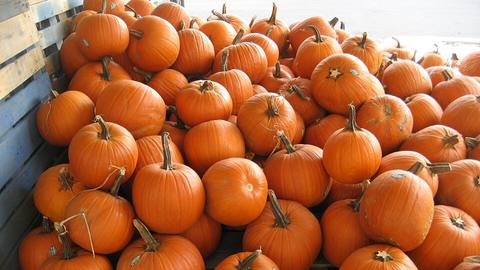
A truck bed full of orange pumpkins
SAFE

Vegetables

Pumpkin

Plain cooked or plain canned pumpkin (not pie filling) is a common dog-friendly ingredient. Spiced or sweetened pumpkin products aren't suitable.

A small silver dish of cooked white rice
SAFE

Grains

Rice

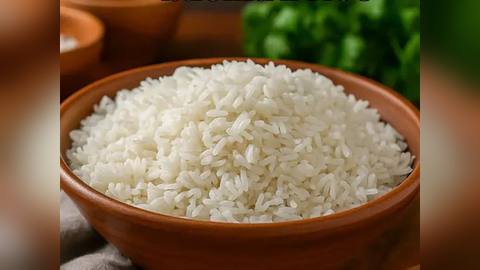
Plain, well-cooked rice with nothing added is a common ingredient in dog food and in vet-suggested bland meals.

Ripe red tomatoes growing on the vine
LIMIT

Vegetables

Tomatoes

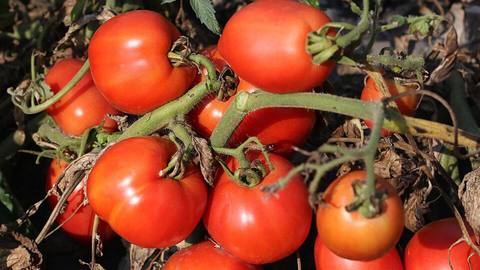
Ripe red tomato flesh is generally considered safe for dogs in small amounts. Unripe green tomatoes and the green parts of the plant contain tomatine and shouldn't be fed, and prepared tomato products often contain onion, garlic, salt or sugar.

Three eggplants: striped purple, dark purple and white
LIMIT

Vegetables

Eggplant

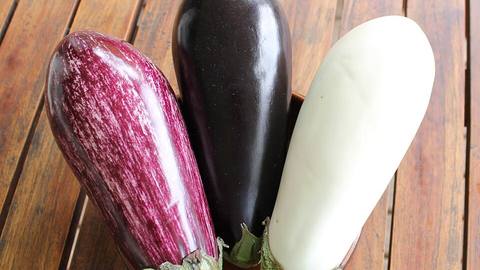
Eggplant, also called aubergine, belongs to the nightshade family. The edible fruit can be eaten by dogs in small amounts; the natural compound solanine is more concentrated in the leaves and flowers than in the fruit. Larger amounts may upset the stomach, and many eggplant dishes contain garlic, onion, oil or cheese.

A pile of golden french fries with a sprinkle of salt
AVOID

Other

French Fries

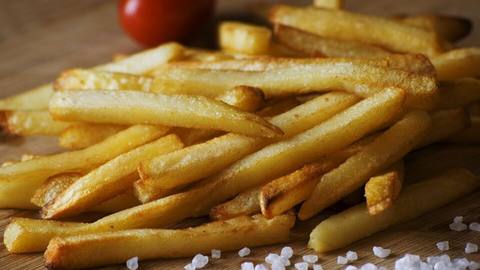
Fries are high in fat and salt. One dropped fry is unlikely to cause serious harm, but they shouldn't be given as food or a treat. Plain cooked potato is a different topic.

Browse every food in our A–Z guide