The full answer
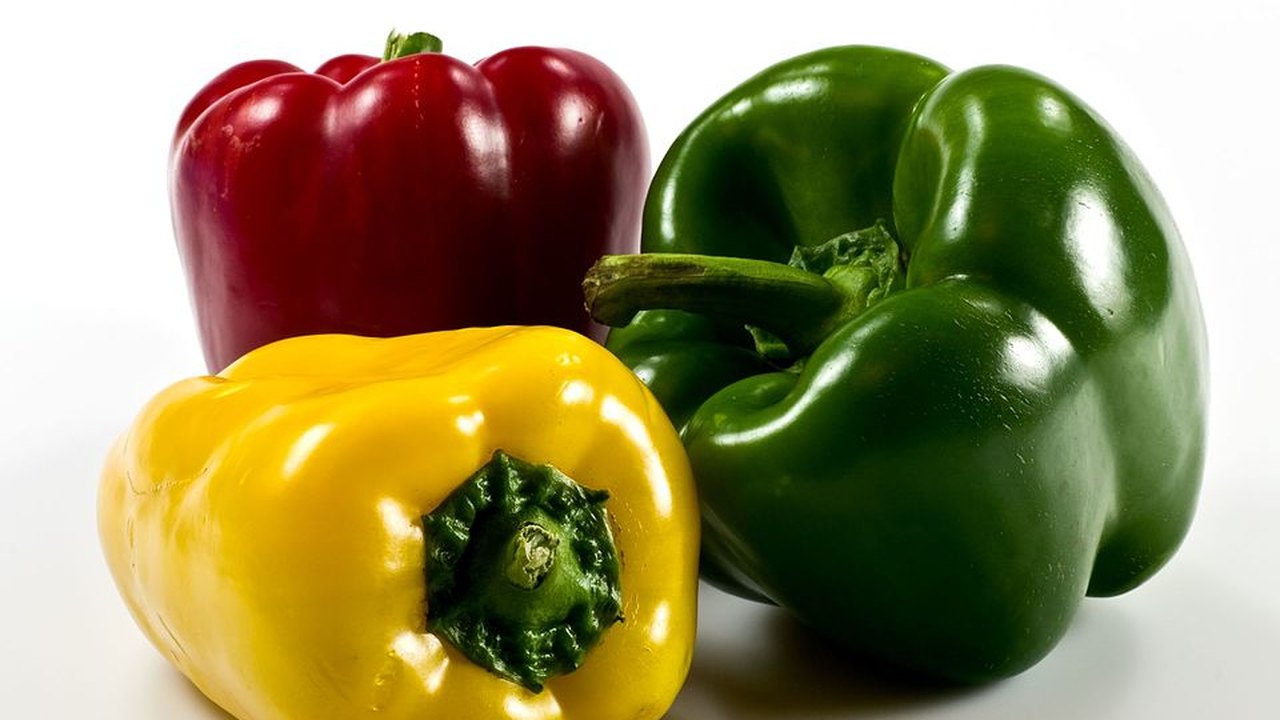
Sweet bell peppers are one of the easier vegetables to answer. They aren't listed as toxic to dogs, and a few plain pieces make a decent low-calorie treat for a dog that likes crunchy things. Red, orange, yellow and green sweet peppers are the same vegetable at different stages of ripeness, so there's no need for a separate answer for each colour.
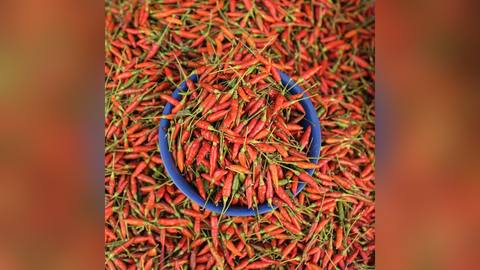
The important line is between sweet bell peppers and spicy ones. Chillies, jalapeños, cayenne and anything else that tastes hot to a person contain capsaicin, which is a different situation: it can cause mouth discomfort, drooling, vomiting and diarrhoea in dogs. Nothing here means all peppers are fine. This page is only about the ordinary sweet bell pepper.
What to leave out is practical rather than a toxicity issue. The stem is tough and not worth eating, and the top of the core around it is fibrous. Most dogs manage the seeds without trouble, but there's no reason to include them, and removing the core takes a second. The skin of a raw pepper is a bit tough, so cutting it into pieces that suit your dog's size matters more than whether you serve it raw or cooked.
If you cook bell pepper, keep it plain. Steamed or lightly roasted with nothing on it is fine. Peppers cooked as part of a family meal are usually another matter, because they come with oil, salt and very often onion or garlic, and those are the ingredients a vet would worry about, not the pepper.
Are Bell Peppers Good for Dogs?
In a modest way, yes. Bell peppers are mostly water, low in calories and provide fibre along with vitamins such as vitamin C and vitamin A precursors. That makes them a sensible swap for a richer treat if your dog likes the crunch. A dog eating a complete, balanced diet is not short of these nutrients, so we would not describe bell peppers as something your dog needs — just a pleasant, low-calorie option that does no harm in small amounts.
Potential benefits
- Low in calories and mostly water, which suits dogs on a weight-management plan
- Provides fibre and vitamins including vitamin C and carotenoids
- Satisfying crunch, so it works as a lower-calorie swap for biscuit-type treats
Risks and Things to Know
- Eating a large amount can cause gas, loose stools or vomiting, simply because of the fibre and volume
- Whole or large chunks can be a choking risk for small dogs and enthusiastic swallowers
- Stems and the fibrous core are tough and not worth feeding
- Spicy peppers are a completely separate issue and can cause mouth irritation and stomach upset
- Peppers cooked into family dishes usually contain oil, salt, onion or garlic, which are the real problem
How much is okay?
A few small pieces is plenty for most dogs. Start with a single piece and see how the next day goes, since dogs vary a lot in how much raw veg they handle.
If your dog is on a prescription diet, has a sensitive stomach or has had pancreatitis, check with your vet before adding new vegetables.
How Should I Prepare It?
- Wash the pepper and remove the stem and the fibrous core
- Scrape out the seeds — they are not toxic, but there is no reason to include them
- Cut into pieces sized for your dog rather than offering half a pepper
- Serve raw for crunch, or steam or roast plain if your dog finds raw pepper hard going
- Add nothing: no oil, butter, salt, seasoning, onion or garlic
- Skip pickled peppers, stuffed peppers and anything from a family dish