The full answer
The most important thing to say here is that "all mushrooms are toxic to dogs" isn't true, and repeating it doesn't help anyone. Ordinary grocery-store mushrooms (white button, chestnut, portobello, oyster, shiitake) aren't considered toxic to dogs. If your dog eats a plain raw or cooked supermarket mushroom off the floor, that's generally a watch-and-see situation, not a poisoning emergency.
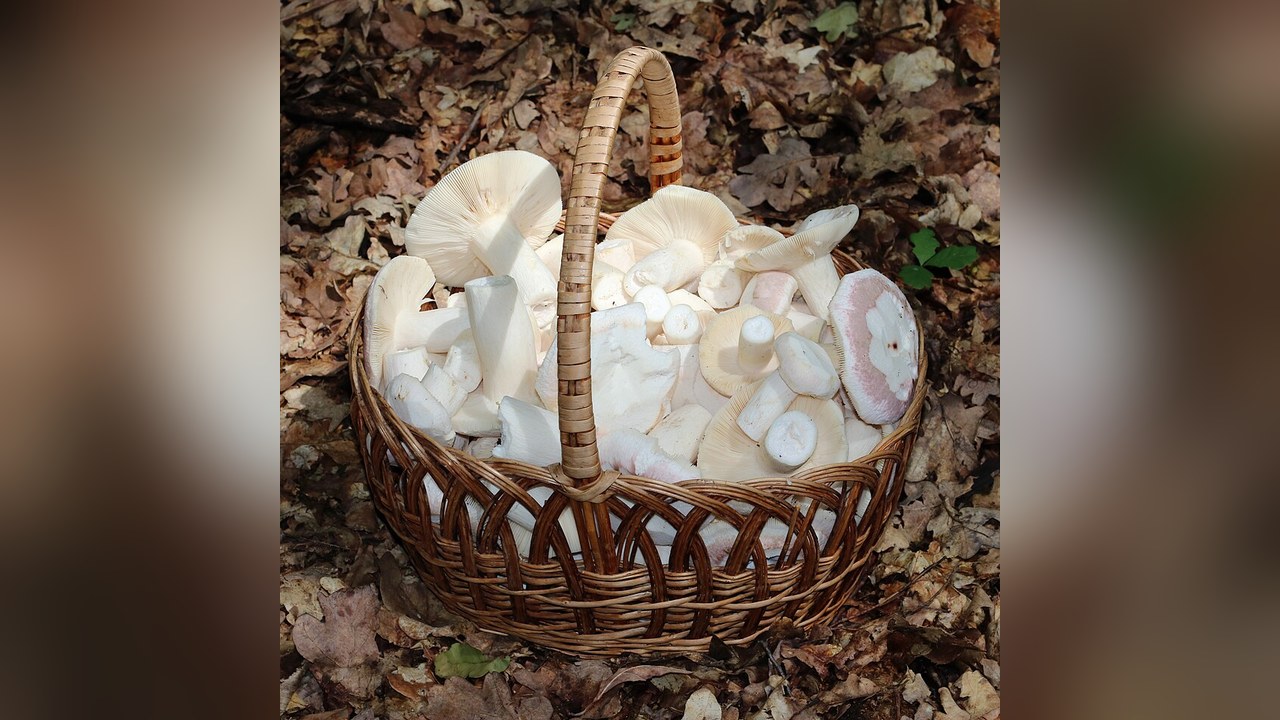
Wild mushrooms are a completely different subject. Some species growing in gardens, woodland and parkland can cause severe, sometimes fatal poisoning, with effects that may include vomiting and diarrhoea, neurological signs such as wobbliness, tremors and seizures, and in the worst cases liver or kidney failure. With certain species the early signs settle for a while before serious illness develops, which is exactly why waiting to see how a dog gets on isn't a safe strategy.
So why do we classify mushrooms as AVOID overall? Because identification is genuinely difficult. Telling a harmless species from a dangerous one is a specialist skill, several dangerous species resemble harmless ones, and a dog eating something in the grass doesn't give you a chance to examine it first. Rather than teaching dogs that mushrooms are food, we think the simplest position is that mushrooms aren't something dogs eat. AVOID is our cautious recommendation for the category, not a toxicological claim about a plain button mushroom.
If your dog has eaten a wild or unidentified mushroom, contact your vet or an animal poison service promptly, even if your dog seems perfectly well. Take a photograph of the mushroom and, if you can do so safely, keep an intact specimen, ideally with the base of the stem and any surrounding material, in a paper bag rather than plastic. That can help the professionals working on the case. We won't tell you how to identify mushrooms yourself, because that isn't something a web page can teach responsibly.
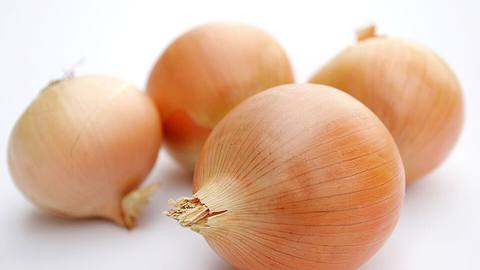
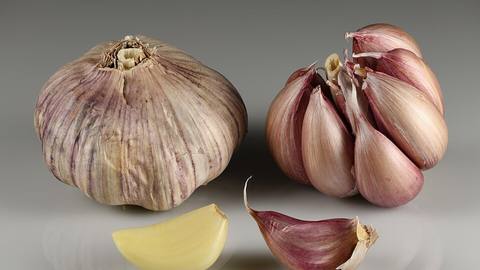
Household mushrooms carry a second, more ordinary risk: how they're cooked. Mushrooms in a family meal usually arrive in butter, oil, cream, salt and very often onion or garlic. If your dog eats mushrooms from a cooked dish, the Allium content and fat may matter more than the mushroom did.
Are Mushrooms Good for Dogs?
There is no good reason to feed mushrooms to a dog. Plain cooked shop-bought mushrooms are low in calories and contain some B vitamins and minerals, but nothing a dog on a complete diet needs, and nothing that outweighs the value of teaching a dog that mushrooms are not food. If you want a low-calorie vegetable treat, there are safe options with none of this complication.
Potential benefits
- Plain grocery-store mushrooms are not considered toxic to dogs, so an accidental one is generally not an emergency
- Low in calories, though there is no nutritional reason to feed them
Risks and Things to Know
- Some wild mushroom species can cause severe poisoning, including neurological signs and liver or kidney failure
- Identifying mushroom species reliably is a specialist skill, and dangerous species can resemble harmless ones
- With certain species, early signs may improve temporarily before serious illness develops
- Mushrooms cooked for people usually contain butter, oil, cream, salt and often onion or garlic
- Large amounts of any mushroom can cause vomiting and diarrhoea simply as a digestive upset
- Allowing a dog to eat mushrooms at home makes it more likely they will try one in the garden or on a walk
How much is okay?
We don't recommend mushrooms, so there's no portion to suggest. If a dog eats a plain shop-bought mushroom, keeping an eye on it is usually all you need to do.
Any exposure to a wild or unidentified mushroom is a reason to call your vet or an animal poison service, however much was eaten and however well your dog seems.
If the mushrooms came from a cooked dish, mention the other ingredients when you call. Onion, garlic and a lot of fat may matter more than the mushroom.
How Should I Prepare It?
- The practical answer is not to prepare mushrooms for your dog at all
- Never offer wild or foraged mushrooms in any form
- Check your garden after rain and remove mushrooms before letting your dog out, particularly in autumn
- Watch dogs closely in woodland and on damp grass, where mushrooms appear quickly
- Keep cooked mushroom dishes out of reach — they usually contain onion, garlic, butter or salt
- If your dog swallows a wild mushroom, photograph it and keep an intact specimen in a paper bag for your vet