The full answer
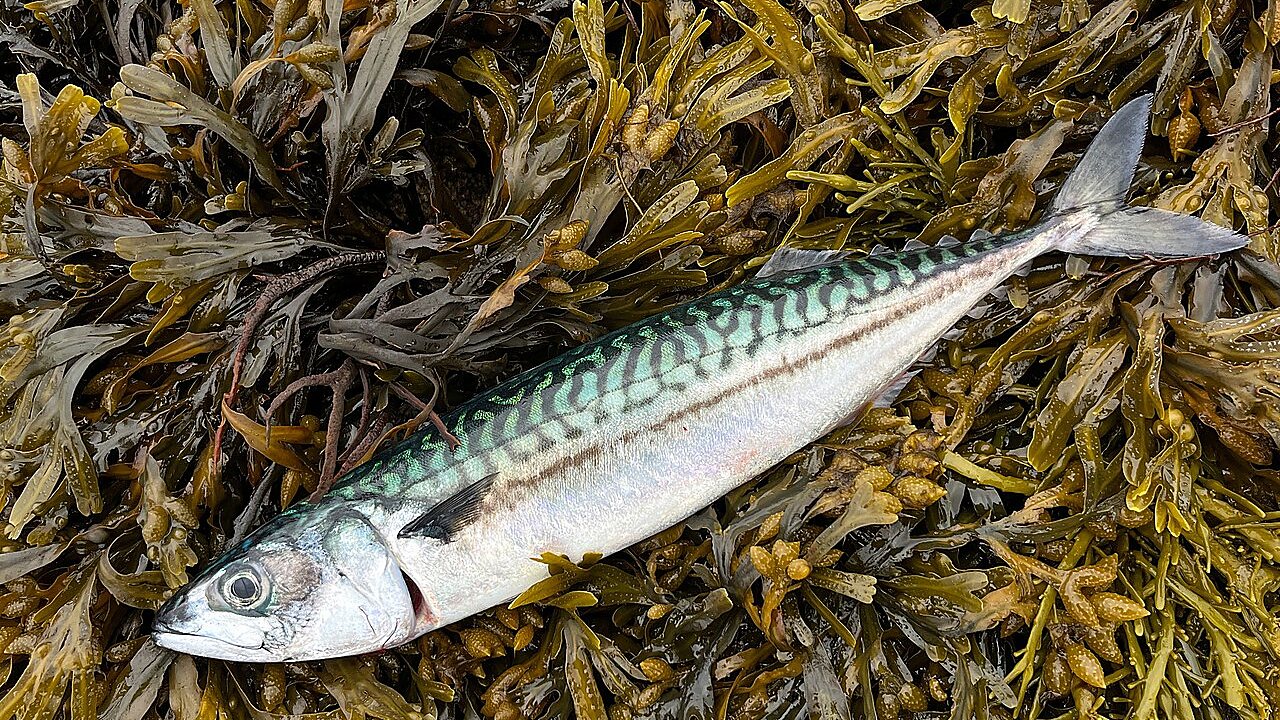
Mackerel is an oily fish that is rich in omega-3 fatty acids. Plain, cooked Atlantic mackerel is not toxic to dogs and many dogs love the smell and taste.
The catch is that it is very fatty. A large portion can upset the stomach, and rich food is a risk for dogs prone to pancreatitis. Mackerel also has plenty of small bones, so they must be removed.
Be careful with the type and the preparation. King mackerel is higher in mercury and is better avoided. Smoked, salted, pickled or brined mackerel contains far too much salt for a dog.
Is Mackerel Good for Dogs?
Mackerel provides protein and omega-3 fatty acids, which are part of what makes oily fish a popular treat.
It is energy-dense, so a little goes a long way.
Potential benefits
- Good source of protein
- Contains omega-3 fatty acids
- Strongly flavoured, so a tiny piece goes a long way as a treat
Risks and Things to Know
- Small bones can be a choking or digestive hazard
- High fat content can cause stomach upset and may trigger pancreatitis in susceptible dogs
- Smoked, salted or canned-in-brine mackerel is far too salty
- King mackerel is higher in mercury
- Raw fish can carry parasites and bacteria
How much is okay?
Think of mackerel as an occasional treat: a few small flakes for a small dog, a few more for a large dog.
Because it is rich, it should not become a regular part of meals. Ask your vet if your dog has a sensitive stomach or a history of pancreatitis.
How Should I Prepare It?
- Cook it plain by baking, steaming or grilling, with no oil, butter, salt or seasoning.
- Remove all bones and the skin if it is oily, then flake the meat.
- Let it cool fully before serving.