Can Dogs Eat Persimmons?

LIMIT

LIMIT — A few small pieces of ripe, peeled persimmon flesh are fine. Remove the seeds and skin, as seeds can cause intestinal problems, and keep portions small because of the sugar.

Ripe persimmon flesh is not toxic to dogs, but the seeds can cause intestinal blockages or irritation and the fruit is high in sugar and fibre. Remove seeds and skin and offer only a small amount.

On this page
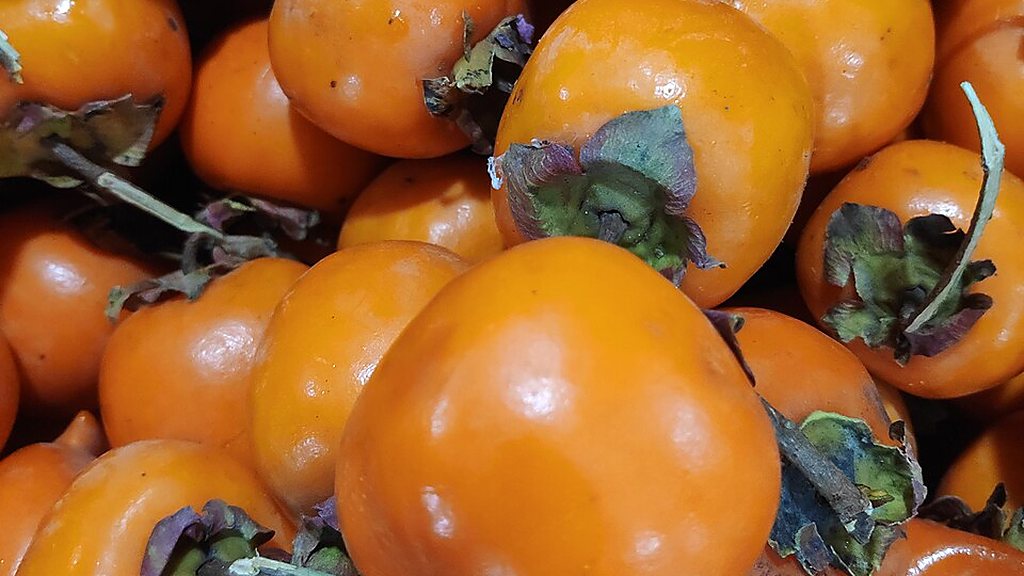
A pile of ripe orange persimmons

Quick answer

Category
Fruit
Recommended preparation
Ripe, peeled, seeds removed, cut into small pieces
Main concern
Seeds and pits causing blockage; sugar and fibre; unripe fruit
Suitable as everyday food
Occasional treat

The full answer

Persimmons are sweet orange fruits. The ripe flesh is not toxic to dogs, and a few small pieces make an occasional treat. Unripe persimmons are astringent and best avoided.

The seeds are the main hazard. Persimmon seeds can cause irritation or blockages in the intestines, particularly in small dogs, so they must be removed. The skin can be hard to digest, and the fruit is high in sugar and fibre, so too much may cause loose stools or stomach upset.

Persimmon is not a necessary food, and dogs with diabetes should avoid it. If you are growing persimmon trees, pick up fallen fruit so your dog does not eat seeds.

Is Persimmons Good for Dogs?

Persimmons contain fibre, vitamin A precursors, vitamin C and antioxidants.

Potential benefits

  • Provides fibre
  • Contains beta-carotene and vitamin C
  • Sweet taste dogs enjoy

Risks and Things to Know

  • Seeds can cause intestinal blockage or irritation
  • Skin can be hard to digest
  • High in sugar and fibre
  • Unripe fruit is astringent and may upset the stomach

How much is okay?

A few small pieces of ripe fruit is plenty. Treats should stay a small part of the day's food.

Ask your vet if your dog has diabetes.

How Should I Prepare It?

  • Choose ripe fruit.
  • Peel, remove all seeds and cut into small pieces.
  • Serve a few pieces.

Can Puppies Eat Persimmons?

A tiny piece of ripe peeled flesh is usually fine for older puppies, but persimmon is not necessary.

What If My Dog Ate Too Much?

Too much persimmon may cause vomiting, diarrhoea or constipation.

If your dog swallowed seeds or a lot of fruit and shows vomiting, a painful belly or constipation, contact a vet.

This guide is for general educational purposes and isn't a substitute for advice from your veterinarian. If your dog has eaten something potentially toxic or is showing concerning symptoms, contact a veterinarian promptly.

Frequently Asked Questions

A few small pieces of ripe, peeled, seedless persimmon are fine as an occasional treat.

No. Seeds can cause intestinal blockage or irritation.

Best avoided. Unripe fruit is astringent and may upset the stomach.

Small amounts are possible but they are very high in sugar. Fresh is better.

How this guide was written

Last updated 13 October 2026. We write from widely published, mainstream pet-health sources and avoid presenting feeding amounts as veterinary prescriptions.