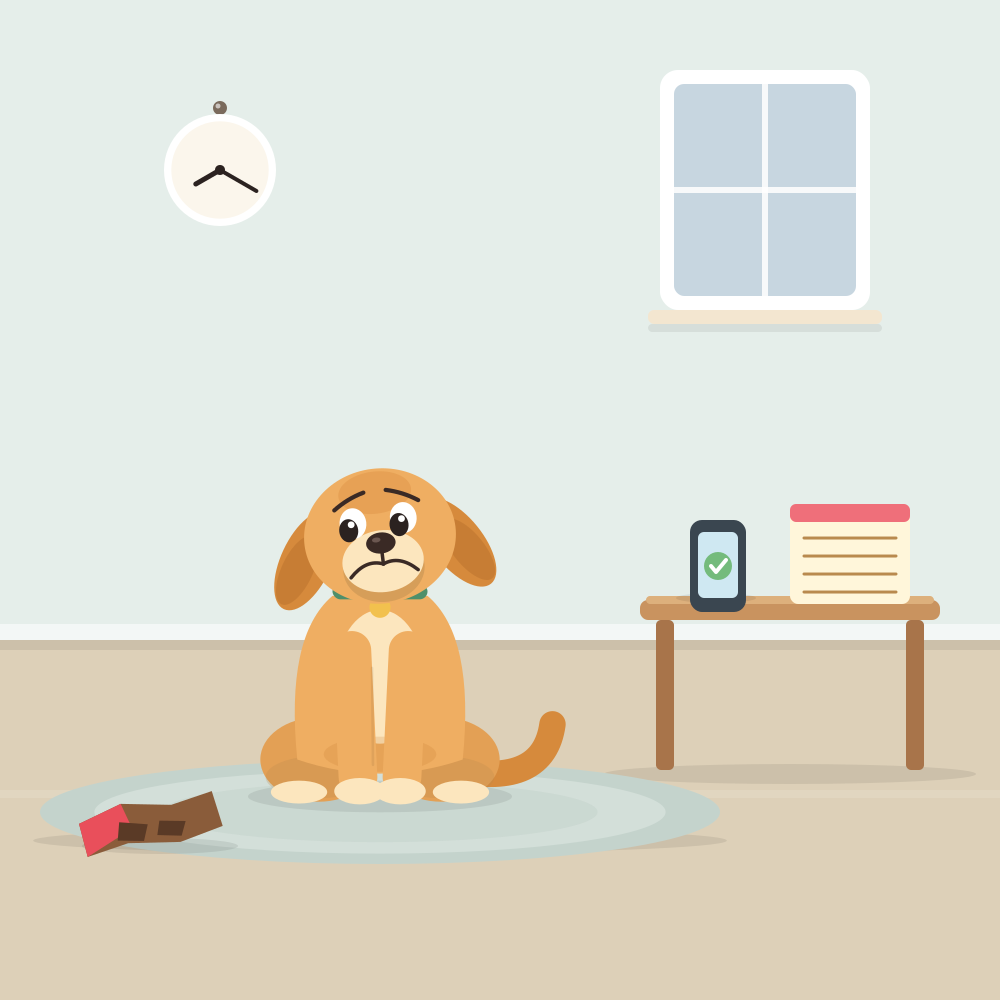
Act straight away
Wood Green, a UK animal charity, advises contacting your vet immediately if you know or suspect your dog has eaten something poisonous, and taking your dog to the vet as soon as possible for treatment. Do not wait for symptoms, because some poisons take hours to show.
Take the dog away from the rest of the food or substance so they cannot eat any more, and keep other pets and children away from it.
Who to call
Call your own vet first. If they have no out-of-hours service, find the nearest emergency veterinary clinic. Animal poison helplines are also available around the clock in many countries, though they may charge a fee. Examples are the ASPCA Animal Poison Control Center and the Pet Poison Helpline. Look up the number that applies where you live and save it in your phone today.
Pass any advice from a helpline on to your vet, because it helps them decide on treatment.
Have the details ready
Wood Green says to give as much detail as you can about what your dog ate and how much they ate in relation to their weight, because helplines use this to judge how serious it is. It helps to know:
What was eaten, with the packaging or label if you have it, and the ingredients if it was a food; roughly how much and when; your dog's weight and age; and any signs you have noticed.
Do not make your dog vomit on your own
Do not try to make your dog vomit unless a vet or poison helpline tells you to. Some substances cause more damage coming back up, and home remedies can make things worse. Follow the advice you are given.
Signs that need immediate help
Wood Green lists collapse, coma, convulsions and breathing difficulties as signs that you should contact your vet immediately. Vomiting, drooling, tremors, unusual sleepiness or a wobbly walk after eating something are also reasons to call at once.
Common culprits in the kitchen
The most frequent problems in homes are chocolate, xylitol, grapes and raisins, onions and garlic, alcohol and yeast dough. Each food page explains why the food is a problem. Keeping them in closed cupboards and bins with lids prevents most accidents.