Can Dogs Eat Chewing Gum?

TOXIC

TOXIC — Never give chewing gum. Sugar-free gum often contains xylitol, which can be life-threatening to dogs. Call a vet at once if your dog eats any.

Many sugar-free chewing gums and mints contain xylitol, a sweetener that is poisonous to dogs even in small amounts. If your dog eats gum, treat it as an emergency and contact a vet immediately.

Main sources: American Kennel Club — What to Do if Your Dog Accidentally Eats Gum; FDA — Paws Off Xylitol; It's Dangerous for Dogs

If your dog has already eaten chewing gum, contact your veterinarian or an animal poison control service straight away — even if your dog seems fine.

On this page
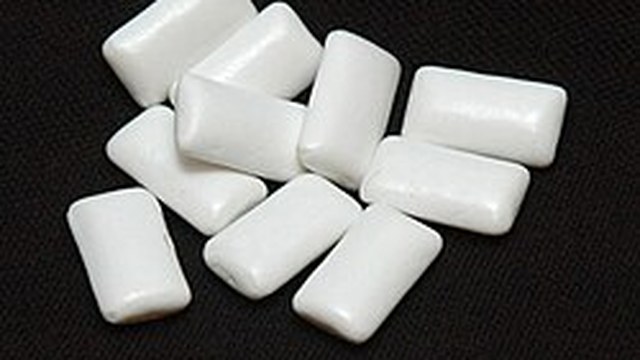
Photo of chewing gum

Quick answer

Category
Other
Recommended preparation
Not applicable — keep out of reach
Main concern
Xylitol poisoning causing a dangerous drop in blood sugar and liver damage
Suitable as everyday food
Never

The full answer

Chewing gum is one of the most common sources of xylitol poisoning in dogs. Xylitol is a sugar substitute used in many sugar-free gums, mints and other products, and it is highly toxic to dogs.

In dogs, xylitol can cause a rapid release of insulin, leading to a dangerous drop in blood sugar within as little as 10 to 60 minutes. Larger amounts can cause liver damage and liver failure. Even a few pieces of gum can be dangerous for a small dog.

Gum without xylitol is still not appropriate. It can cause a blockage if swallowed, and the sugar in regular gum is not good for dogs. Check ingredient lists carefully, but the safest rule is to keep all gum out of reach.

Is Chewing Gum Good for Dogs?

Chewing gum offers nothing a dog needs and carries a serious poisoning risk.

Potential benefits

  • None — gum is not a food for dogs

Risks and Things to Know

  • Xylitol is highly toxic and can cause low blood sugar, seizures and liver failure
  • Even small amounts can be dangerous, especially for small dogs
  • Swallowed gum can cause a blockage
  • Gum packaging, wrappers and mints in handbags and pockets are common ways dogs find it
  • Sugar in regular gum is not appropriate for dogs

How much is okay?

No amount of chewing gum is safe. Keep gum, mints and sugar-free sweets out of reach, including in bags and coats.

How Should I Prepare It?

  • Do not give. If your dog eats gum, check the packet for xylitol and call a vet immediately, taking the packaging with you.

Can Puppies Eat Chewing Gum?

Puppies explore with their mouths, so keep bags, coats and cars free of gum.

What If My Dog Ate Too Much?

Signs of xylitol poisoning can include vomiting, weakness, wobbliness, collapse and seizures. Signs can appear within 10 to 60 minutes, but sometimes later.

If your dog ate chewing gum or any product that may contain xylitol, call your vet or an emergency vet or animal poison helpline immediately. Do not wait for symptoms and do not induce vomiting unless a vet tells you to.

This guide is for general educational purposes and isn't a substitute for advice from your veterinarian. If your dog has eaten something potentially toxic or is showing concerning symptoms, contact a veterinarian promptly.

Frequently Asked Questions

Sugar-free gum often contains xylitol, which is poisonous to dogs. Treat any gum eaten as an emergency.

Check the packet for xylitol and contact a vet or animal poison helpline immediately, taking the packaging with you.

Signs of low blood sugar can appear within 10 to 60 minutes, but may be later. Do not wait for symptoms.

Not really. It can still cause a blockage, and the sugar is not good for dogs. Keep all gum out of reach.

How this guide was written

Last updated 13 October 2026. We write from widely published, mainstream pet-health sources and avoid presenting feeding amounts as veterinary prescriptions.

Never Guess What's Safe in the Kitchen

Download our free Dog Kitchen Safety Pocket Guide (printable PDF). Covers 184 everyday ingredients organized into Safe, Limit, Avoid, and Toxic, with space for emergency vet contacts.