Can Dogs Eat Cooked Bones?

AVOID

AVOID — Cooked bones can splinter and cause choking, blockages and injuries inside the mouth, throat and gut. Do not give them.

Cooked bones, including chicken, turkey, pork and rib bones, become brittle and can splinter into sharp pieces. They are a well-known cause of emergency vet visits and are best avoided.

Main sources: PetMD — Can Dogs Eat Bones?; American Kennel Club — Can Dogs Eat Bones?

If your dog swallowed a cooked bone or bone fragments, watch closely and contact a veterinarian for advice, even if your dog seems fine, because splinters can cause damage before symptoms appear. Contact a veterinarian, or an emergency veterinary clinic out of hours, straight away if your dog gags, vomits repeatedly, drools, has a painful or swollen belly, strains to pass stool, has blood in vomit or stool, or is very quiet. Do not try to induce vomiting at home unless a veterinarian tells you to.

On this page
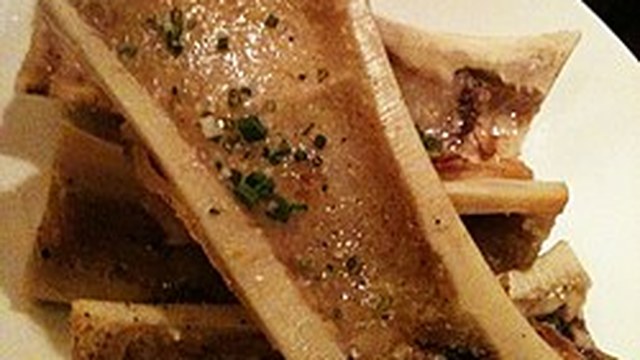
Photo of cooked bones

Quick answer

Category
Meat
Recommended preparation
Not applicable — bin them safely out of reach
Main concern
Splintering, choking, blockages and tears in the gut
Suitable as everyday food
Never

The full answer

Leftover bones from the dinner table are tempting to share, but cooked bones are one of the more common causes of emergency vet visits. Cooking makes bones dry and brittle, so they are more likely to splinter into sharp fragments.

Splinters can cut the mouth and throat, cause choking, or become lodged in the gut and cause a blockage. Sharp pieces can also tear the stomach or intestines, which can be life-threatening. Even large bone pieces can break teeth.

Chicken, turkey and rib bones are particularly risky. If you want your dog to chew, ask your vet about safer chew options suited to your dog's size and chewing habits. Raw bones carry their own risks, so discuss them with your vet before offering any bone.

Is Cooked Bones Good for Dogs?

Cooked bones offer no benefit that outweighs the risk of injury.

Potential benefits

  • None — the risks outweigh any benefit

Risks and Things to Know

  • Bones can splinter and cut the mouth, throat and gut
  • Pieces can cause choking or an obstruction
  • Sharp fragments can perforate the stomach or intestines
  • Hard bones can fracture teeth
  • Seasoned leftovers may also contain onion, garlic or salt

How much is okay?

No amount of cooked bone is recommended. Dispose of bones in a secure bin your dog cannot reach.

How Should I Prepare It?

  • Do not give. Wrap bones and put them in a bin with a lid, or an outdoor bin.

Can Puppies Eat Cooked Bones?

Puppies are especially likely to gulp and choke on bone pieces. Keep bones out of reach.

What If My Dog Ate Too Much?

If your dog swallowed cooked bones, watch closely and contact your vet for advice, even if your dog seems fine at first.

Seek urgent care if you see gagging, repeated vomiting, drooling, a painful or swollen belly, straining to pass stool, blood in the stool or vomit, or lethargy.

This guide is for general educational purposes and isn't a substitute for advice from your veterinarian. If your dog has eaten something potentially toxic or is showing concerning symptoms, contact a veterinarian promptly.

Frequently Asked Questions

No. Cooked chicken bones can splinter and cause choking or internal injury.

Contact your vet for advice, even if your dog seems fine. Seek urgent help for gagging, vomiting, pain, bloody stool or lethargy.

No. Cooked rib bones can splinter and are best avoided.

They can carry different risks, including bacteria, choking and broken teeth. Talk to your vet before giving any bone.

How this guide was written

Last updated 13 October 2026. We write from widely published, mainstream pet-health sources and avoid presenting feeding amounts as veterinary prescriptions.

Never Guess What's Safe in the Kitchen

Download our free Dog Kitchen Safety Pocket Guide (printable PDF). Covers 184 everyday ingredients organized into Safe, Limit, Avoid, and Toxic, with space for emergency vet contacts.